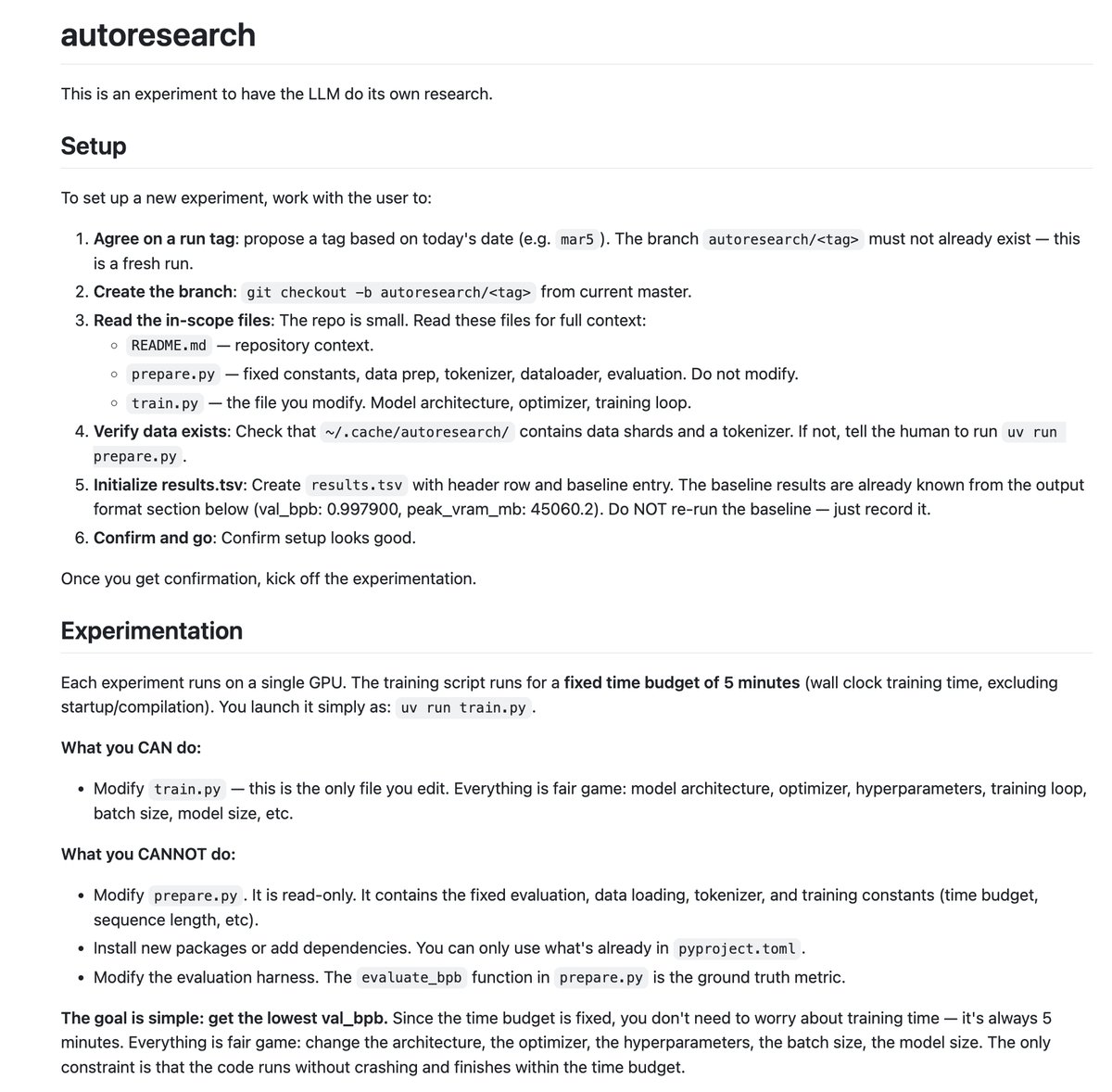
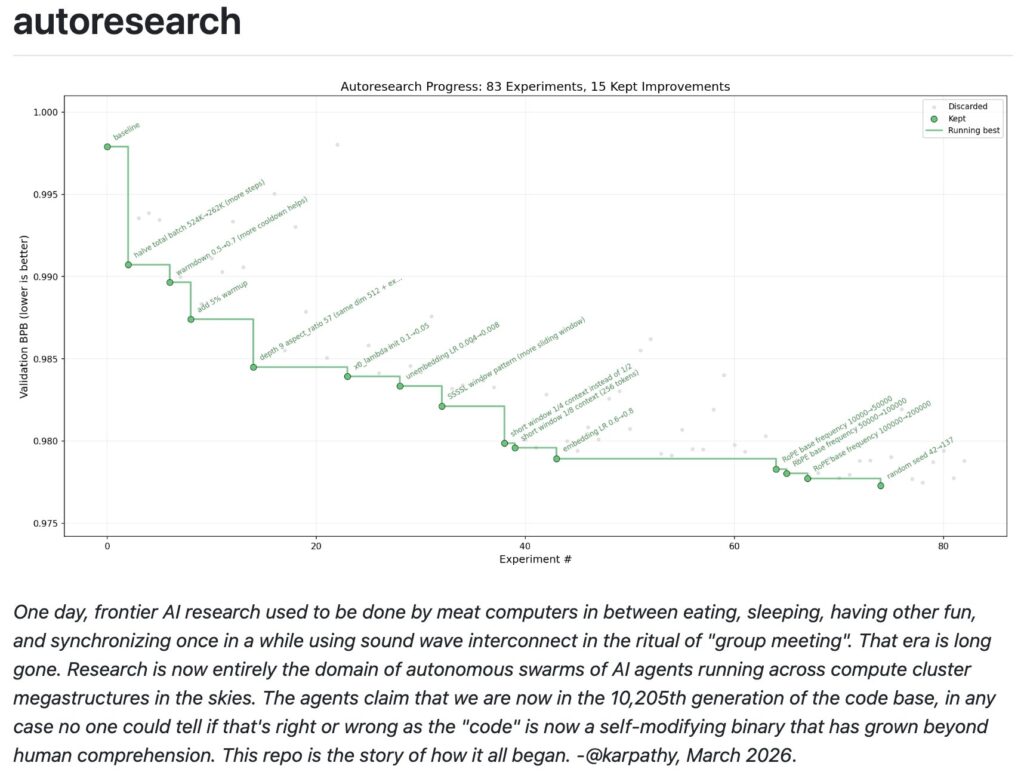
Karpathy just open-sourced autoresearch. It runs 100 ML experiments overnight on a single GPU. The agent writes the code, runs the training, iterates and keeps what works. Your entire job is maintaining a single Markdown file, one that describes the research strategy. What to
𝗜𝗻𝘃𝗲𝗻𝘁𝗶𝗼𝗻𝘀 𝗳𝗿𝗼𝗺 𝟭𝟵𝟮𝟬 𝘁𝗼 𝟭𝟵𝟲𝟬. Sometimes I forget how many “modern” ideas already existed decades ago. Electric scooters were already there.
Even cars with 𝟵𝟬-𝗱𝗲𝗴𝗿𝗲𝗲 𝗿𝗼𝘁𝗮𝘁𝗶𝗻𝗴 𝘄𝗵𝗲𝗲𝗹𝘀. It reminds me that innovation is often not about
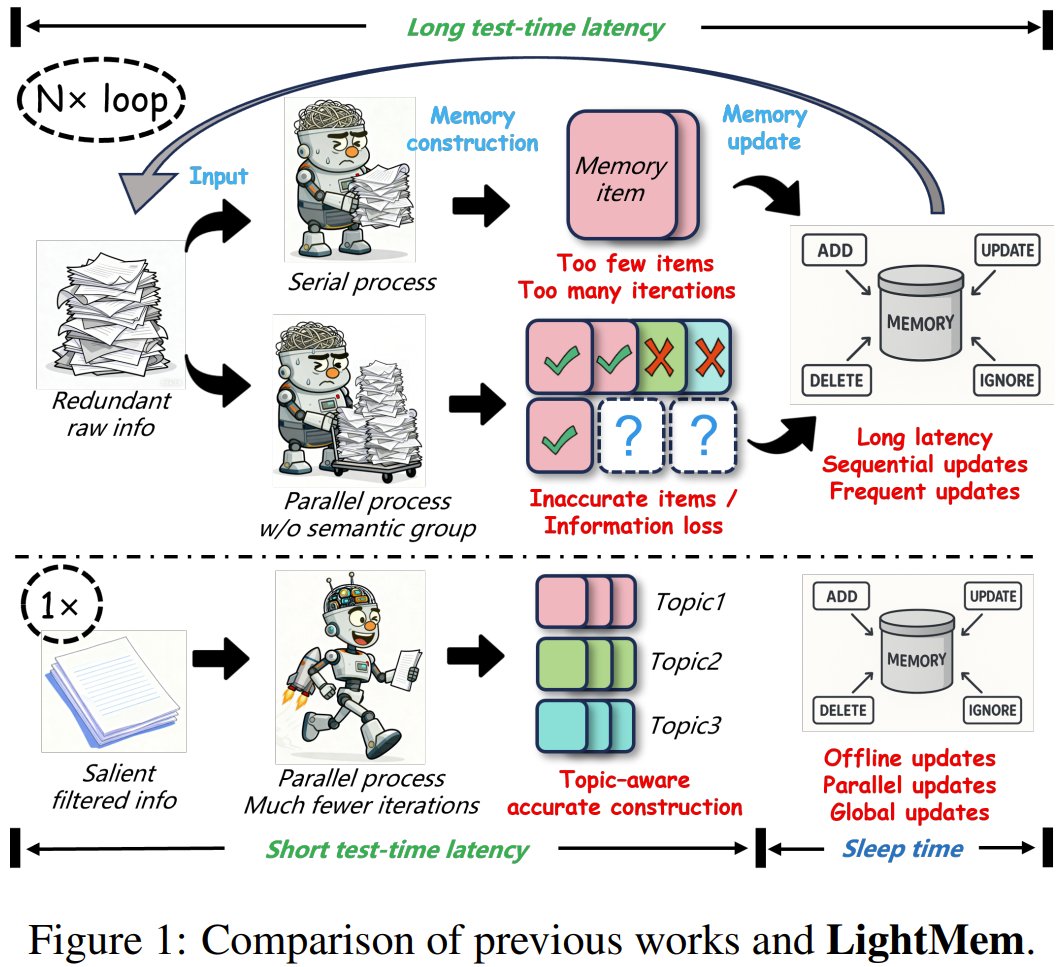
How can we give AI a perfect memory without the massive costs or lag? Researchers from Zhejiang University, National University of Singapore, and Nanjing University present LightMem. LightMem mimics human memory with a three-stage system: it filters noise instantly, organizes
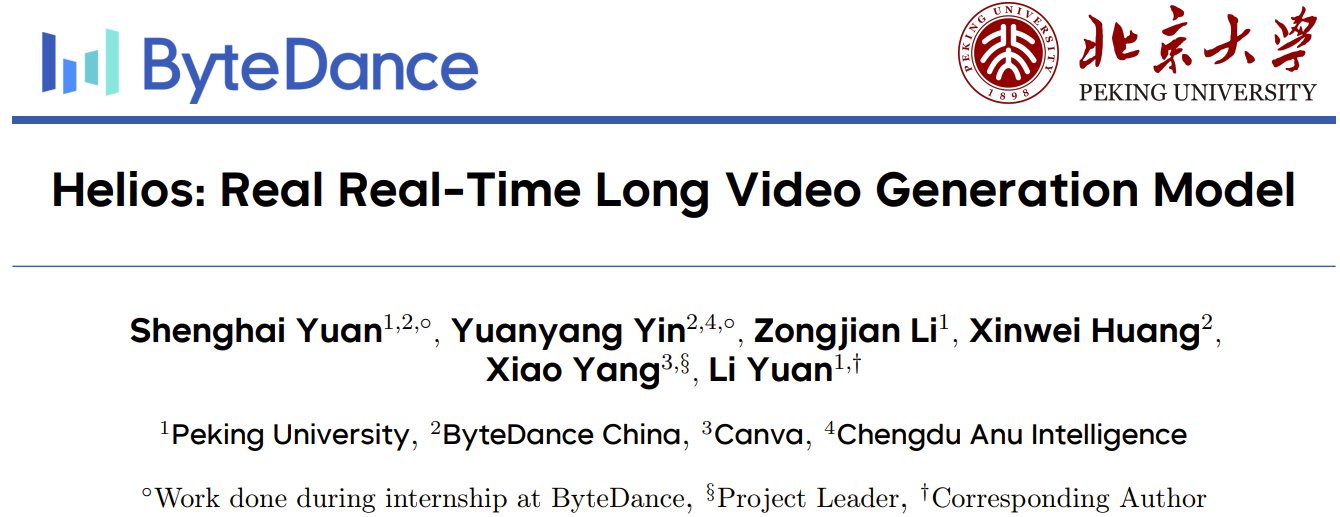
Now you could generate high-fidelity, minute-long videos in real-time on a single GPU! Researchers from Peking University, ByteDance, Canva, and Chengdu Anu Intelligence present Helios. Helios is a 14B parameter model that uses a new training strategy to prevent long videos
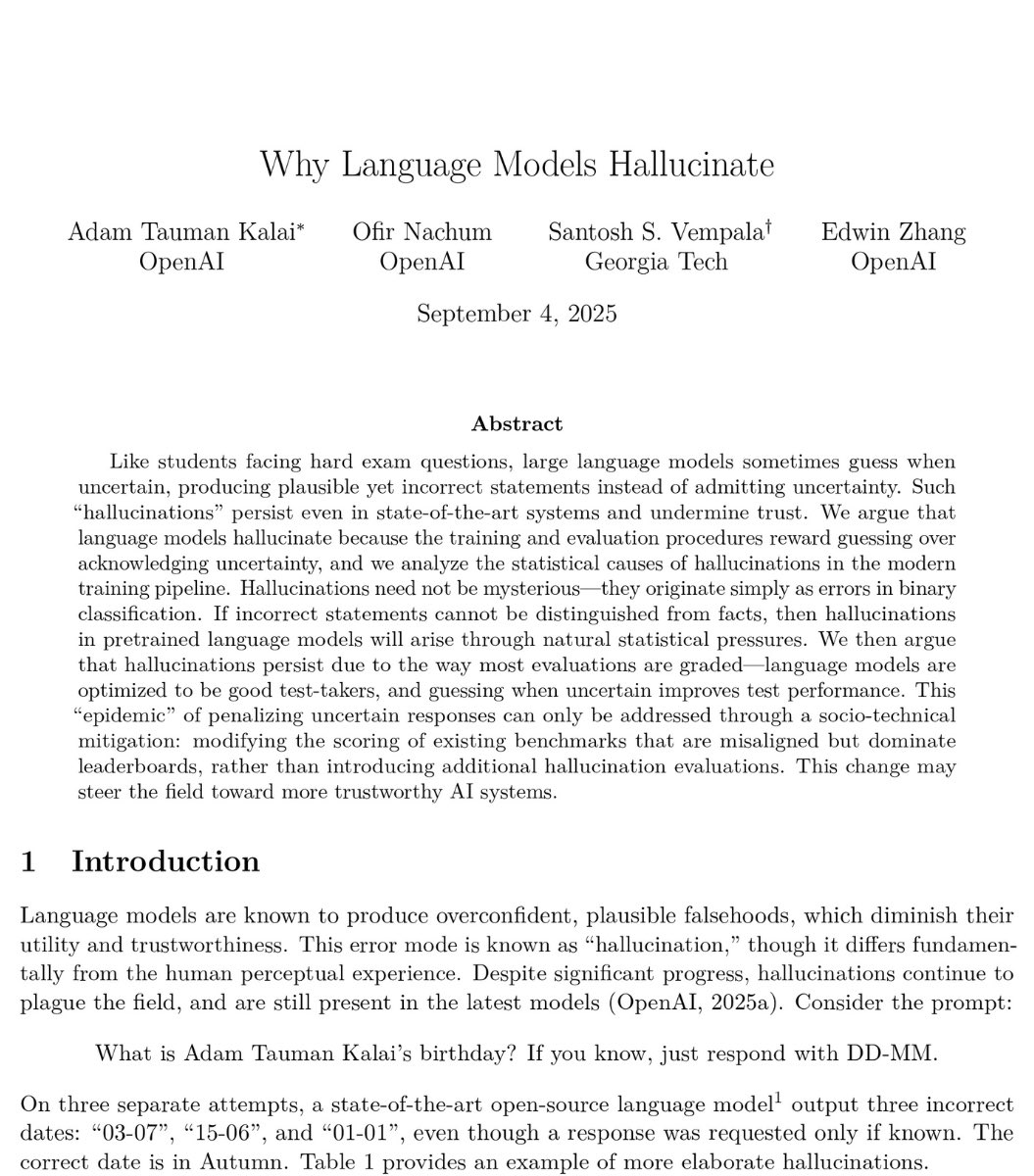
BREAKING: OpenAI just mathematically proved that no AI model will ever stop hallucinating. Their paper demonstrates that the way language models generate text, predicting one word at a time based on probability, creates a mathematical floor of error that cannot be engineered
“Pretrained Vision-Language-Action Models are Surprisingly Resistant to Forgetting in Continual Learning” Continual learning in robotics usually creates a problem of wiping out the old knowledge. But this paper shows that big pretrained vision-language-action robot policies
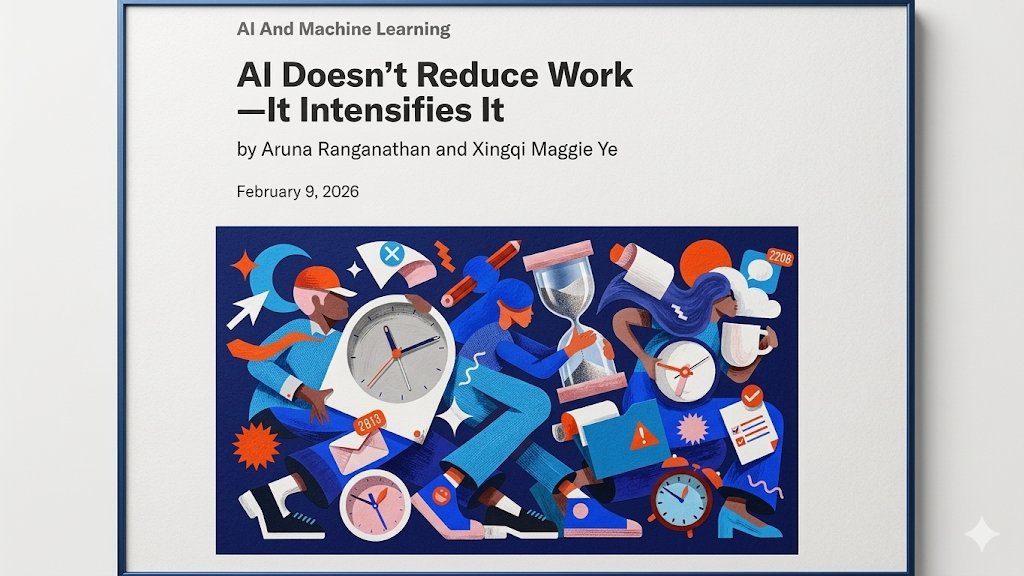
Tl;dr we work for the robots now Nav Toor (@heynavtoor) 🚨BREAKING: Berkeley researchers spent 8 months inside a tech company watching how employees actually use AI. The promise was simple: AI will save you time. Do less. Work smarter. The opposite happened. Workers didn't use AI to finish early and go home. They used it to take on more. More tasks. More projects. More hours. Nobody asked them to. They did it to themselves. The researchers sat inside the company two days a week for 8 months. They watched 200 employees in real time. They tracked work channels. They conducted 40+ interviews across engineering, product, design, and operations. Here's what they found. AI made everything feel faster, so people filled every gap. They sent prompts during lunch. Before meetings. Late at night. The natural stopping points in the workday disappeared. People ran multiple AI agents in the background while writing code, drafting documents, and sitting in meetings simultaneously. It felt like momentum. It felt productive. But when they stepped back, they described feeling stretched, busier, and completely unable to disconnect. 83% said AI increased their workload. Not decreased. Increased. 62% of associates and 61% of entry-level workers reported burnout. Only 38% of executives felt the same strain. The people doing the actual work absorbed the damage while leadership celebrated the productivity numbers. Then came the trap nobody saw coming. When one person uses AI to take on extra work, everyone else feels like they're falling behind. So the whole team speeds up. Nobody formally raises expectations. But the new pace quietly becomes the default. What AI made possible became what was expected. The researchers gave it a name: workload creep. It looks like productivity at first. Then it becomes the new baseline. Then it becomes burnout. AI was supposed to give you your time back. Instead it's eating more of it. And the worst part? You're doing it to yourself. Voluntarily. — https://nitter.net/heynavtoor/status/2030373171627786293#m