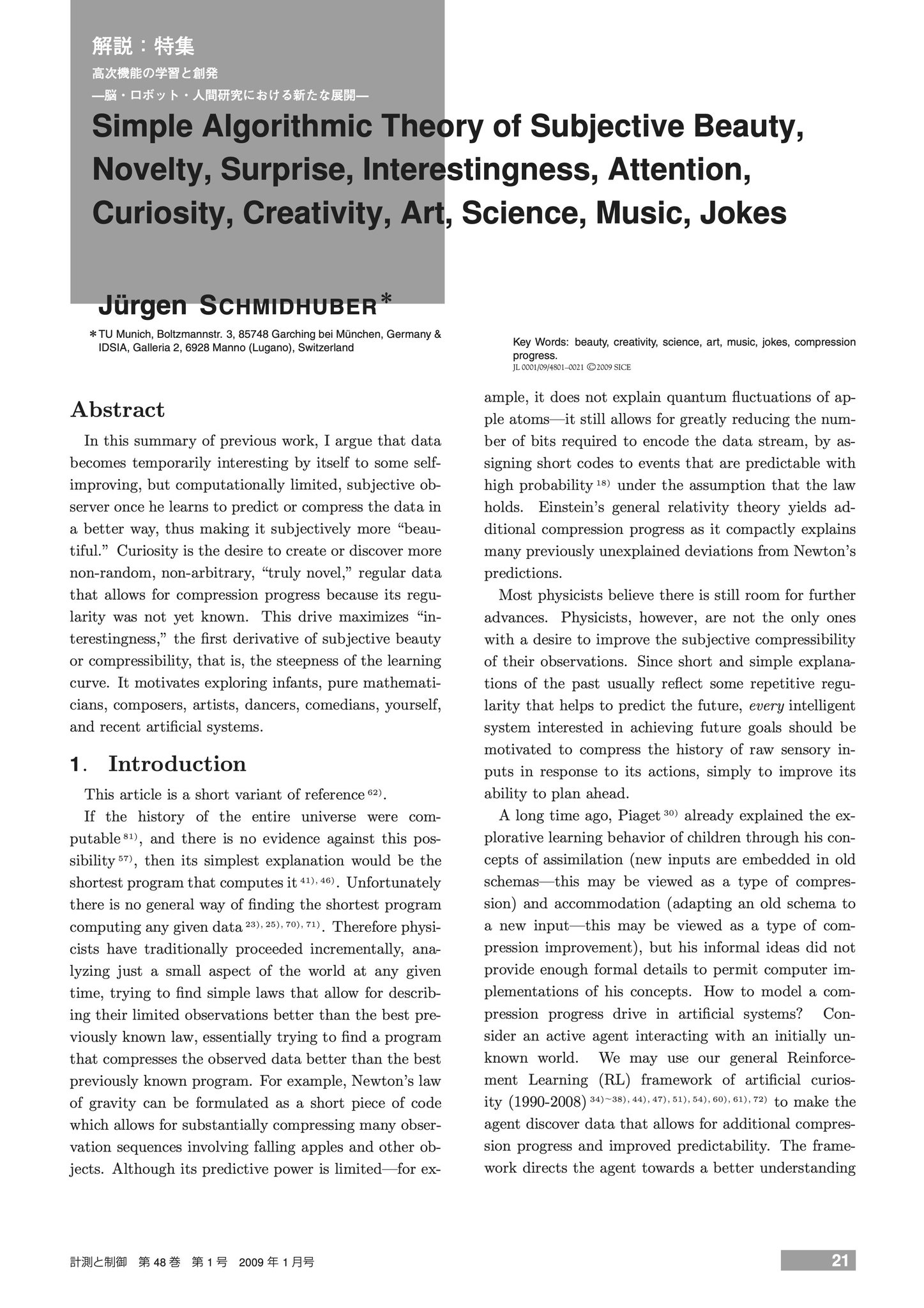
Recently learned that Schmidhuber’s Formal Theory of Fun and Creativity, covering compression progress and intrinsic motivation and their relationship to beauty, curiosity, art, science, music, and jokes, was published in a Japanese scientific journal in 2009.
@hardmaru
-

AI consciousness debate: Vatican vs. Eastern pragmatism
By
–
Love that the AI consciousness debate went straight to the Vatican. In the West we ask whether Claude has a soul, in the East we ask whether the tool works. Same technology, completely different starting point. Explains a lot about why the vibes around AI are so different.
-

Beginning of a major architectural change in AI development
By
–
Delighted to collaborate with @OpenRouter Products like OpenRouter Fusion and Sakana Fugu have sparked a serious conversation about dependency and resilience in AI. I believe this is only the beginning of a major architectural change to come in the development of
-
Thanking Deepak for visionary self-assembling multi-agent LLM systems
By
–
Thanks a lot, Deepak!!
— hardmaru (@hardmaru) 23 juin 2026
One day, we'll have self-assembling multi-agent LLM systems like your work:https://t.co/qhi40ctLaaThanks a lot, Deepak!! One day, we'll have self-assembling multi-agent LLM systems like your work:
-
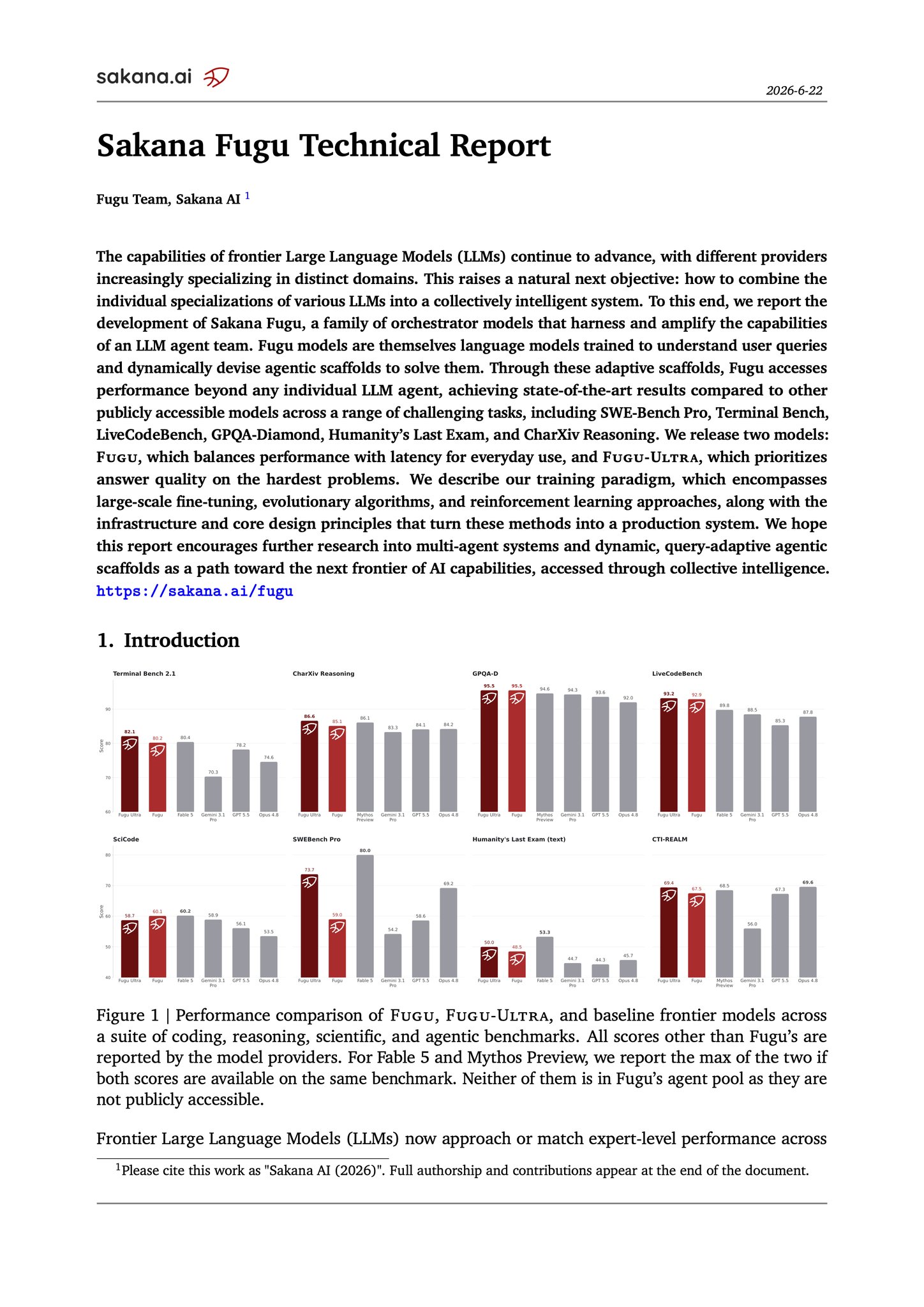
Sakana Fugu Technical Report and Release Notes
By
–
Sakana Fugu Technical Report https://
github.com/SakanaAI/fugu/
blob/main/Fugu_technical_report.pdf
… Release Notes: https://
sakana.ai/fugu-release/ -
Comparison of AI Models on a Blindfolded Chess Task
By
–
We tried this One-Shot Blindfold Chess task, between Opus, GPT, Gemini Pro, 2100-Elo Stockfish engine, and Sakana Fugu Ultra:https://t.co/e0k5w3j2fE
— hardmaru (@hardmaru) 22 juin 2026We tried this blindfolded chess task in one move, between Opus, GPT, Gemini Pro, the Stockfish 2100-Elo engine, and Sakana Fugu Ultra.
-
Human collective intelligence as a model for future AI systems
By
–
Human intelligence is fundamentally a collective intelligence. We solve complex problems by participating in a vast cultural network that builds upon ideas across generations.
— hardmaru (@hardmaru) 22 juin 2026
I believe the strongest AI systems will become a collective intelligence, too.
Since we started Sakana… https://t.co/yulKqdei2cHuman intelligence is fundamentally a collective intelligence. We solve complex problems by participating in a vast cultural network that builds on ideas across generations. I believe that the most powerful AI systems will also become
-
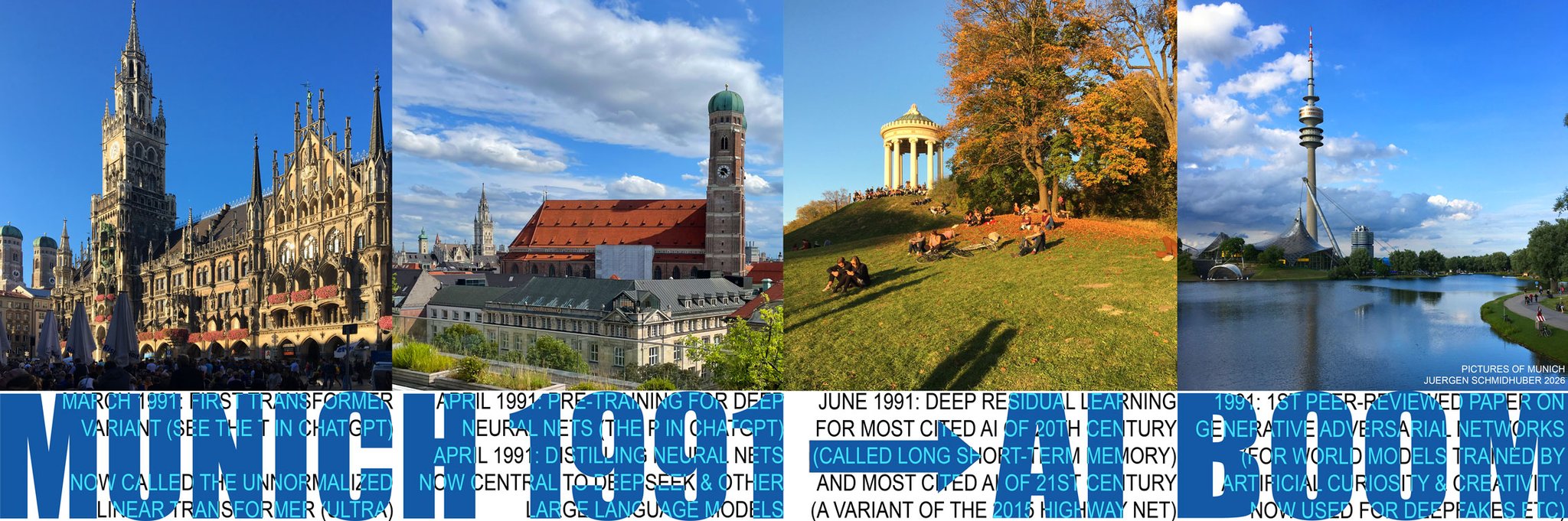
The Foundations of Transformers, Pretraining, Distillation, and World Models in 1991
By
–
In 1991, the foundations of Transformers, pretraining, distillation, and world models were already being built. These have helped shape my own thinking, from my time at Google Brain to our work on Improvement.
-
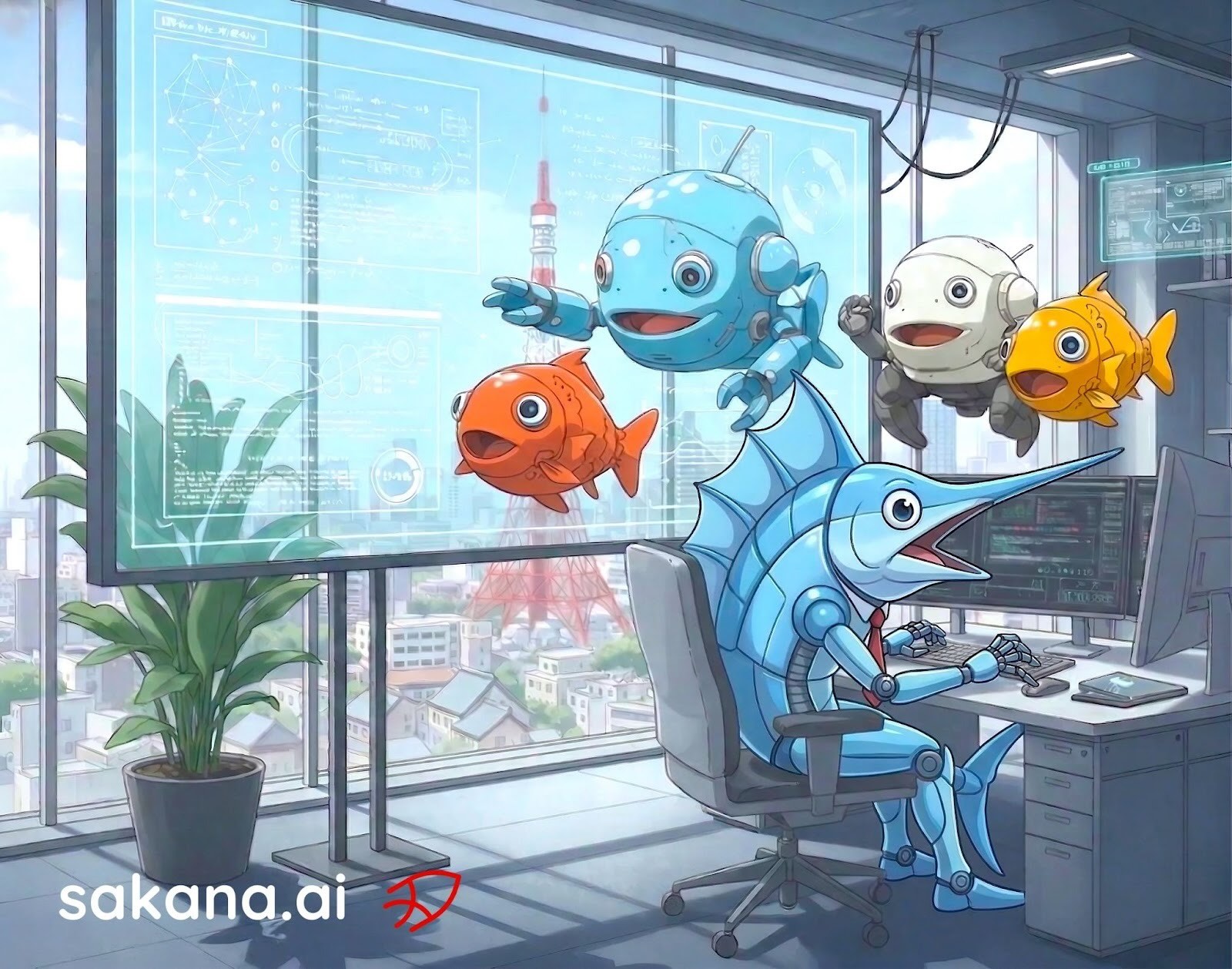
Official launch of Sakana Marlin, autonomous Ultra Deep Research agent
By
–
I am proud to officially launch Sakana Marlin, our first commercial product: an autonomous "Ultra Deep Research" agent designed to act as a virtual CSO. Try Marlin:
https://
sakana.ai/marlin
Blog:
https://
sakana.ai/marlin-release
/#English
… Marlin is not just another -
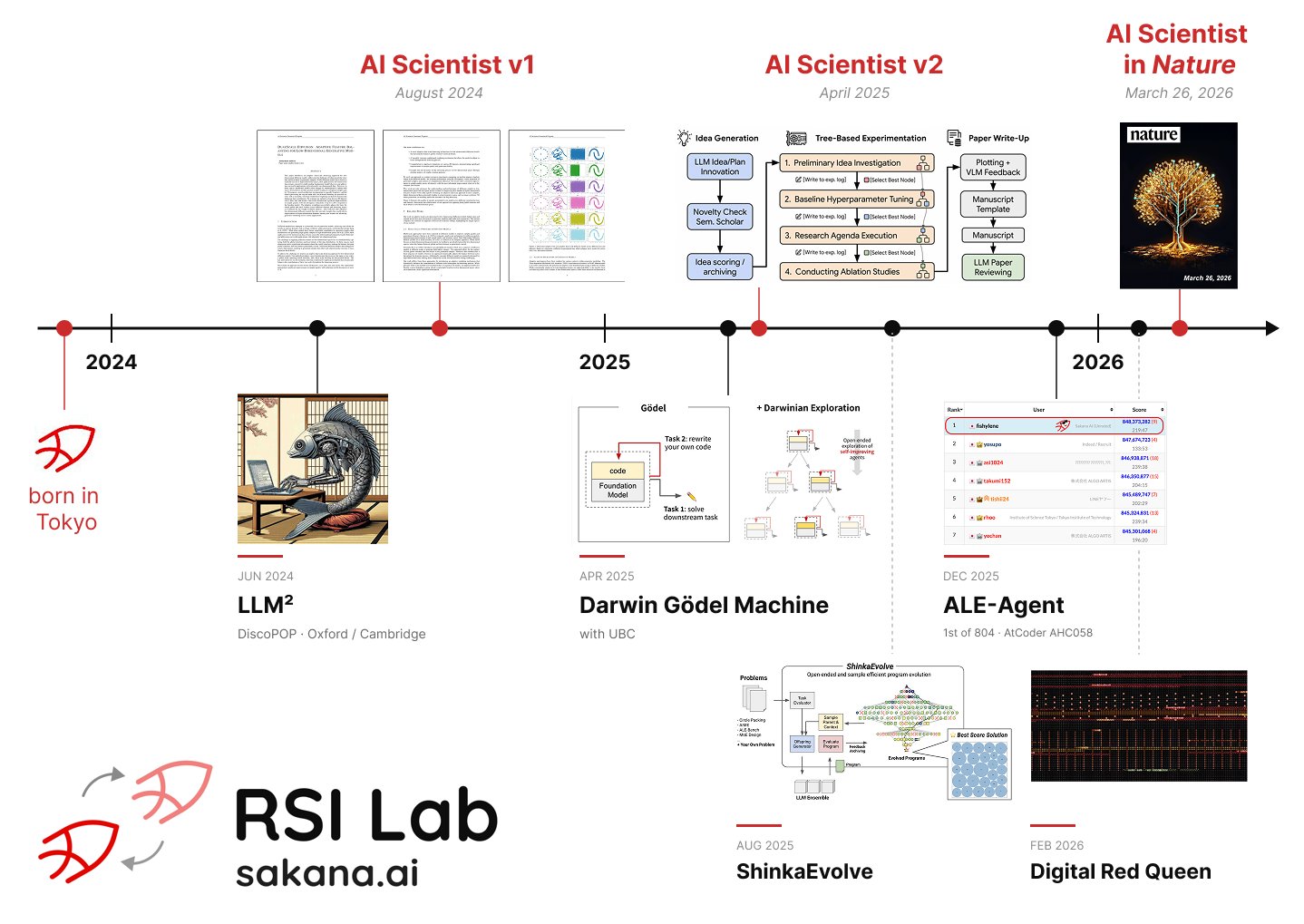
Sakana AI hiring frontier researchers for RSI core team
By
–
We’ve been laying the foundations for RSI over the last 2 years. Now, I am looking for a select group of distinguished frontier researchers and engineers to join our core RSI team. https://
sakana.ai/careers/member
-of-technical-staff-rsi-lab/
… If you have a proven track record at the frontier, but find yourself