If the transformers paper was written by one of my students, I wouldn’t let him graduate until he did a better job.
MACHINE LEARNING
-
Deep Learning Papers Confusing Because Researchers Are Confused
By
–
Deep learning papers are confusing because deep learning researchers are confused.
-
Instruct vs Thinking Models: Cost, Speed, and Trade-offs
By
–
Instruct vs thinking models, in one line:
— Satya Mallick (@LearnOpenCV) 19 mai 2026
System 1 vs System 2 — with a 5–20x cost-and-speed gap.
If the task doesn't need planning or multi-step reasoning, the thinking model isn't smarter. Just slower, pricier, and more likely to hallucinate.
— Dr. Satya Mallick, CEO @ OpenCV… pic.twitter.com/QcHpeXyVHDInstruct vs thinking models, in one line:
System 1 vs System 2 — with a 5–20x cost-and-speed gap.
If the task doesn't need planning or multi-step reasoning, the thinking model isn't smarter. Just slower, pricier, and more likely to hallucinate.
— Dr. Satya Mallick, CEO @ OpenCV -
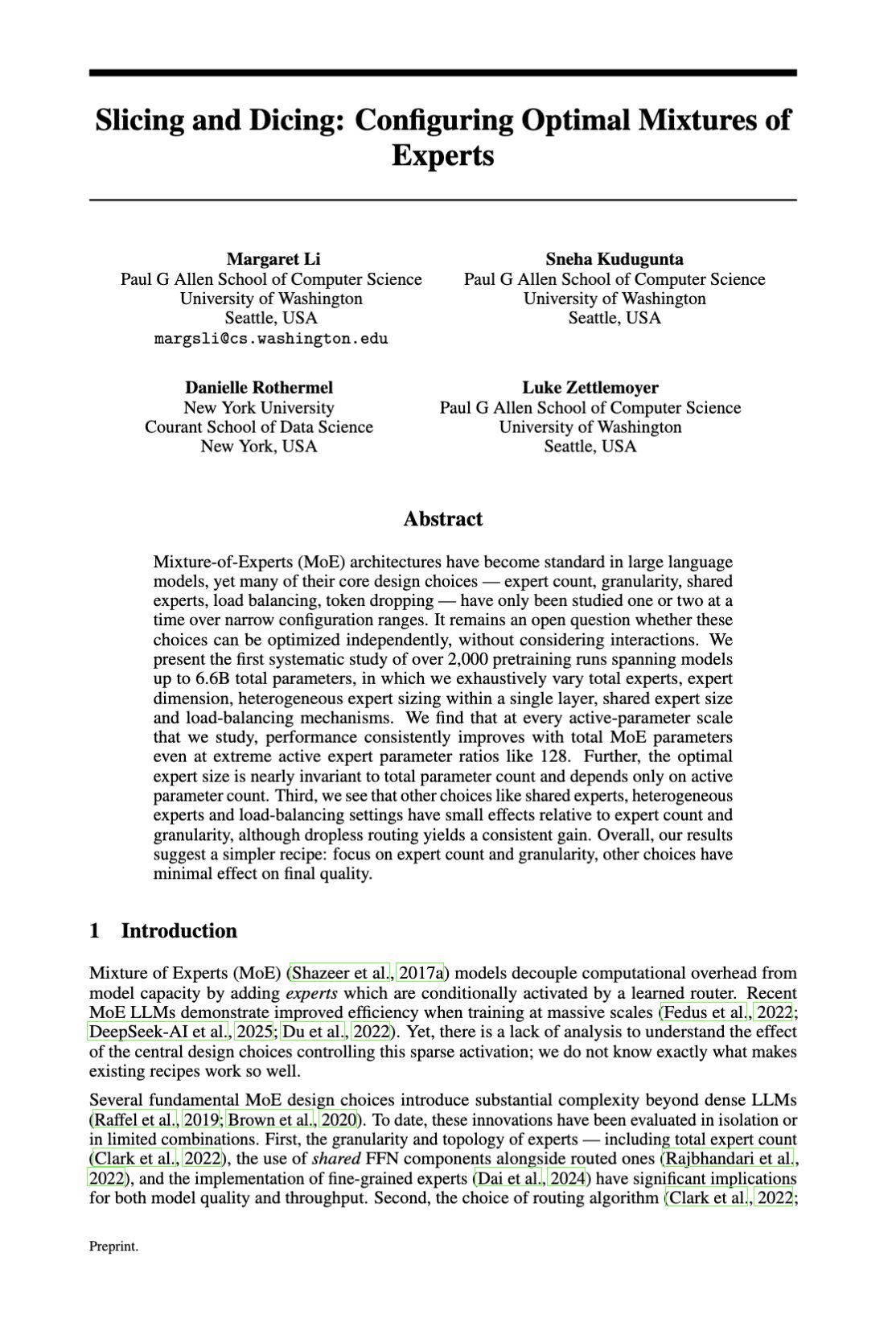
Technical Analysis of Optimal Mixture-of-Experts Model Configuration
By
–
"Slicing and Dicing: Configuring Optimal MoE" MoE models have a huge design space, but most choices are overcomplicated. This paper runs 2,000+ pretraining runs up to 6.6B params and finds the key knobs are mostly expert count and expert granularity. Adding more inactive
-
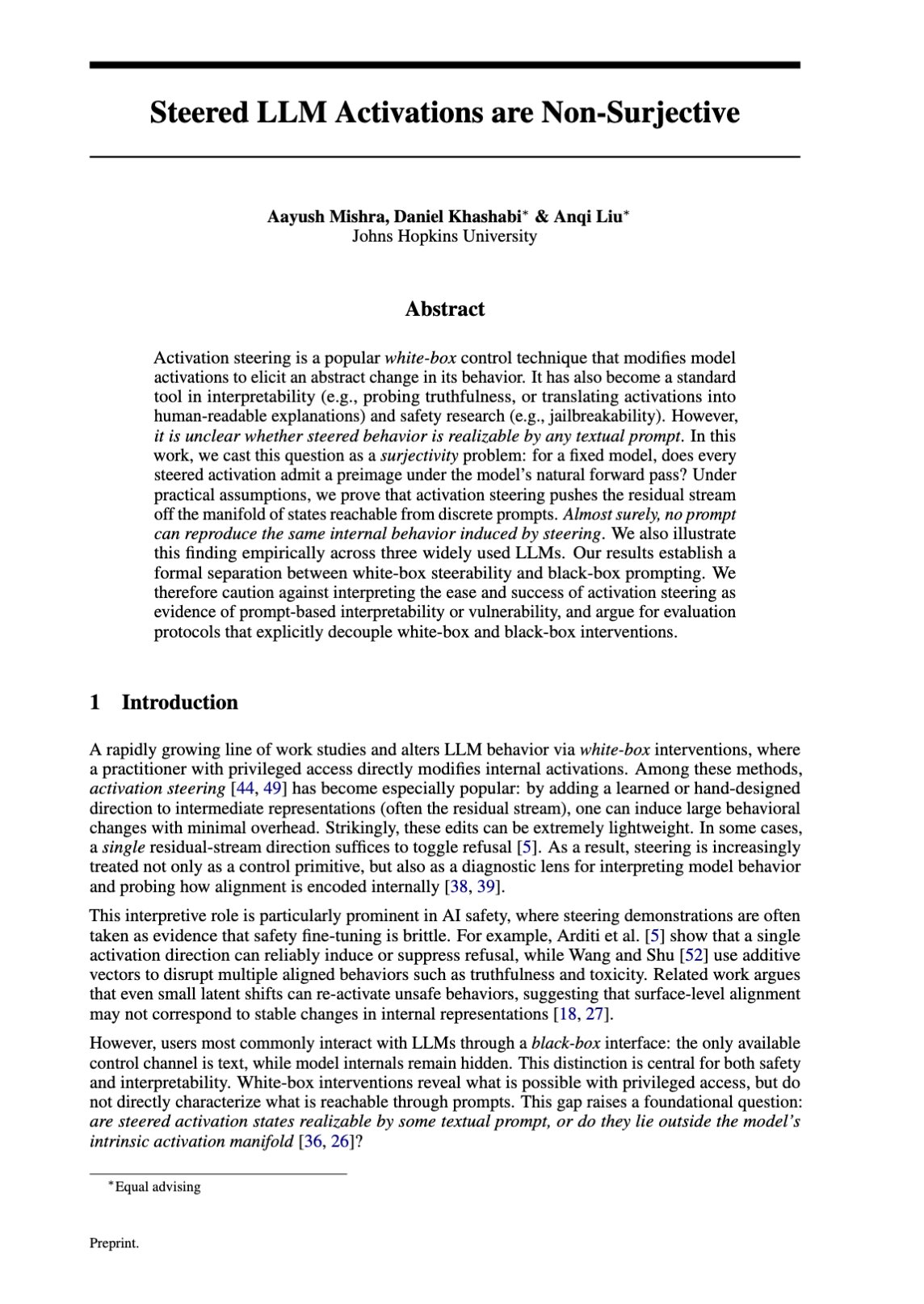
Research on Steered LLM Activations and Manifold Reachability
By
–
"Steered LLM Activations are Non-Surjective" Activation steering can make an LLM behave very differently, but that doesn't mean any prompt could have caused the same internal state. This paper shows steering pushes activations off the prompt-reachable manifold into
-
Training AI models with handwritten data
By
–
we should train the AI models by letting them write things by hand
-
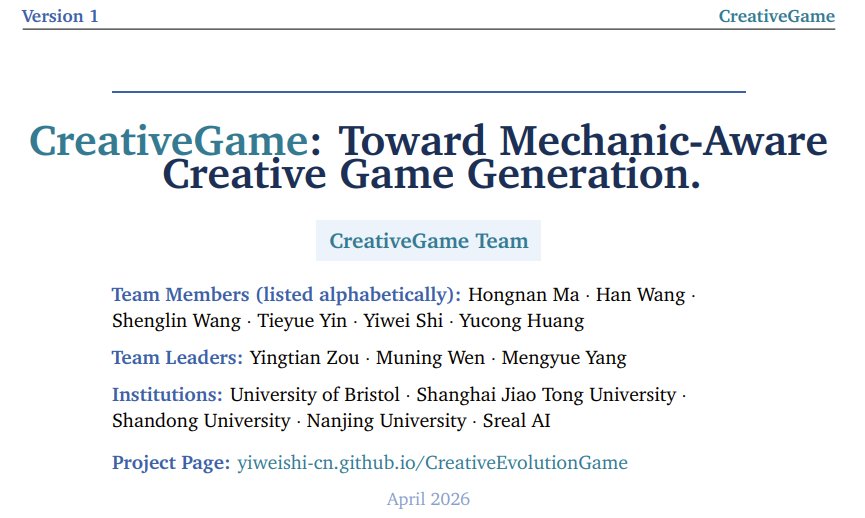
Multi-agent system that iterates on game mechanics
By
–
Can AI truly iterate on game mechanics, not just generate one-off code? CreativeGame Team (Univ. of Bristol, SJTU, Shandong Univ., Nanjing Univ., Sreal AI) built a multi‑agent system that treats game mechanics as explicit objects. It uses programmatic rewards (not subjective
-
SmallCode: A Terminal-Native Coding Agent for Local AI Models
By
–
SmallCode is a terminal-native coding agent designed from the ground up to extract useful work from local models (7B-20B) running on consumer hardware.
-
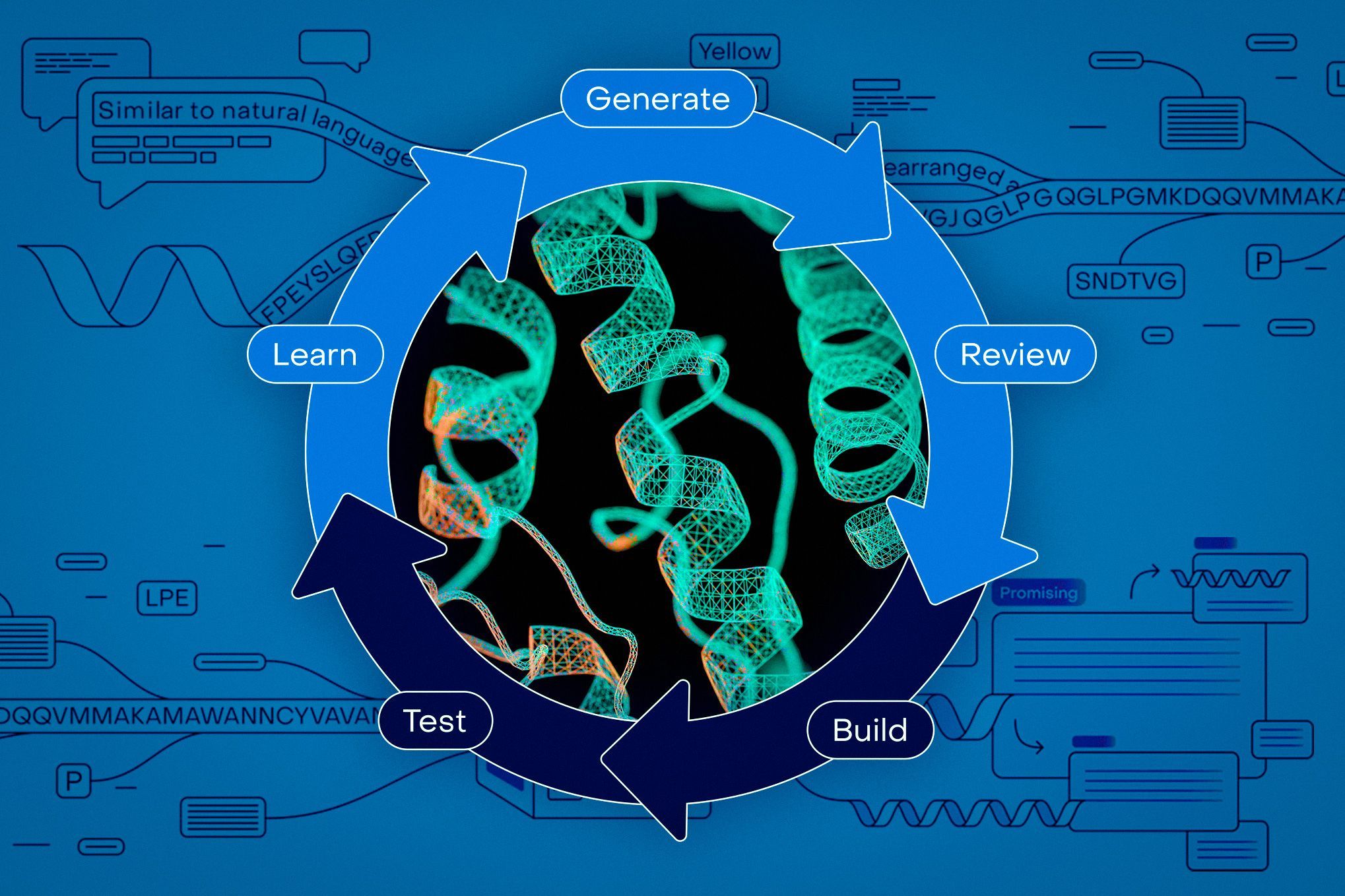
AI-driven protein design tools for biologists from MIT
By
–
Bringing #AI-driven protein-design tools to biologists everywhere
by Zach Winn @MIT Learn more: https://
bit.ly/4ckoT4T #ArtificialIntelligence #MachineLearning #ML -
Preparing datasets for AI model training on Hugging Face
By
–
Add to HF as datasets for people to train models