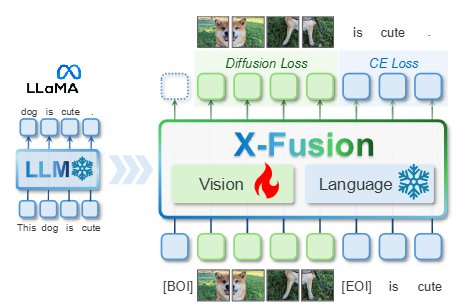
X-Fusion: Introducing New Modality to Frozen Large Language Models X-Fusion is a dual-tower framework that introduces vision capabilities to pretrained large language models (LLMs) without altering their language weights, enabling unified multimodal understanding and generation.
@askalphaxiv
-
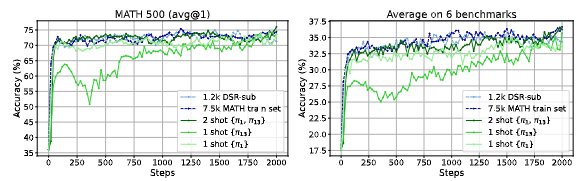
Reinforcement Learning Enhances LLM Mathematical Reasoning
By
–
Reinforcement Learning for Reasoning in Large Language Models with One Training Example This paper demonstrates that Reinforcement Learning with Verifiable Reward (RLVR) using just one training example (1-shot RLVR) can significantly enhance the mathematical reasoning abilities
-
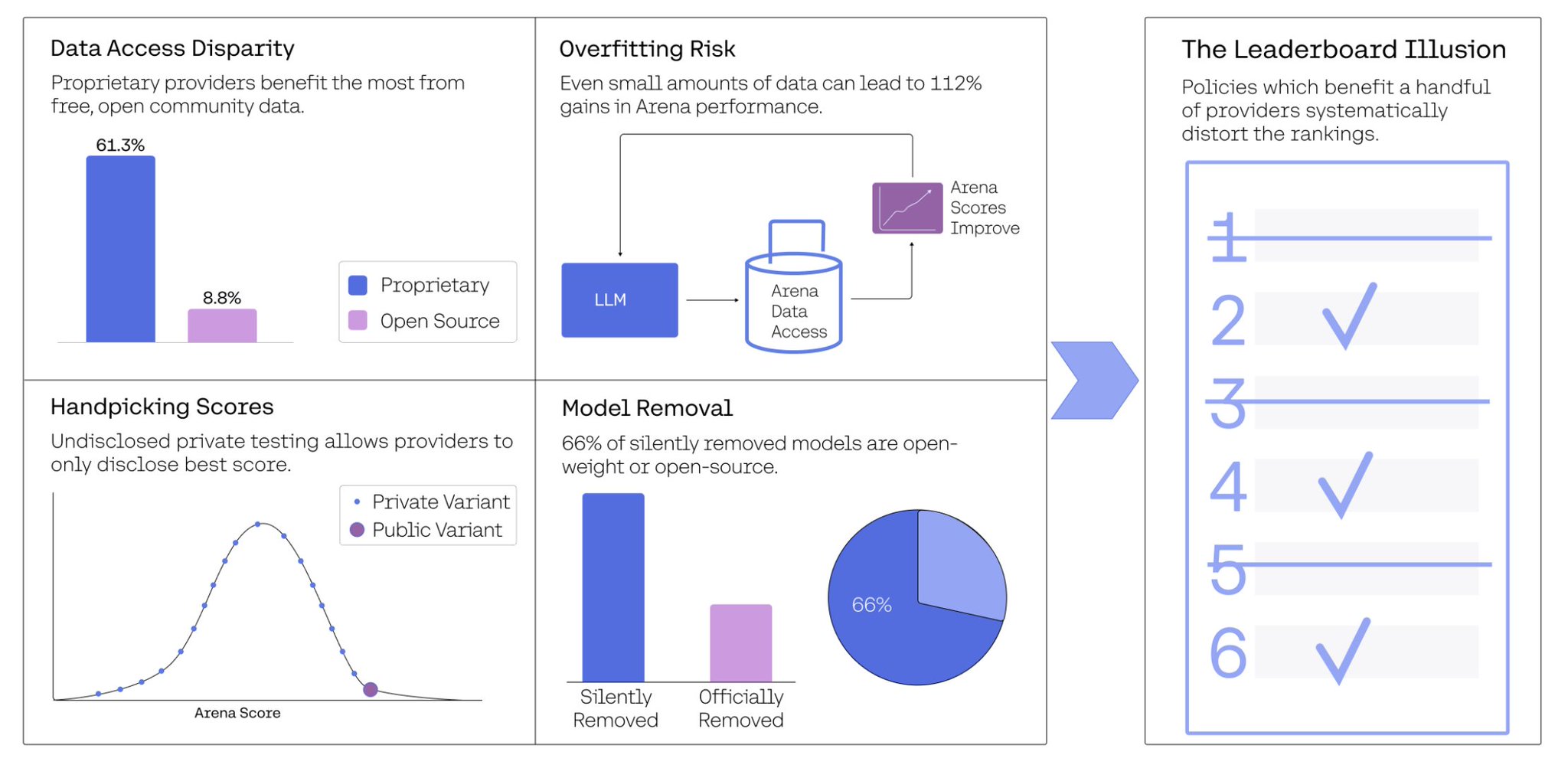
LLM Leaderboards Gaming: Chatbot Arena Scoring Integrity Questioned
By
–
Are LLM leaderboards no longer trustworthy? @cohere
's deep dive reveals how Chatbot Arena scores can be gamed Providers test 10–27 private models & submit the best Proprietary models receive 2–3× more data Rankings may reflect overfitting Trending on alphaXiv -
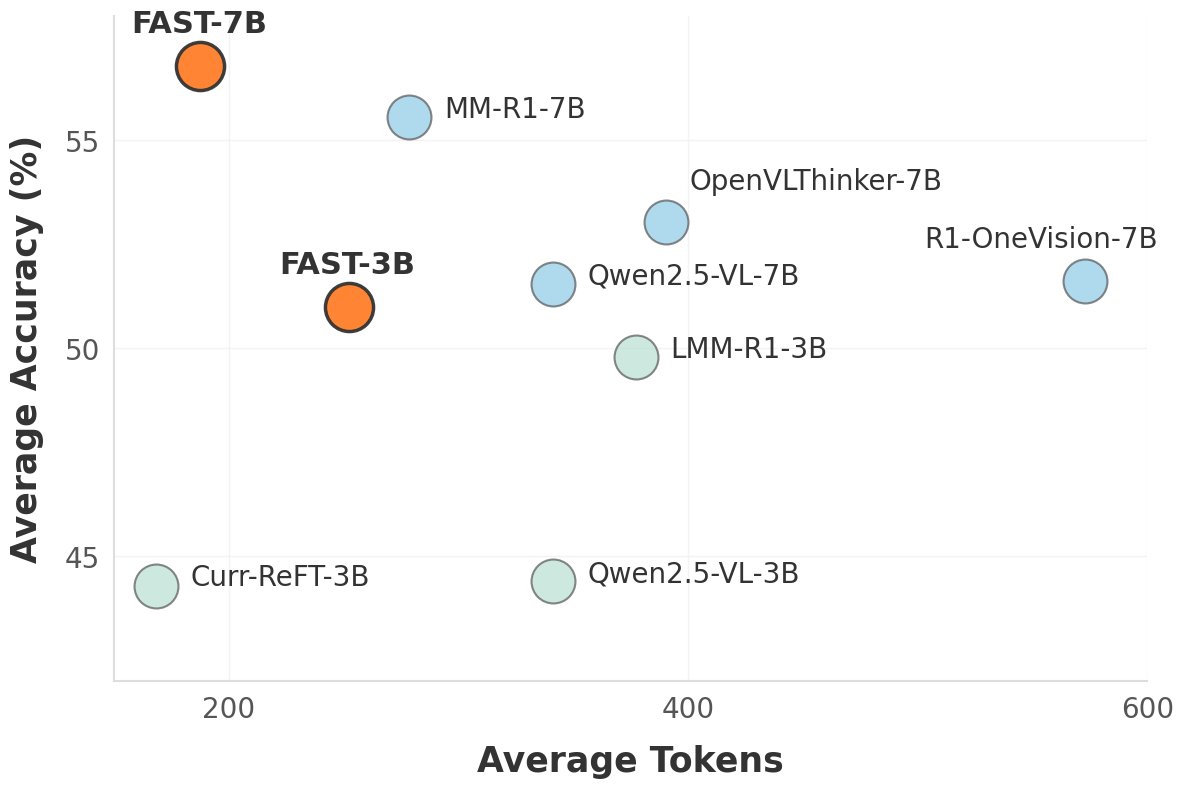
FAST Framework Boosts Multimodal LLM Accuracy While Reducing Tokens
By
–
Multimodal LLMs often "overthink"—producing long, verbose answers even for simple visual questions FAST (Fast-Slow Thinking for LVLMs) achieves SOTA accuracy while slashing token usage +10% accuracy over baselines Up to 67% fewer tokens used Trending on alphaXiv
-

TTRL Boosts LLM Reasoning by 159% Using Unlabeled Test Data
By
–
LLMs usually rely on labeled data to improve But what if they could self-improve at test time — without any labels? Introducing TTRL: a new RL framework that boosts LLM reasoning by up to 159% on the AIME 2024 using just unlabeled test data Trending #1 on alphaXiv
-
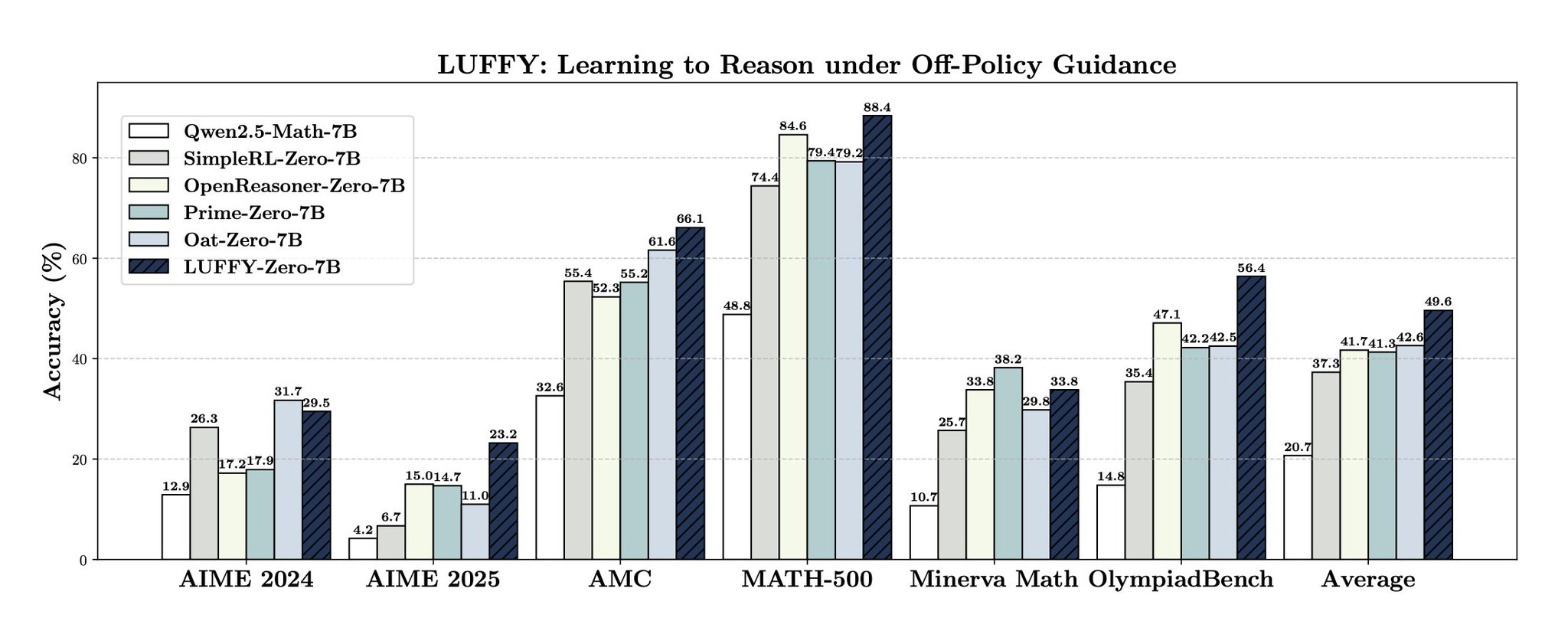
LUFFY Framework Boosts LLM Math Reasoning by Seven Points
By
–
LLMs still struggle with deep reasoning LUFFY is a new framework bridging imitation and exploration by injecting off-policy guidance (like DeepSeek-R1) into zero-RL Boosts math reasoning by 7 points Improves weaker base models like Llama and Qwen Trending on alphaXiv
-

ReDi Framework Improves Image Generation via Joint Feature Synthesis
By
–
Boosting Generative Image Modeling via Joint Image-Feature Synthesis This paper introduces ReDi, a new framework that jointly models low-level VAE latents and high-level semantic features within the diffusion process, significantly improving image generation quality and training
-

LUFFY: Off-Policy Reasoning for Zero-Shot Reinforcement Learning
By
–
Learning to Reason under Off-Policy Guidance This paper presents LUFFY (Learning to reason Under oFF-policY guidance), a framework that improves zero-shot reinforcement learning (zero-RL) by incorporating off-policy reasoning traces alongside on-policy exploration, enabling
-

Data Scaling Laws for End-to-End Autonomous Driving Systems
By
–
Data Scaling Laws for End-to-End Autonomous Driving This paper explores how scaling training data affects performance in end-to-end autonomous driving systems, evaluating data efficiency and scaling laws with a unified, differentiable model. Problem: Modular autonomous driving
-

VideoChat-R1: Spatio-Temporal Perception via Reinforcement Fine-Tuning
By
–
Chat-R1: Enhancing Spatio-Temporal Perception via Reinforcement Fine-Tuning This paper explores the use of Reinforcement Fine-Tuning (RFT) with Group Relative Policy Optimization (GRPO) to enhance spatio-temporal perception in video multimodal large language models (MLLMs),