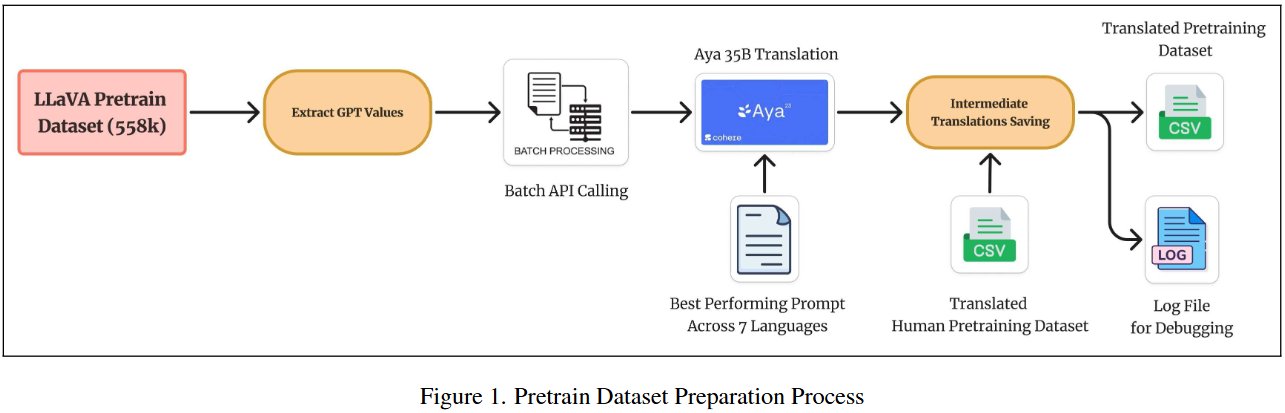
Behind Maya: Building a Multilingual Vision Language Model This paper introduces Maya, an open-source multilingual Vision-Language Model (VLM) designed to enhance performance on vision-language tasks across eight diverse languages. Maya addresses the underperformance of existing
@askalphaxiv
-
Open-Source Edge Computing Simulators: Classification and Evaluation
By
–
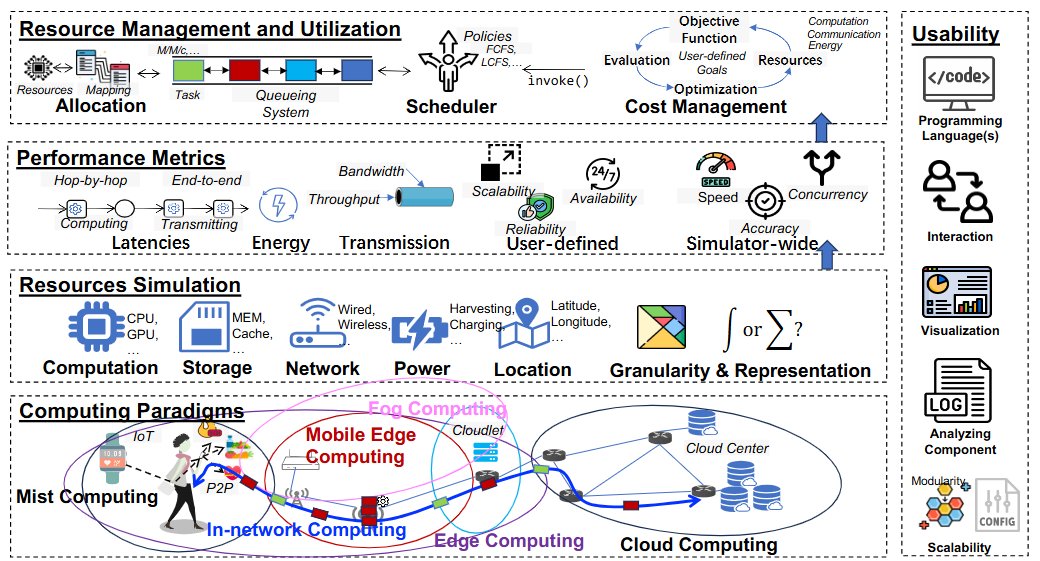
A Survey on Open-Source Edge Computing Simulators and Emulators: The Computing and Networking Convergence Perspective This survey provides a comprehensive classification and evaluation of 40+ open-source edge computing simulators and emulators, emphasizing the convergence of
-
MiMo-7B: Reasoning-Optimized Language Model Outperforms Larger Models
By
–
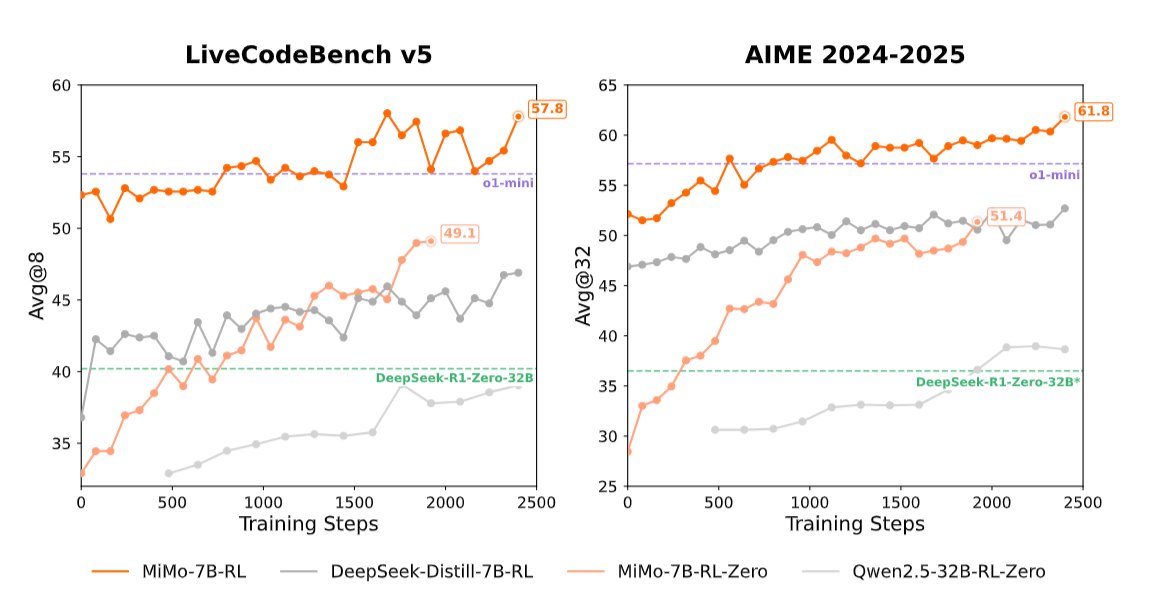
MiMo: Unlocking the Reasoning Potential of Language Model — From Pretraining to Posttraining MiMo-7B is a reasoning-centric LLM series optimized from pretraining through posttraining, achieving state-of-the-art performance on math and code tasks—even outperforming models 4× its
-

Contexture Theory: Understanding Foundation Model Representation Learning
By
–
Contextures: The Mechanism of Representation Learning This work introduces contexture theory, a unified mathematical framework that explains what foundation models actually learn during pretraining and why these learned representations generalize to diverse downstream tasks.
-
I-Con: Unified Framework Connects 23 Representation Learning Methods
By
–
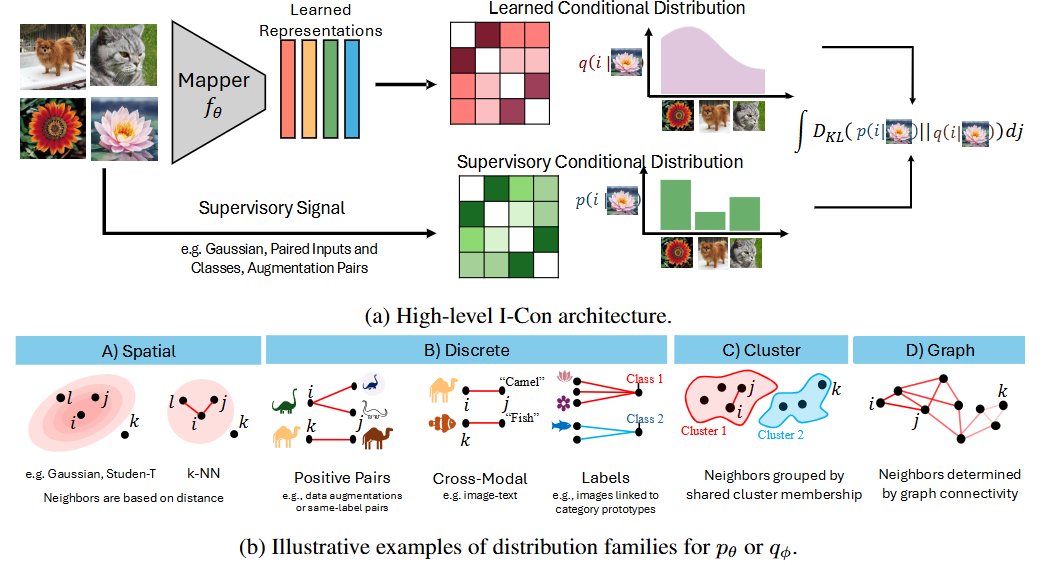
I-Con: A Unifying Framework for Representation Learning I-Con introduces a single, unified information-theoretic framework that reveals a deep connection between over 23 different representation learning methods, showing they all minimize a form of KL divergence between
-

Prisma: Open Source Mechanistic Interpretability Toolkit for Vision
By
–
Prisma: An Open Source Toolkit for Mechanistic Interpretability in Vision and Prisma is an open-source toolkit that brings powerful mechanistic interpretability tools—previously focused on language models—into the vision and video domain, enabling large-scale analysis and
-

WebThinker: Deep Research Agent for Large Reasoning Models
By
–
WebThinker: Empowering Large Reasoning Models with Deep Research Capability WebThinker is a deep research agent that enhances large reasoning models (LRMs) by enabling them to autonomously search the web, navigate pages, and write research reports in real time—overcoming the
-
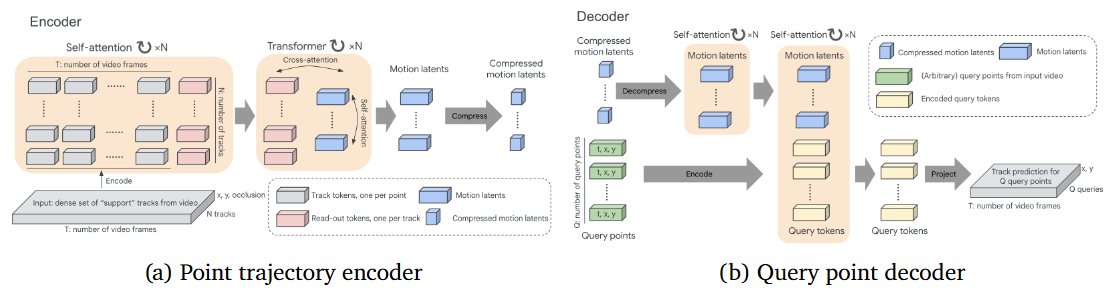
TRAJAN: Motion-Centric Evaluation for Generative Video Models
By
–
Direct Motion Models for Assessing Generated Videos This paper introduces TRAJAN, a new motion-centric evaluation method for generative video models that captures temporal inconsistencies more effectively than metrics like Fréchet Distance (FVD), enabling both
-

Mem0: Scalable Long-Term Memory for Production AI Agents
By
–
Mem0: Building Production-Ready AI Agents with Scalable Long-Term Memory The paper introduces Mem0, a scalable memory architecture for AI agents that enables long-term conversational coherence by dynamically extracting, consolidating, and retrieving salient information across
-
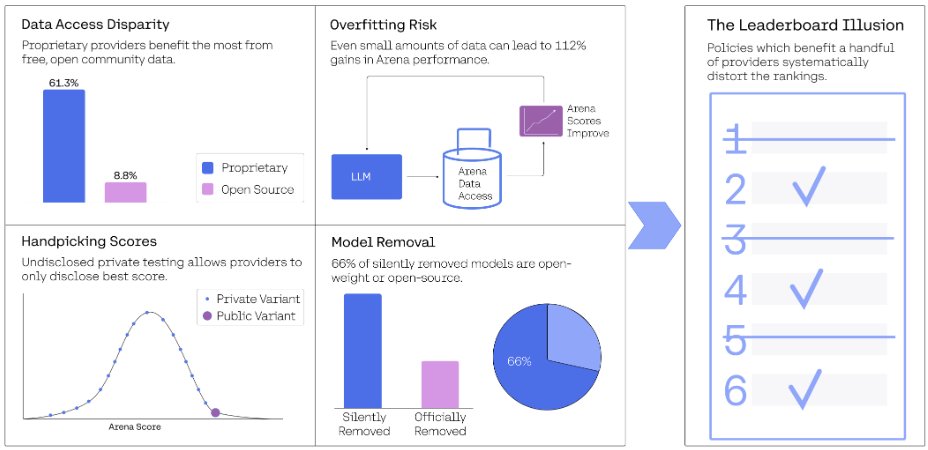
Chatbot Arena Leaderboard Biases Distort LLM Quality Perception
By
–
The Leaderboard Illusion This study investigates structural biases in Chatbot Arena, a widely used leaderboard for evaluating large language models (LLMs), revealing how selective testing practices and data access asymmetries distort perceptions of model quality. Problem: While