We convert LLMs into chatbots by using markers, eg User and Assistant: User: What's the capital of France?
Assistant: Paris.
User: What did I just say? the "I just said" attribution works because the tokens are cleanly labeled with role markers. But strip the markers and
RESEARCH
-
Token Role Markers Enable Context Attribution in LLM Chatbots
By
–
-
Kimi K2.6: 1T-Parameter Open Model Achieves Agentic Coding
By
–
Kimi K2.6 is live on Replicate. @Kimi_Moonshot 's new 1T-parameter open model ran autonomously for 13 hours to refactor an 8-year-old trading engine — 4,000+ lines, 1,000+ tool calls, 185% throughput gain. Open weights. Agentic coding that actually finishes.
-

CoInteract: Physically-Consistent Human-Object Interaction Video Synthesis
By
–
CoInteract
— AK (@_akhaliq) 22 avril 2026
Physically-Consistent Human-Object Interaction Video Synthesis via Spatially-Structured Co-Generation
paper: https://t.co/sqbYFatpqg pic.twitter.com/ZSRChCRfpKCoInteract Physically-Consistent Human-Object Interaction Synthesis via Spatially-Structured Co-Generation paper: https://
huggingface.co/papers/2604.19
636
… -
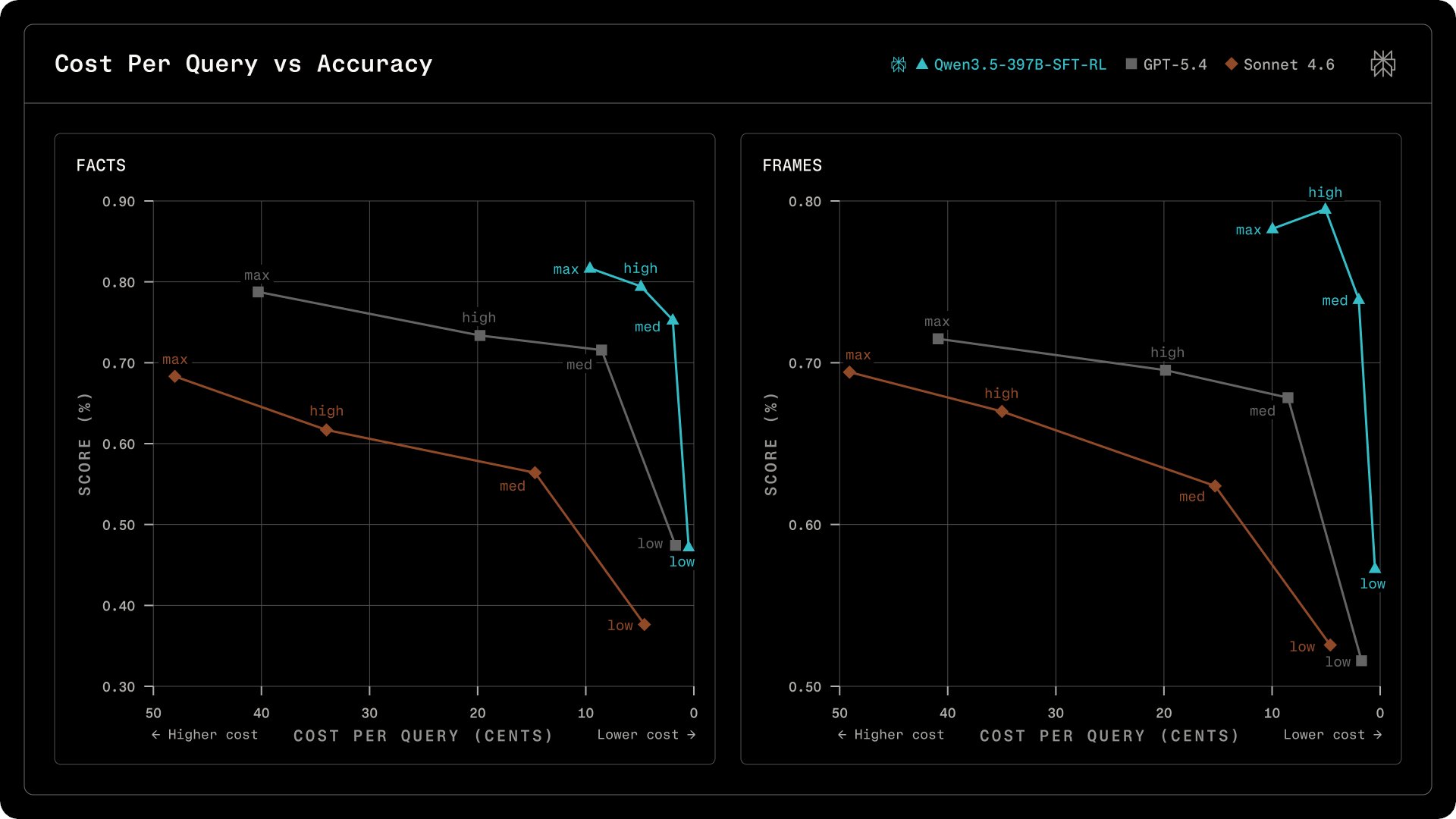
Qwen-based Model Achieves Pareto Optimality in Accuracy-Cost
By
–
We’ve post trained a model on top of Qwen that achieves Pareto optimality on accuracy-cost curves. Unlike our previous post trained models, this model has been trained to be good at search and tool calls simultaneously, allowing us to unify the tool call router and
-
Perplexity’s Pipeline Improves Base Model Accuracy and Efficiency
By
–
This pipeline is why the same base model produces more accurate, better-cited, and more efficient answers inside Perplexity than out of the box. Read our research:
-

Reward Design Balances Correctness Preference Efficiency
By
–
Our reward design combines correctness, preference, and efficiency. Preference only counts when the answer is correct. This keeps the model from optimizing for better-sounding wrong answers.
-

Fine-tuning and On-Policy RL for Model Optimization
By
–
We first fine-tune the model to follow instructions, stay within guardrails, and keep language consistent. Then we run on‑policy RL to improve search accuracy and tool efficiency while preserving those behaviors.
-
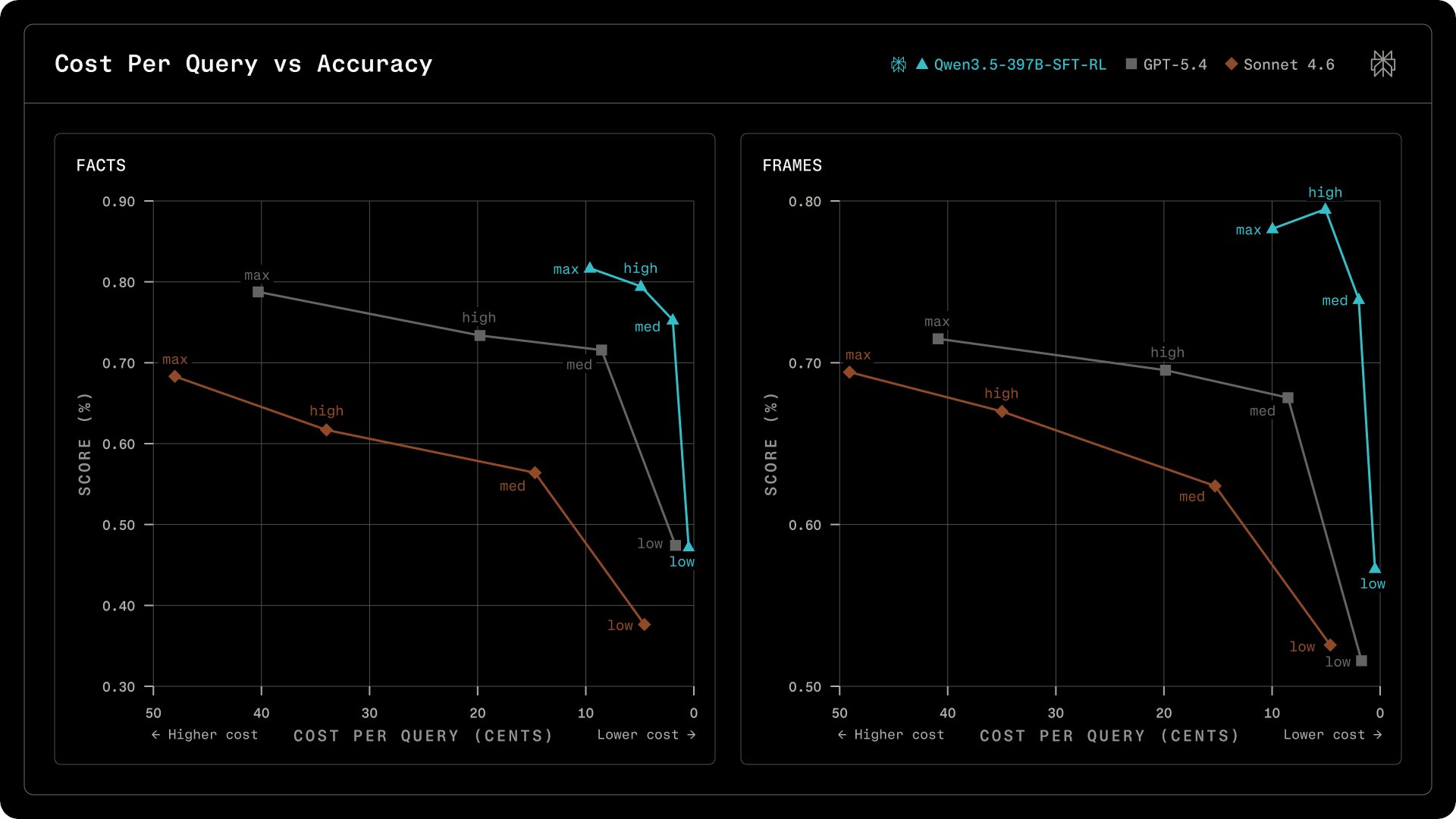
New Research: SFT+RL Pipeline Boosts Search-Augmented AI Accuracy
By
–
We've published new research on how we post-train models for accurate search-augmented answers. Our SFT + RL pipeline improves search, citation quality, instruction following, and efficiency. With Qwen models, we match or beat GPT models on factuality at a lower cost.
-
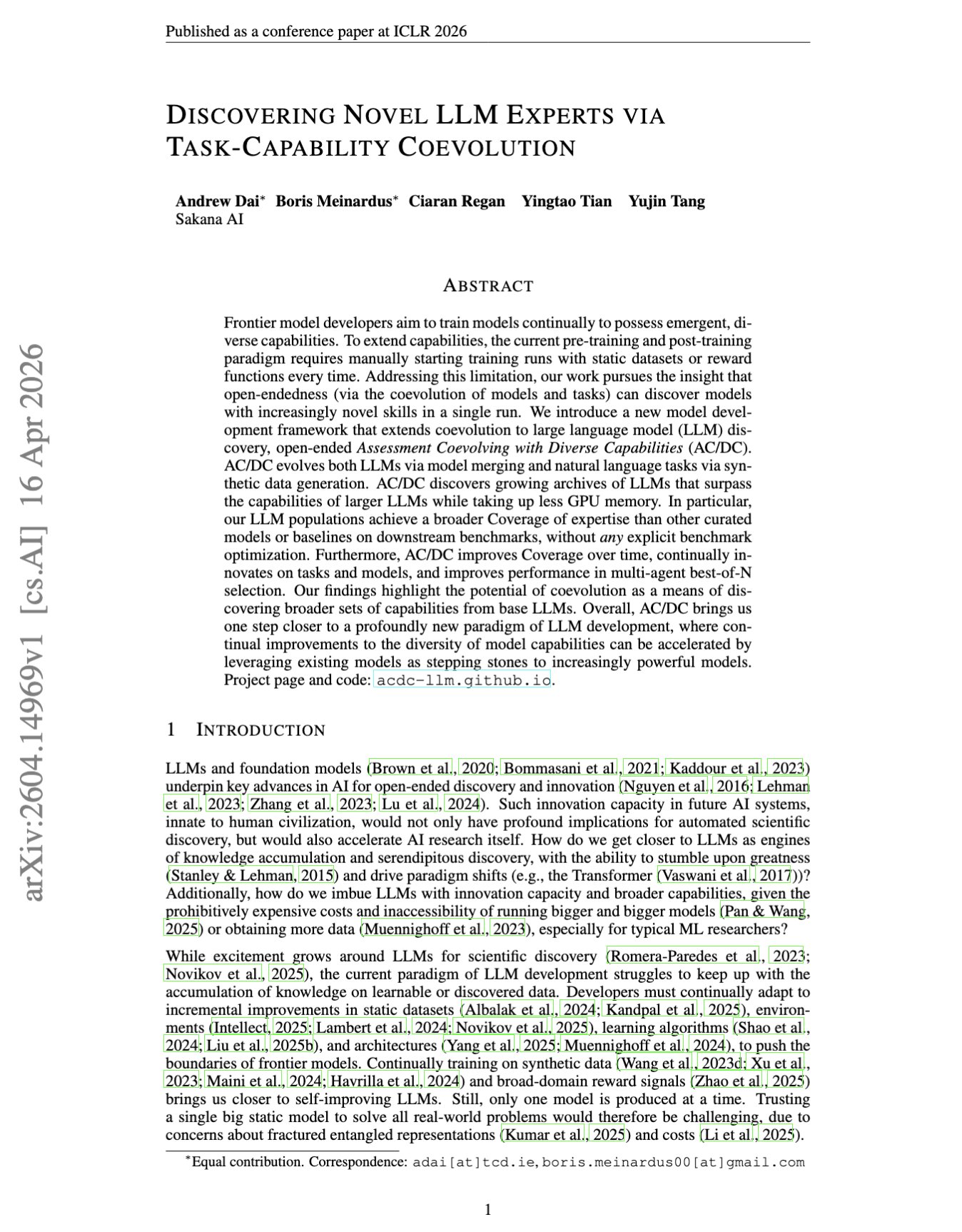
Discovering Novel LLM Experts via Task-Capability Coevolution
By
–
Most LLM development still optimizes one model at a time. So this paper from Sakana AI proposes AC/DC (Assessment Coevolving with Diverse Capabilities), where models and tasks evolve together. The main idea is
-
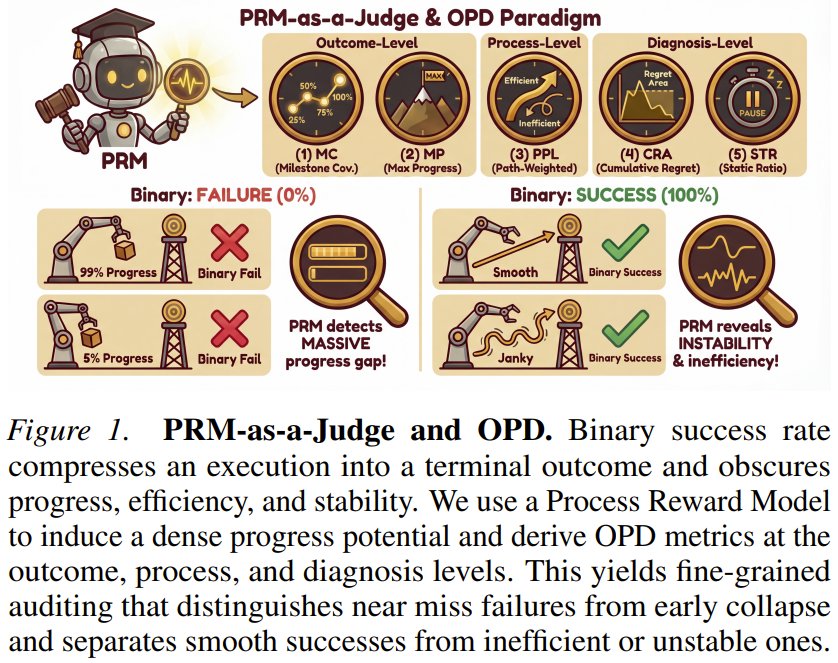
Process Reward Models Grade Robot Performance Like Sports Replay
By
–
What if we could audit a robot's performance like a sports replay, grading every move, not just the final score? Researchers from Peking University, Chinese Academy of Sciences, and the Beijing Academy of AI present PRM-as-a-Judge. They use a "Process Reward Model" to watch a