RLDX-1 Technical Report
— AK (@_akhaliq) 7 mai 2026
paper: https://t.co/K5CfQLJNEO pic.twitter.com/7N5bEKem4y
RLDX-1 Technical Report
paper:
https://
huggingface.co/papers/2605.03
269
…
By
–
RLDX-1 Technical Report
— AK (@_akhaliq) 7 mai 2026
paper: https://t.co/K5CfQLJNEO pic.twitter.com/7N5bEKem4y
RLDX-1 Technical Report
paper:
https://
huggingface.co/papers/2605.03
269
…
By
–
The four benefits in order of impact: 1. Prevents overfitting (the big one)
2. Adversarial robustness
3. Augments small datasets
4. Softer decision boundaries Used by experts. Skipped by most novices. Don't be a novice.
By
–
AI-driven R&D We expect AI systems to contribute more and more to AI R&D: that is, to be able to improve themselves. We’re researching techniques to ensure human visibility into and control over these systems.
By
–
We’re sharing the research agenda of The Anthropic Institute, or TAI. TAI will focus on four areas: 1) Economic diffusion
2) Threats and resilience
3) AI systems in the wild
4) AI-driven R&D Read the full agenda:
By
–
Message from @rheimann … “I put together a short benchmark based on Sutskever’s List that tries to test actual understanding. Thought you might find it interesting”:
By
–
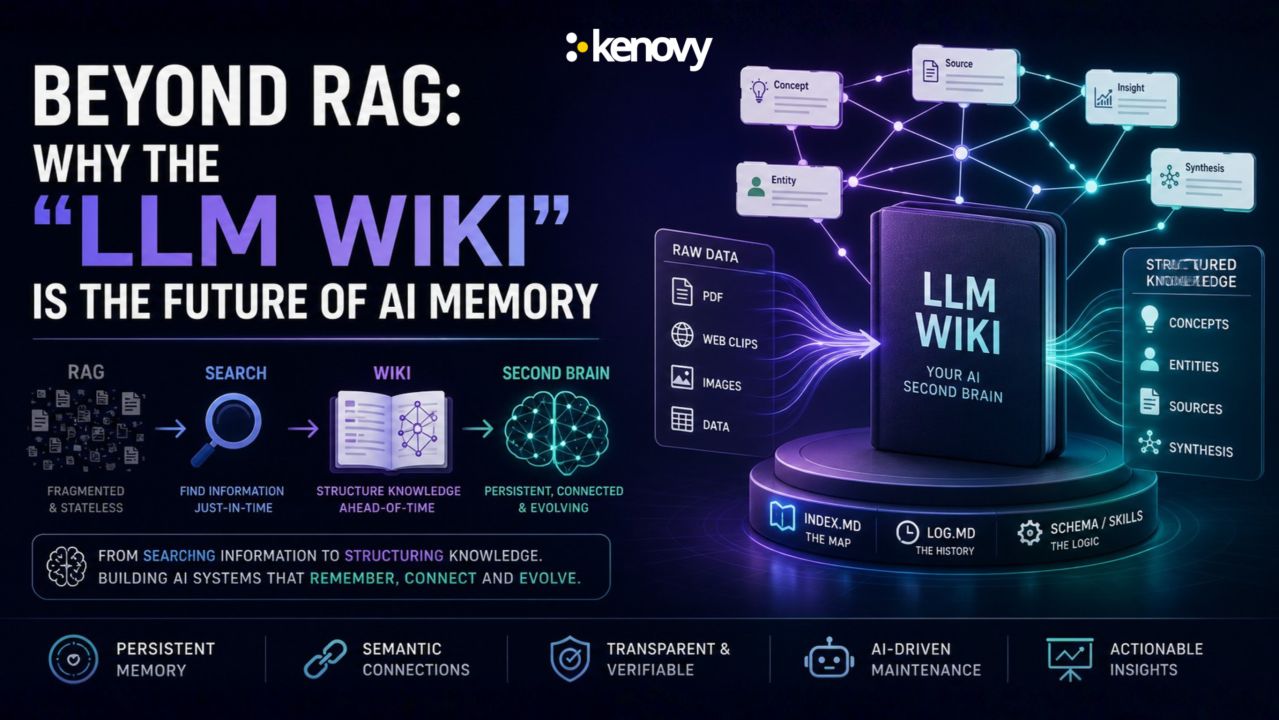
RAG is already becoming the “old way” The future of AI memory is not retrieval.
It’s compilation. Here’s the shift in one sentence: From searching information To structuring knowledge The new model? LLM Wiki Instead of: Chunking documents Running similarity
By
–
Labs; “we will have a nation of geniuses in a data center by 2028, capable of beating humans at every task, but you will need to hire our newly trained forward-deployed engineers for a six month engagement to deploy them to a single project”
By
–
By
–
I think one of the biggest problems in AI right now is not lack of information. It is too much shallow information delivered with too much confidence. That is exactly what I want this series to fight.
By
–
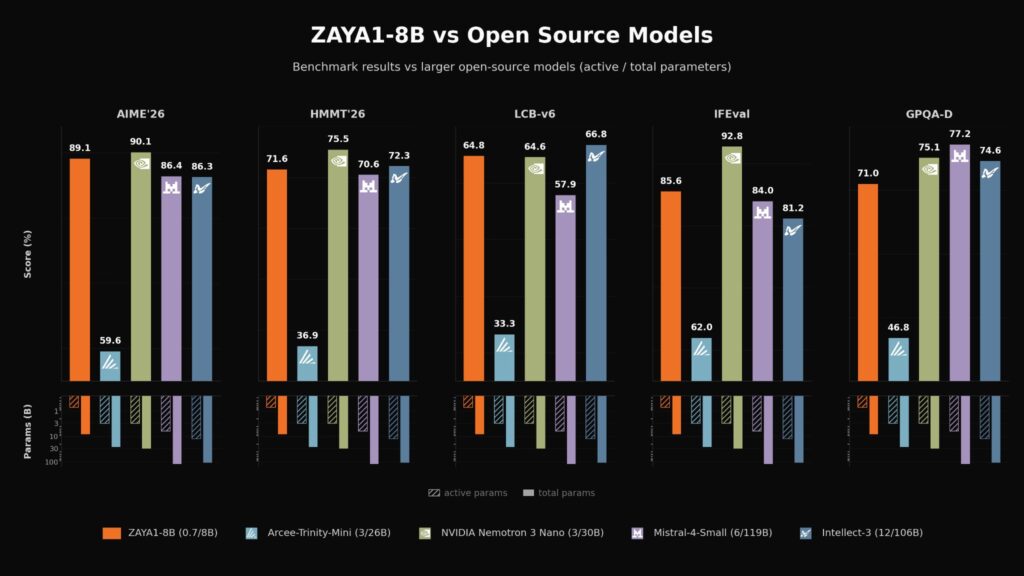
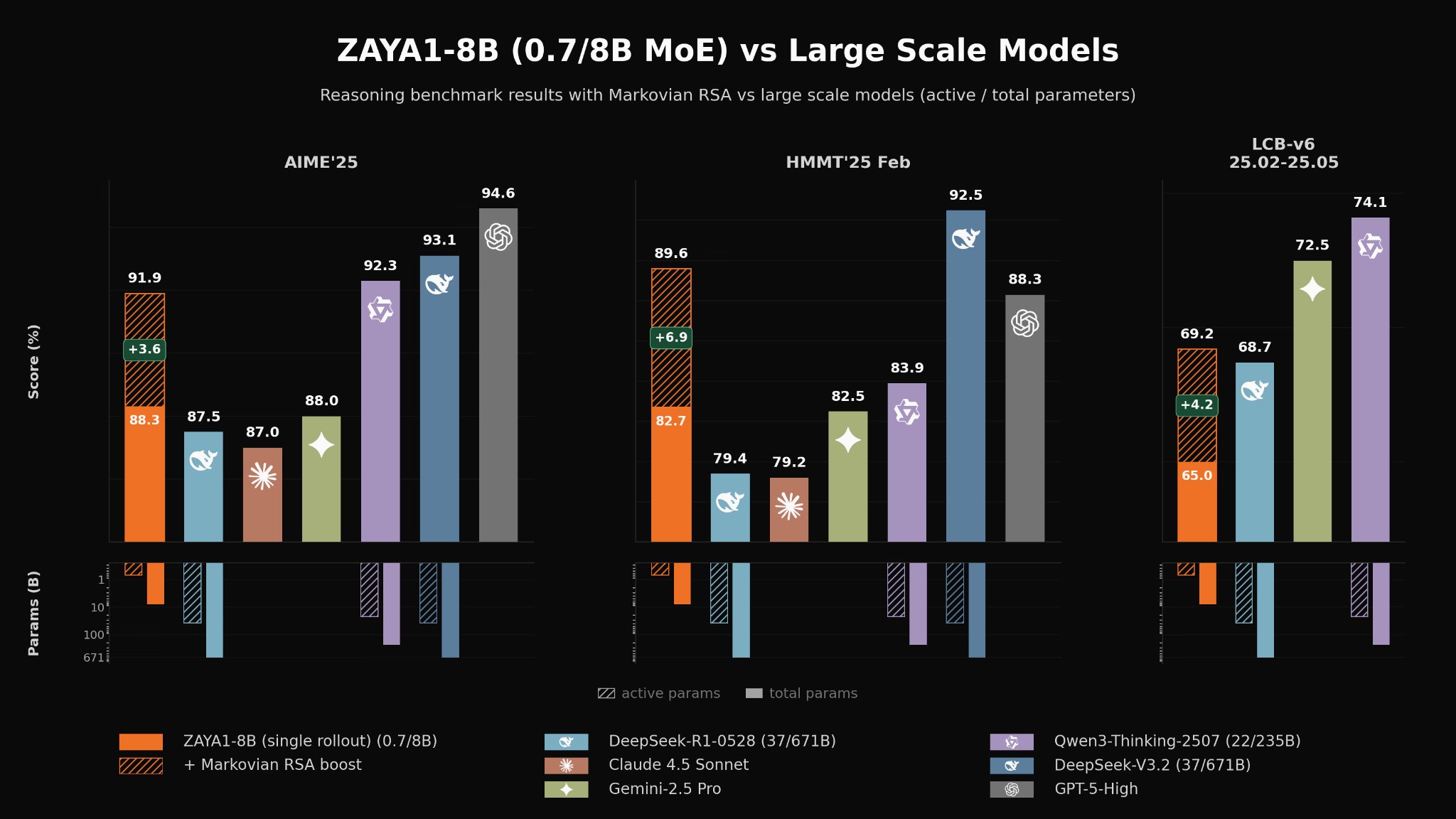
Zyphra under 1B active parameters, AMD-Trained, big evals, look strong? Zyphra says its new ZAYA1-8B model delivers unusually high reasoning power for its size, using under 1 billion (!) active parameters while competing with much larger open-weight and proprietary systems on