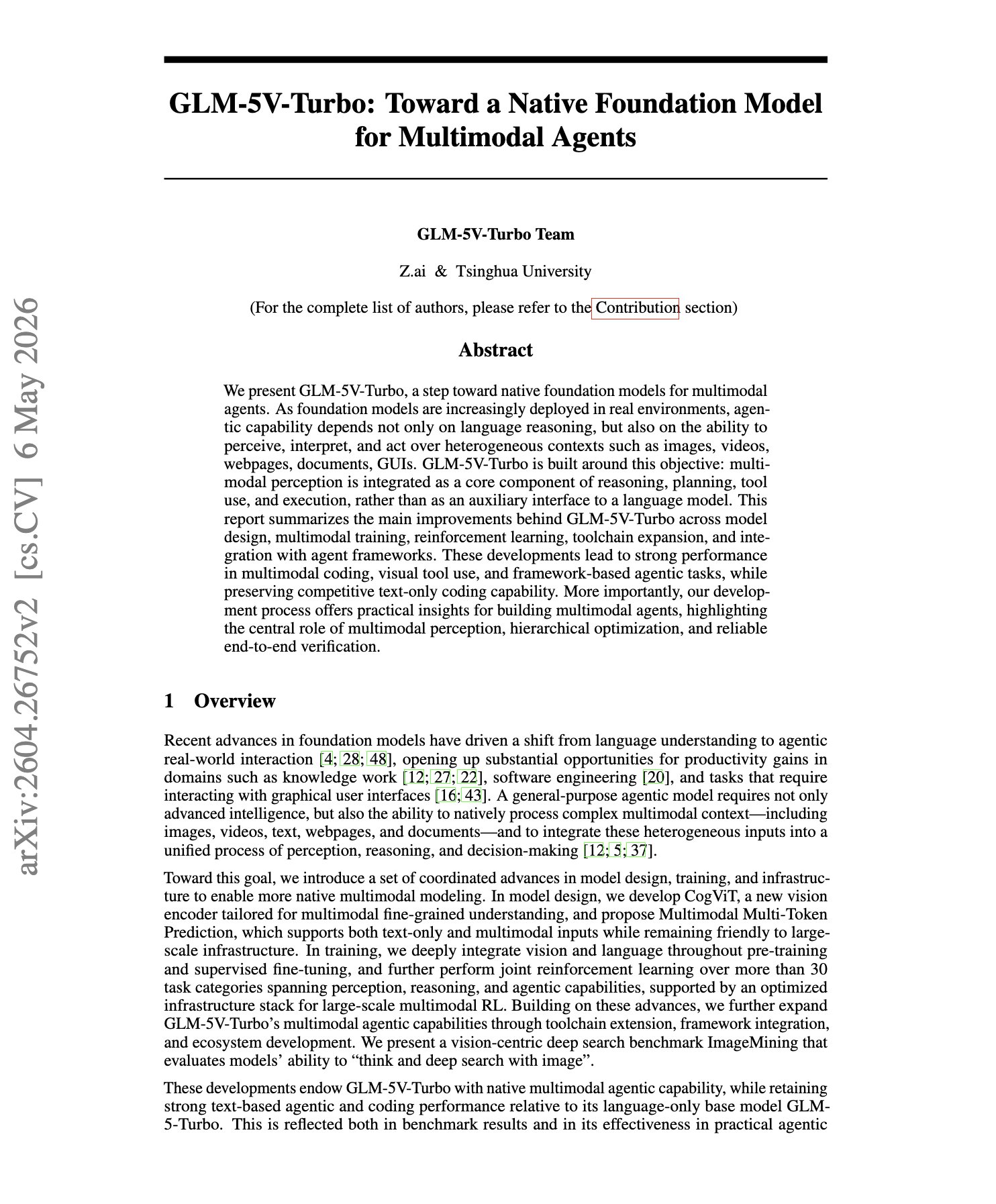
“GLM-5V-Turbo: Toward a Native Foundation Model for Multimodal Agents” Most multimodal agents today are still basically text agents with vision adapters, and a lot of reasoning failures are actually the model failing to see the interface, layout, chart, or object correctly.
RESEARCH
-
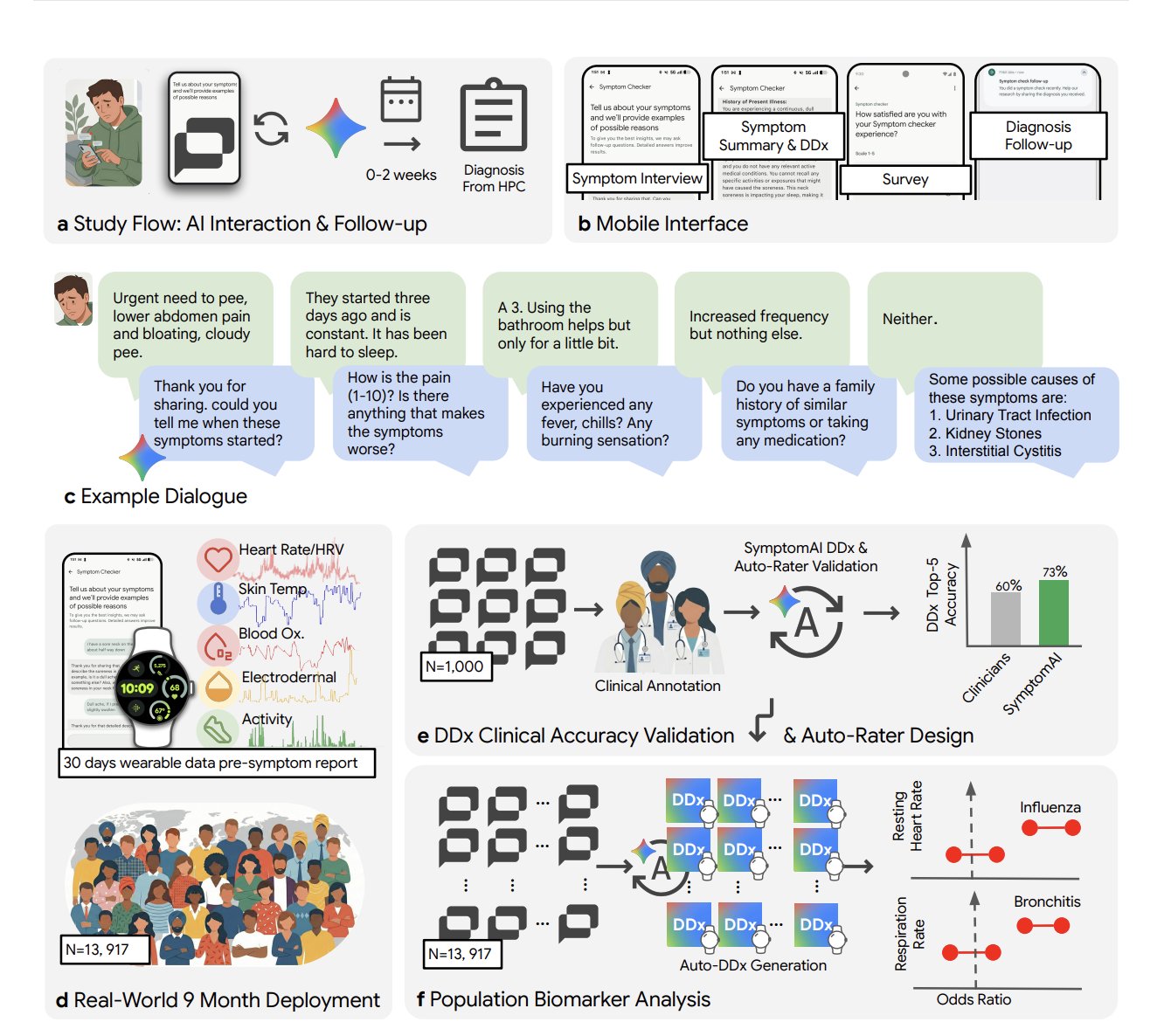
Google’s AI symptom checker outperforms clinicians in 53% of cases
By
–

Reserach scientists at Google just tested an AI symptom checker on 14,000 real patients over 9 months via Fitbit. In blinded evaluation, clinicians ranked the AI diagnosis as #1 in 53% of cases. Independent physicians: 24%. But the real finding isn't "AI beats doctors.", but
-
OpenAI Releases Three New Voice Models
By
–
🔴 ¡NUEVOS MODELOS de VOZ de OPENAI!
— Carlos Santana (@DotCSV) 7 mai 2026
Tres nuevos modelos de voz en tiempo real:
👉GPT-Realtime-2: Primer modelo de voz con el razonamiento de GPT-5!
👉GPT‑Realtime‑Translate: Traducción en tiempo real
👉GPT‑Realtime‑Whisper: STT en tiempo realpic.twitter.com/SI0HCKZ4ULNEW VOICE MODELS FROM OPENAI! Three new real-time voice models: GPT-Realtime-2: First voice model with GPT-5 reasoning! GPT‑Realtime‑Translate: Real-time translation GPT‑Realtime‑Whisper: Real-time STT
-
OpenAI announces GPT-Realtime-2, Translate, and Whisper models
By
–
OpenAI just dropped three new realtime voice models: -GPT-Realtime-2 (with GPT-5-class reasoning for voice agents that can actually think mid-conversation), – GPT-Realtime-Translate (live translation across 70+ input languages), and – GPT-Realtime-Whisper (streaming
-
Release of NLAs on Open Models for Researchers
By
–
To support other researchers getting hands-on experience with NLAs, we’ve partnered with Neuronpedia to release NLAs on open models. Try them out here:
-
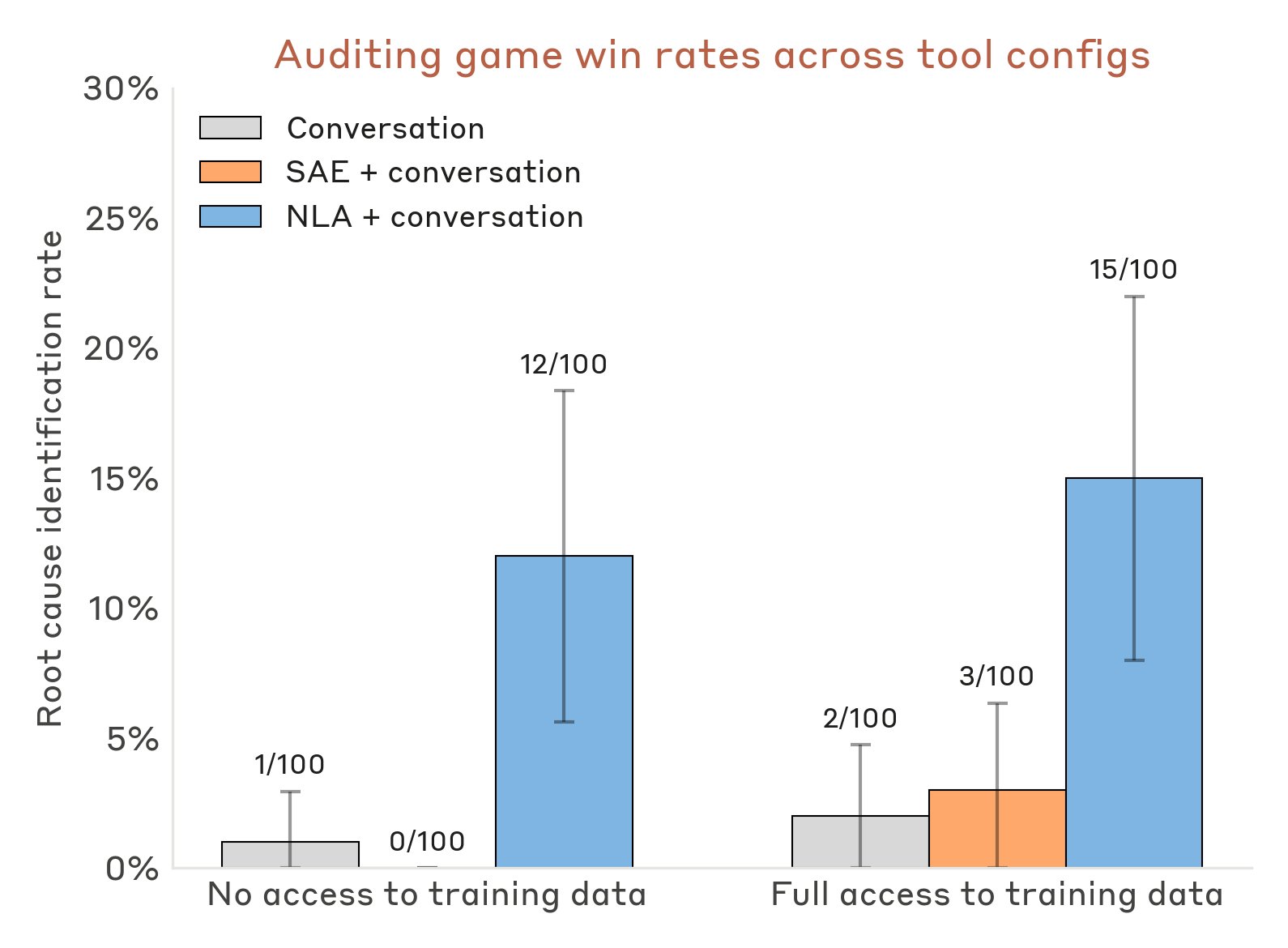
NLA helps reveal hidden motivations in AI model Claude
By
–
NLA training doesn’t guarantee that explanations are faithful descriptions of Claude’s thoughts. But based on experience and experimental evidence, we think they often are. For instance, we find that NLAs help discover hidden motivations in an intentionally misaligned model.
-
How Neural Language Analyzers Work
By
–
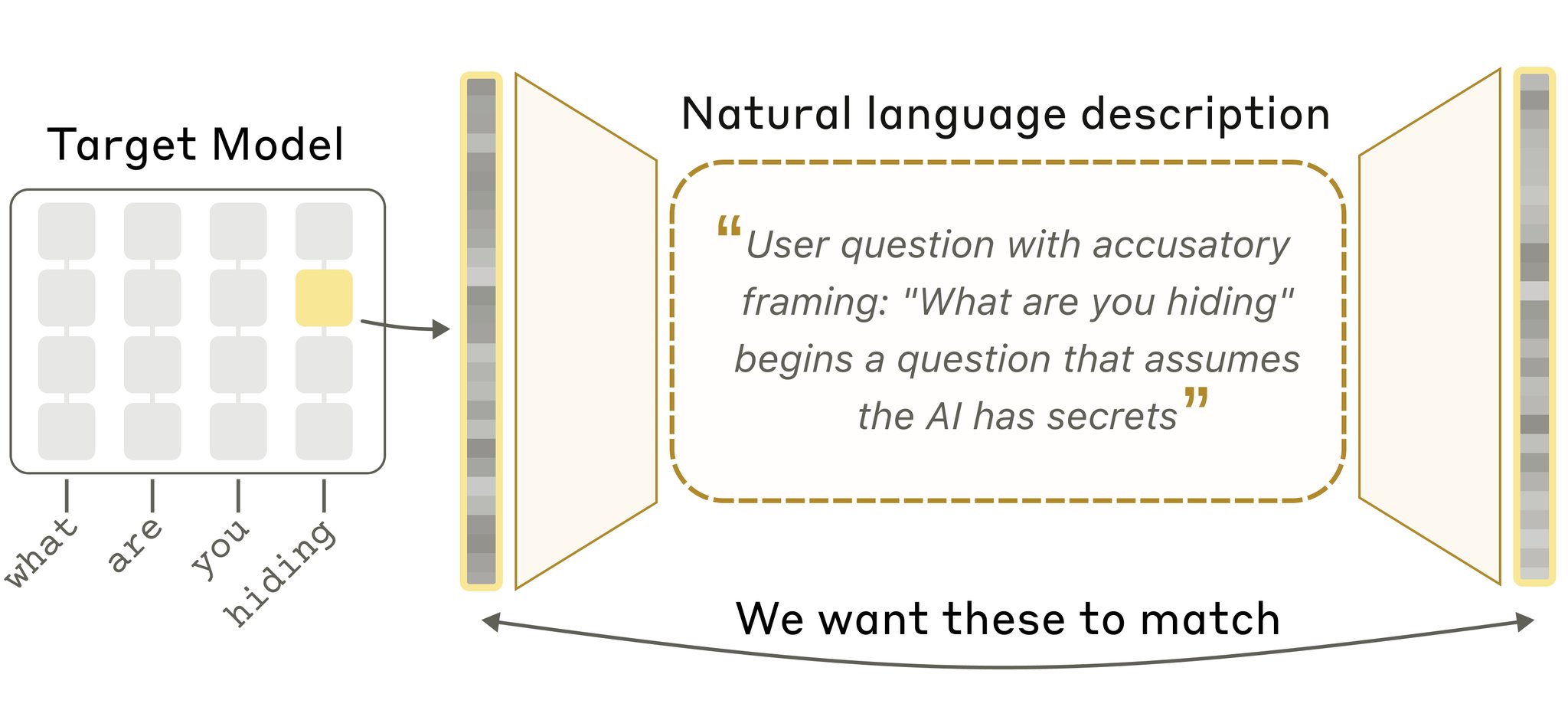
How do NLAs work? An NLA consists of two models. One converts activations into text. The other tries to reconstruct activations from this text. We train the models together to make this reconstruction accurate. This incentivizes the text to capture what’s in the activation.
-
Natural Language Autoencoders Explain AI Activations
By
–
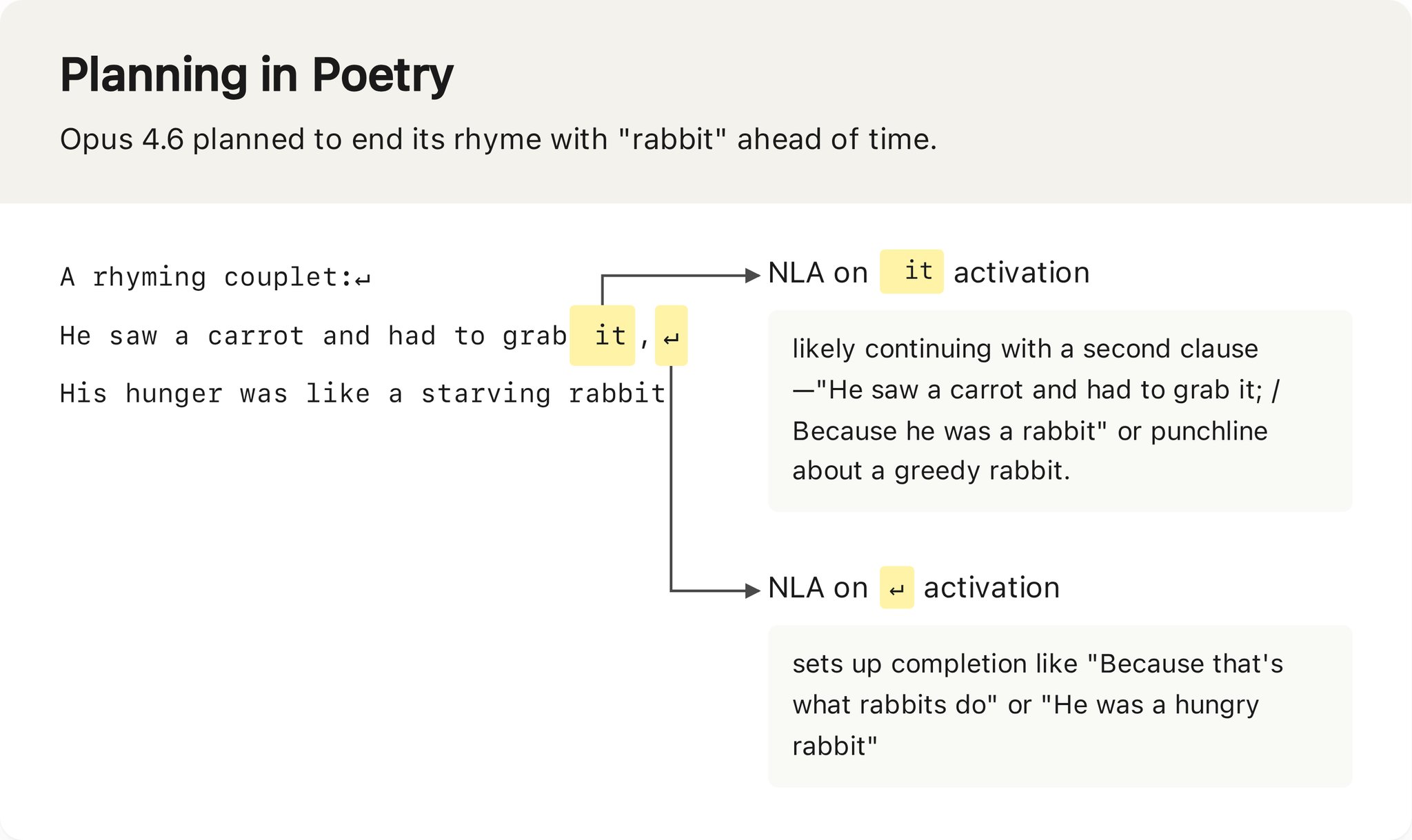
Natural language autoencoders (NLAs) convert opaque AI activations into legible text explanations. These explanations aren’t perfect, but they’re often useful. For example: NLAs show that, when asked to complete a couplet, Claude plans possible rhymes in advance:
-
Anthropic Research on Natural Language Autoencoders
By
–
New Anthropic research: Natural Language Autoencoders.
— Anthropic (@AnthropicAI) 7 mai 2026
Models like Claude talk in words but think in numbers. The numbers—called activations—encode Claude’s thoughts, but not in a language we can read.
Here, we train Claude to translate its activations into human-readable text. pic.twitter.com/pMLsxM2VAONew Anthropic research: Natural Language Autoencoders. Models like Claude talk in words but think in numbers. The numbers—called activations—encode Claude’s thoughts, but not in a language we can read. Here, we train Claude to translate its activations into human-readable text.
-
Multi-agent research adds verifiers for code execution and repair
By
–
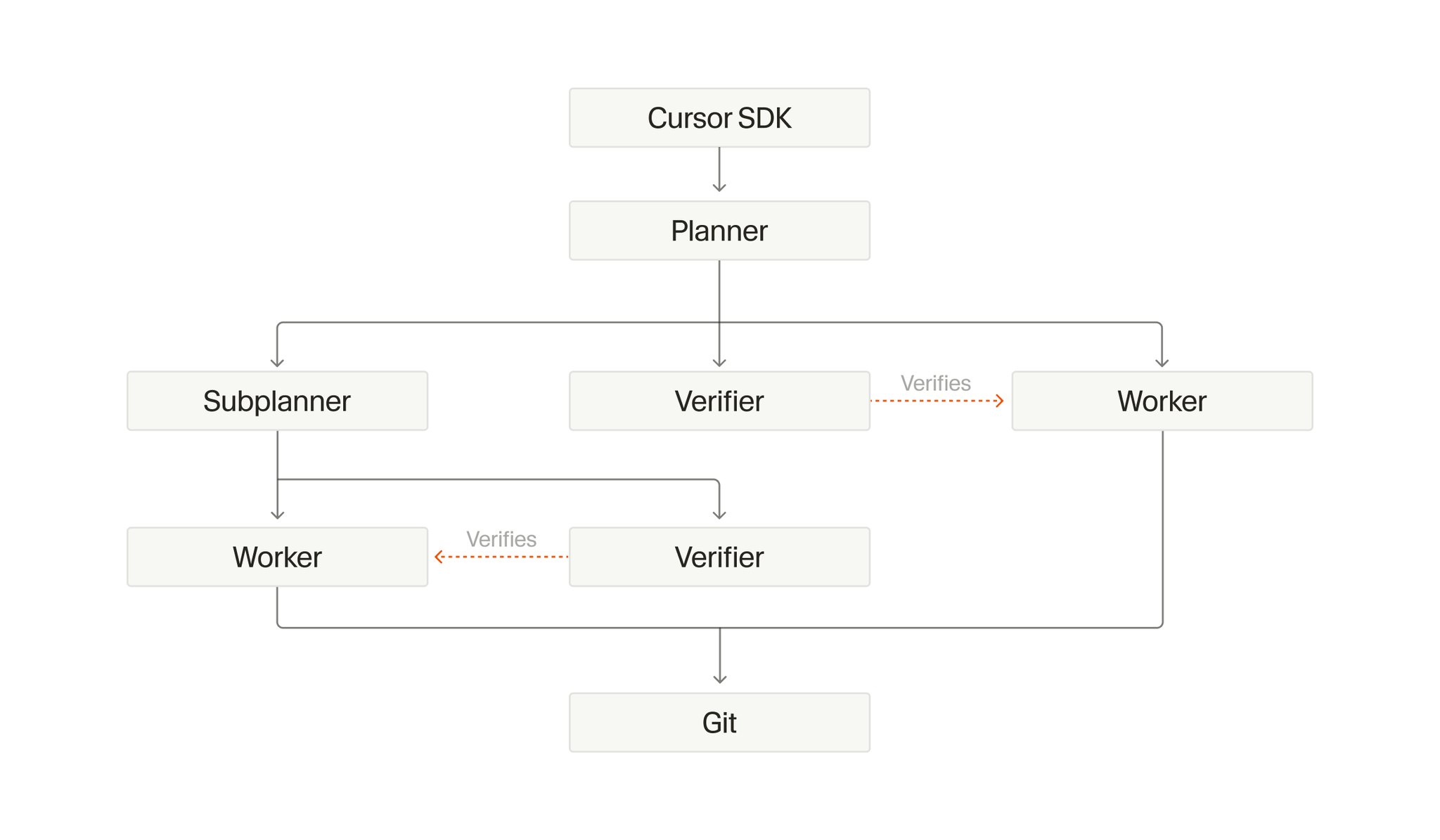
This builds on our existing research on multi-agent systems, with a key addition: verifiers. Planners spawn workers that write code and verifiers that run it. If verification fails, the planner spawns a new worker to fix it.