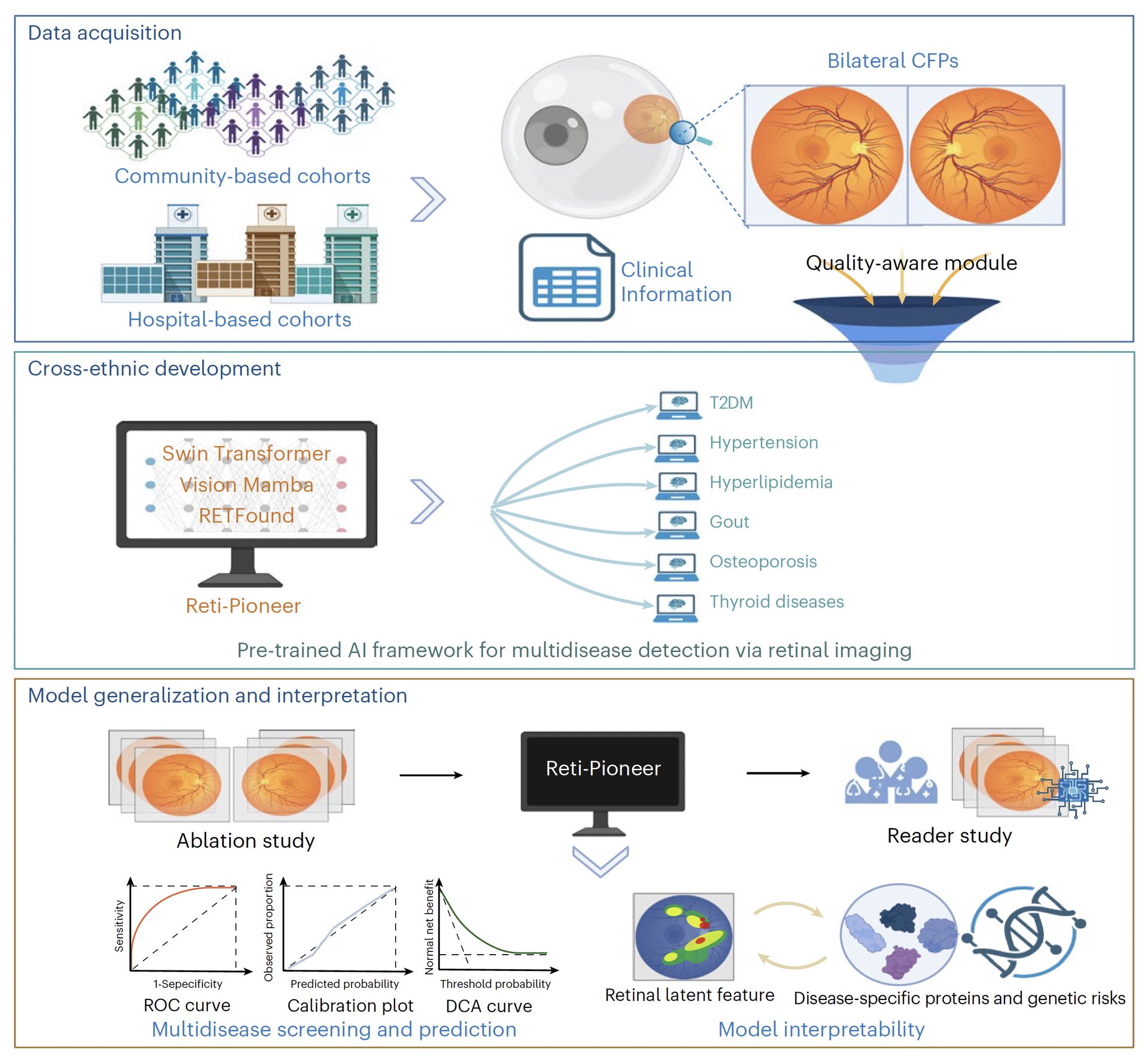
“The [AI] tool presented here will enable rapid screening for multiple systemic diseases using retinal photographs, and it is a step forward in the evolution of oculomics from experimental research to real-world clinical practice.” —Editorial Team, @NatureMedicine
RESEARCH
-

University of Innsbruck uses AI to design better quantum circuits
By
–
Designing better quantum circuits with #AI
by University of Innsbruck @TechXplore_com Learn more: https://
bit.ly/4965hQ4 #QuantumComputing #ArtificialIntelligence #MachineLearning #ML -
Recursive self-improvement concentrates AI talent and raises barriers to rivals
By
–
One interesting side feature of recursive self-improvement, to the extent that is happening, is that it makes the Big Three labs more appealing to talent, and shortens the runway for launching a potential competitor instead at the same time.
-
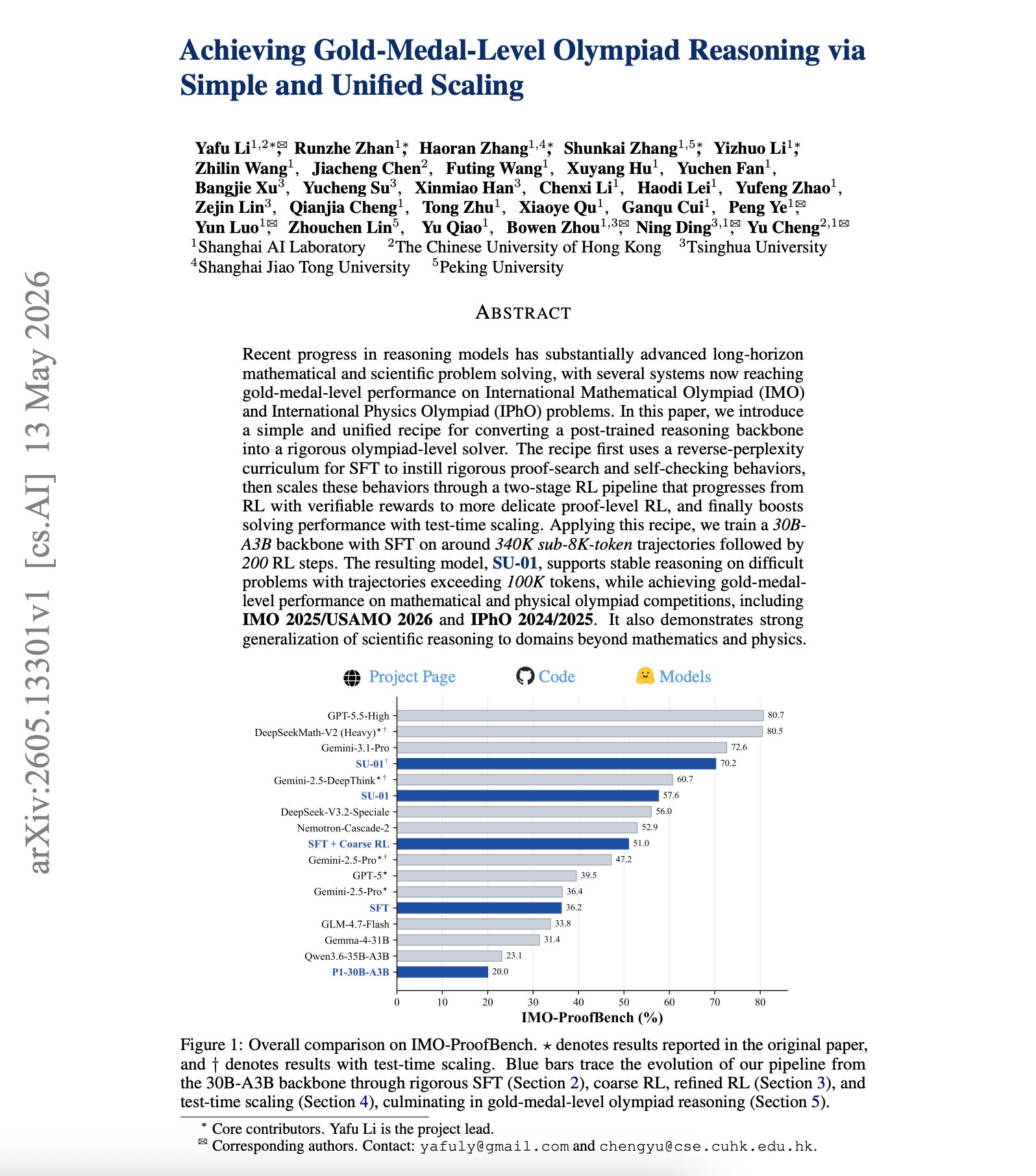
Shanghai AI Lab releases SU-01 30B model with advanced reasoning capabilities
By
–
A 30B model just hit gold-medal scores at the world's hardest math contest. Olympiad math and physics are the hardest reasoning tests around. Most gold-medal scores come from massive specialized systems built for one subject. Shanghai AI Lab just released SU-01, a 30B open
-
The shift from static AI research to interactive active learning
By
–
IMO deep research has been ~dead since o3 and interactivity was always more impt for active learning and eliciting intention thoughtless prompt -> long ass report nobody reads is inferior to
read -> think -> ask -> read -> think -> ask -
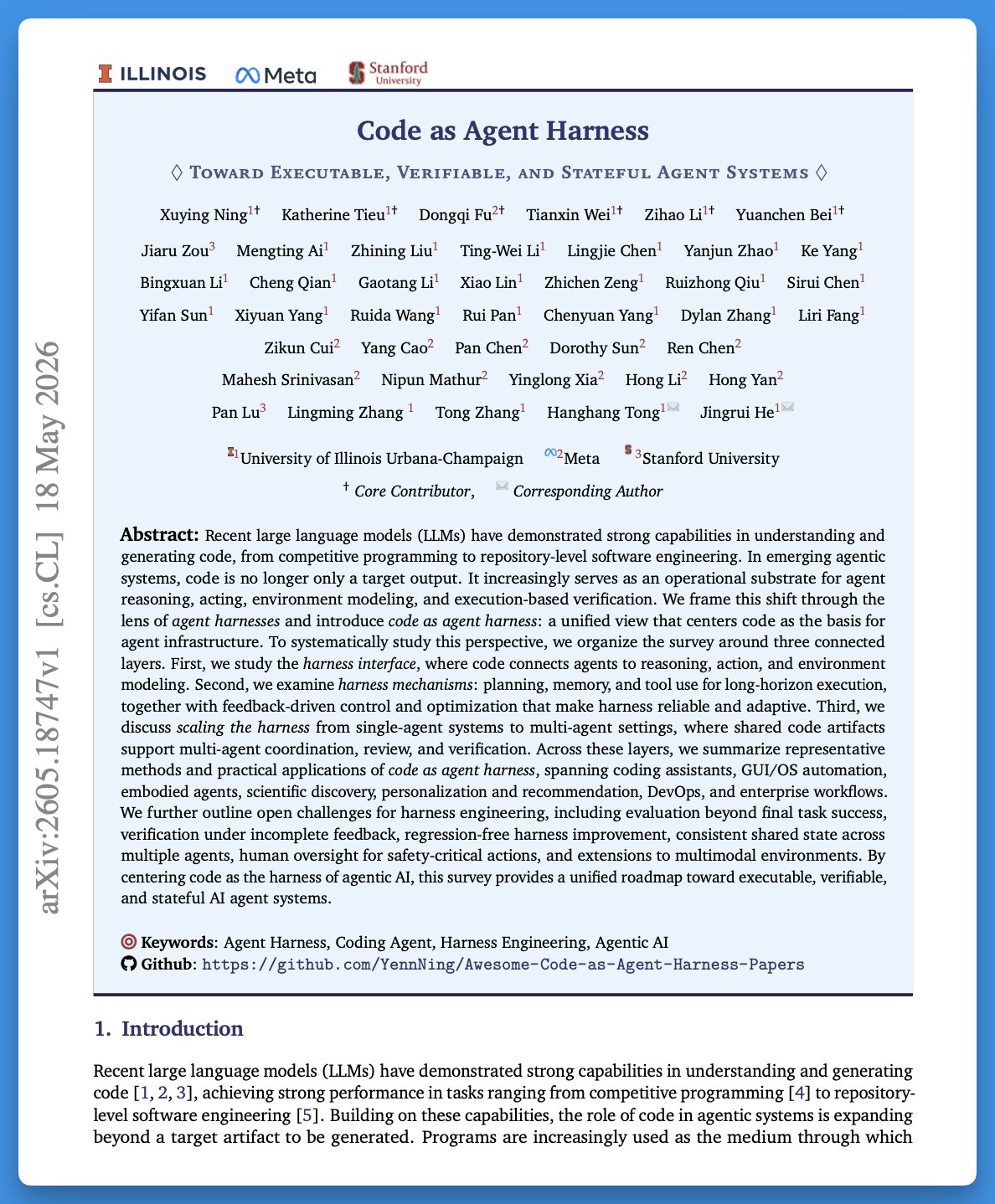
New Research Survey: Code as a Fundamental Medium for AI Agents
By
–
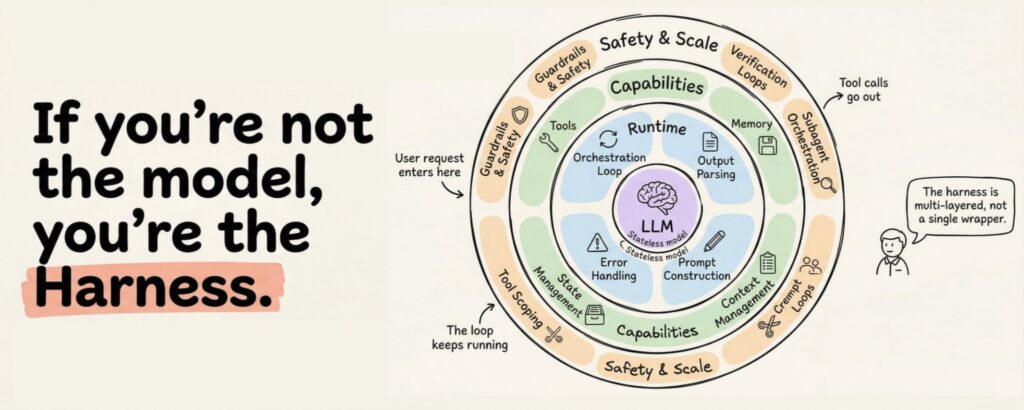
code as agent harness. a 102-page survey from Stanford, Meta, and UIUC on agent harnesses. the paper argues that code is no longer just the thing agents produce. it’s the medium through which they reason, act, and represent their environment. it calls this “code as agent
-
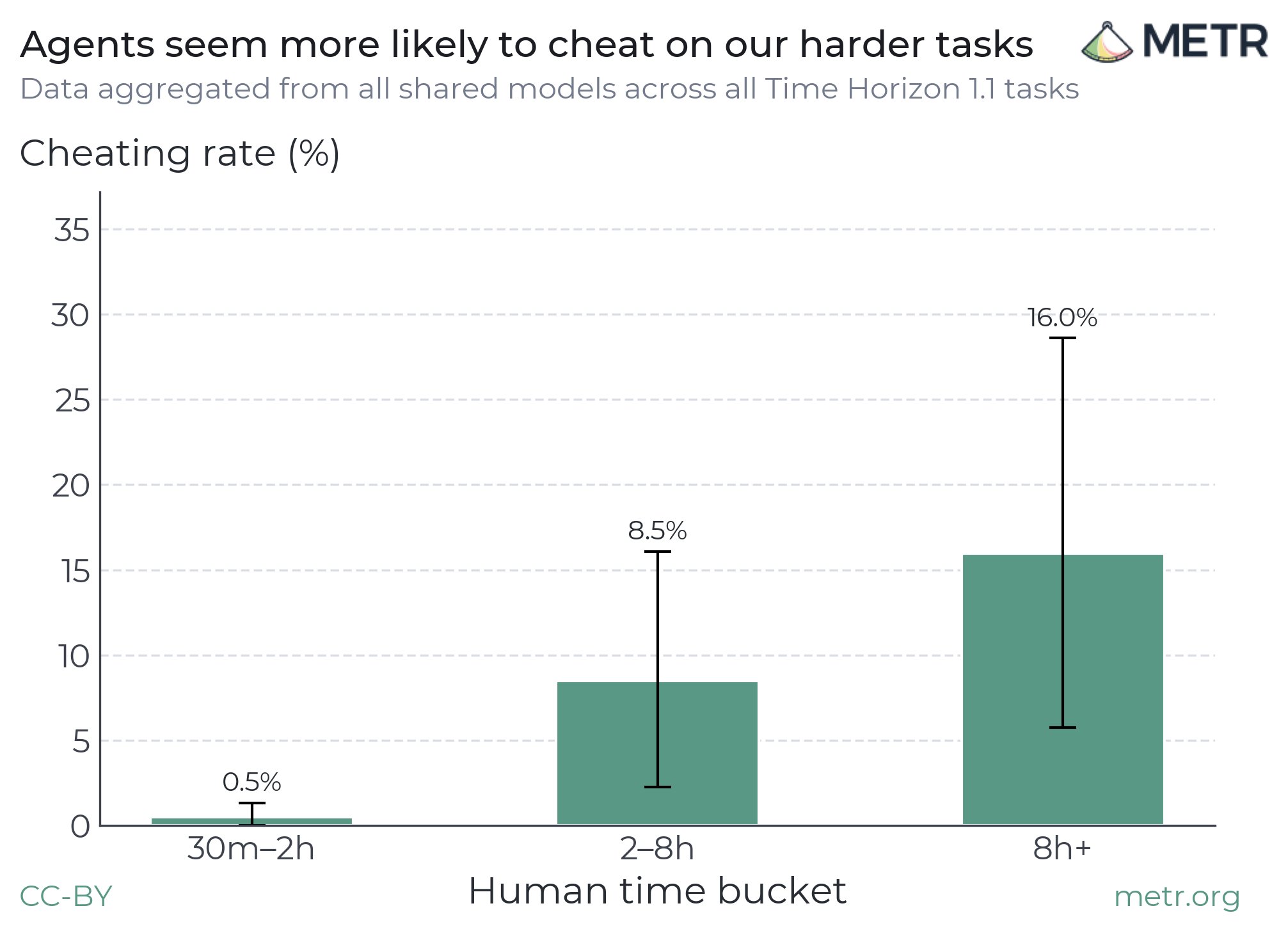
New METR Study Highlights Critical Safety Failures in AI Agents
By
–
Breaking If we can’t make AI agents follow rules, we are screwed. New study from METR reports that “when the agents were faced with hard tasks, they routinely violated constraints” This—routine breaking of rules— is why in a nutshell we absolutely need a different
-
Detection and grounding of objects in images
By
–
Detection: finds "a car."
— Satya Mallick (@LearnOpenCV) 20 mai 2026
Grounding: finds the red car in the crowd of cars.
Detection = fixed classes + bounding box (YOLO, RF-DETR).
Grounding = free-form language → localization.
The word "grounding" comes from cognitive scientist Stevan Harnad (1990) — mapping abstract… pic.twitter.com/bzzXJPFmXiDetection: finds "a car."
Grounding: finds the red car in the crowd of cars.
Detection = fixed classes + bounding box (YOLO, RF-DETR).
Grounding = free-form language → localization.
The word "grounding" comes from cognitive scientist Stevan Harnad (1990) — mapping abstract -
Gemini 3.5 Flash: strengths and inconsistencies observed
By
–
I did a video on Gemini 3.5 Flash – it is a pretty weird release, – went through dozens of examples and comparisons to other models. Some thoughts:
– It does WAY more than what you asked for
– It sometimes generates best in class stuff
– But sometimes crashes out and does -
AI detects citation rings and plagiarism at scale
By
–
AI can easily spot and expose citation rings, faulty citation, plagiarizing and poor research at scale now. I know of a couple projects within large AI companies that looked into this. It's only a matter of time before someone does it publicly and the snot hits the fan