A Pragmatic VLA Foundation Model
RESEARCH
-
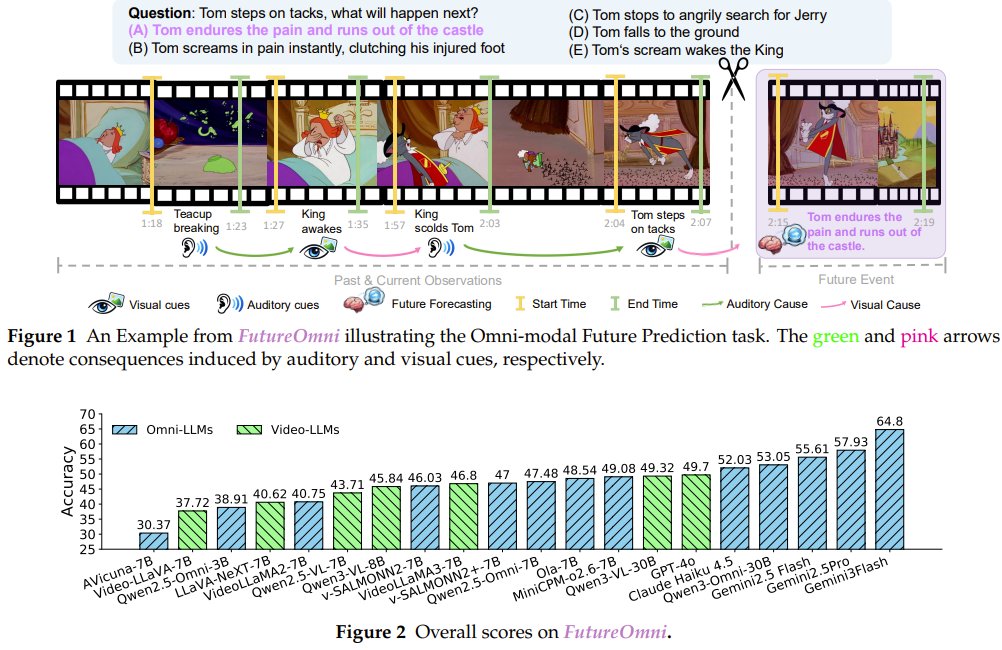
FutureOmni: Multimodal AI Predicts Future From Video Audio
By
–
What if AI could predict the future from sights and sounds? Researchers from Fudan University & NUS introduce FutureOmni, the first benchmark to test this. It pushes multimodal models to reason across audio & video to forecast what happens next, not just describe the past.
-

CooperBench: AI Agents Perform 50% Worse in Teams
By
–

Introducing the curse of coordination. Agents perform 50% worse in teams than working alone. People building human-AI collaboration today don't realize why current LLMs fail to be good teammates. We built CooperBench to study this. For humans, we recognize that teamwork isn't just the sum of individual capability. Communication and coordination often outweigh raw skill. But for AI? We're only hill-climbing benchmarks that evaluate solo technical abilities. CooperBench A benchmark to evaluate agent cooperation in realistic software teamwork tasks. The setup is intuitive: two agents, two tasks, two VMs, one chat channel (agents can send over arbitrary text, even the entire patch they wrote). We evaluate whether the merged solution from both agents passes the requirements of both tasks. The curse of coordination The most striking result: agents perform 50% worse in teams (black line) than working alone (blue line). Why is this happening? Is it because they can't use the communication tool? No. They spent 20% of their time sending messages. The problem? Those messages were repetitive, vague, ignored questions, or straight-up hallucinated. But bad communication is only part of the story. We found two deeper failures: Commitment: Agents don't do what they promised. Expectations: Agents don't expect others to keep promises either. Without these, cooperation collapses. However, there is a silver lining We also find emergent coordination behaviors, e.g. role division, resource division, and negotiation, which gives us hope that we can use reinforcement learning to improve coordination. What's next? It is true that highly-engineered multi-agent orchestration could largely sidestep the coordination problem. However, we care more about the AI's capability: if we truly want AI to be our teammates, we need them to be natively capable of effective communicating and coordinating. Two agents on software tasks is just the beginning. The real goal: agents that can cooperate with us well enough to actually empower us. CooperBench is our first step. If you're working on this too, let's talk.
-
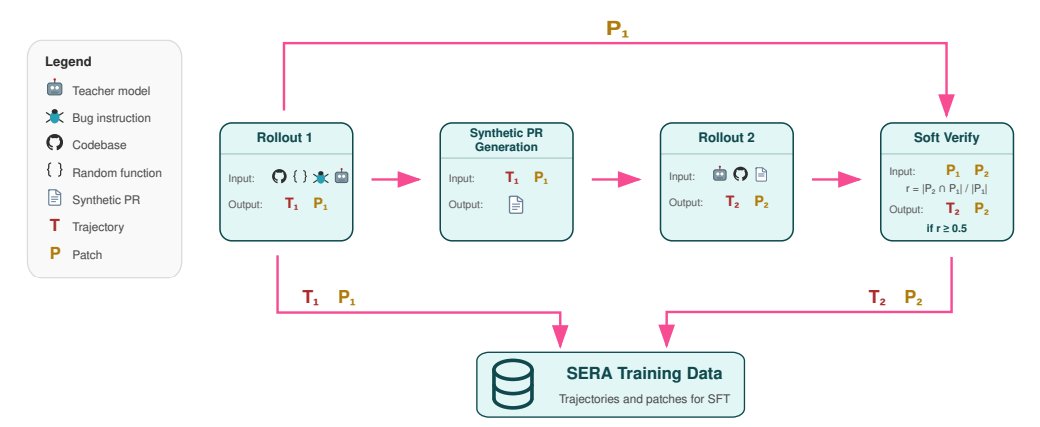
Training Student LLMs to Fix Sloppy Code Reimplementations
By
–
FREE IDEA! Take a human-authored codebase from <2022, have teacher LLM create a "sloppy" reimplementation of a single feature, then train student LLM to undo the slop. Should bias away from broad exceptions, blank returns, attribute/type checking, or low-q defensive coding.
-
AdaReasoner: Dynamic Tool Orchestration for Visual Reasoning
By
–
AdaReasoner Dynamic Tool Orchestration for Iterative Visual Reasoning
-

Patterning: New AI Interpretability Approach for Circuit Analysis
By
–
BIG new idea in interpretability called Patterning The basic idea: given a desired generalization/structure, determine what training data produces it So they treat what circuits/algorithms the model learns as something you can solve for by measuring how sensitive those internal
-
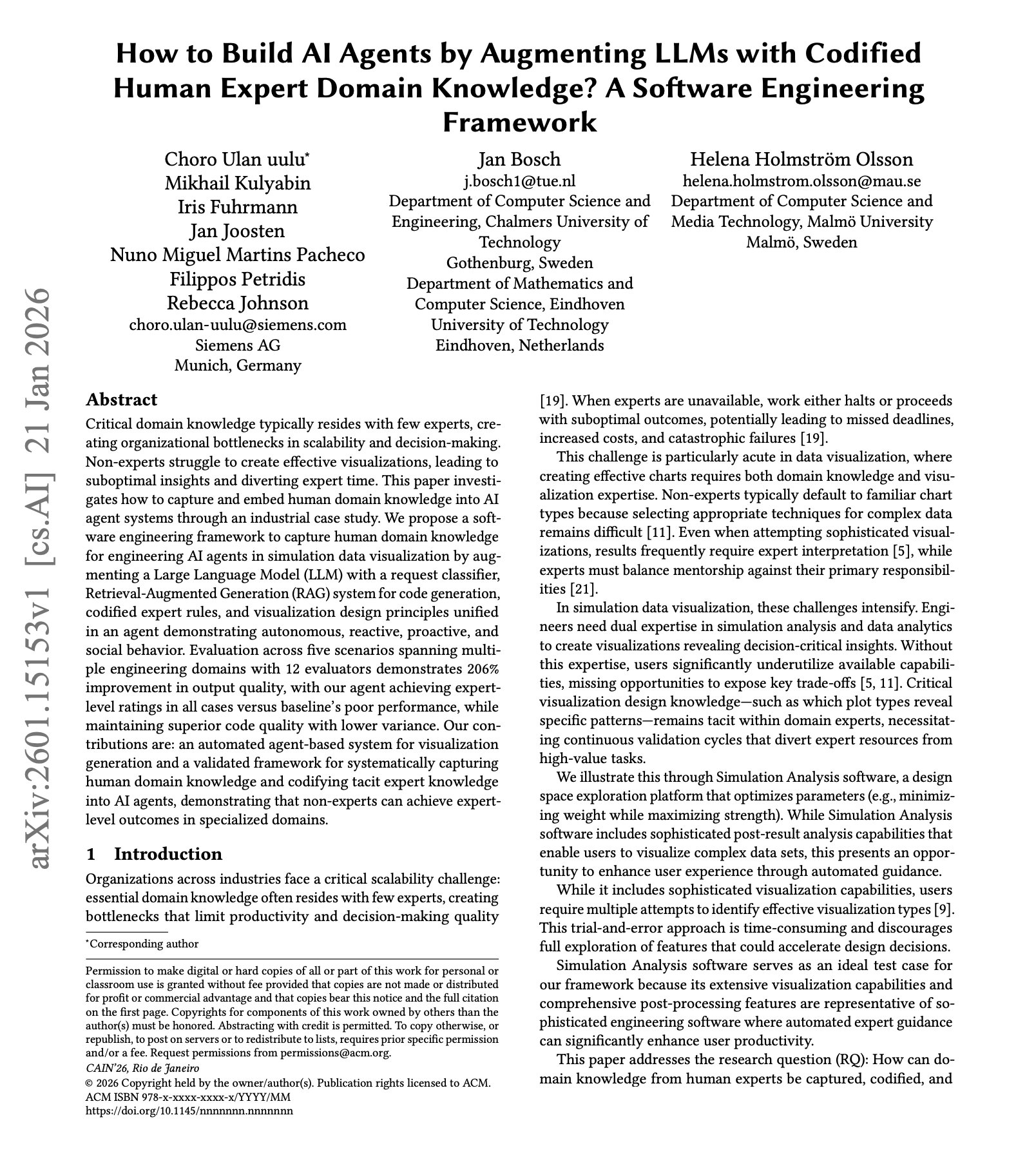
Extracting Expert Knowledge with AI to Reduce Organizational Bottlenecks
By
–
Your organization's best knowledge is trapped in your experts' heads. These researchers figured out how to get it out. Critical domain knowledge resides with few specialists, creating bottlenecks that halt work or produce suboptimal outcomes. Non-experts struggle to create
-
Anthropic accused of destructive book scanning and shadow library access
By
–
Damning from @aaronjschaffer
, @WillOremus
, @nitashatiku
. To get more data:
* Anthropic "destructively scanned" millions of books
* co-founder Ben Mann downloaded the shadow library LibGen
* Mann hailed another shadow library's arrival: "just in time!!!" -
Ranking Integrity: Should We Question Hackable Academic Systems?
By
–
If something is hackable, should we question the institutes that are hacking or should we revisit how these rankings are computed?
-
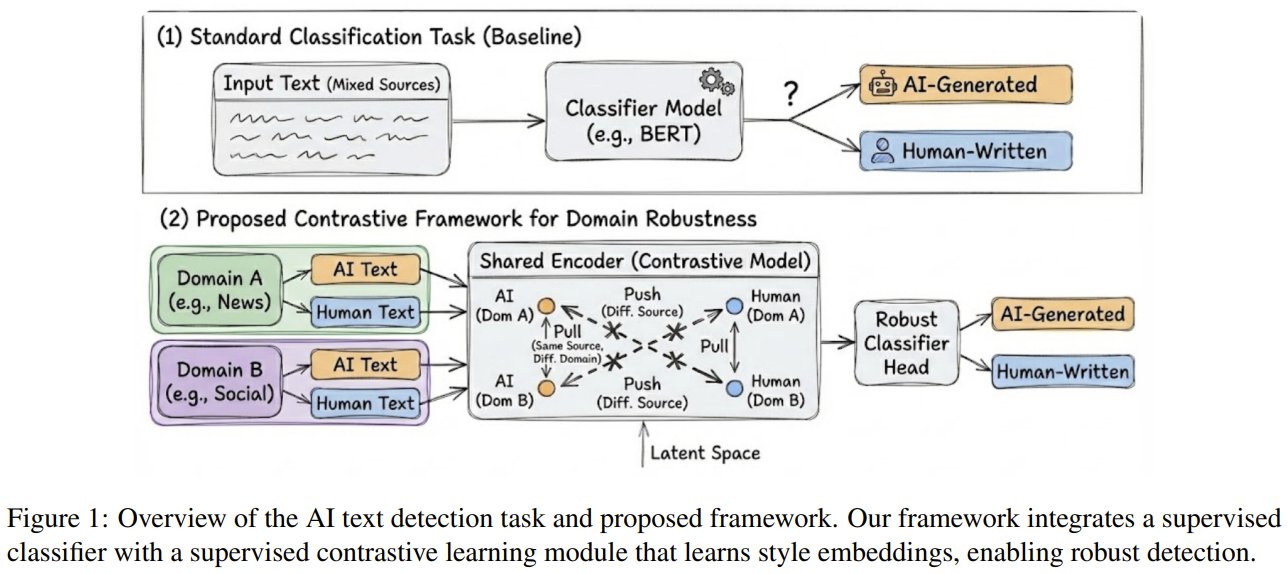
AI Detectors Fail: New Contrastive Learning Method Proposed
By
–
Can we trust AI detectors to spot LLM-generated text? Researchers from Kyoto University & IIT Kanpur reveal a major flaw: current detectors fail badly outside their training data. They propose a new contrastive learning method that learns the "style" of text, showing