AI Dynamics

Global AI News Aggregator

About

MACHINE LEARNING

  • Fix RAG hallucinations by protecting tables and structured content
    Fix RAG hallucinations by protecting tables and structured content

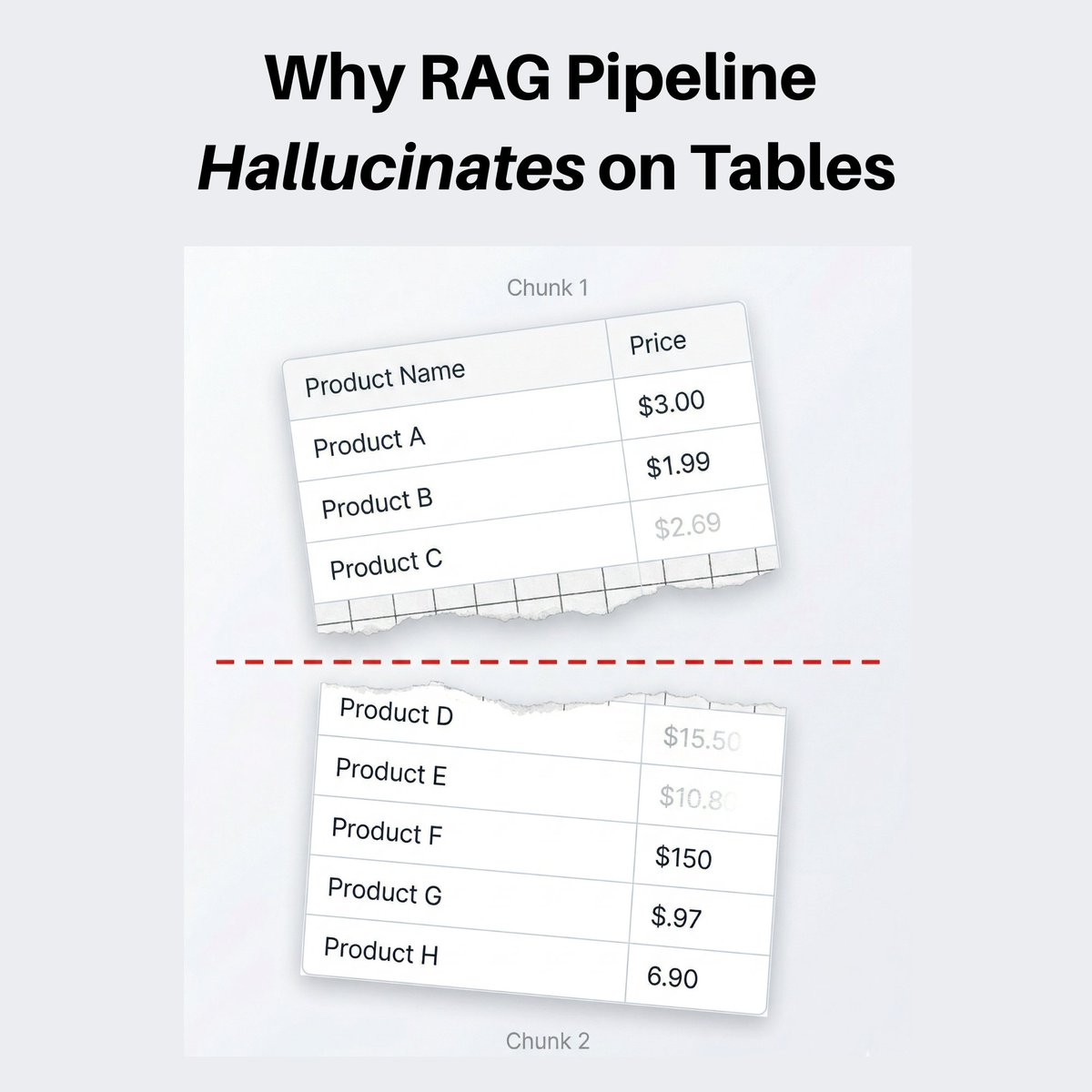
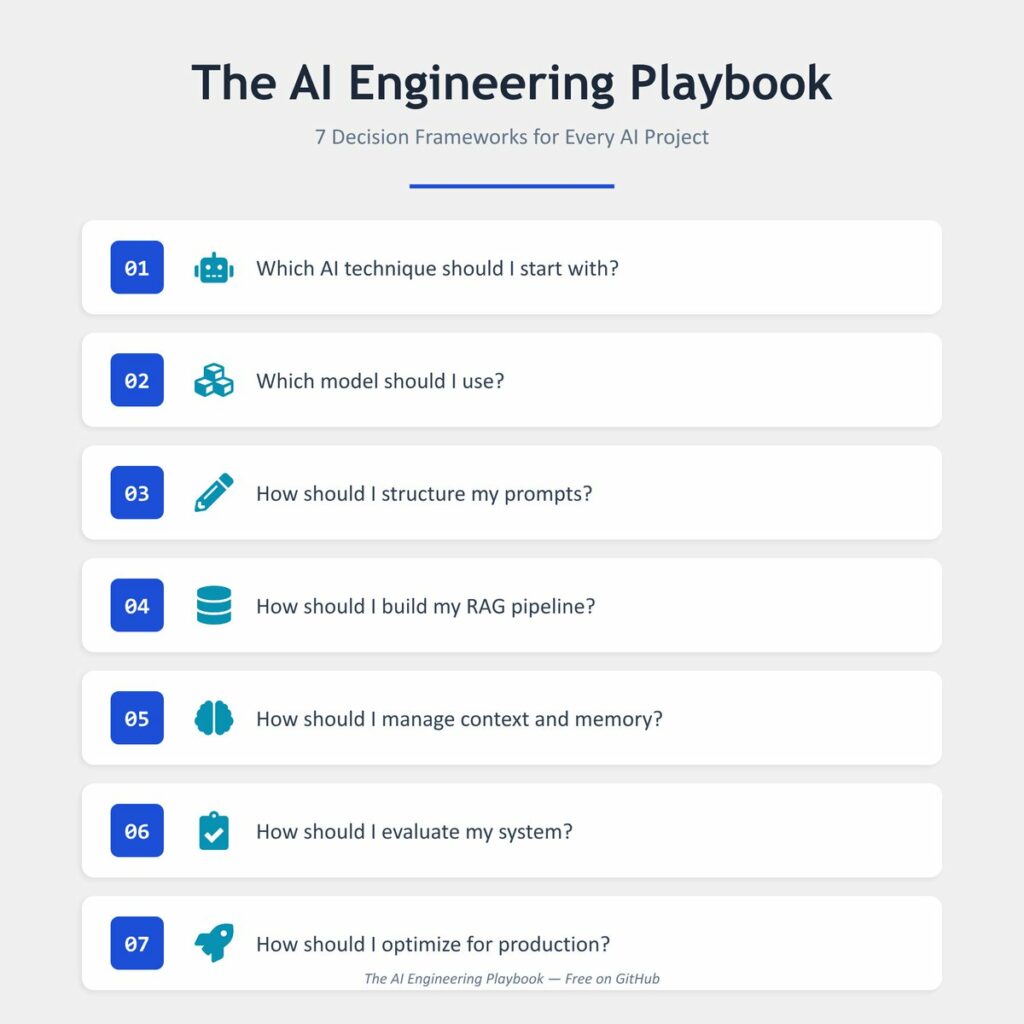
    Your RAG pipeline answers everything correctly. Except anything from a table. Pricing data. Comparison charts. Structured specs. Ask about any of these and the answer is either wrong or completely made up. The model isn't hallucinating because it's bad. It's hallucinating because it never saw the full table. When you chunk documents, you split them by a fixed token count. The splitter doesn't understand what it's cutting through. It just counts and splits. So your pricing table gets sliced in the middle. Half the rows in one chunk, half in another. The model receives an incomplete table and fills in the blanks on its own. Same thing happens with code blocks and any structured content. The moment you start treating tables and code as protected blocks and never let the chunker split through them, the accuracy on structured questions jumps. Same documents. Same model. Same prompt. Just keep structured content whole. I wrote a free playbook (its on git, no email wall or anything) that covers this decision framework (and 6 others like model selection, evaluation, and production optimization) as simple find-your-situation, follow-the-row tables. Link in the first comment.

    → View original post on X — @whats_ai, 2026-03-30 12:01 UTC

  • AI Tools Cannot Resolve Fundamental QA Culture Issues
    AI Tools Cannot Resolve Fundamental QA Culture Issues

    Why Your #AI Tools Won't Fix A Broken QA Culture
    by @muditsingh5000 @Forbes Learn more: https://
    bit.ly/4t8Q48h #ArtificialIntelligence #MachineLearning #ML #DL

    → View original post on X — @ronald_vanloon

  • MSA记忆路由技术对比Google Titans的核心问题回应

    上条帖子聊了 MSA 和 Google Titans 的记忆路线对比,评论区讨论质量很高,整理一下大家最关心的 5 个问题,为了避免刷屏,统一回应一下诸位: ❶ 端到端 vs RAG 两套系统 大家对「4B 打赢 235B RAG」这个结果讨论很多。核心共识是:记忆路由和生成联合训练,比检索和生成各优化各的,架构上就赢了一层。有人说得更直接,RAG 是算力妥协下的临时方案,原生记忆才是终局。 ❷ 记忆怎么更新?怎么遗忘? 这是问得最多的。记得住只是第一步,记忆系统必须能纠错、能覆盖、能遗忘。什么都不忘,噪音就会淹没信号。这块确实是下一阶段的核心课题,我们在推进。 ❸ 能不能做更小的模型? 有人问 2B、0.5B 能跑到什么程度,比如 256k 记忆长度能不能用 256M 模型搞定。这个方向直接关系到端侧部署和成本,很有价值,也在我们的规划里。 ❹ 开源和 demo 什么时候出? 光论文就准备了 9 个月,开源和模型还在整理。快了,请再给我们一点时间。 ❺ 稀疏注意力这么多,MSA 凭什么不一样? 冷静的质疑也有:现在稀疏注意力方案多如牛毛,最终还是要数据驱动来验证。这个我同意,拍脑袋建模走不远,得靠结果说话。 记忆是 AI 的下一个基础设施,这个共识越来越清晰。接下来的硬仗在更新机制、遗忘策略和小模型适配。我们继续。 艾略特 (@elliotchen100) 10 天前我们发了 MSA, Memory Sparse Attention。 刚好,上周 Google 专门发了一篇博客,把 Titans + MIRAS 两篇论文打包,主题就叫「Helping AI have long-term memory」。 research.google/blog/titans-… 两条独立的研究路线,得出了同一个结论: AI 的记忆不能靠外挂,必须原生长在模型里。 但怎么「长」,路线完全不同。 Google 的思路是加模块。 在 Transformer 旁边接了一个 Memory MLP,用「惊讶度」指标决定什么值得记, 越意外的信息越值得存。再用自适应衰减机制学会遗忘,防止记忆爆炸。 本质上,是给模型装了一个外置海马体。短期记忆走注意力,长期记忆走 Memory MLP,两条通路并行。 MSA 的思路是改机制。 不加新模块,直接改造注意力本身。核心是一个可扩展的稀疏注意力架构,复杂度是线性的,记忆翻 10 倍,计算成本不会指数爆炸。用 document-wise RoPE 让模型天然理解「这段记忆来自哪里、什么时候产生的」。 用Memory Interleave 让散落在不同文档里的记忆碎片能被串起来做多跳推理。 最关键的一点:MSA 的记忆路由器和生成任务是端到端联合训练的。不像 RAG 的检索和生成是两个割裂的系统,优化目标互相打架。 一个是给大脑装外置硬盘,一个是让大脑自己进化出海马体。 结果呢? · 4B 参数的 MSA 模型,从 16K 扩到 1 亿 token,精度衰减不到 9% · 在长上下文 benchmark 上打赢 235B 级别的顶级 RAG 系统 · 2 张 A800 就能跑,这是创业公司买得起的成本 往后退一步看,这件事更大的意义是: 当 Google 把积累了一年多的记忆研究拿出来做重点战略宣传的时候,这个方向就不再是少数人的赌注,而是行业共识。 RAG 是第一代记忆(外挂笔记本)。 Titans 是第二代记忆(外置硬盘)。 MSA 是第三代记忆(原生海马体)。 「记忆」是 AI 的下一个基础设施。这条路,我们会一直走下去。 未来,可能真有一种服务叫做「Memory as a servicey」。 — https://nitter.net/elliotchen100/status/2038137282444796030#m

    → View original post on X — @elliotchen100, 2026-03-30 09:04 UTC

  • LLM Training Without Massive Human-Labeled Datasets Analysis
    LLM Training Without Massive Human-Labeled Datasets Analysis

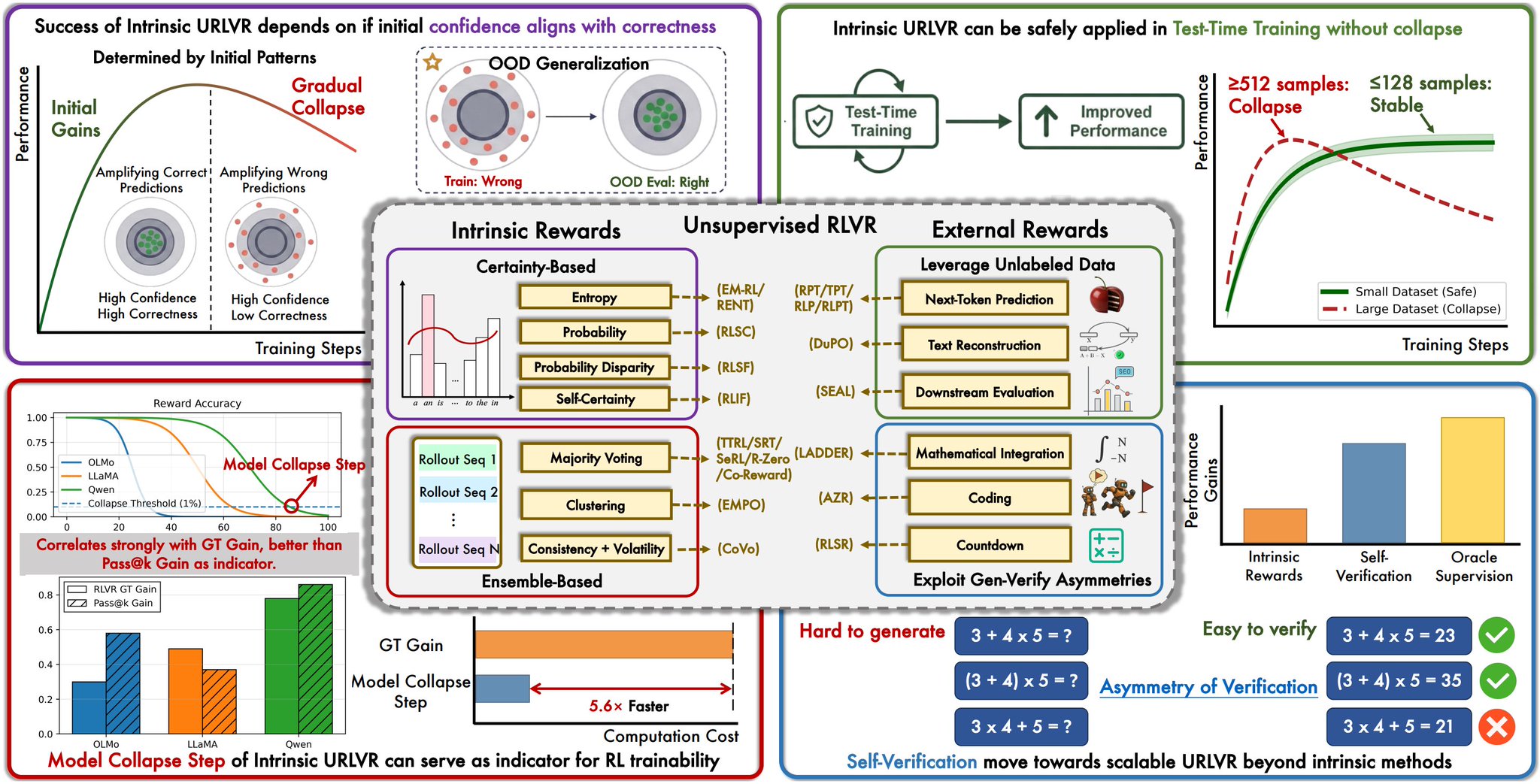
    How far can we push LLM training without relying on massive human-labeled datasets? A collaborative effort from Tsinghua University, Shanghai AI Lab, UIUC, and other leading institutions provides crucial insights. They conducted a comprehensive analysis of Unsupervised

    → View original post on X — @jiqizhixin

  • 8-Layer Architecture of Agentic AI Systems
    8-Layer Architecture of Agentic AI Systems

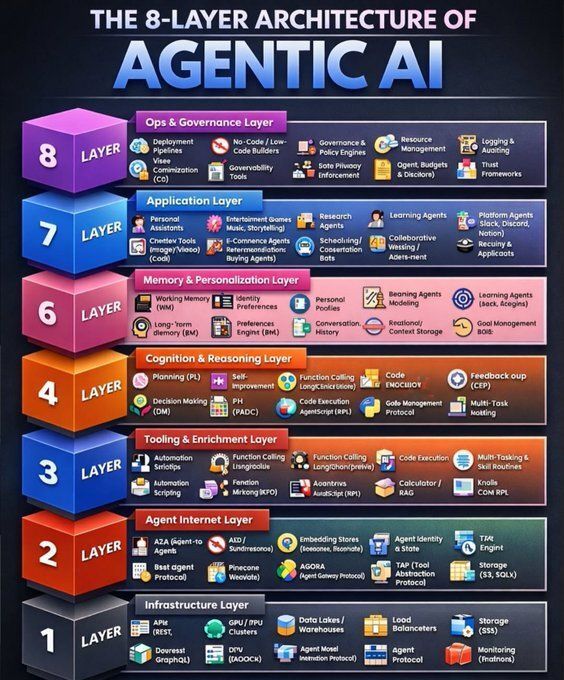
    The 8-Layer Architecture of #AgenticAI
    by @Python_Dv #AI #LLM #ArtificialIntelligence #MachineLearning #ML

    → View original post on X — @ronald_vanloon

  • Real-time Pose Matching Game Built on Metis Blockchain
    Real-time Pose Matching Game Built on Metis Blockchain

    Community member Dilip.m built a real-time pose matching game on Metis. Show a famous film pose (Karate Kid, Usain Bolt, Rocky), match it with your body, and the image reveals when you nail it. YOLOv8-pose, cosine similarity, fully on-device. #EdgeAI 🕺 eu1.hubs.ly/H0t21zZ0

    → View original post on X — @axeleraai, 2026-03-30 08:30 UTC

  • Robot with First-Person Vision: AI-Powered Visual Navigation System

    Seeing Through Its Own Eyes: Building a #Robot with True First-Person Vision
    via @WevolverApp #AI #MachineLearning #Robotics #ArtificialIntelligence #Innovation #Technology

    → View original post on X — @ronald_vanloon

  • AI Factories: Scaling Intelligence as Industrial Capability
    AI Factories: Scaling Intelligence as Industrial Capability

    AI is becoming something companies can produce at scale. That is the idea behind AI factories, a concept that is quickly moving into the mainstream of business and technology. In this video, I explain what an AI factory actually is, how it differs from a traditional data center, and why it matters. At its core, an AI factory turns data, software, and computing power into intelligence, including predictions, recommendations, decisions, digital assistants, and AI agents. I also explore why this matters for business leaders, from customer service and fraud detection to drug discovery and supply chain optimization. The bigger point is clear. Intelligence is increasingly becoming an industrial capability, and the organizations building the strongest AI infrastructure today could have a major influence on the future. How important do you think AI factories will become for business over the next few years?

    → View original post on X — @bernardmarr, 2026-03-30 08:27 UTC

  • Types of AI: A Quick Comparison Guide
    Types of AI: A Quick Comparison Guide

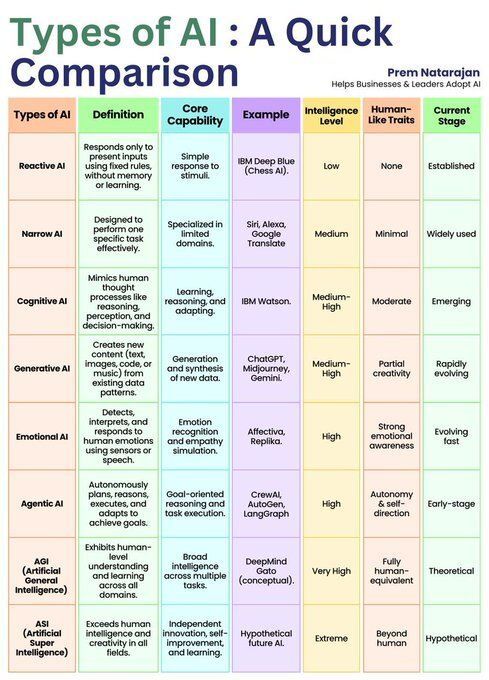
    Types of #AI: A Quick Comparison
    by @Krishnasagrawal #ArtificialIntelligence #MachineLearning #ML #DL

    → View original post on X — @ronald_vanloon

  • LLMs as Dynamic System Orchestrators Beyond Fixed Agent Harnesses
    LLMs as Dynamic System Orchestrators Beyond Fixed Agent Harnesses

    the LLM is the computer Ronak Malde (@rronak_) I have long felt that agent harnesses – even claude code – are too restrictive, because they are still designed by humans. New paper for Tinsghua and Shenzhen says, what if AI itself runs the harness, rather than defining it in code? Given a natural language SOP of how an agent should orchestrate subagents, memory, compaction, etc., we can just have an LLM execute that logic! (And AI could design that SOP dynamically and depending on the task too) It's a bit mind-warping to think about, but genius once it clicks. Makes you wonder how else we should be designing AI systems as we can start consuming more and more tokens — https://nitter.net/rronak_/status/2038401494177694074#m

    → View original post on X — @thom_wolf, 2026-03-30 07:44 UTC