AI Dynamics

Global AI News Aggregator

About

MACHINE LEARNING

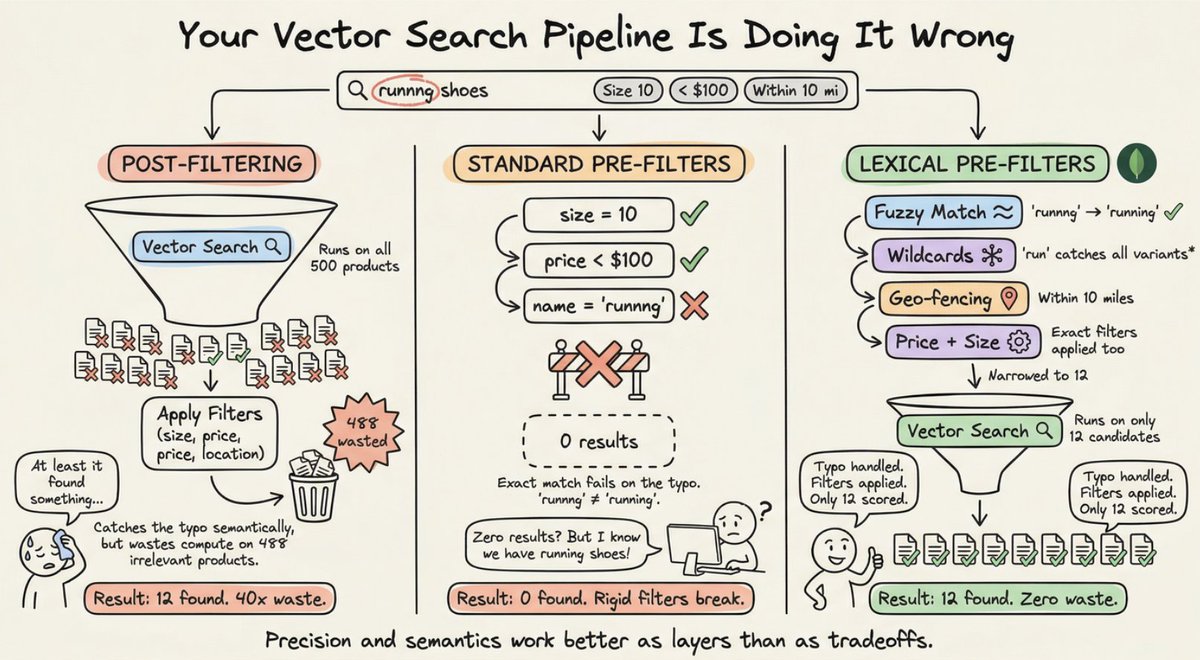
  • MongoDB Vector Search Lexical Prefilters for Precise Forgiving Search

    Learn more about #MongoDB Vector Search: fandf.co/4qyyKcb It makes sure everything we discussed is executed before the vector math, so you only run similarity scoring on relevant candidates. If you're building anything where users make typos, need location-based results, or expect your search to be both precise and forgiving at the same time, Lexical Prefilters solve it. It's part of the vectorSearch operator (inside the $search stage) in Atlas – so if you're still on knnBeta, this is what's next. Thank you MongoDB for working with me on this one.

    โ†’ View original post on X โ€” @akshay_pachaar, 2026-03-30 07:37 UTC

  • Vector Search 10x Cheaper with Intelligent Lexical Filtering
    Vector Search 10x Cheaper with Intelligent Lexical Filtering

    A simple technique can make your vector search 10x cheaper. And you probably haven't heard of it yet. Consider this: A user searches "runnng shoes" (yes, misspelled) looking for size 10, within 10 miles, under $100. Vector search runs on 500 products, then the filters apply – and only 12 match the size, location and price. That's 500 similarity calculations to surface 12 results. And if the typo didn't get caught? Those 12 might not even include what the user wanted. Standard pre-filters would return ZERO results for "runnng" – it's not an exact match. Post-filtering catches the typo semantically but wastes compute on 488 irrelevant products first. This is how search pipelines typically work. Most teams have accepted this as normal – run vector search first to get semantically relevant results, then apply filters afterward. Standard vector search does support basic pre-filters (like "price < $100" or "size = 10"), but those filters are rigid, only handling exact matches and simple comparisons. They can't handle typos, wildcards, or complex text analysis. So you're stuck: use exact-match pre-filters and get zero results for typos, or post-filter massive datasets and waste compute. What you actually need is filtering that handles precision and fuzziness together – precise enough for "size 10" and "under $100," flexible enough to match "runnng to running," and smart enough to handle complex geospatial queries like "within 10 miles." And it needs to happen before vector search runs, not after. But the bigger point is this: – Post-filter: search everything, hope for the best.
    – Pre-filter with lexical intelligence: search only what matters, get it right. Precision and semantics work better as layers than as tradeoffs. Now that you see the problem, let me show you what the fix actually looks like in practice ๐Ÿ‘‡ This is ex [Translated from EN to English]

    โ†’ View original post on X โ€” @akshay_pachaar, 2026-03-30 07:36 UTC
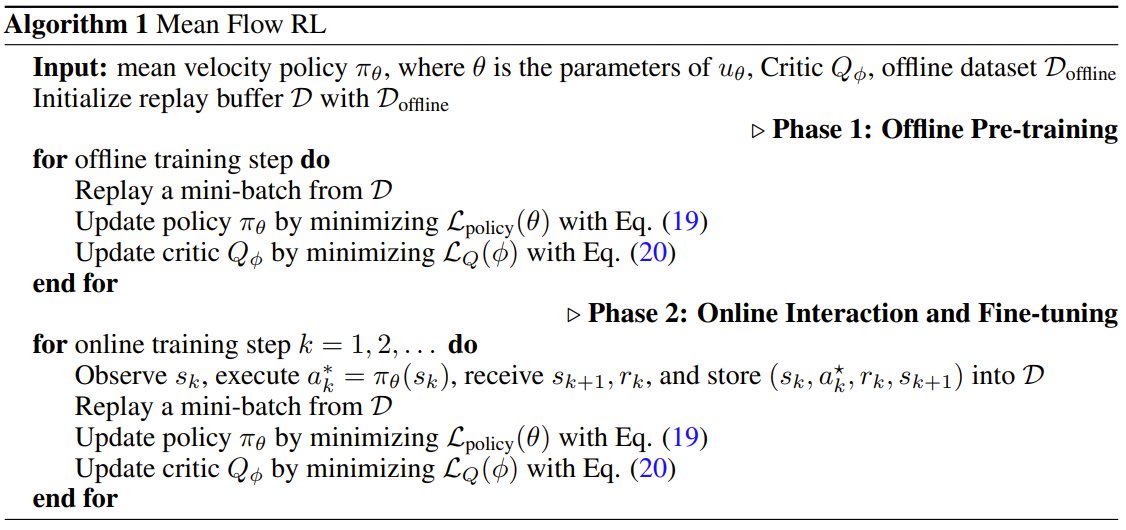
  • Mean Velocity Policy: Faster Expressive AI Action Generation
    Mean Velocity Policy: Faster Expressive AI Action Generation

    How can we make AI action generation both faster and more expressive without compromise? Researchers from Tsinghua University, Berkeley AI Research (BAIR), and The University of Hong Kong unveil their new Mean Velocity Policy (MVP). This innovative method models the "mean

    โ†’ View original post on X โ€” @jiqizhixin

  • PaddleOCR Surpasses Tesseract as Most-Starred OCR Project
    PaddleOCR Surpasses Tesseract as Most-Starred OCR Project

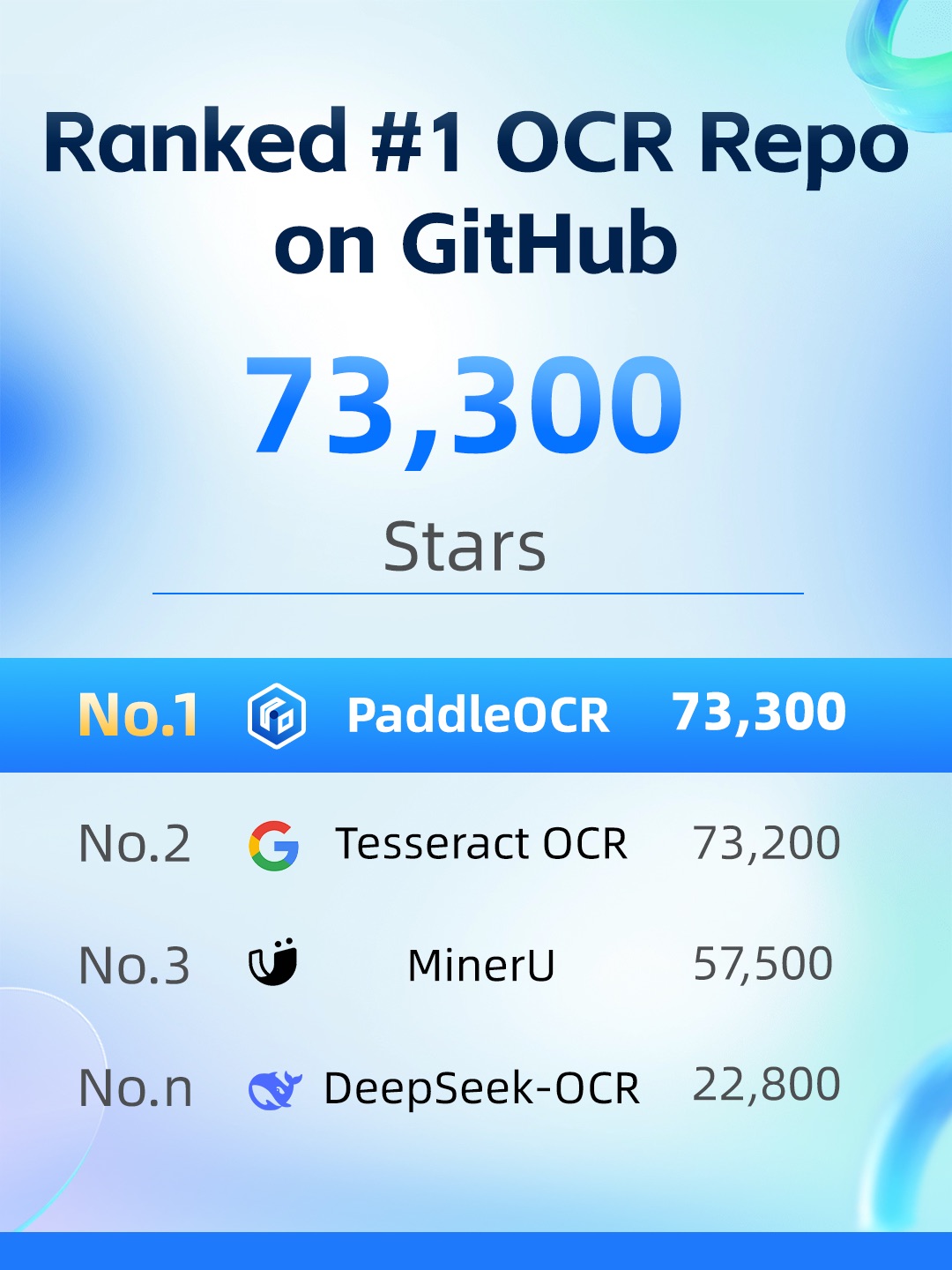
    PaddleOCR has surpassed 73.3K stars on GitHubโ€”overtaking Googleโ€™s Tesseract (73.2K) to become the most-starred OCR project globally. GitHub: https://
    github.com/PaddlePaddle/P
    addleOCR
    โ€ฆ PP-OCRv5: https://
    arxiv.org/pdf/2603.24373 PaddleOCR-VL: https://
    arxiv.org/pdf/2603.24326

    โ†’ View original post on X โ€” @baiduresearch

  • Six Types of AI Models in Machine Learning
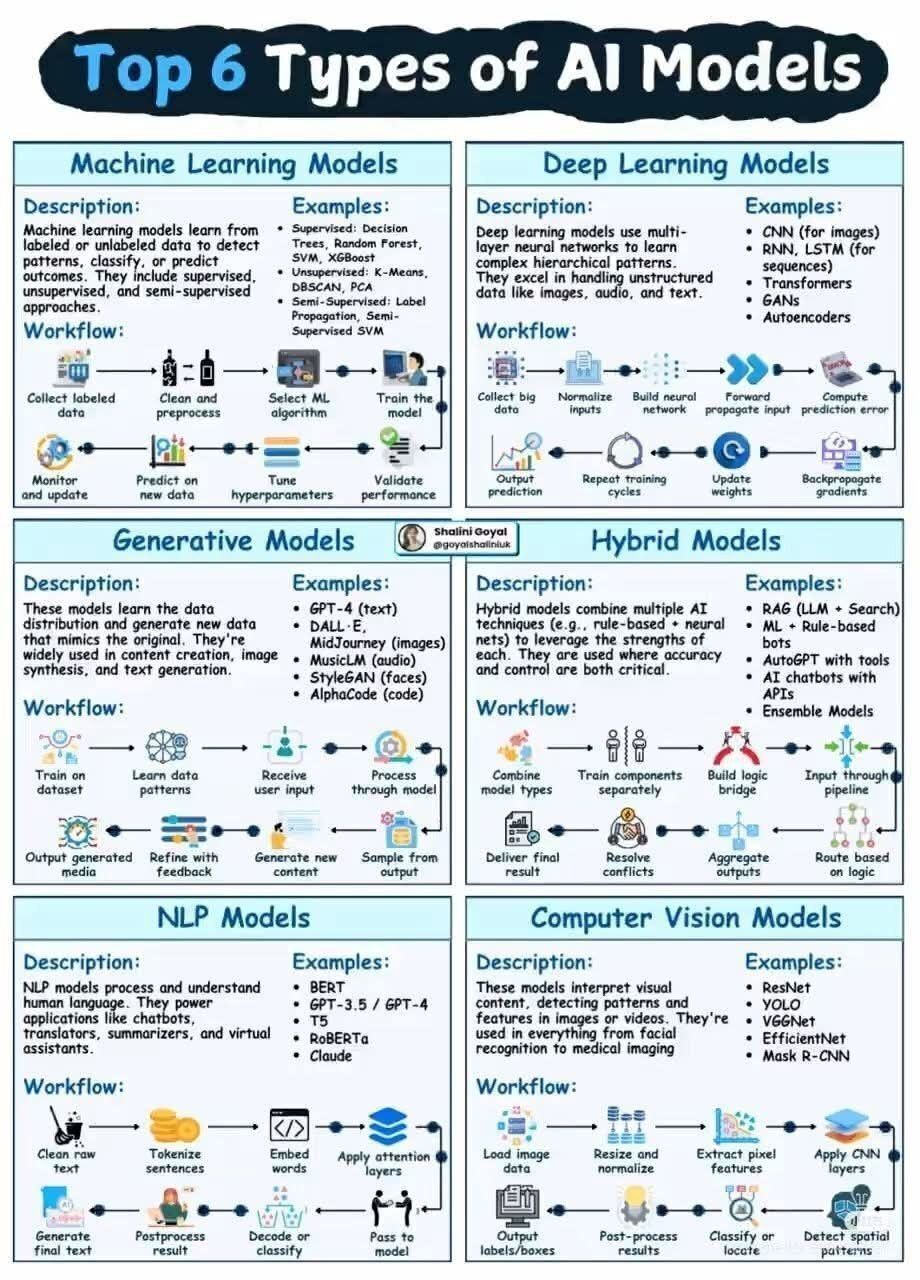
    Six Types of AI Models in Machine Learning

    6 Types of #AI Models
    by @PythonPr #ArtificialIntelligence #MachineLearning #ML

    โ†’ View original post on X โ€” @ronald_vanloon

  • Four Pillars Of Data Science In Big Data
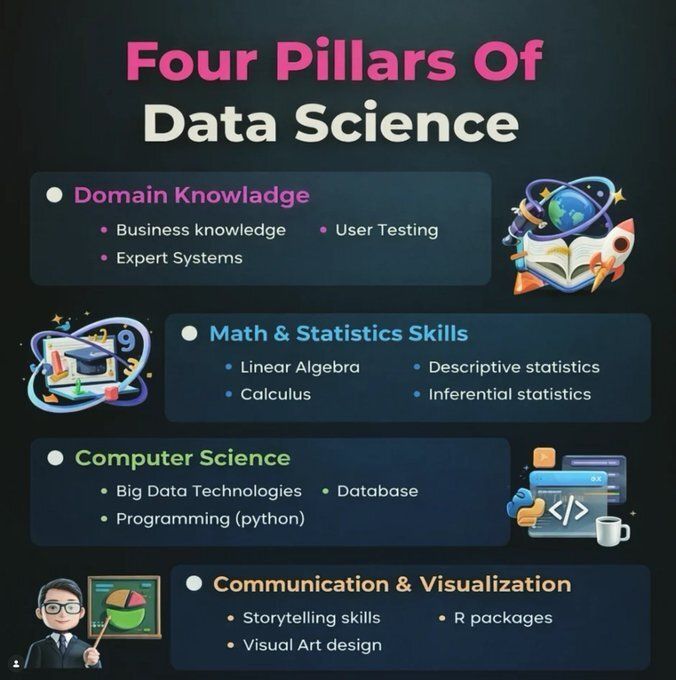
    Four Pillars Of Data Science In Big Data

    Four Pillars Of #DataScience
    by @Python_Dv #BigData #DataScientist

    โ†’ View original post on X โ€” @ronald_vanloon

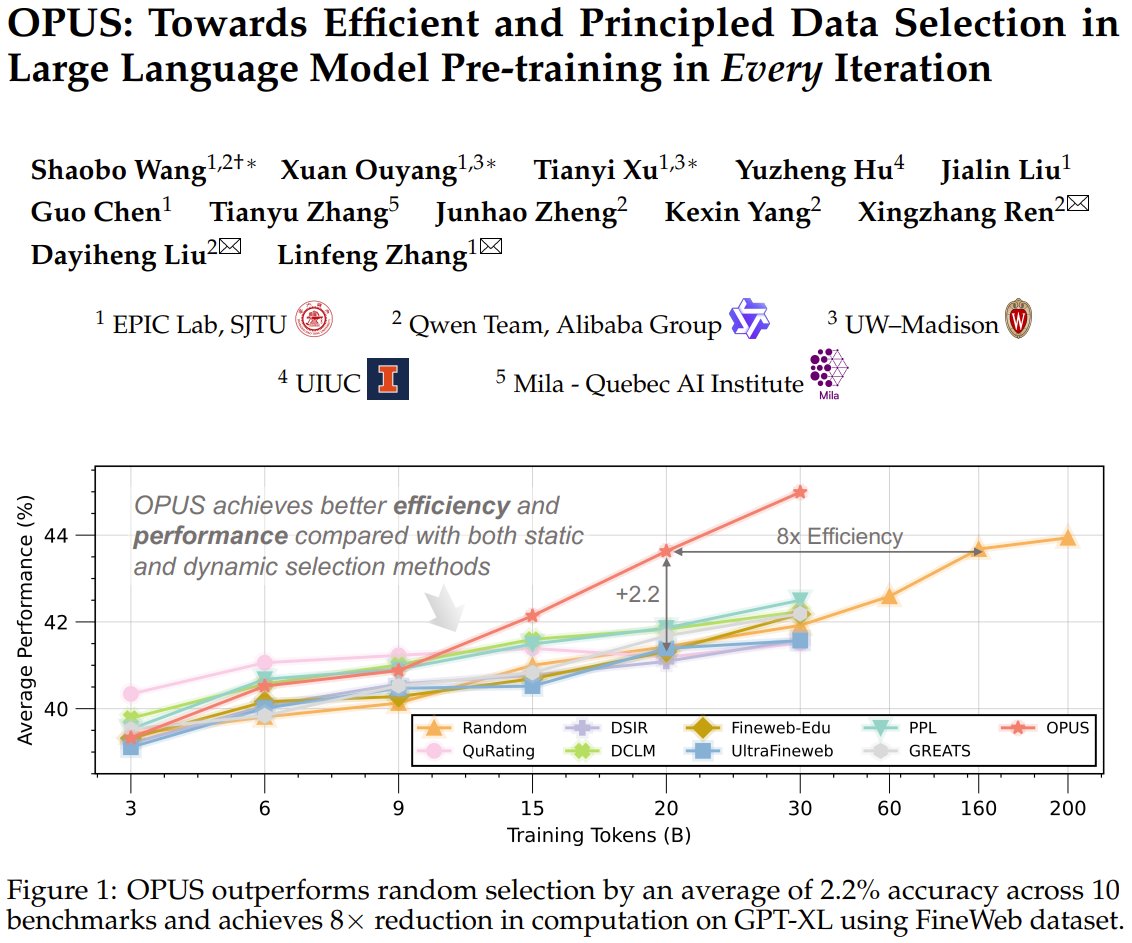
  • OPUS: Intelligent Data Selection for LLM Pre-training
    OPUS: Intelligent Data Selection for LLM Pre-training

    Is there a smarter way to pick data for training Large Language Models? Researchers from multiple institutions, led by Shaobo Wang, introduce OPUS. This novel method dynamically and intelligently selects the most impactful data for LLM pre-training in every single training

    โ†’ View original post on X โ€” @jiqizhixin

  • Robots Learn Through Training, Not Programming Anymore

    ๐—ฅ๐—ผ๐—ฏ๐—ผ๐˜๐˜€ ๐—ฎ๐—ฟ๐—ฒ ๐—ป๐—ผ ๐—น๐—ผ๐—ป๐—ด๐—ฒ๐—ฟ ๐—ฝ๐—ฟ๐—ผ๐—ด๐—ฟ๐—ฎ๐—บ๐—บ๐—ฒ๐—ฑ. ๐—ง๐—ต๐—ฒ๐˜† ๐—ฎ๐—ฟ๐—ฒ ๐˜๐—ฟ๐—ฎ๐—ถ๐—ป๐—ฒ๐—ฑ. Thatโ€™s the real shift Iโ€™m seeing from NVIDIAโ€™s GTC. Using Isaac Lab, robots are learning through reinforcement learning in simulation: โ–ช๏ธ Millions of trials โ–ช๏ธ No step-by-step instructions โ–ช๏ธ Learning by reward and feedback Thatโ€™s how a machine learns to drive, jump, flipโ€ฆ and recover. What stands out to me is this: ๐—ช๐—ฒโ€™๐—ฟ๐—ฒ ๐—บ๐—ผ๐˜ƒ๐—ถ๐—ป๐—ด ๐—ณ๐—ฟ๐—ผ๐—บ ๐—ฐ๐—ผ๐—ฑ๐—ฒ โ†’ ๐—น๐—ฒ๐—ฎ๐—ฟ๐—ป๐—ถ๐—ป๐—ด. And once systems can learn, they donโ€™t just execute. They adapt. Same shift we saw with LLMs. Now itโ€™s happening in the physical world. ๐—ฆ๐—ผ ๐—ต๐—ฒ๐—ฟ๐—ฒโ€™๐˜€ ๐—บ๐˜† ๐—พ๐˜‚๐—ฒ๐˜€๐˜๐—ถ๐—ผ๐—ป: Are we ready for machines that improve faster than we can program them? #ai #robotics #reinforcementlearning #nvidia #gtc #futureofwork

    โ†’ View original post on X โ€” @pascal_bornet, 2026-03-30 05:01 UTC

  • New Paper on Scaling the Muon Optimizer

    Excited to share our new paper on sharp capacity scaling of the Muon optimizer! Joint work with @EshaanNichani Denny Wu @albertobietti @jasondeanlee: arxiv.org/abs/2603.26554 (1/7) [Translated from EN to English]

    โ†’ View original post on X โ€” @berkeley_ai, 2026-03-30 04:41 UTC

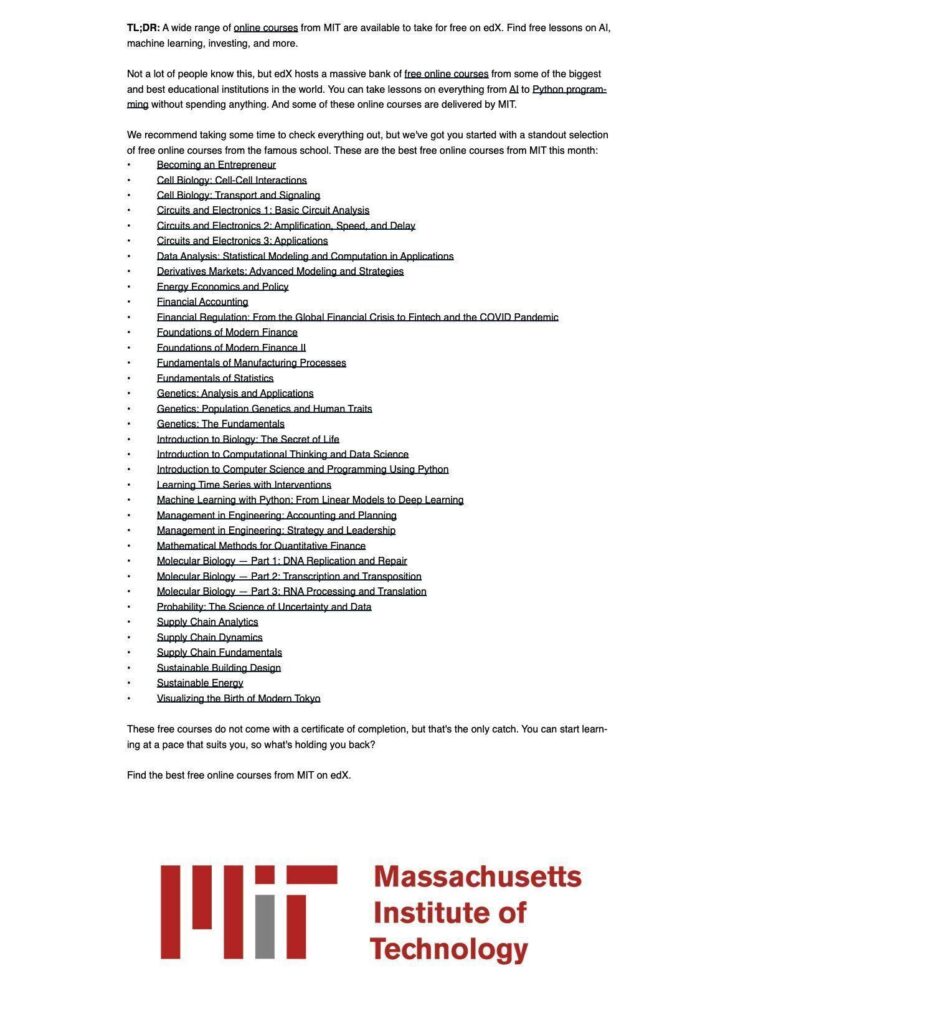
  • MIT Offers 35 Free Machine Learning Courses on edX
    MIT Offers 35 Free Machine Learning Courses on edX

    MIT: 35 Best Courses in Machine Learning! @MIT Explore a world of knowledge with free online courses from MIT on edX, featuring lessons in AI, machine learning, computer science engineering, circuits and electronics, Genetics, data science, statistics and much more. Many

    โ†’ View original post on X โ€” @gp_pulipaka