Thanks, @CsabaSzepesvari
. Would you mind formally defining the RL problem for everyone here (I know you can better than most). I’d love for us to start with the formal definition and address the practice of RLHF in that context. In particular in most of RLHF, the states
LLMS
-
Formal RL Problem Definition and RLHF Practice Discussion
By
–
-
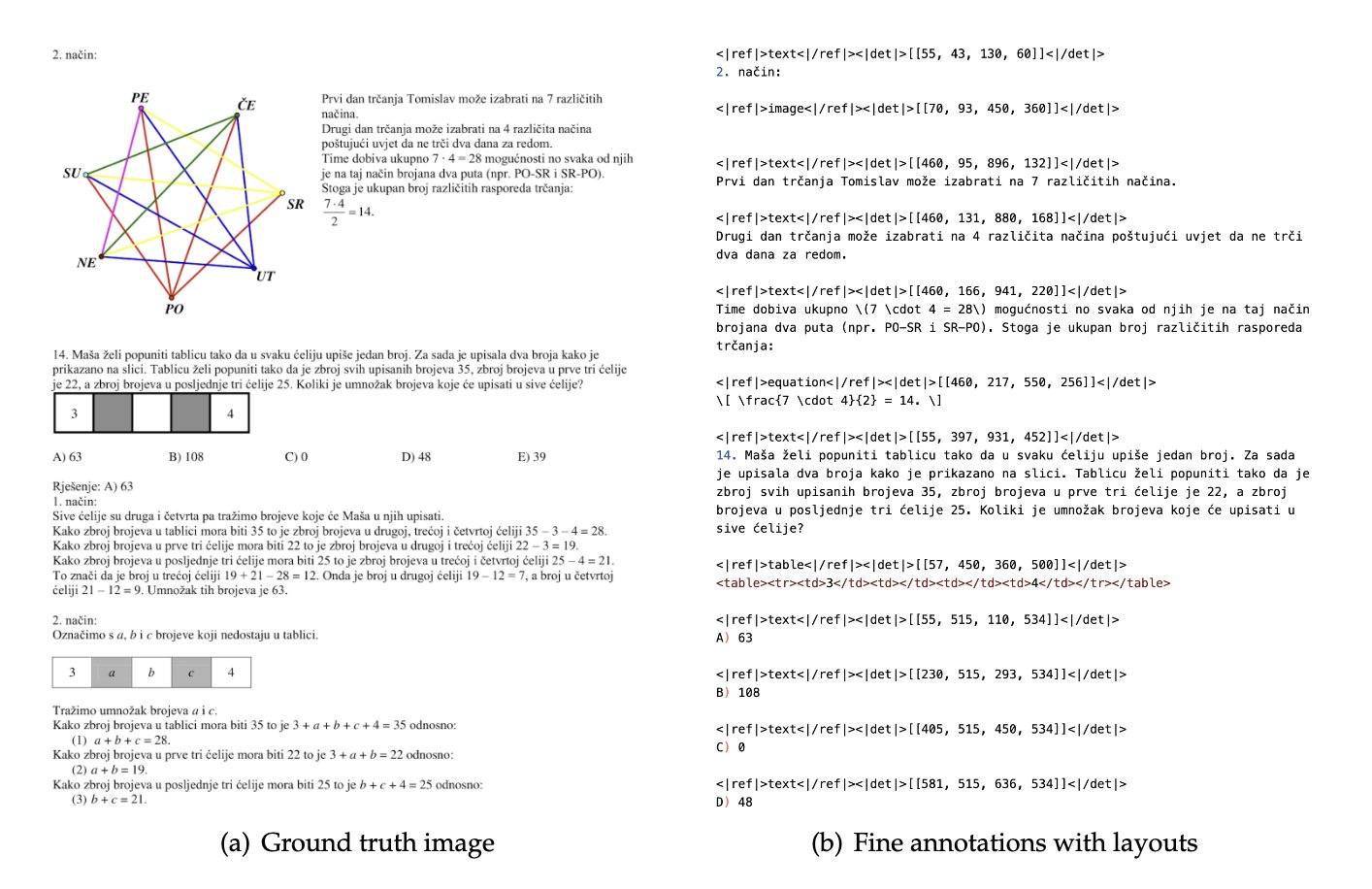
Using Visual Context Compression to Improve LLM Memory and Reasoning
By
–
5. This isn’t “just another OCR.” It’s a proof of concept for context compression. If text can be represented visually with 10× fewer tokens LLMs could use the same idea for long-term memory and efficient reasoning. Imagine GPT-5 processing a 1M-token document as a 100K-token
-

DeepSeek-OCR technical data training approach
By
–
4. Data Engine OCR 1.0 to 2.0 They didn’t just train on text scans. DeepSeek-OCR’s data includes: • 30M+ PDF pages across 100 languages
• 10M natural scene OCR samples
• 10M charts + 5M chemical formulas + 1M geometry problems It’s not just reading it’s parsing scientific -

Technical Overview of DeepSeek-OCR Multi-Resolution Gundam Mode
By
–
3. Multi-Resolution “Gundam” Mode Documents vary invoices ≠ blueprints ≠ newspapers. To handle this, DeepSeek-OCR supports multiple resolution modes: Tiny, Small, Base, Large, and Gundam. Gundam mode combines local tiles + a global view scaling from 512×512 to 1280×1280
-
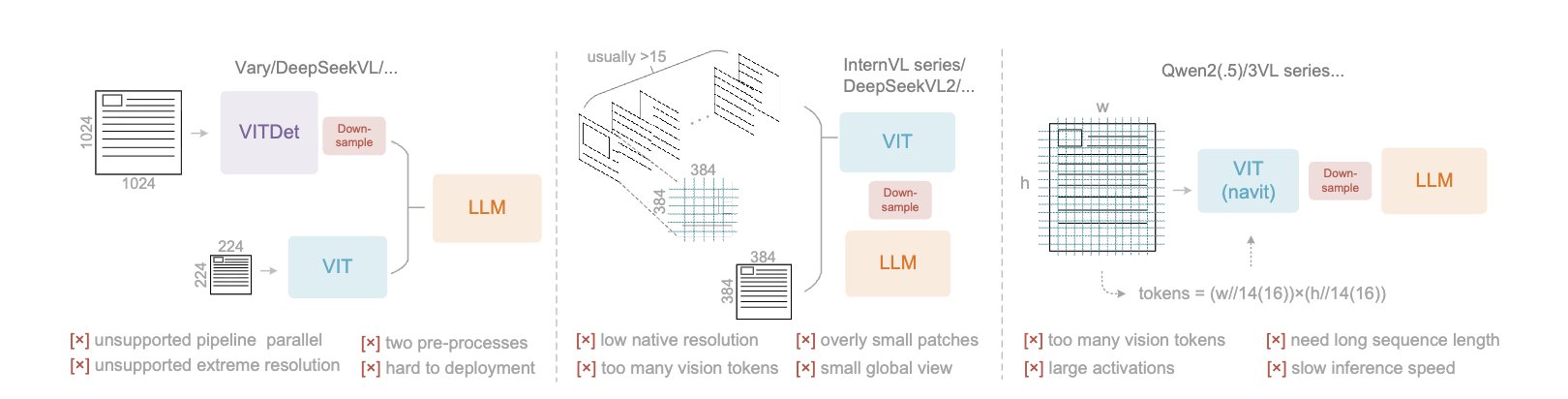
DeepEncoder: A Technical Overview of the Optical Compressor Architecture
By
–
2. DeepEncoder – The Optical Compressor Meet the star: DeepEncoder. It uses two backbones SAM (for perception) and CLIP (for global vision) bridged by a 16× convolutional compressor. This allows it to maintain high-res understanding without exploding activation memory. The
-
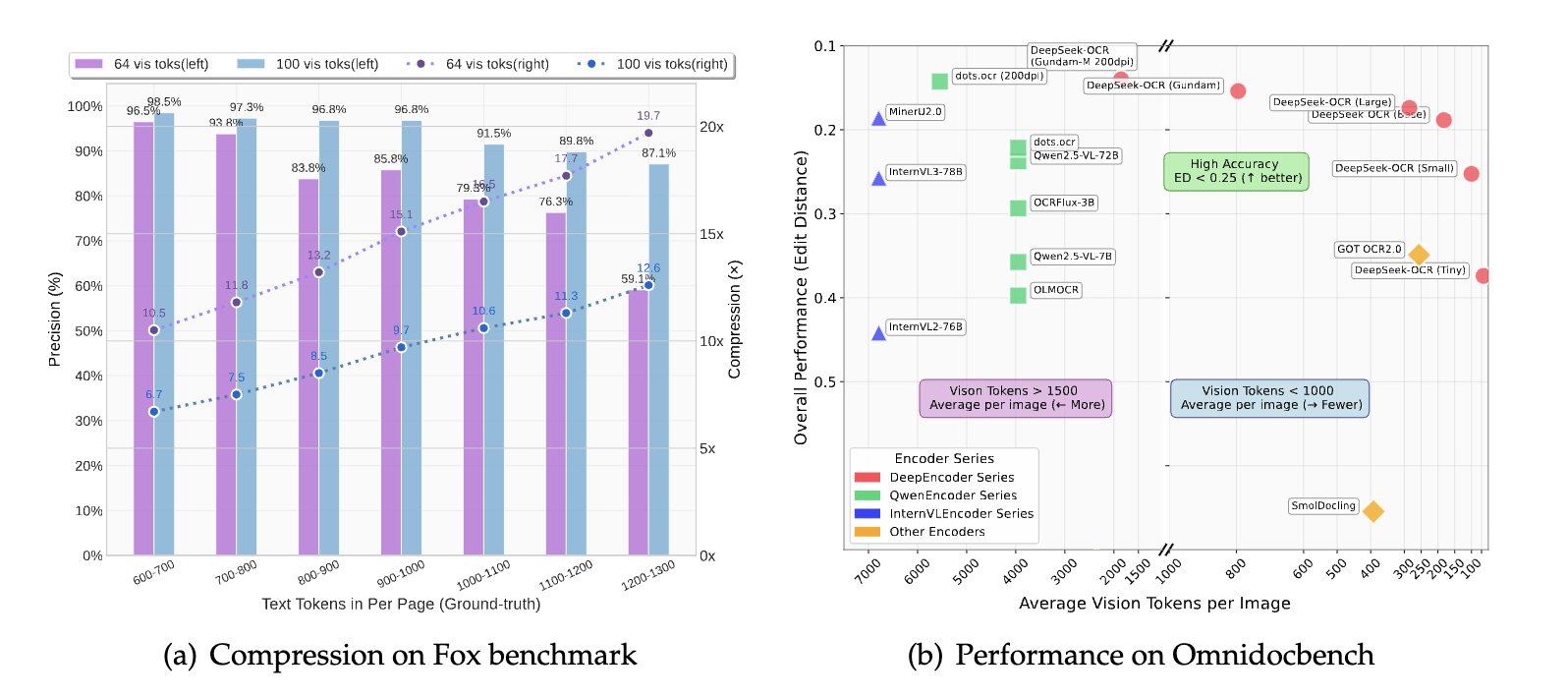
Technical Analysis of DeepSeek-OCR Vision-Text Compression
By
–
1. Vision-Text Compression: The Core Idea LLMs struggle with long documents because token usage scales quadratically with length. DeepSeek-OCR flips that: instead of reading text, it encodes full documents as vision tokens each token representing a compressed piece of visual
-
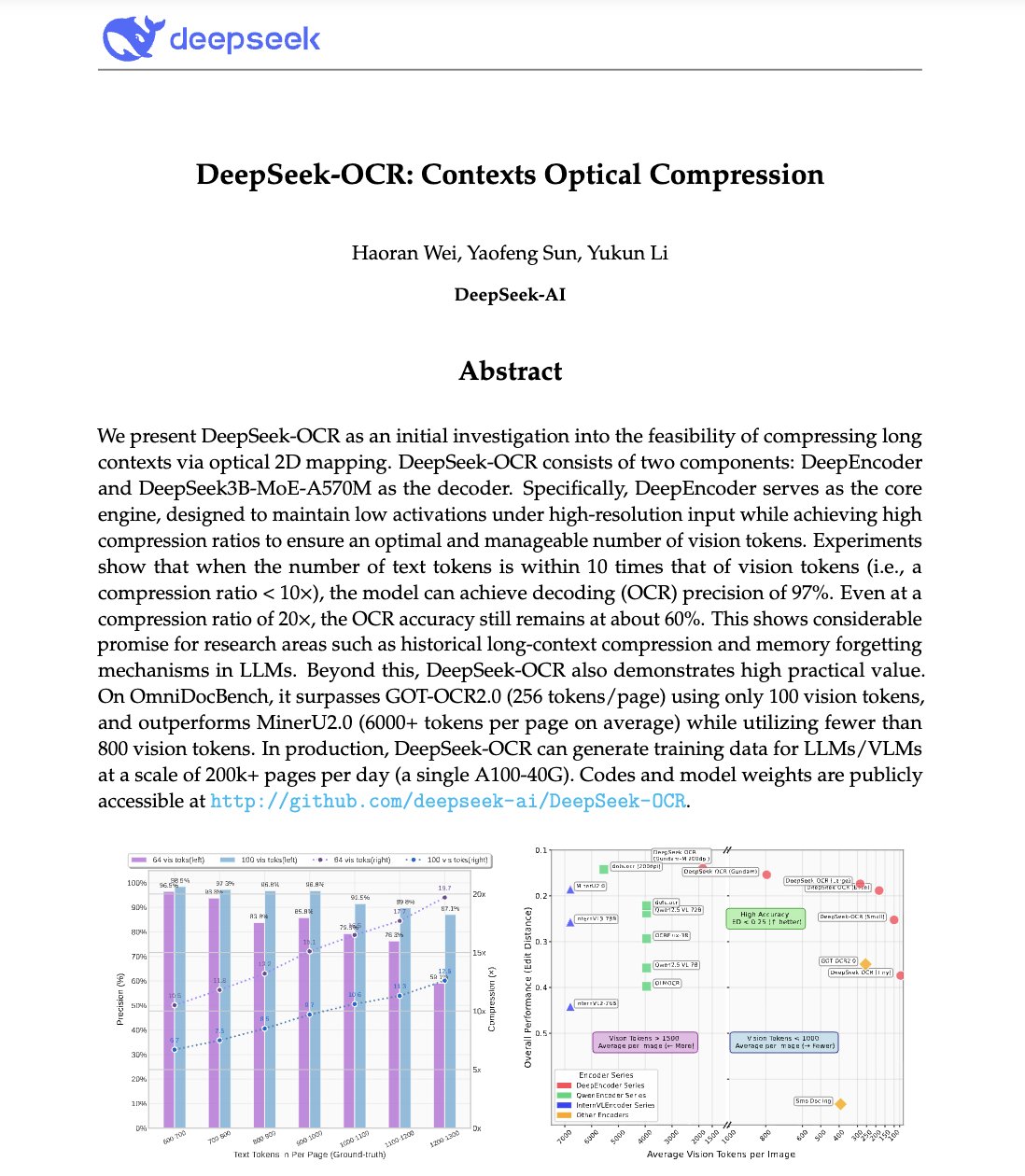
DeepSeek Introduces High-Efficiency OCR System Using Vision Tokens
By
–
DeepSeek just did something wild. They built an OCR system that compresses long text into vision tokens literally turning paragraphs into pixels. Their model, DeepSeek-OCR, achieves 97% decoding precision at 10× compression and still manages 60% accuracy even at 20×. That
-
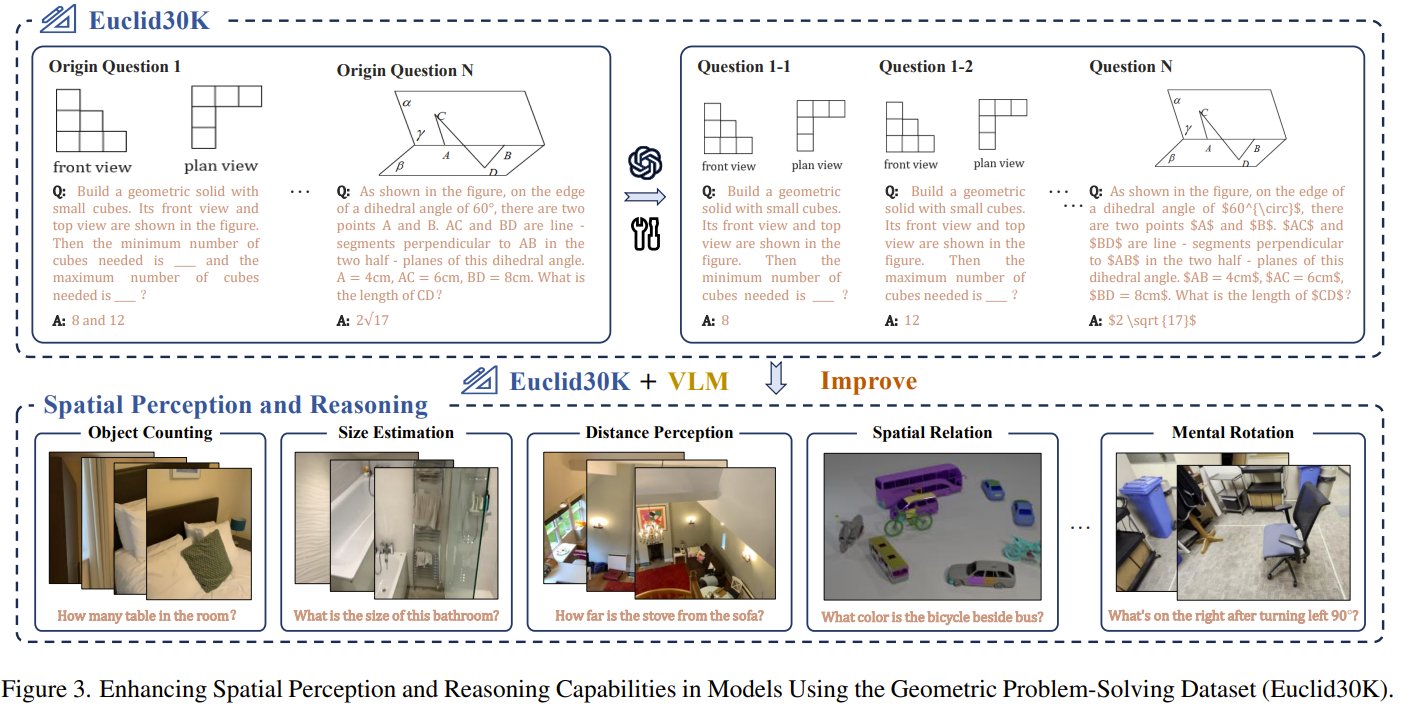
High School Geometry Improves Spatial Intelligence in AI Models
By
–
Can high school geometry teach AI to understand space? A new study tackles the critical challenge of spatial intelligence in Multimodal Large Language Models (MLLMs). Researchers found that fine-tuning models on Euclid30K, a new dataset of ~30,000 Euclidean geometry
-
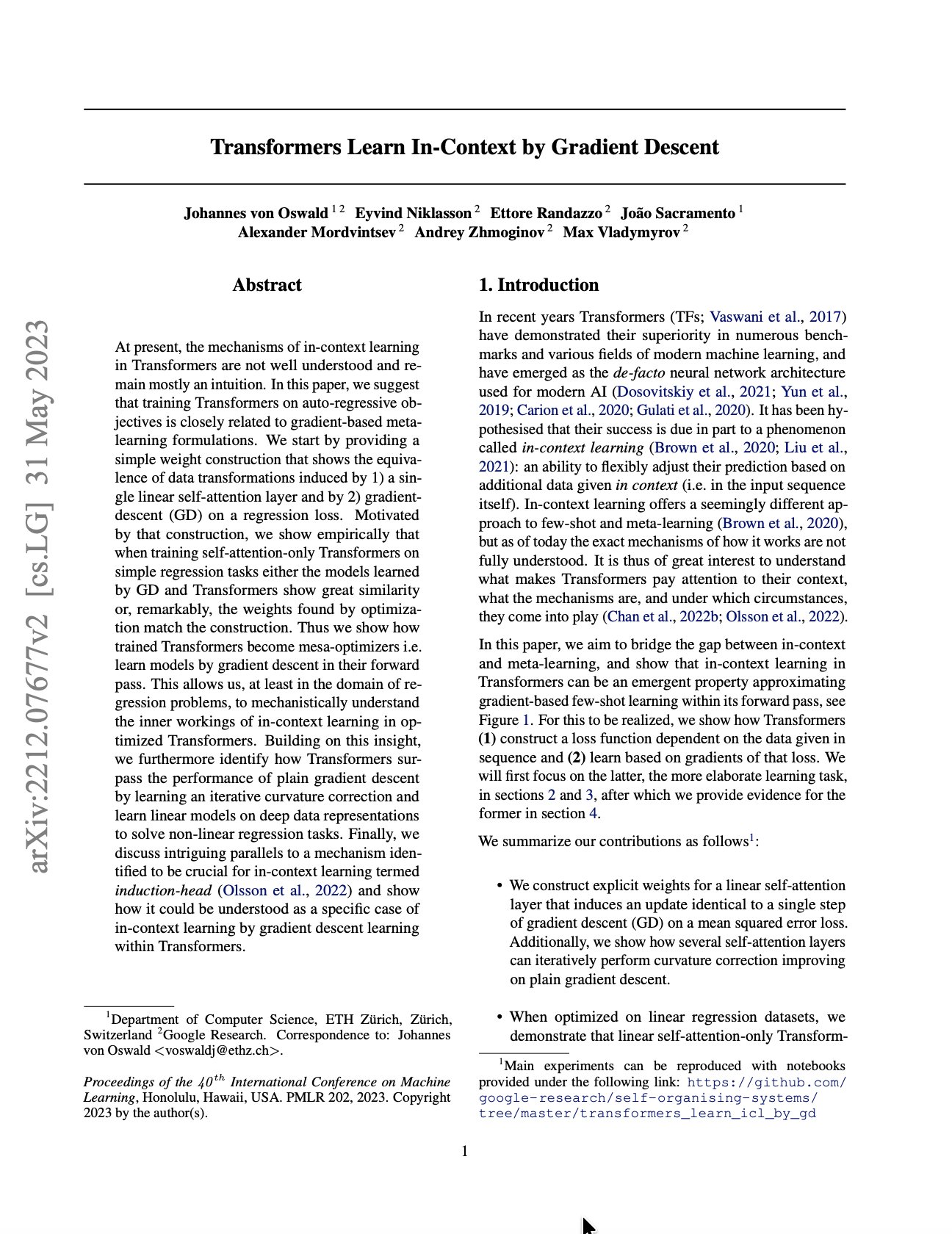
Transformers Learn In-Context Through Gradient Descent
By
–
Transformers learn in-context by gradient descent Oswald et al.: https://
arxiv.org/abs/2212.07677 #ArtificialIntelligence #DeepLearning #MachineLearning -

Hallucinations vs Confabulation: Rethinking RNN Behavior Terminology
By
–
It’s been a decade but yes I believe I hallucinated the term in my 2015 post on unreasonable effectiveness of RNNs. I later became aware that Geoff Hinton used “confabulate”, which is often (but I think not always) a better analogue in human psychology. It’s a bit too specific,