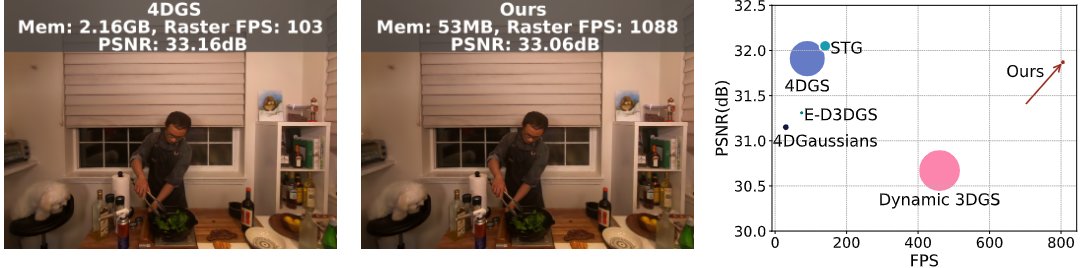
1000+ FPS 4D Gaussian Splatting for Dynamic Scene Rendering This paper presents 4DGS-1K, a faster and more memory-efficient framework for dynamic scene rendering, achieving over 1000 FPS on modern GPUs by improving 4D Gaussian Splatting (4DGS). Problem: 4DGS faces two
@askalphaxiv
-
Causal Emergence 2.0: Quantifying Emergent Complexity
By
–
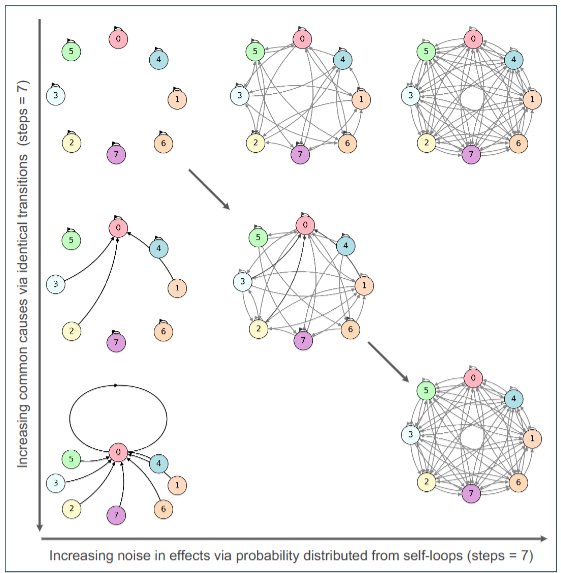
Causal Emergence 2.0: Quantifying emergent complexity This paper presents Causal Emergence 2.0 (CE 2.0), a theory that quantifies how different scales in complex systems contribute to causation and introduces a new measure of emergent complexity based on distributed causal
-
Top 10 Foundation Model Papers: Humanoid Robots and Multimodal LLMs
By
–
This week was huge for foundation models, from generalist humanoid robots to multimodal LLMs that learn from human preferences and negative examples – here are the top 10 papers for the week – DAPO: An Open-Source LLM Reinforcement Learning System at Scale
– GR00T N1: An -
DAPO: Open-Source RL Training for Qwen2.5-32B LLMs
By
–
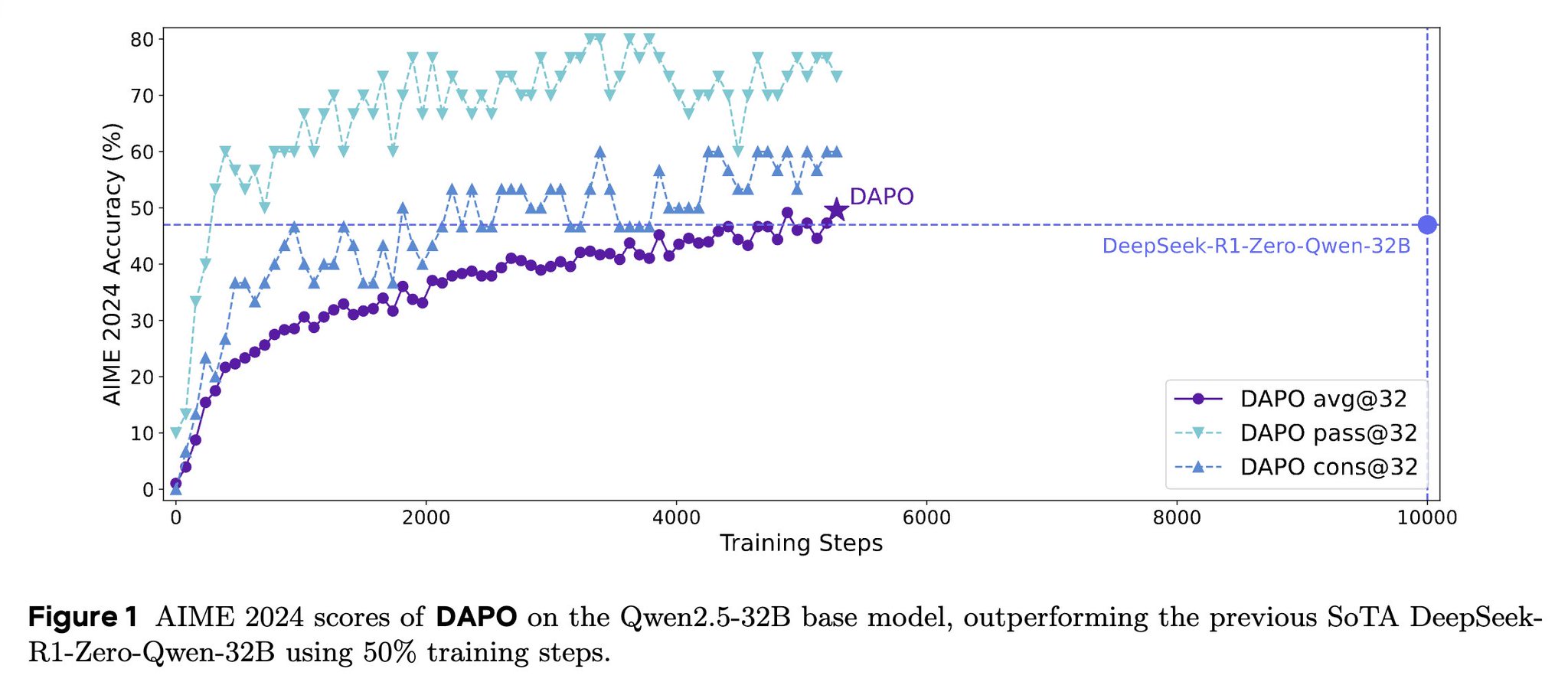
Reinforcement learning for LLMs—fully open-sourced DAPO trains Qwen2.5-32B with RL, hitting 50 points on AIME 2024, outperforming DeepSeek-R1-Zero after just 50% of the training steps. Open-source code & dataset
Improved training stability Trending #1 on alphaXiv -
ArXiv Paper Curation Platform Powered by Community Engagement
By
–
We’re curating the most viewed and liked papers on arXiv every day 👀
— alphaXiv (@askalphaxiv) 20 mars 2025
You can now browse through AI papers based on what our community of hundreds of thousands of researchers enjoy most
Crowdsourced from alphaXiv and our Chrome extension
Goodreads for arXiv🚀 pic.twitter.com/yEqKLZG6CiWe’re curating the most viewed and liked papers on arXiv every day You can now browse through AI papers based on what our community of hundreds of thousands of researchers enjoy most Crowdsourced from alphaXiv and our Chrome extension Goodreads for arXiv
-
Transformers Excel at 3D Vision with Multi-Image Processing
By
–
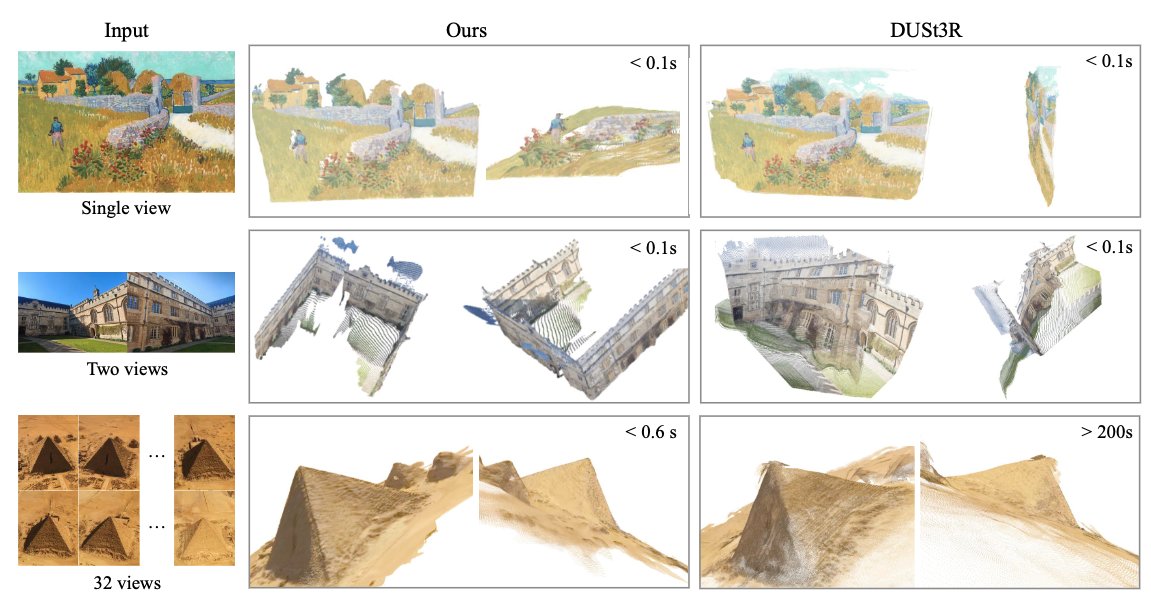
New paper from Oxford and Meta AI demonstrates how powerful transformers are becoming for 3D vision tasks. This single model can: • Process 1-200+ images simultaneously • Predict complete 3D scene geometry • Operate in <1 second Trending on alphaXiv
-
Technical Advances in AI Safety and Model Fine-tuning Methods
By
–
Technical Report http://
intology.ai/blog/zochi-tec
h-report
… Siege Multi Turn Jailbreak http://
alphaxiv.org/abs/2503.10619 Compositional Subspace Representation Fine tuning http://
alphaxiv.org/abs/2503.10617 -
Two papers advance LLM jailbreaking and multi-domain adaptation
By
–
Paper 1: Siege sets the state-of-the-art on jailbreaking, formalizing multi-turn attacks as a tree search, achieving an 100% attack success rate on leading LLMs. Paper 2: CS-ReFT adapts LLMs to multiple new domains simultaneously by editing model subspaces, enabling
-
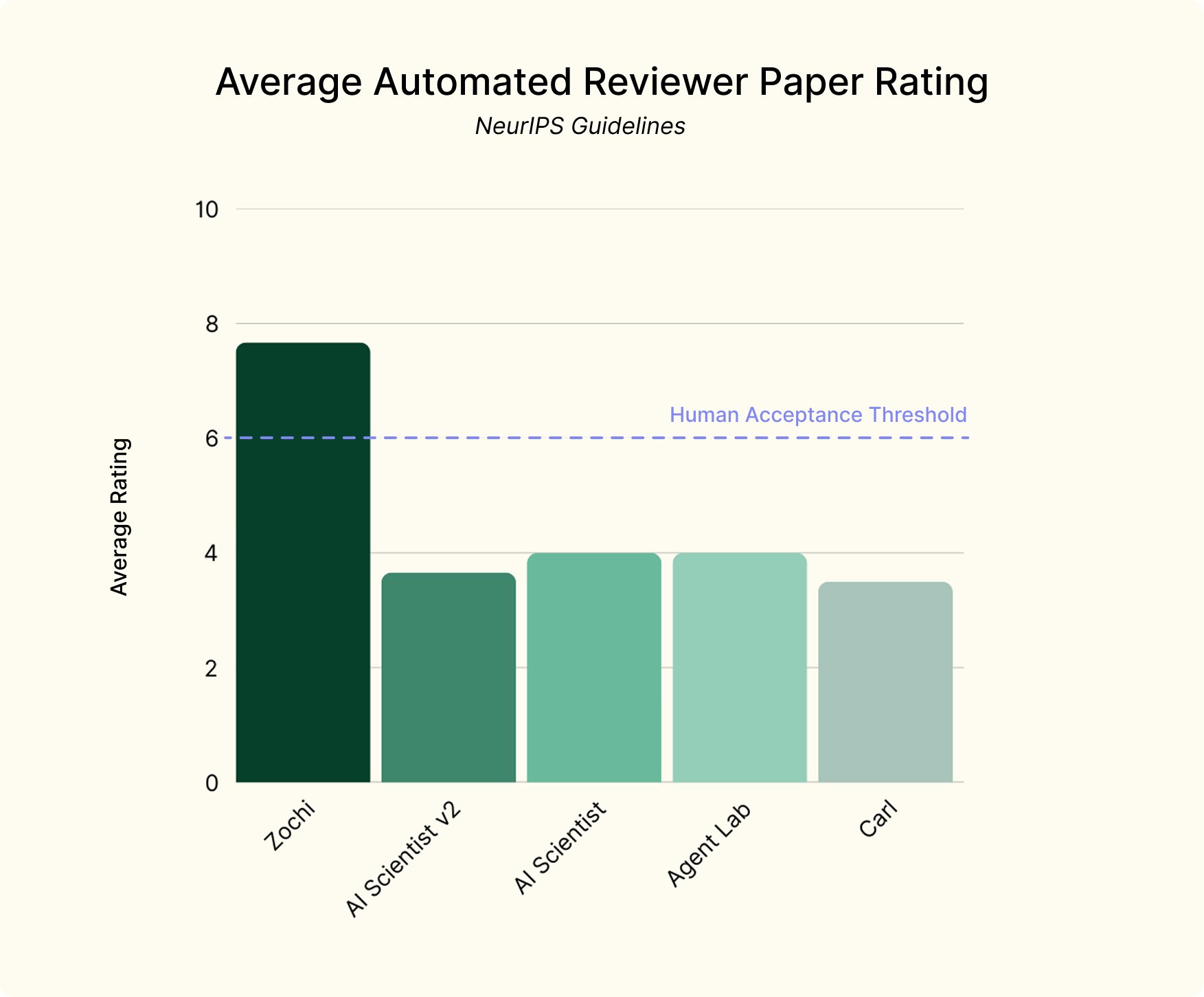
Zochi AI Scientist Publishes Accepted Papers at ICLR 2025
By
–
@IntologyAI releases Zochi, an Artificial Scientist that produced multiple accepted papers at ICLR 2025 workshops, presenting state-of-the-art results! Zochi discovers novel methods in diverse domains, from parameter-efficient tuning & jailbreaking to computational biology.
-
InAs-Al Hybrid Devices Achieve Topological Gap Protocol
By
–
Comment on “InAs-Al hybrid devices passing the topological gap protocol”,
Microsoft Quantum, Phys. Rev. B 107, 245423 (2023) Read and discuss the paper here: http://
alphaxiv.org/abs/2502.19560