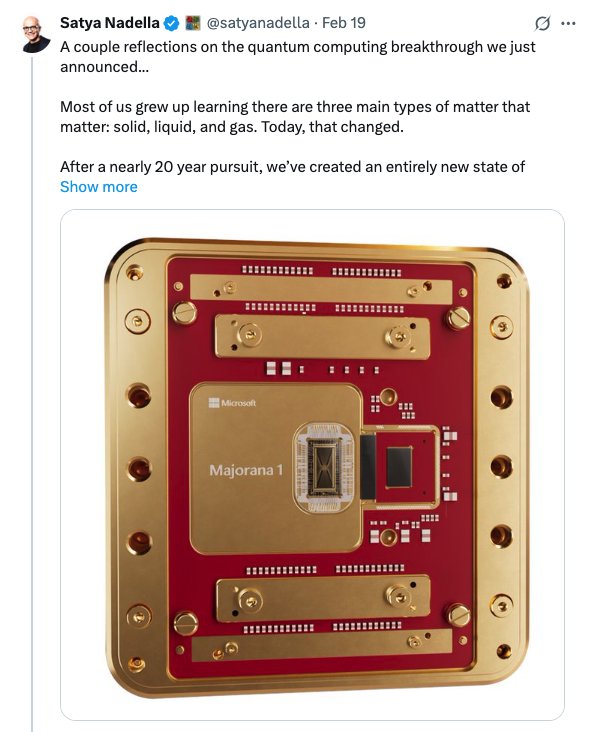
Significant critique of Microsoft Quantum's results just released on arXiv: – Protocol definition differs between published paper and code – Results depend on unexplained measurement choices, not device properties Trending on alphaXiv
@askalphaxiv
-
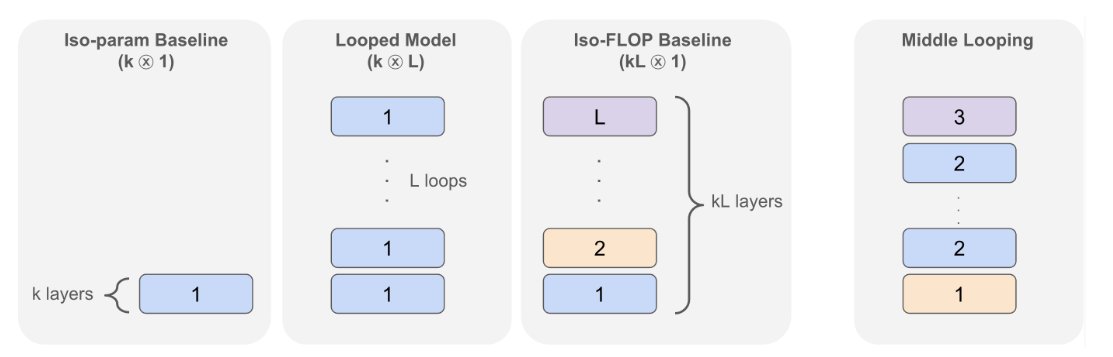
Looped Transformers Enhance Reasoning Through Depth Over Parameters
By
–
Reasoning with Latent Thoughts: On the Power of Looped Transformers This paper explores the potential of looped transformers—models that reuse the same layers multiple times—for reasoning tasks. It argues that depth, rather than parameter count, is the key driver of reasoning
-

ESPnet-SpeechLM: Open Source Speech Language Model Toolkit
By
–
ESPnet-SpeechLM: An Open Speech Language Model Toolkit ESPnet-SpeechLM is an open-source toolkit for developing Speech Language Models (SpeechLMs) and voice-driven applications. It simplifies speech processing by framing tasks as sequential modeling problems, automating data
-
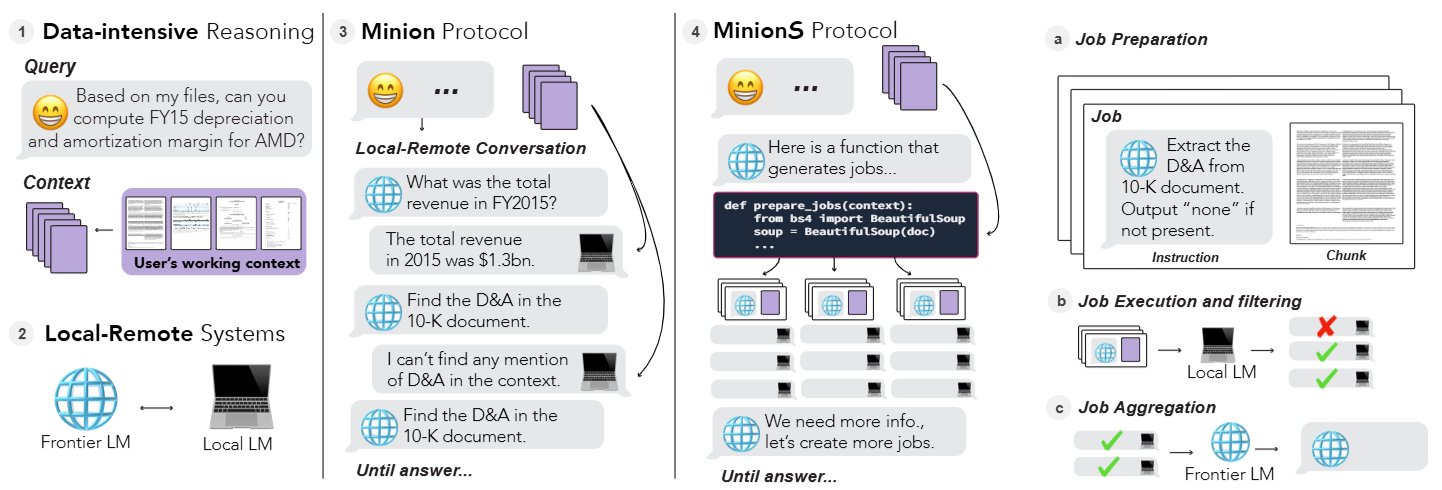
Cost-Efficient Collaboration Between On-Device and Cloud Language Models
By
–
Minions: Cost-efficient Collaboration Between On-device and Cloud Language Models This paper explores a cost-efficient collaboration between small, on-device language models (LMs) and large, cloud-hosted LMs for data-intensive tasks. The MinionS protocol improves task
-
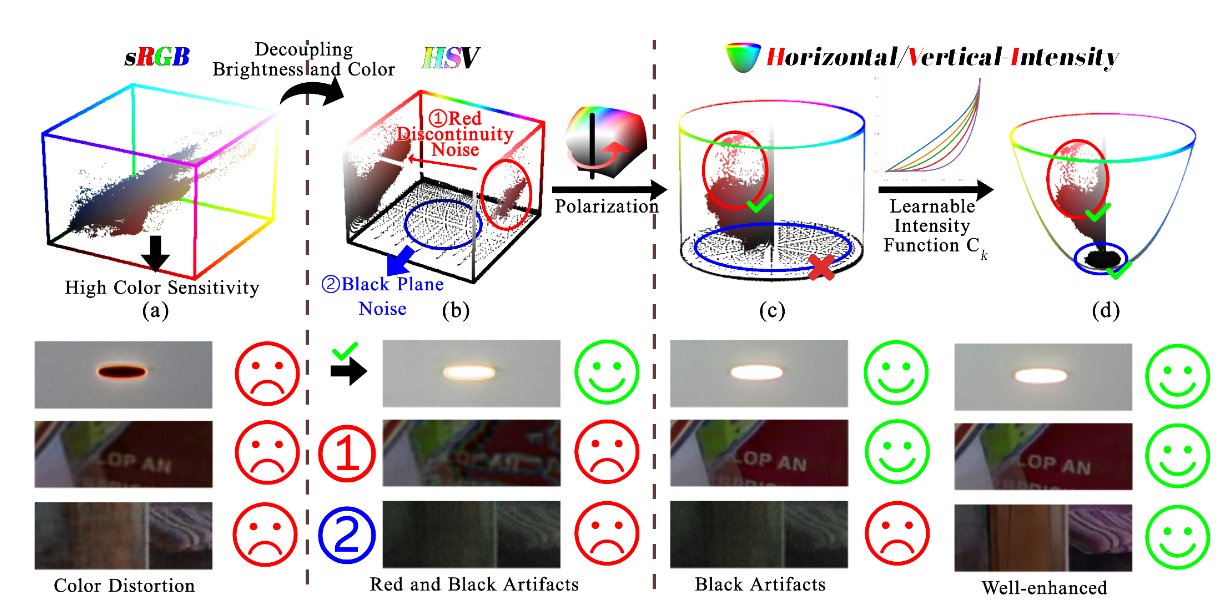
HVI Color Space for Low-Light Image Enhancement
By
–
HVI: A New color space for Low-light Image Enhancement This paper introduces HVI, a new color space designed for Low-Light Image Enhancement (LLIE), addressing the color bias and brightness artifacts found in traditional RGB and HSV spaces. The authors also propose CIDNet, a
-
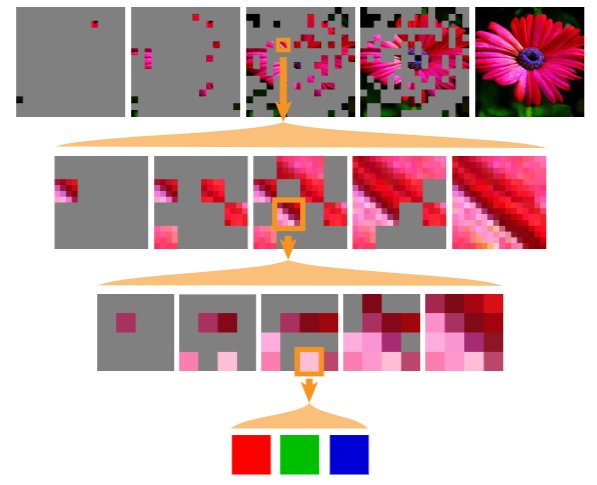
Fractal Generative Models: New Self-Similar Architecture Paradigm
By
–
Fractal Generative Models Overview: This paper introduces fractal generative models, a new paradigm where generative models are recursively structured using atomic generative modules, resulting in self-similar architectures inspired by fractals in mathematics. The framework is
-
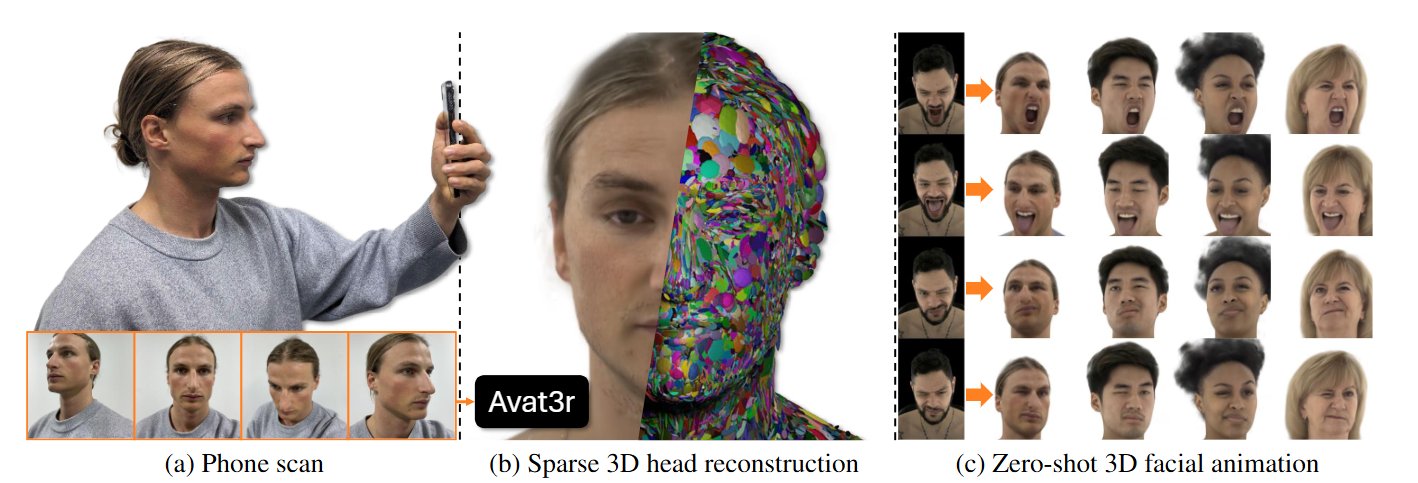
Avat3r: High-Fidelity 3D Head Avatar Creation from Images
By
–
Avat3r: Large Animatable Gaussian Reconstruction Model for High-fidelity 3D Head Avatars Avat3r is a model for creating high-quality, animatable 3D head avatars from just a few images, eliminating the need for expensive multi-view capture setups. It leverages large
-

Bi’an: Bilingual Benchmark for RAG Hallucination Detection
By
–
Bi'an: A Bilingual Benchmark and Model for Hallucination Detection in Retrieval-Augmented Generation Bi’an introduces a bilingual benchmark dataset (Bi’anBench) and lightweight judge models for hallucination detection in Retrieval-Augmented Generation (RAG). The dataset spans
-

FFTNet: Efficient FFT-Based Alternative to Self-Attention
By
–
The FFT Strikes Back: An Efficient Alternative to Self-Attention FFTNet replaces self-attention with an efficient O(n log n) spectral filtering approach using the Fast Fourier Transform (FFT). By operating in the frequency domain, it captures long-range dependencies while a
-
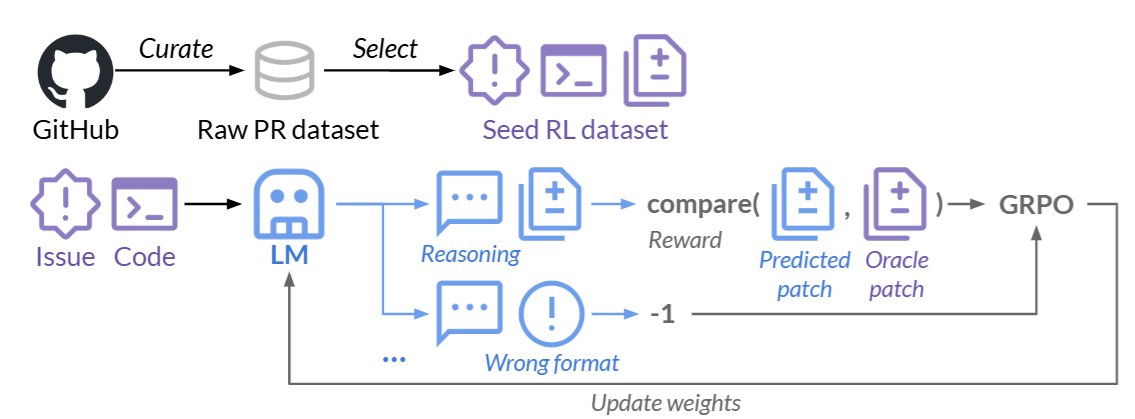
SWE-RL: Enhancing LLM Reasoning Through Software Evolution
By
–
SWE-RL: Advancing LLM Reasoning via Reinforcement Learning on Open Software Evolution SWE-RL is a reinforcement learning (RL) approach that enhances LLM reasoning for software engineering by learning from open-source software evolution data. It trains Llama3-SWE-RL-70B on GitHub