95% of enterprise AI projects fail to deliver. but rarely because the model is bad. they fail because teams can’t answer the harder questions: – how do we govern this?
– how do we prove ROI?
– how do we deploy it safely in regulated environments?
– how do we move beyond
@akshay_pachaar
-
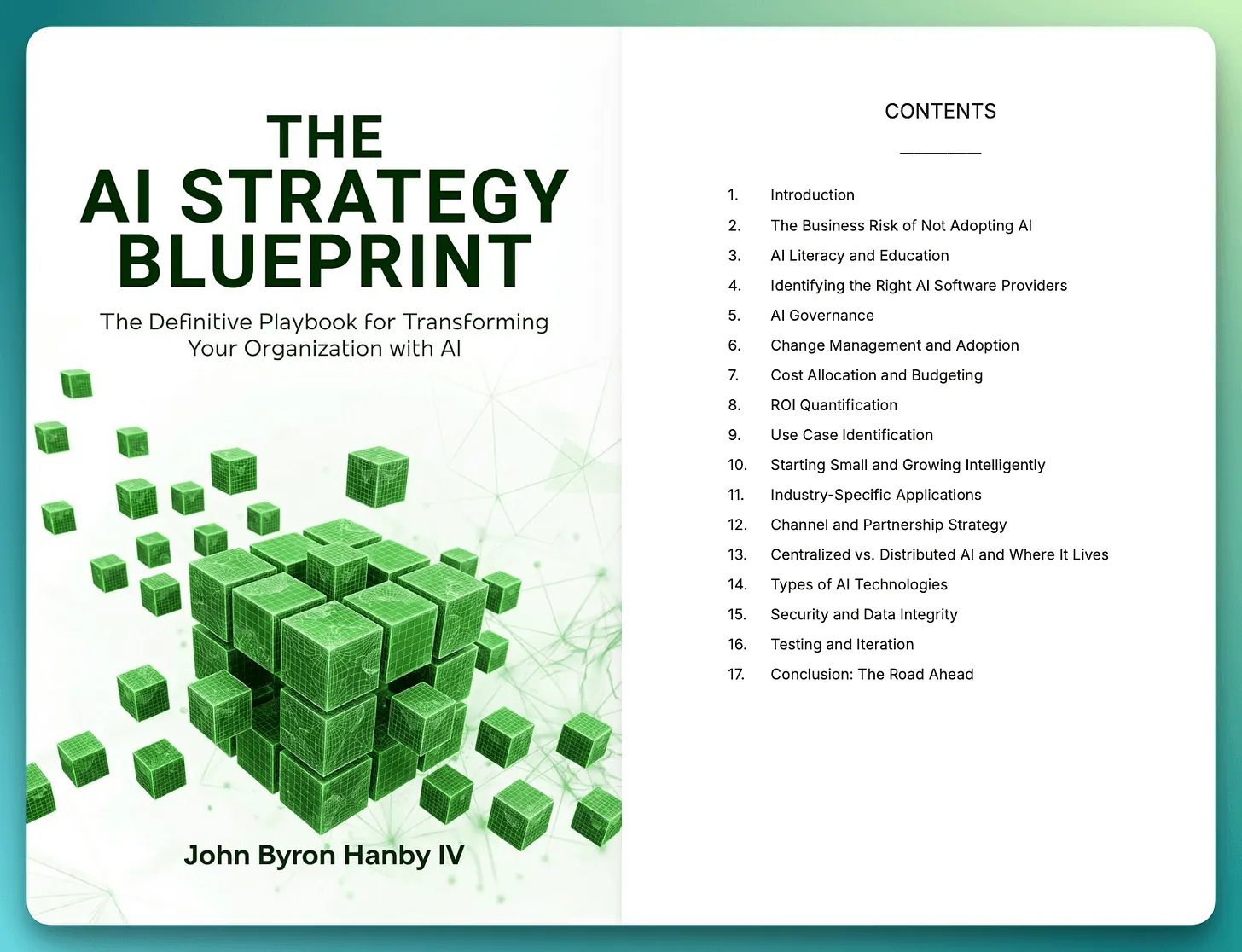
Pourquoi 95% des projets IA échouent en entreprise
By
–
-
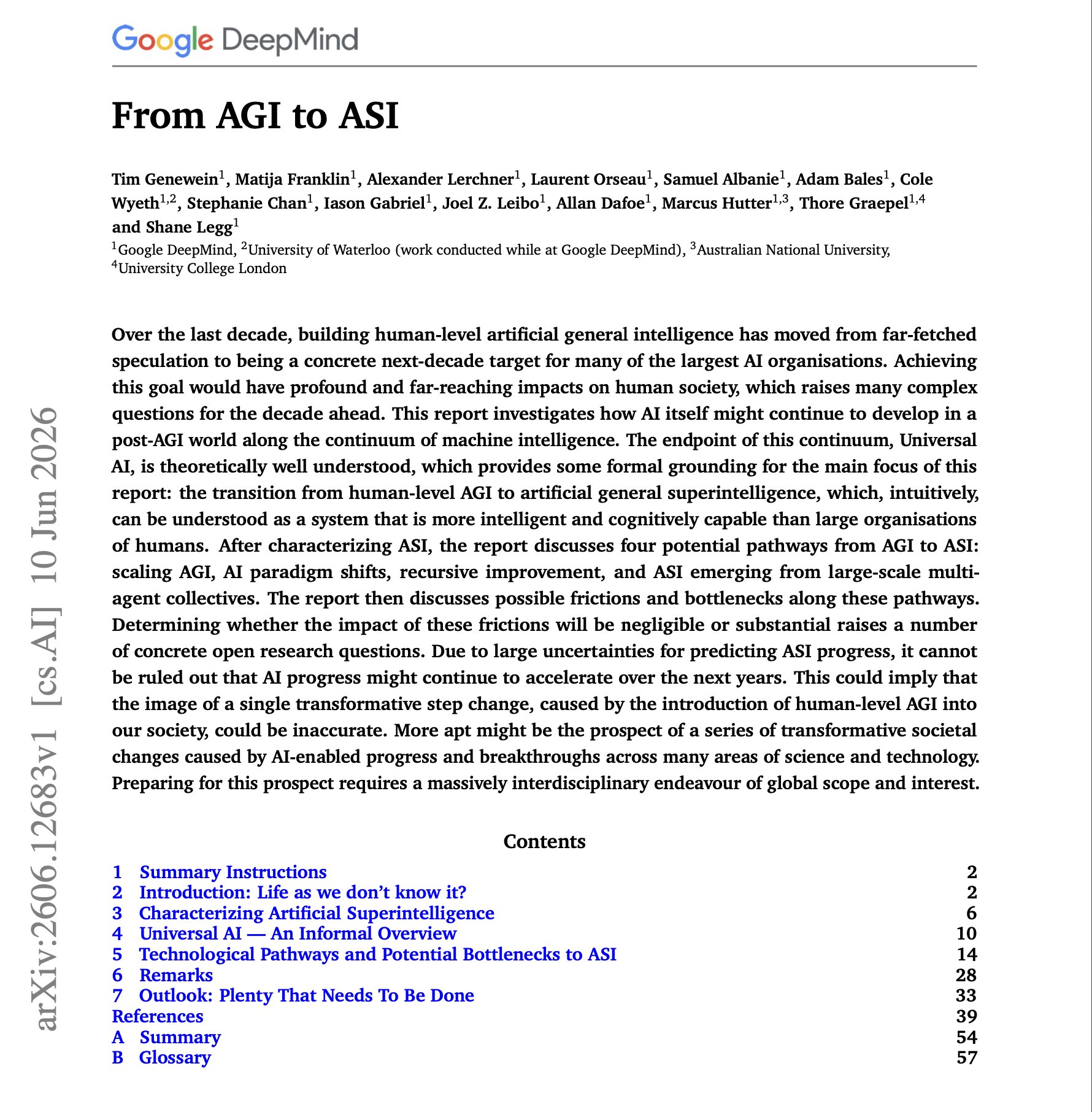
Google DeepMind paper maps the path from AGI to ASI
By
–
From AGI → ASI Google just mapped what comes after human-level AI. there's a brilliant new paper from Google DeepMind called "From AGI to ASI," and it skips the fight everyone else is having. almost every AI debate today is about reaching human-level intelligence. this one
-
Top Claude Code CLI integrations for GitHub superpowers
By
–
The top Claude Code CLI integrations to give you superpowers:
— Akshay 🚀 (@akshay_pachaar) 13 juin 2026
1. GitHub
The repo stops being a folder of files and becomes something the agent actually runs.
It reads and writes issues, PRs, Actions, and releases, so it works the codebase the way an engineer does, not by… https://t.co/vkws3sfWNu pic.twitter.com/s1pES1yZIqThe top Claude Code CLI integrations to give you superpowers: 1. GitHub The repo stops being a folder of files and becomes something the agent actually runs. It reads and writes issues, PRs, Actions, and releases, so it works the codebase the way an engineer does, not by
-
Claude Code: no visibility into production issues
By
–
You'll regret using Claude Code without this.
— Akshay 🚀 (@akshay_pachaar) 13 juin 2026
Claude Code stops at the boundary of your terminal.
It has no visibility into Datadog traces, Jira tickets, Slack decision history, or cloud infra state.
So when something breaks in production, Claude Code isn't there. When the… pic.twitter.com/igWgs8AhQlYou'll regret using Claude Code without this. Claude Code stops at the boundary of your terminal. It has no visibility into Datadog traces, Jira tickets, Slack decision history, or cloud infra state. So when something breaks in production, Claude Code isn't there. When the
-
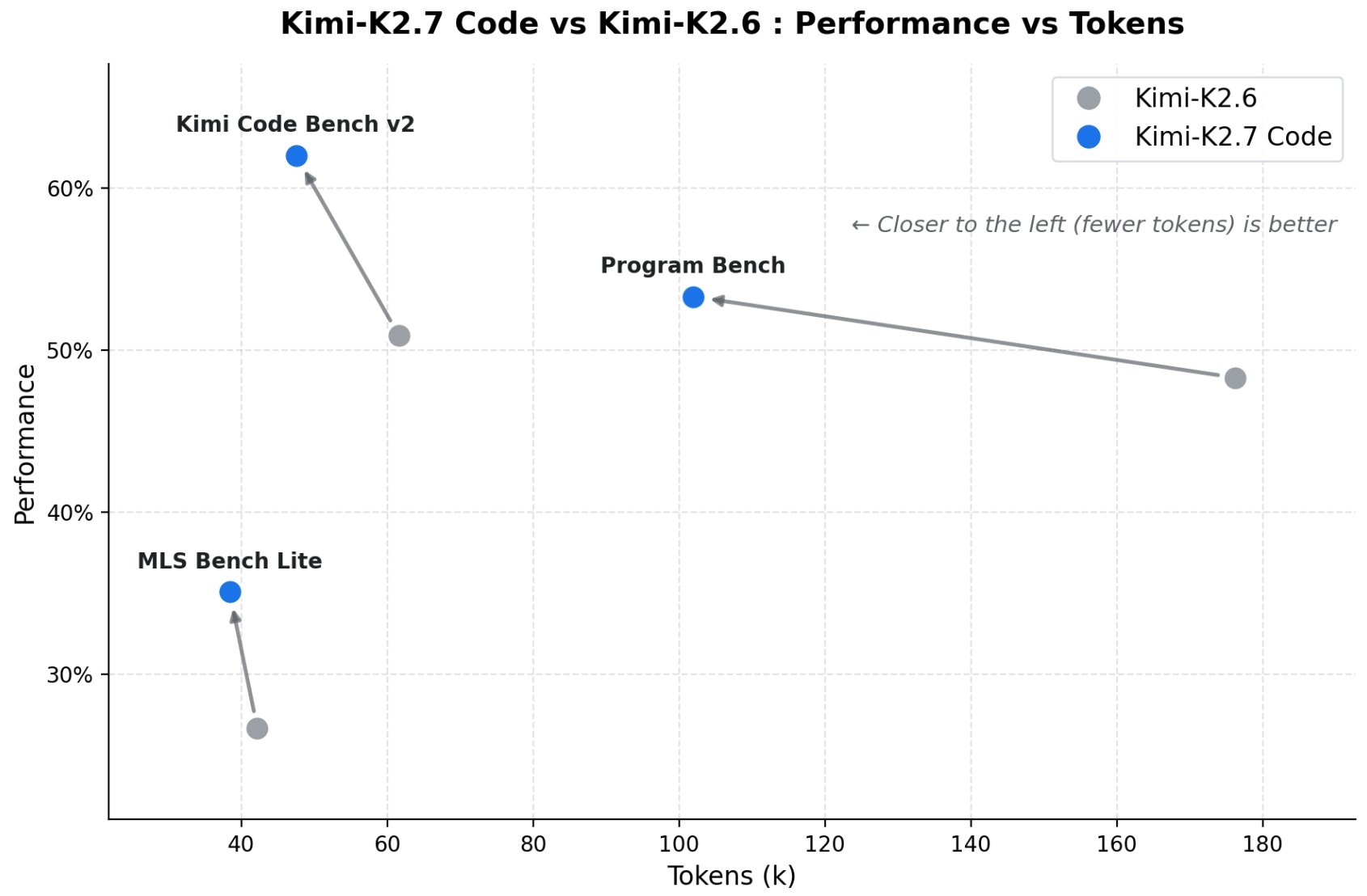
Kimi K2.7 Code Proves Less Thinking Improves Coding Performance
By
–
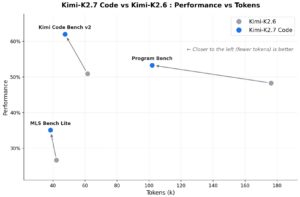
The less your model thinks, the better it codes. Kimi K2.7 Code proved it. The entire reasoning model space has been moving in one direction. More thinking tokens, longer chains, bigger reasoning budgets. Kimi just challenged that. K2.7 Code scores higher than K2.6 on every
-
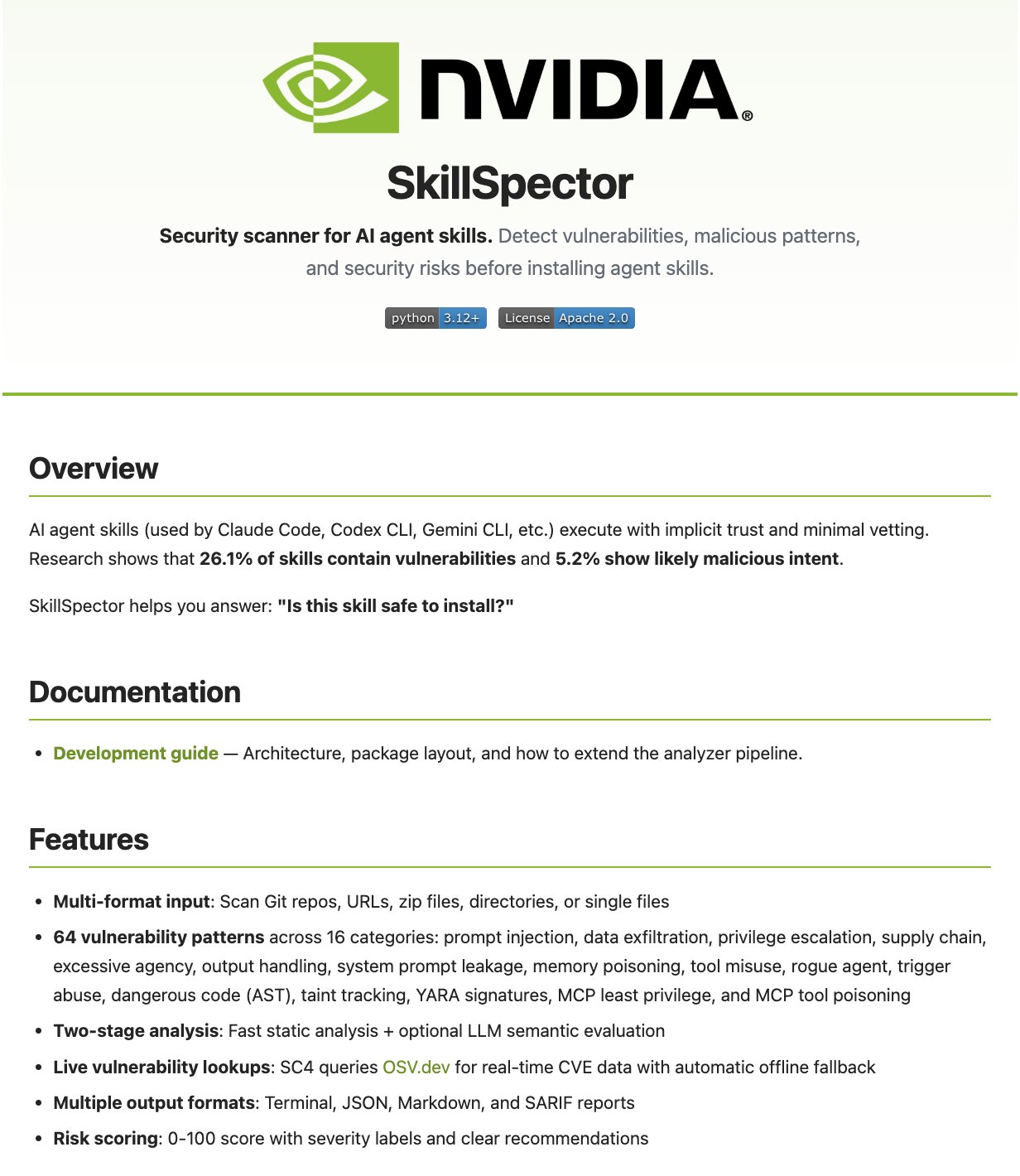
NVIDIA open-sources key AI project bundling instructions and real skills
By
–
NVIDIA might just have open-sourced one of the most important AI projects right now. everyone is building skills, and we are also pulling in skills other people wrote and downloading them straight off GitHub. the skill is not just text. it bundles instructions and real
-
Speculative decoding makes LLMs 8.5x faster without accuracy loss
By
–
Researchers found a way to make LLMs 8.5x faster!
— Akshay 🚀 (@akshay_pachaar) 11 juin 2026
(without compromising accuracy)
Speculative decoding is quite an effective way to address the single-token bottleneck in traditional LLM inference.
A small "draft" model first generates the next several tokens, then the large… https://t.co/JCdqjCKcKU pic.twitter.com/HbKmRqdF5PResearchers found a way to make LLMs 8.5x faster! (without compromising accuracy) Speculative decoding is quite an effective way to address the single-token bottleneck in traditional LLM inference. A small "draft" model first generates the next several tokens, then the large
-
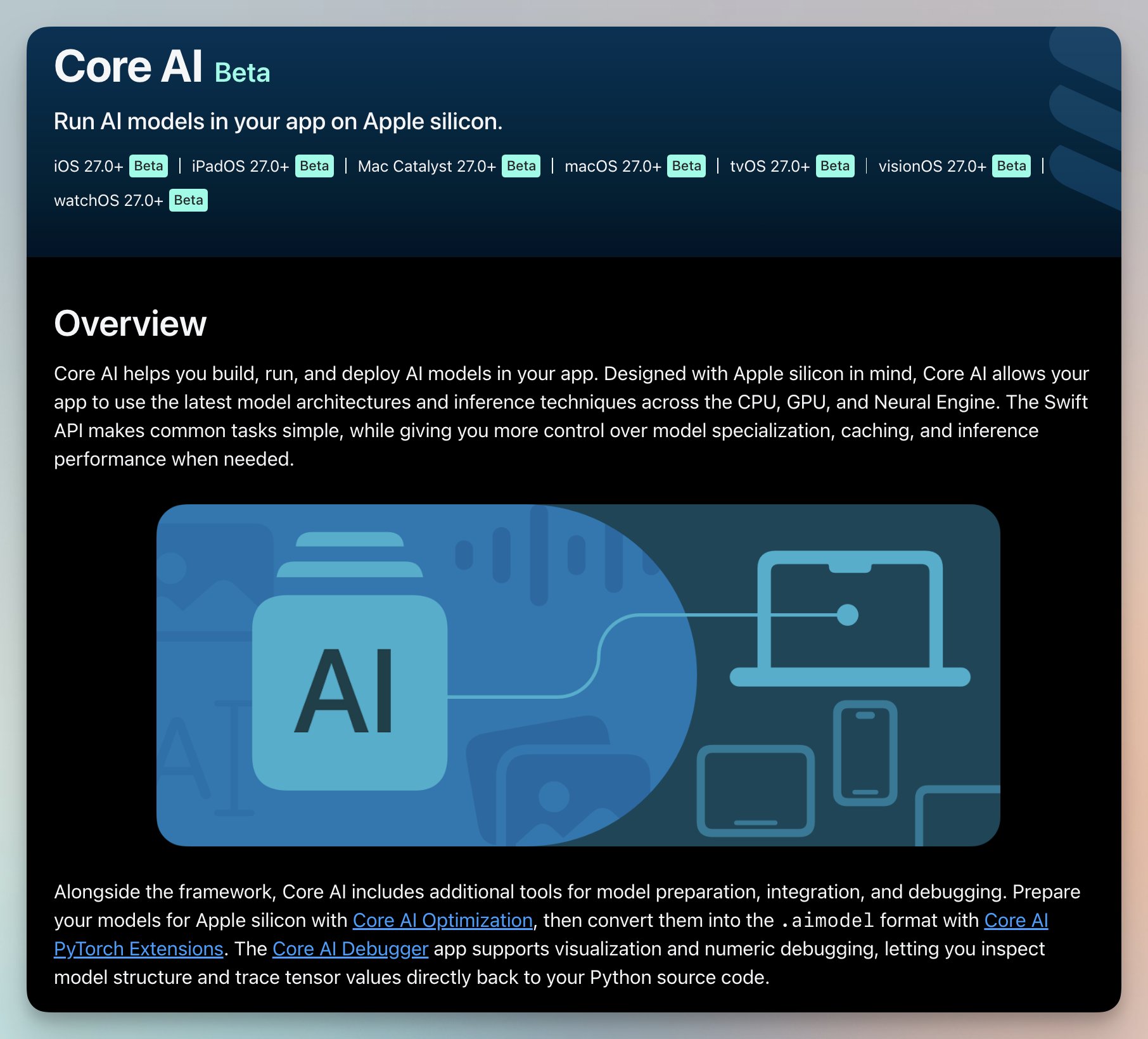
Apple’s Core AI runs models entirely on-device
By
–
Apple finally did it. Its new framework, Core AI, runs models entirely on Apple silicon, so inference happens on the user's device with zero server calls and zero token bills. That means Qwen, Mistral, and SAM3 running natively across iPhone, iPad, Mac, and Vision Pro. It's a
-
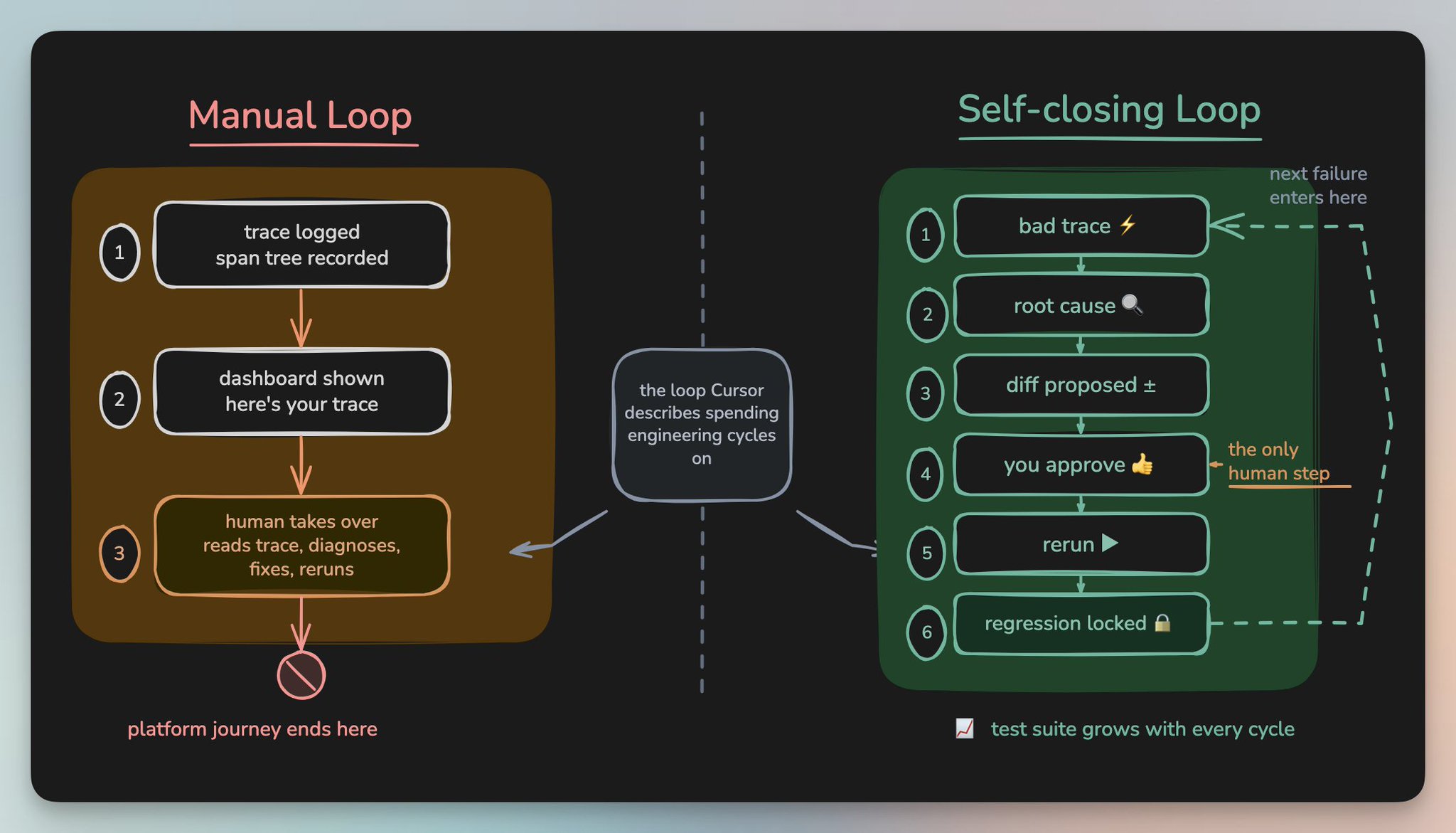
Loop engineering: design loops that prompt agents; unattended loops fail.
By
–
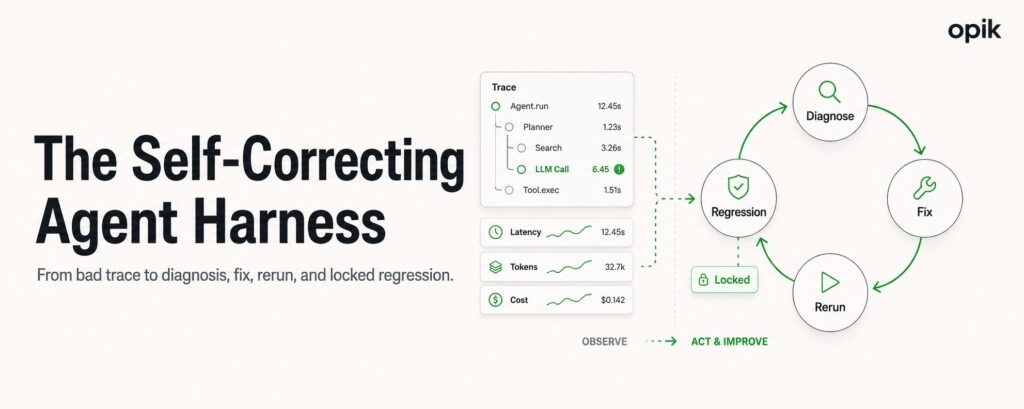
about loop engineering. everyone's saying the same thing this week. you don't prompt agents anymore, you design loops that prompt them. here's the job that loop hands right back to you. a loop running unattended is also a loop failing unattended. loop engineering takes you
-
Spans show outputs not intent; logging reasoning helps
By
–
Right. Spans show what got called, not what the agent thought it was doing in between. Ollie walks the causal chain to find where it broke, but intent still gets pieced together from outputs. Logging the model's reasoning as its own span helps, but most frameworks skip it by