Good question. The host coordinates OAuth, usually opening the provider’s login page outside the iframe. It then sends the access token only to the MCP server. The embedded UI calls authenticated tools through the host, so the token itself is not exposed to the UI.
@akshay_pachaar
-
OpenAI, Anthropic, Microsoft Back MCP Apps Standard for AI Chats
By
–
OpenAI, Anthropic and Microsoft all back the same standard for running apps inside AI chats.
— Akshay 🚀 (@akshay_pachaar) 2 octobre 2026
Booking .com, Figma, and Canva are already using it.
Still, most developers have never heard of it.
It's called MCP Apps.
So, why does it matter?
The next time someone buys from your… https://t.co/GftwGSQfcs pic.twitter.com/0MDJ5eWqISOpenAI, Anthropic and Microsoft all back the same standard for running apps inside AI chats. Booking .com, Figma, and Canva are already using it. Still, most developers have never heard of it. It's called MCP Apps. So, why does it matter? The next time someone buys from your
-
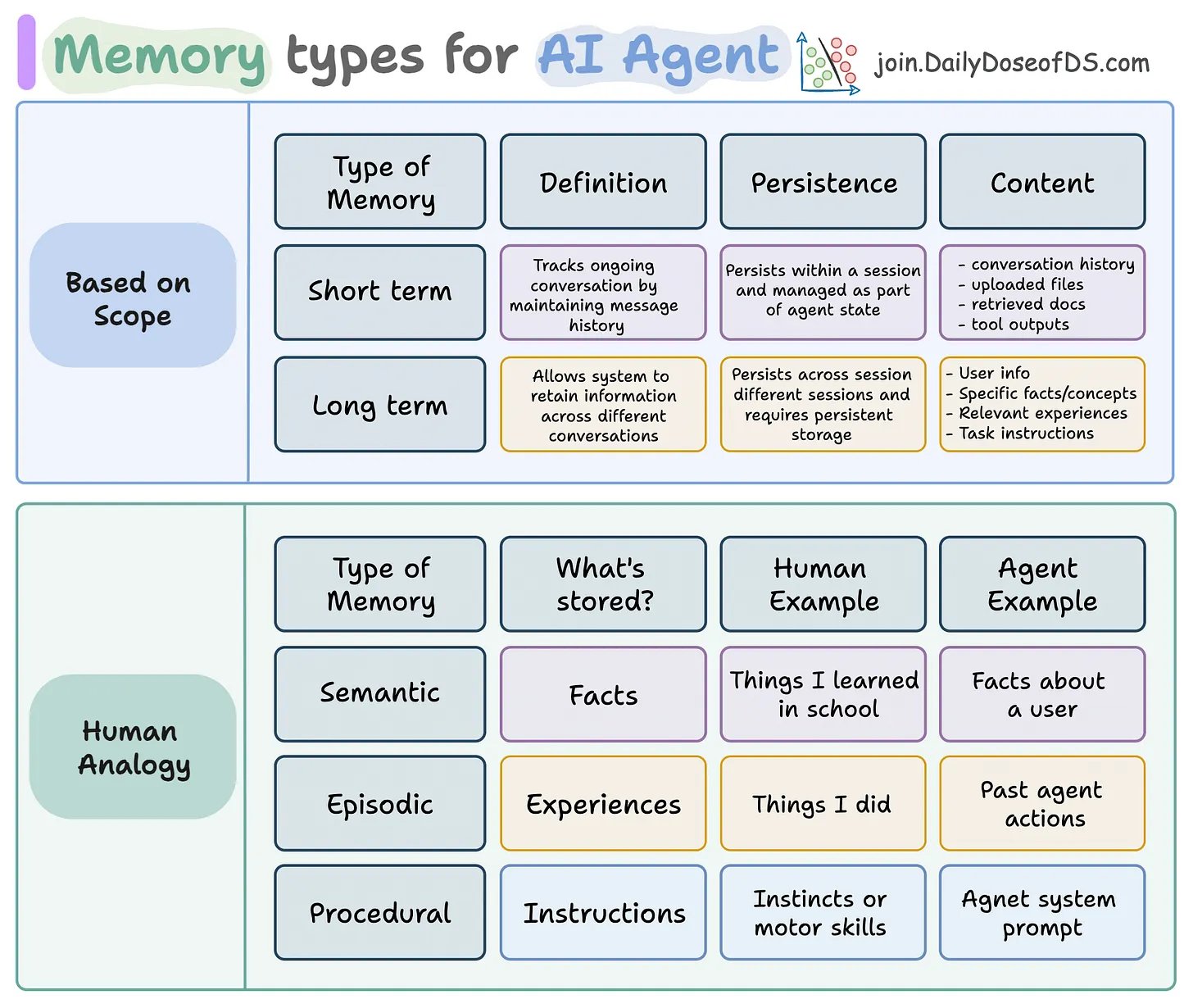
LLM agents are stateless without external memory
By
–
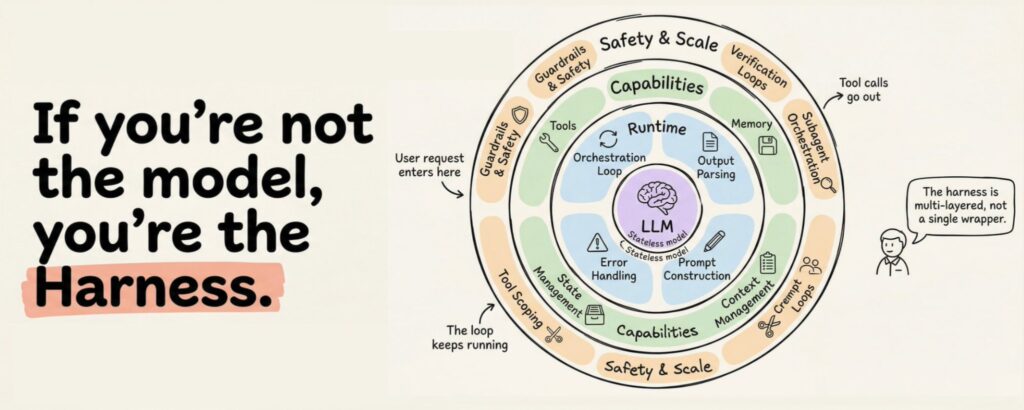
Agents without memory aren't agents at all. An LLM can appear to remember because the application keeps sending previous messages back with each request. The model itself is still stateless. Start a new session without stored history, and every preference, decision, and
-
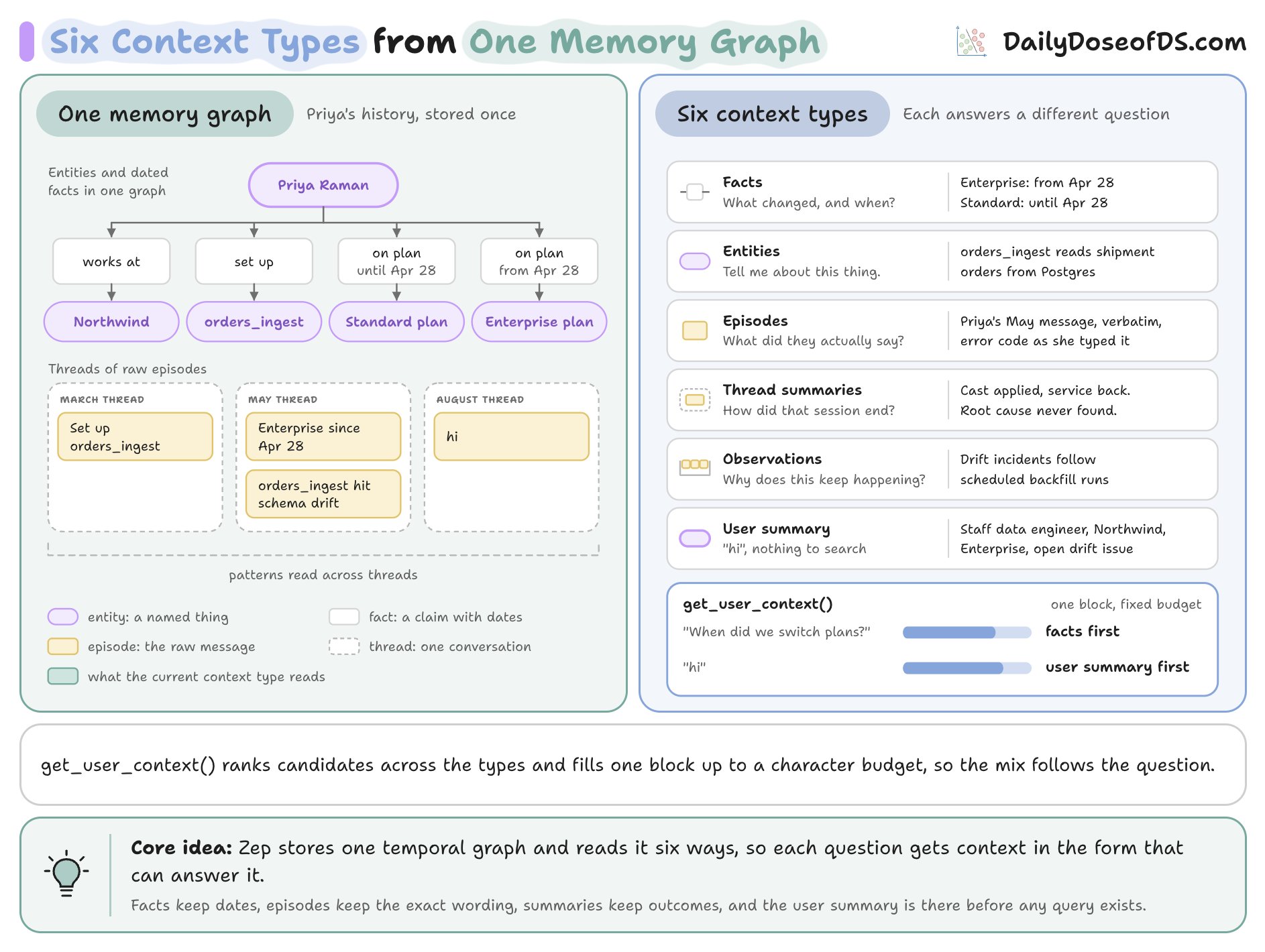
Six context types for agent memory systems
By
–
6 context types for agent memory. (retrieving facts alone is not memory) An agent may need the current truth, exact original wording, the outcome of a session, or a pattern across several conversations. Those requests require different forms of context. A useful memory system
-
LMCache offloads KV cache to CPU, disk, or S3 instead of evicting
By
–
Compression is one way to fight the KV cache wall. The other is to not throw the KV away. LMCache reuses and offloads it to CPU, disk, or S3 instead of evicting. Already plugs into vLLM, SGLang, and NVIDIA Dynamo. Worth a star if you serve LLMs.
-
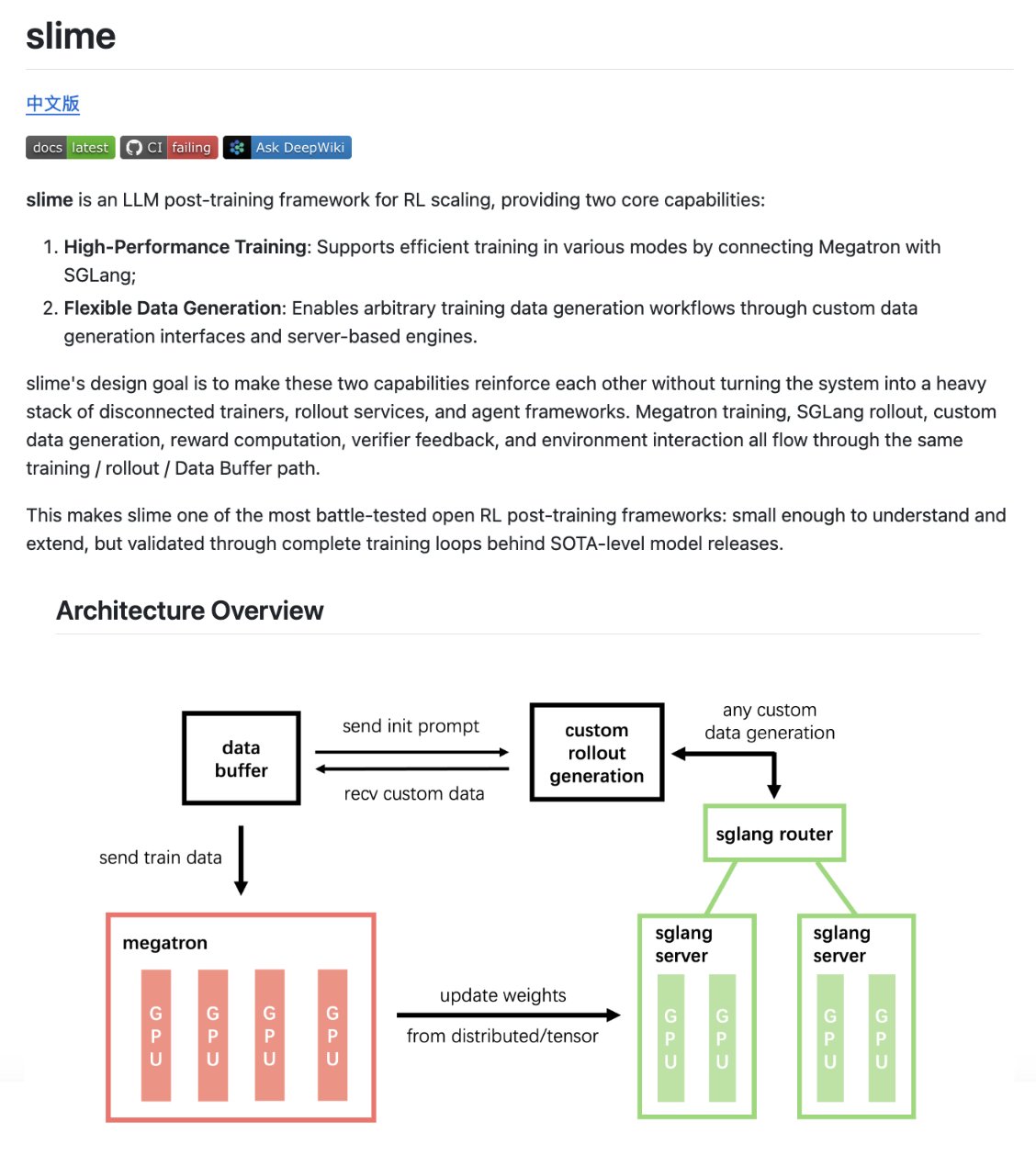
Slime: Open source RL framework behind GLM-5.2 post-training
By
–
The RL framework behind GLM-5.2 is fully open source. The full post-training of GLM-5.2 ran on it in about two days. The same stack sits behind the entire GLM series, from 4.5 to 5.1. It is called slime, and it is built around one idea. Keep a single RL kernel, and push all the
-
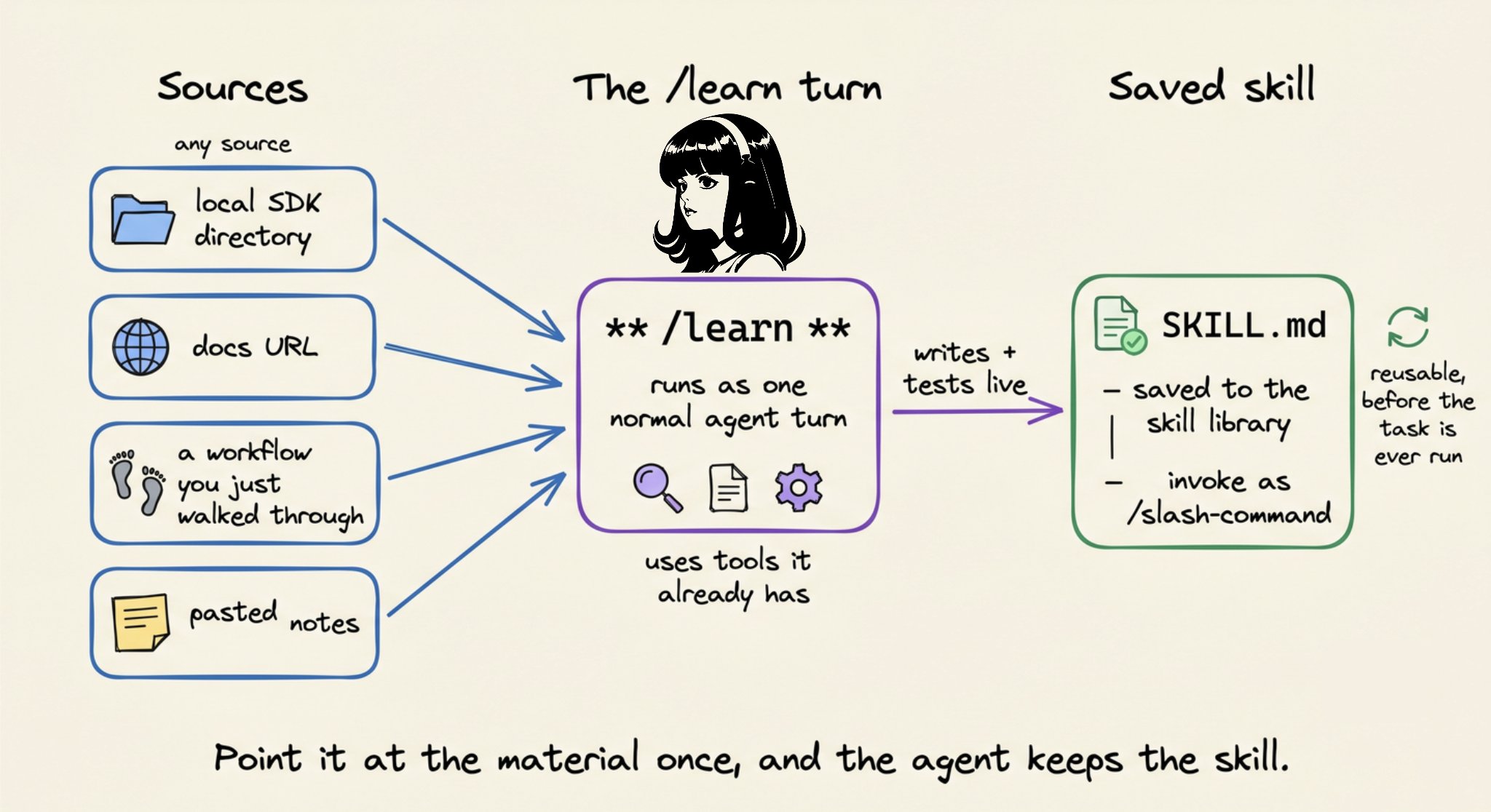
Hermes Agent learns by failing and recording lessons
By
–
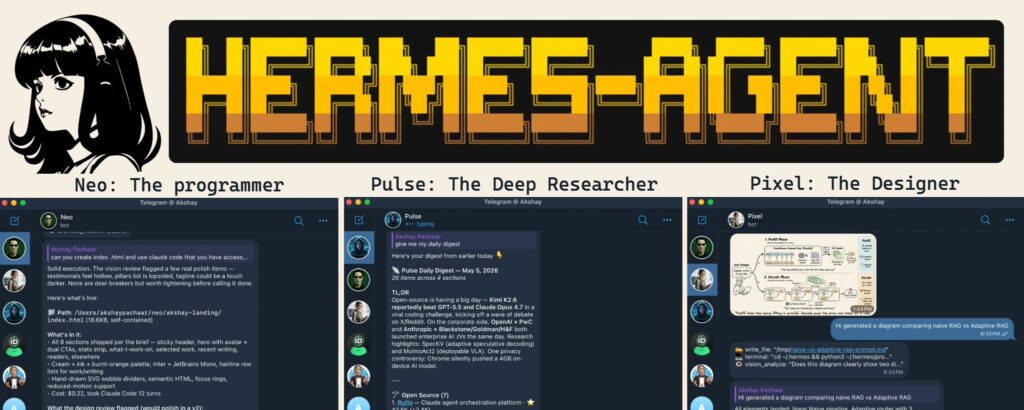
Hermes /learn explained. agents usually learn the hard way. they struggle through a task live, fail a few times, find the path that works, and only then write down what they figured out. the lesson costs you a painful session before it becomes reusable. Hermes Agent by Nous
-
Engineering focus shifting to exit conditions and context budget
By
–
right, you can see it in where teams spend their time now. two years ago it was prompt wording. today it's the exit conditions, the context budget, and the checker that grades the work. same loop in the middle. all the engineering moved to the edges.
-
Loop raises floor, not the ceiling of model capability
By
–
agreed, the loop doesn't replace model capability. a weak model in a tight loop still hits a ceiling on hard edge cases. the claim is narrower. for a fixed model, the loop decides how much of that capability you actually get out. it raises the floor, it doesn't move the ceiling.
-
Better loop beats model swap; cost key for exit condition
By
–
fair, a stronger model raises the floor on every turn. but the post's point holds: same model, better loop, jumped from mid-benchmark into the top five. the harness moved the needle more than swapping the brain. cost is the real constraint though. that's why the exit condition