Join @DigEconLab
's seminar with MIT's @asheshrambachan as he presents a framework for extracting finite automata from generative sequence models, creating interpretable summaries of next-token probabilities. For researchers exploring ML and economics: https://
digitaleconomy.stanford.edu/event/ashesh-r
ambachan-del-seminar-series/
…
RESEARCH
-

Extracting Finite Automata from Generative Sequence Models
By
–
-
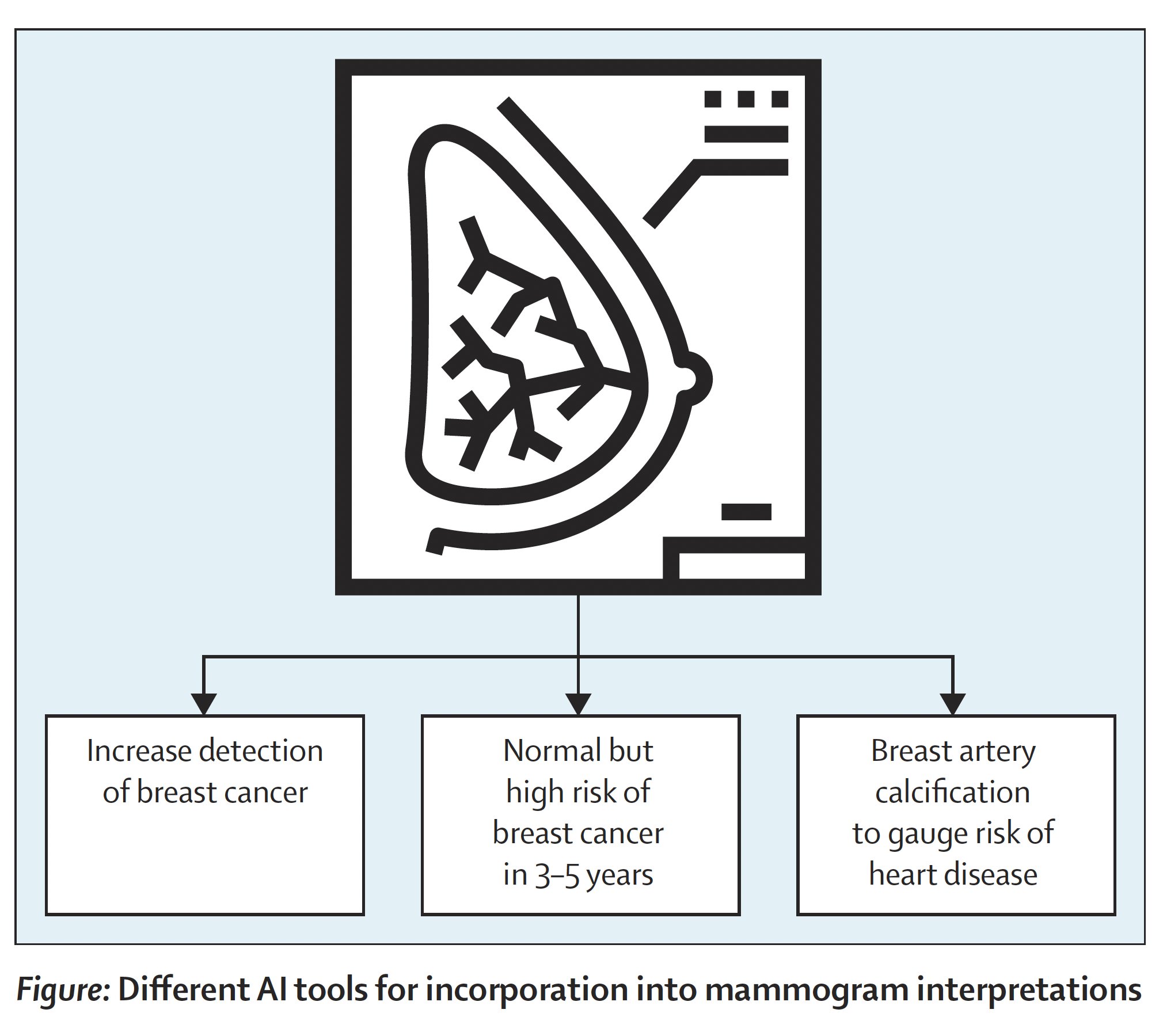
AI Triple-Check for Mammogram Cancer Detection Implementation
By
–
Every mammogram should be supported by 3 different AIs for improved detection of cancer, prevention, and risk of heart disease. At no cost to patients. My new @TheLancet essay reviews the evidence and the lack of implementation https://
thelancet.com/journals/lance
t/article/PIIS0140-6736(26)00659-8/fulltext
… -
Science needs models balancing predictive power with simplicity
By
–
Science needs a way to process models that are only "mostly correct" in terms of their predictions, but are very compressive (high ratio between predictive power and model complexity). They are likely onto something.
-
Physics History as Program Synthesis: Kepler and Newton’s Model Search
By
–
We should view the history of physics as a long-running program synthesis task. Kepler and Newton were searching the space of possible symbolic models to find the simplest one that would best satisfy available observations.
-
Knowledge Power Paradox in AI Era
By
–
Knowledge is not power, but it's not exactly not-power either.
-

Bfloat16 Precision Gaps in Large Scatter Plots Beyond Origin
By
–

Making a scatter plot of 400_000 data points, some of the plots had odd gaps in coverage. It took me a little while to realize that it was only when the data was farther from the origin — it was the raw bfloat16 precision. Everything looks great from -1 to 1, but as you go past 2 and 4, the coverage gaps get larger. My intuition didn't have it being quite so "discretely countable" at those modest numeric values. Float32 for comparison.
→ View original post on X — @id_aa_carmack, 2026-04-09 23:01 UTC
-
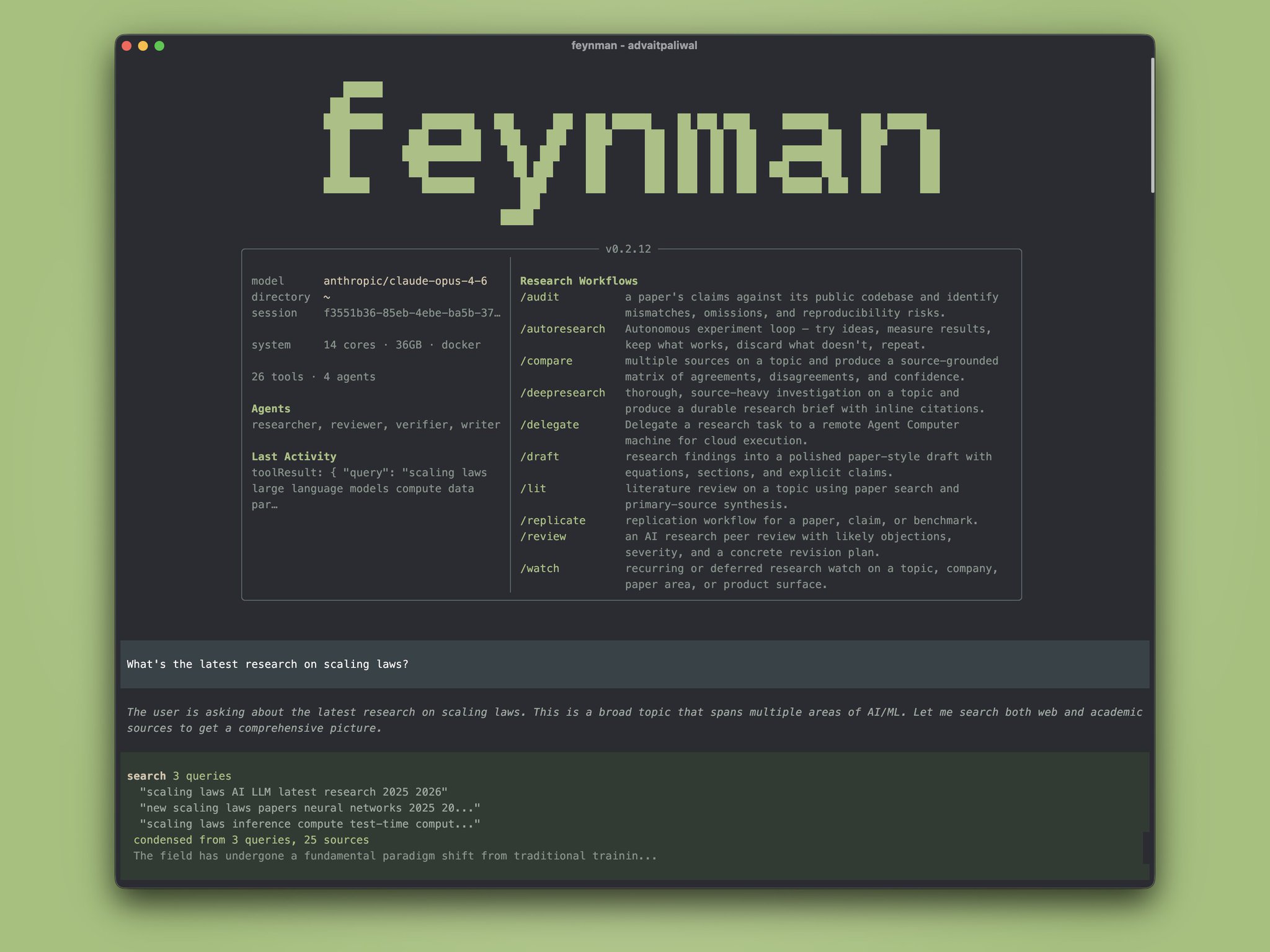
Feynman Open-Source Tool Automates Academic Research in Seconds
By
–
An open-source tool now finishes in seconds what demands academic professionals hours. Feynman is a collective reasoning toolset that launches directly via your CLI. Input a question. It parses datasets, aggregates data, confirms all citations, and outputs a highly
-
AI Revolutionizes Medical Diagnosis and Relieves Doctor Burnout
By
–
AI is spotting polyps in colonoscopies in real time, cutting missed cancers by up to 50%. Multi-agent systems are predicting risks earlier than ever — from pediatric developmental issues to heart failure. We're not replacing doctors. We're finally giving them time to be doctors again. The burnout relief + better outcomes combo? Game-changing. [Translated from EN to English]
→ View original post on X — @scobleizer, 2026-04-09 22:27 UTC
-
Misunderstanding Current Neuroscience Reality in AI Discussion
By
–
Also not a sign of someone who has any clue about the realities of current neuroscience.
-
Frontier models improve in coding and creativity in sync
By
–
And all the evidence is is that is that models are getting better all this other stuff at the same time as they are improving in coding. More recent models are more creative, for example. Still plenty of jaggedness, but the frontier moves more in synch than we might expect