Biggest unsolved problem in artificial intelligence is what to do in the 3-5 minutes when o3 is thinking
RESEARCH
-
Waiting for Public Model Release to Obtain Important Data Point
By
–
This would be a very valuable data point, but we didn't have access to the base model — I suppose we'll have the answer when the model goes public
-

Fine-Tuning LLMs for RAG: Boost Performance
By
–
New video! Fine-Tuning LLMs for RAG: Boost Model Performance and Accuracy Learn more: https://
youtu.be/CWTSImmqcvQ -
Fine-tuning vs Few-shot Learning on ARC Benchmarks
By
–
I don't feel like I've fine-tuned myself in any substantial way on ARC more like a bit of few-shots
-
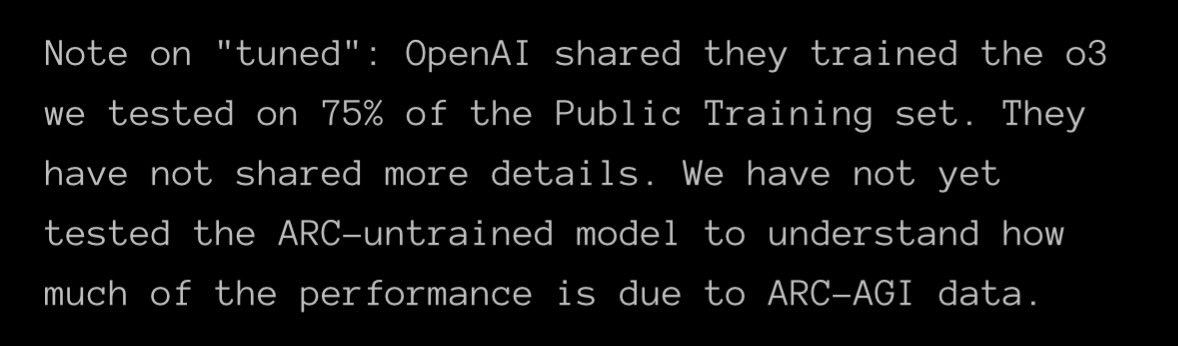
AGI-Level Models May Not Need Task-Specific Fine-Tuning
By
–
people commenting that it's normal to train on the train set but somehow I would have expected/hoped that as we're nearing AGI-level capabilities we would not need to really fine-tune/specifically train the model on any specific downstream task, at most a bit of few-shots
-
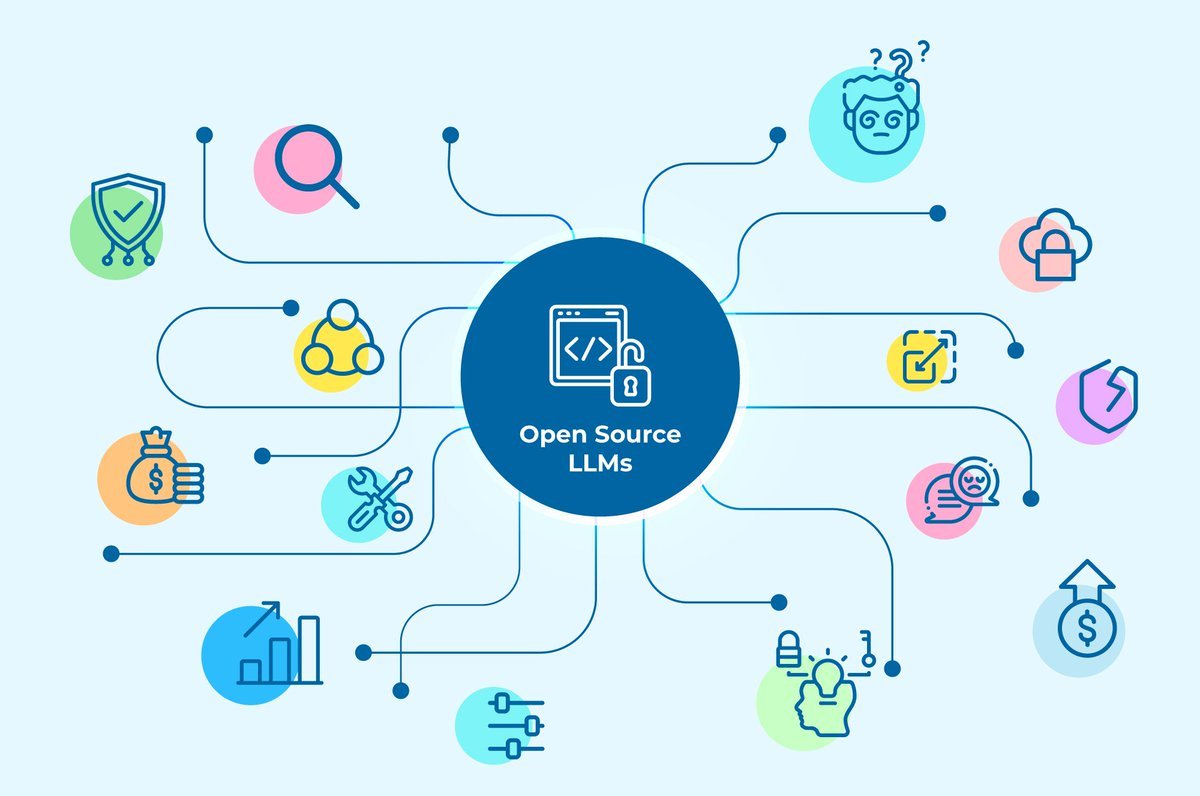
Open-Source Advantage in Large Language Models Debate
By
–
The Open-Source Advantage in Large Language Models (LLMs) Large Language Models (LLMs) are revolutionizing natural language processing, but the debate between closed-source and open-source models raises important questions about transparency, accessibility, and ethics.
-

LLM Agents Evolve Cooperation Through Indirect Reciprocity
By
–
Cultural Evolution of Cooperation among LLM Agents A study examining how large language model (LLM) agents evolve cooperation and social norms over generations, specifically focusing on indirect reciprocity. Problem: Limited understanding of how multiple LLM agents interact
-

Grokking Complexity Dynamics: Memorization to Generalization
By
–
The Complexity Dynamics of Grokking A study on how neural network complexity dynamics explain the grokking phenomenon, where models transition from memorization to generalization long after overfitting. Problem: Grokking challenges our understanding of generalization in
-
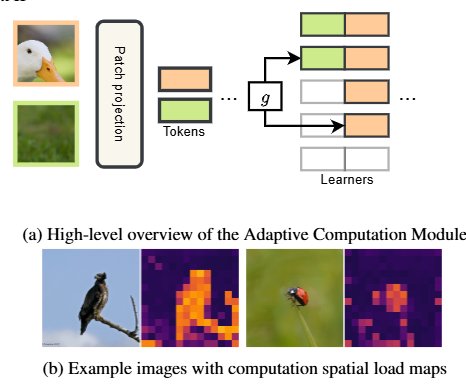
Adaptive Computation Modules: Efficient Token-Level Conditional Inference
By
–
Adaptive Computation Modules: Granular Conditional Computation for Efficient Inference A neural network module that dynamically adapts computational load per token, reducing inference costs without sacrificing accuracy. Problem: Transformer models are computationally
-
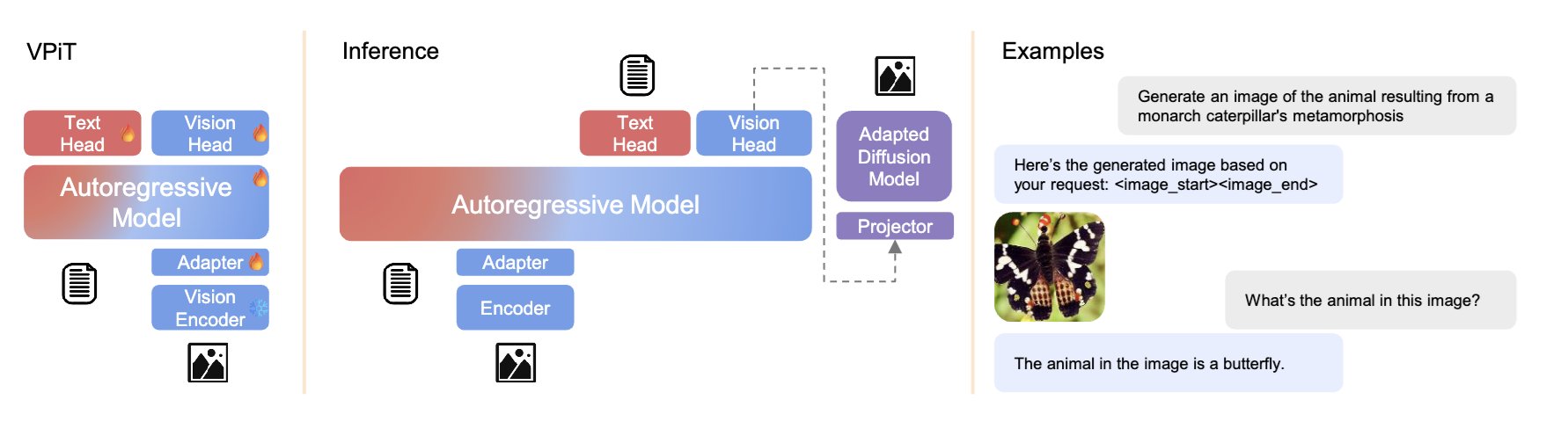
MetaMorph: Multimodal LLM Extension via Instruction Tuning
By
–
MetaMorph: Multimodal Understanding and Generation via Instruction Tuning A method to extend LLMs for unified visual and textual generation, leveraging instruction tuning for efficient multimodal adaptation. Problem: Unified models for visual understanding and generation