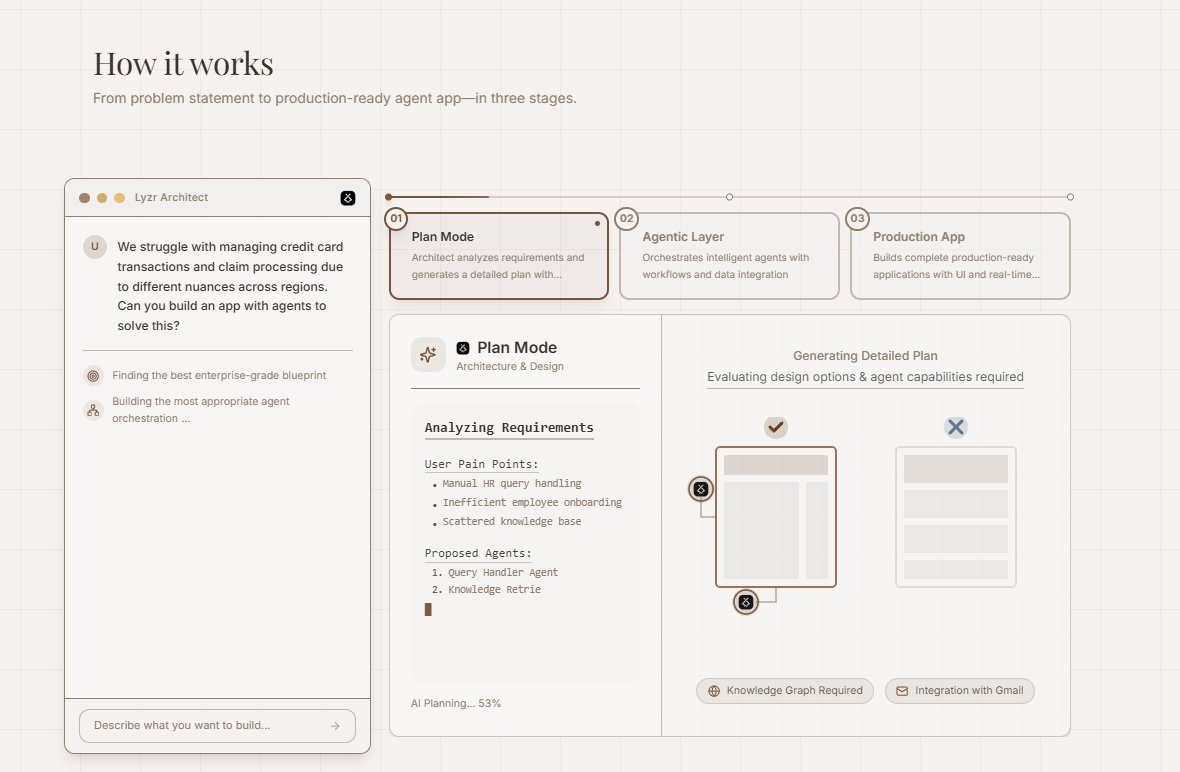
4/ The process started in Plan Mode. Architect interpreted my requirements to generate a structured plan and a wireframe for the consultant dashboard. It mapped out exactly how the data flows from the initial intake form to the tracking records.
1/ Engineered a client intake and project tracking system utilizing the new Architect.
This is the outcome! For a solo consultant, managing the gap between a "yes" and the first kickoff meeting is usually a manual mess. I wanted to see if I could build a professional solution… pic.twitter.com/Lox5tBTQPb
1/ Engineered a client intake and project tracking system utilizing the new Architect. This is the outcome! For a solo consultant, managing the gap between a "yes" and the first kickoff meeting is usually a manual mess. I wanted to see if I could build a professional solution from a single prompt. Check out the UI I built here (one shotted):
This user audited 926 sessions of Claude Code and discovered that most of the token waste came from its platform. Everyone blames Anthropic for the limitations, so he decided to analyze the data. 858 sessions, 18,903 turns, and an estimated spend of $1,619 in 33 days. This is
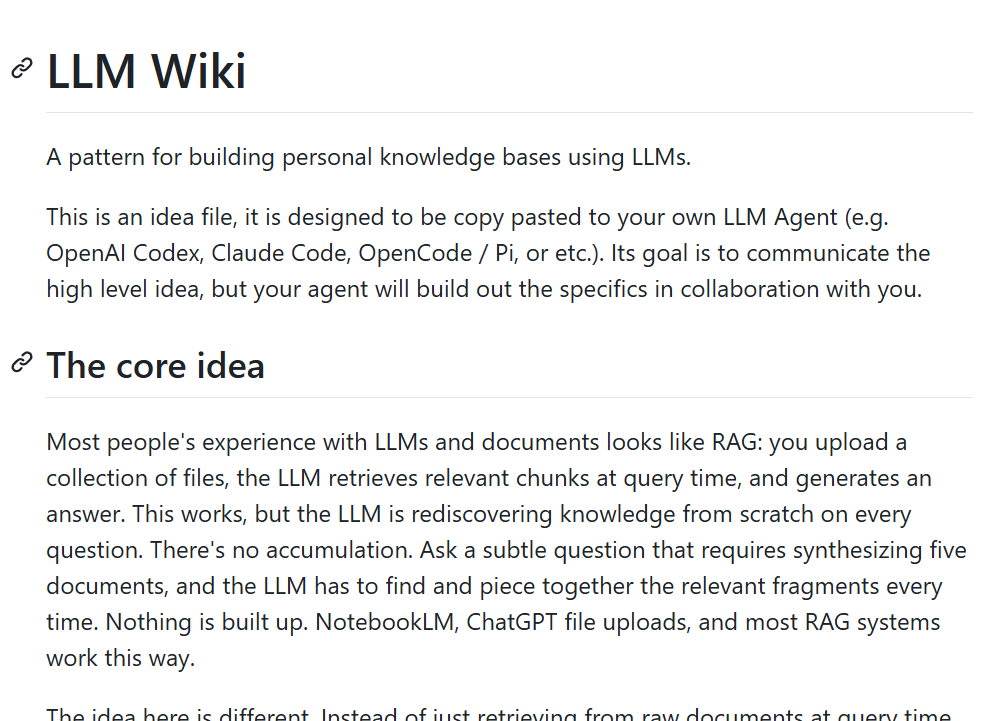
🚨 Andrej Karpathy just dropped something that could replace a lot of RAG workflows. It's called LLM Wiki. The idea is simple: Most AI systems retrieve context from scratch every time you ask a question. LLM Wiki doesn't. It builds a persistent knowledge base that gets better every time you add a new source. So instead of: • search docs
• pull fragments
• answer
• forget everything
• repeat it does this: • ingest a source
• extract the important ideas
• update entity pages
• revise topic summaries
• connect related concepts
• flag contradictions
• keep compounding the knowledge over time That shift matters. RAG is great for retrieval. But a lot of people are really trying to build memory. Not just "find me the right chunk again."
More like: "help me build an evolving model of this topic over time." That's what this is. Karpathy's examples are strong too: • personal knowledge
• long-horizon research
• books and topics
• internal company knowledge
• meeting transcripts
• customer calls Basically, anything where the knowledge should accumulate, not reset every session. The best way to think about it: Obsidian is the IDE.
The LLM is the programmer.
The wiki is the codebase. You don't manually maintain the system. You feed it sources, ask questions, and the AI keeps the structure alive. That's a much bigger idea than "better RAG." 100% open source. [Translated from EN to English]
Karpathy's Second Brain idea just killed RAG. LLMs can now turn papers, repos, and notes into a living wiki that keeps getting smarter. And people are already doing wild use cases with it. 10 examples: [Translated from EN to English]
Morphic just killed the "I don't know how to prompt" excuse for good. Select your assets, pick a workflow, and the output is already done before you finish your coffee. Jaynti Kanani (JD) (@jdkanani) Introducing Workflows on @morphic. You know what you want, you just don’t know how to prompt for it. That’s what Workflows solve. Storyboarding? Three clicks. UGC ads? No prompting. Color grade? In seconds. Try now: morphic.com/workflows Live with 72 workflows today. More coming soon. With Workflows, you can capture repeatable creative tasks and reuse them without starting from scratch. Just select your assets and options while running a workflow. Minimal prompts required. And no nodes, of course. There’s a workflow for everything: filmmaking, social media, animation, fashion, marketing, and some just to have fun. Tag someone who'd make something wild with this. Here are my 5 favorite workflows: — https://nitter.net/jdkanani/status/2041154028034490867#m
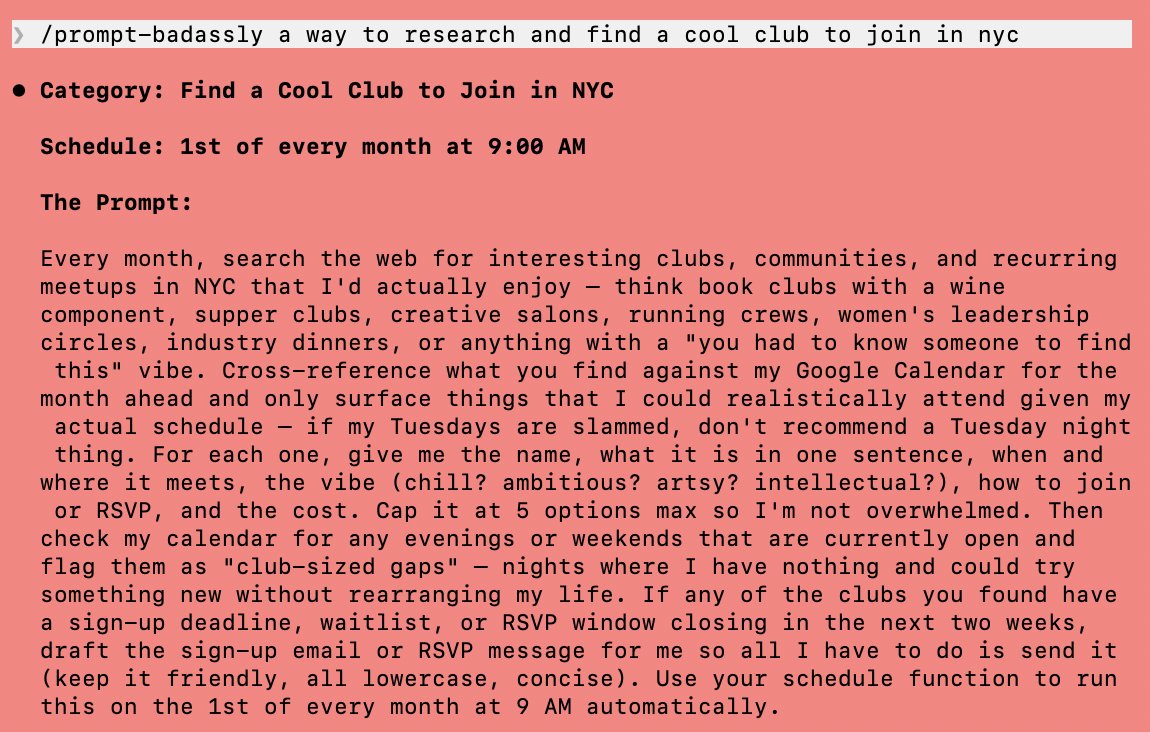
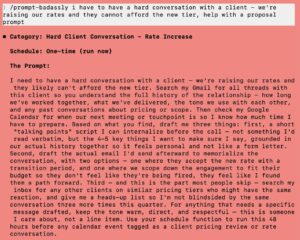
AI is better than you at working with AI. It's better at generating prompts for AI, teaching skills to other AI agents, coordinating messaging between AIs. AI is an AI ops whisperer. Think like a PM: go through the journey you're taking right now with your AI workflows and find high ROI ways to use AI to help your AI efforts. Yes, you can prompt AI to create an app. But you can also… …and this is overkill and would waste a lot of tokens but I want to dramatize it because when costs plummet, we will see strange usage patterns… Prompt an AI with the idea, and then it creates a much better prompt (see images), and then it creates 4 different versions of that prompt, and then it spawns parallel agents to research the product space from 4 different points of view, and then they all meet in an agent team war room and battle it out, and then spec a product together while 5 other agents with 5 different goals in parallel spec it out themselves, and then 3 more agents review and critique the specs, then another reviews all previous work and summarizes, and another one tees up open questions, then 10 more with radically different personas meet to evolve the best idea and spawn 50 more versions, then you run a simulation by 10000 personas to vote for the product with the fastest time to market, highest delight, and strongest ROI potential. And then you create the app. What I'm saying is: find where you are the intermediary and shouldn't be, and find higher order ways to plug yourself in. Take yourself out of the loop before the loop takes you out.
The core idea is that this lets you skip writing but it doesn’t let you skip reading and thinking. And the surprising result is that this works. Personally I process most of what I file by reading it, reading its summary, reading the LLM’s opinion on how it fits into the wiki and
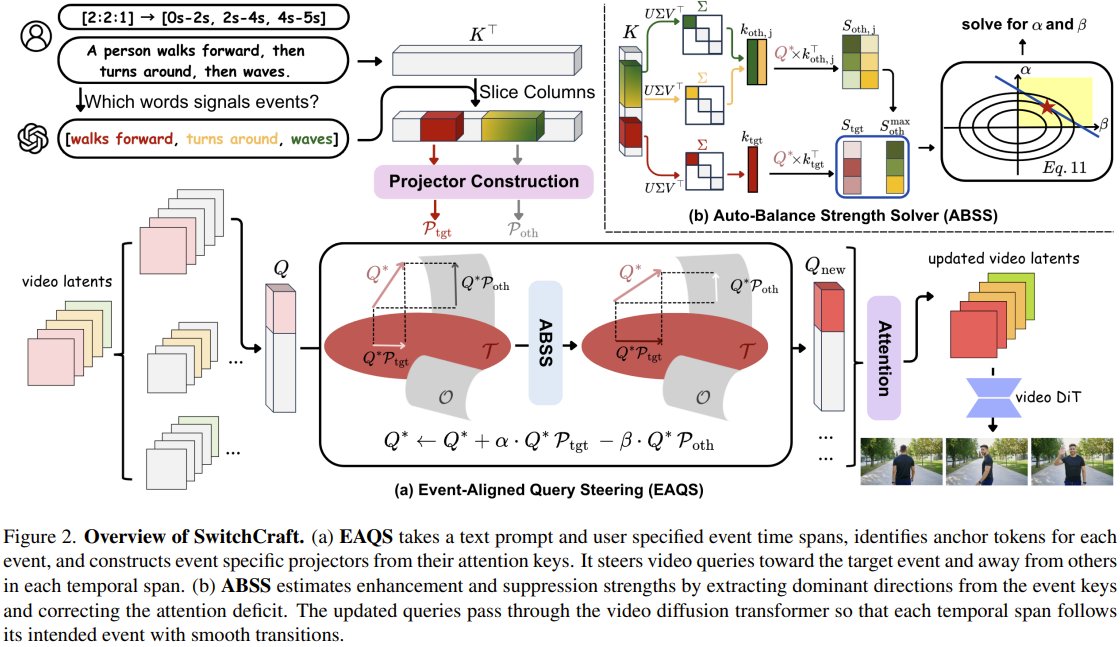
What if AI could generate multi-event videos with perfectly distinct scenes and smooth transitions? Researchers from Westlake University, Duke Kunshan University, and The University of Queensland present SwitchCraft! This training-free framework smartly aligns each video frame's attention to individual events in your prompt. t directs focus precisely and adaptively balances this control to ensure both smooth transitions and visual quality. It dramatically improves prompt alignment, event clarity, and scene consistency, outperforming current baselines and making complex video narratives easy. SwitchCraft: Training-Free Multi-Event Generation with Attention Controls Paper: arxiv.org/abs/2602.23956 Project: switchcraft-project.github.i… Github: github.com/Westlake-AGI-Lab/… Our report: mp.weixin.qq.com/s/Z7D5imbgZ… 📬 #PapersAccepted by Jiqizhixin
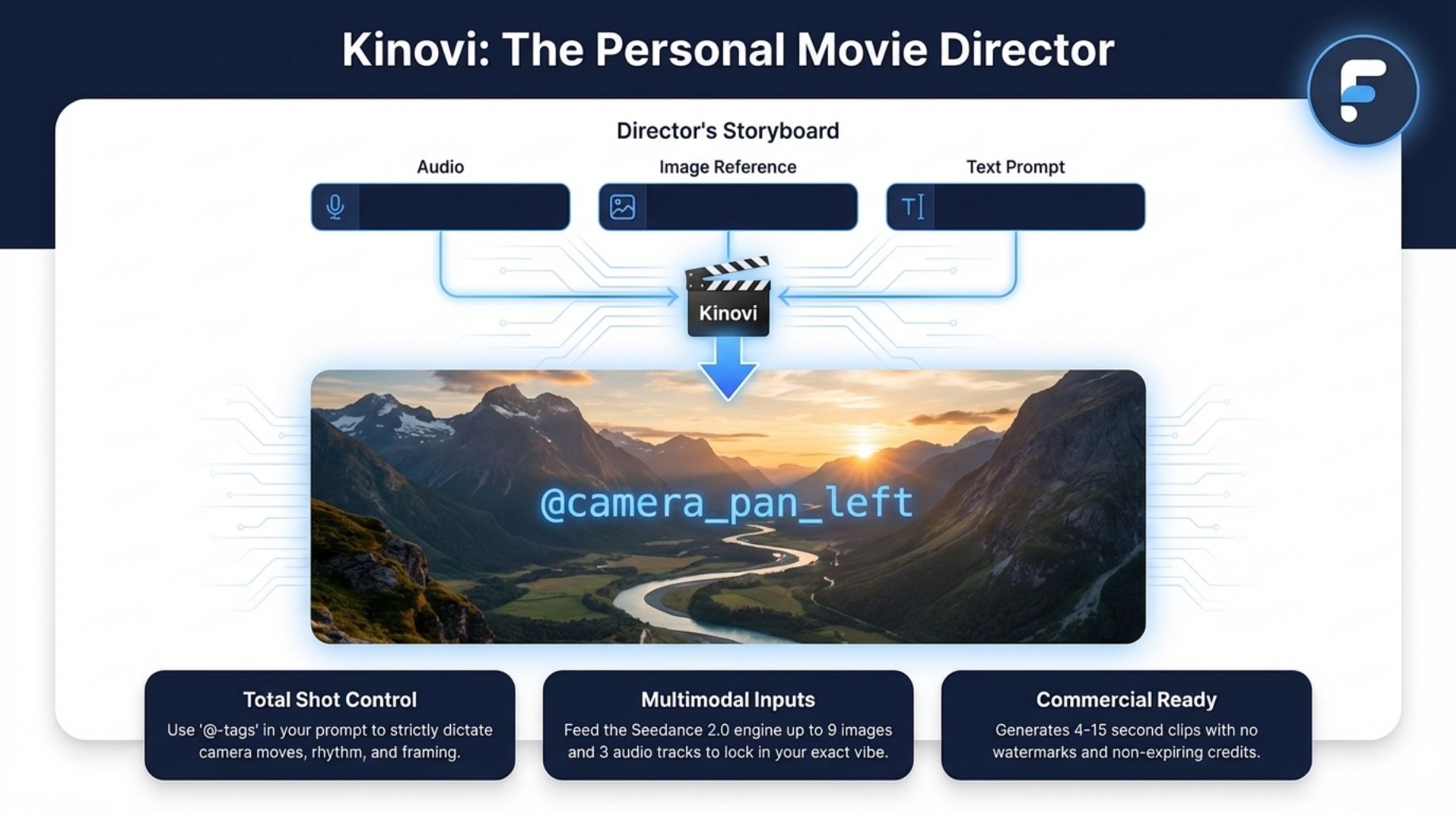
Kinovi — Be your own director
Turn prompts + reference files into cinematic AI clips. Upload up to 9 images, 3 videos & 3 audio tracks, use @-tag direction for shot control, and generate watermark-free clips in under a minute. Built on Seedance 2.0. http://
kinovi.ai