AI Dynamics

Global AI News Aggregator

About

PROMPT ENGINEERING

  • Signal-based agent adjustments via grep in AGENTS.md

    honestly just signal for me to then scan sessions and ask the agent to adjust AGENTS.md. Super easy yo grep. Ognyan Genev (@ogenev0) It's so fun to read @badlogicgames agentic prompts, maybe I'm too kind with my agents ๐Ÿ™‚ "jesus fuck, i'm so fucking confused wtf are you doing?" โ€” https://nitter.net/ogenev0/status/2041549037447389356#m

    โ†’ View original post on X โ€” @clementdelangue, 2026-04-07 16:29 UTC

  • Clรฉment finds Mario’s agentic prompts amusingly harsh and direct

    It's so fun to read @badlogicgames agentic prompts, maybe I'm too kind with my agents ๐Ÿ™‚ "jesus fuck, i'm so fucking confused wtf are you doing?"

    โ†’ View original post on X โ€” @clementdelangue, 2026-04-07 16:09 UTC

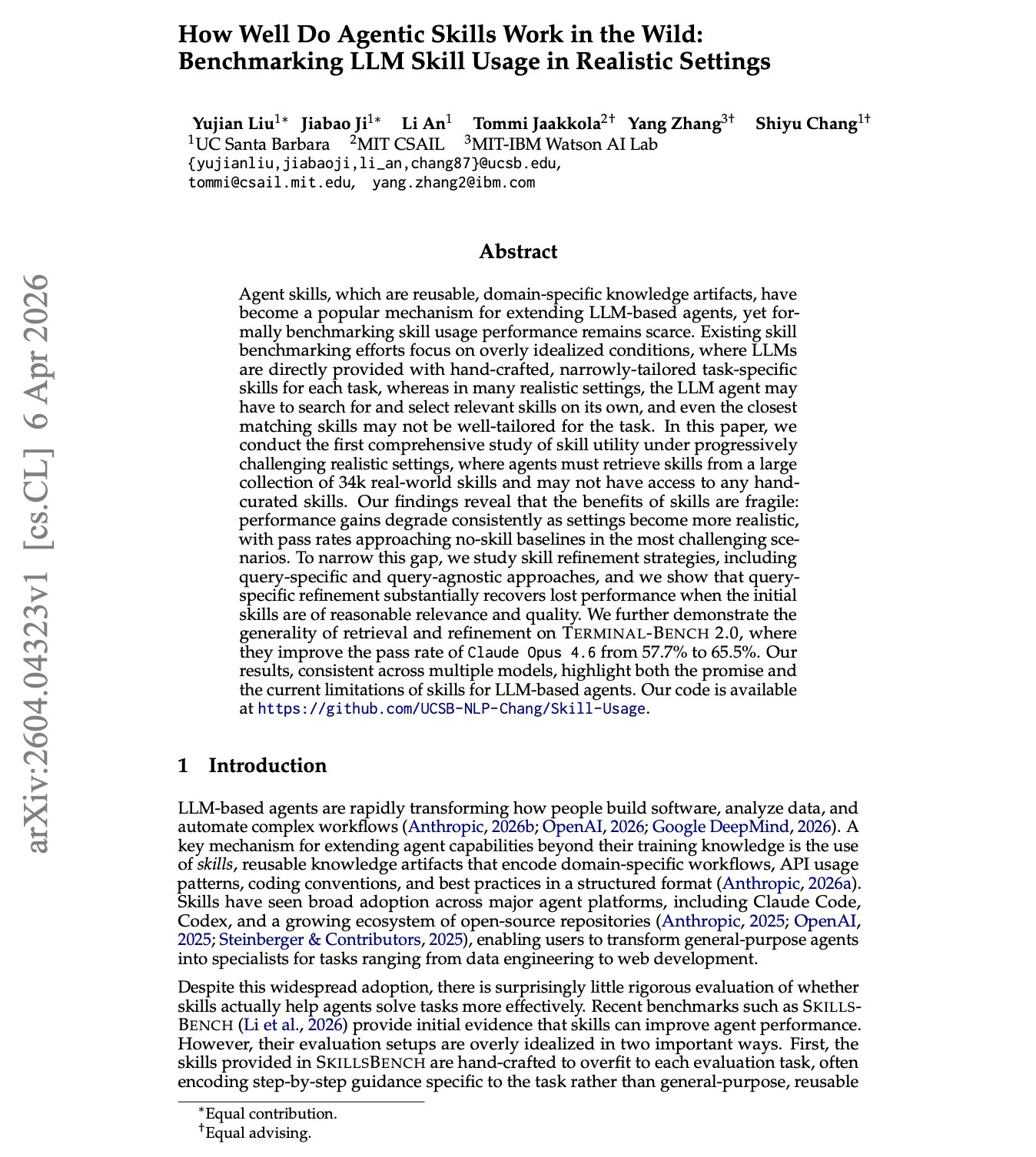
  • LLM Agents Performance in Realistic Skill Selection Scenarios
    LLM Agents Performance in Realistic Skill Selection Scenarios

    Agent skills look great in demos. Hand them a curated toolbox, and they shine. But what happens when the agent has to find the right skill from a large, unfiltered collection on its own? New research benchmarks LLM skill usage in realistic settings and finds that performance

    โ†’ View original post on X โ€” @dair_ai

  • AI Transforms from Chatbot to Action Executor
    AI Transforms from Chatbot to Action Executor

    The use cases are getting out of hand: – Full SEO audits from a single prompt
    – Tracking competitor pricing automatically
    – Managing CRM pipelines across HubSpot and Salesforce
    – Unsubscribing from marketing emails in bulk It's not a chatbot. It executes. Big difference.

    โ†’ View original post on X โ€” @aibreakfast

  • AI automation delivers news, posts, and analysis from a single prompt.

    I woke up to: – 10 AI news summaries with links in my inbox
    – An Instagram post already live
    – A competitor analysis emailed to me I opened X zero times yesterday. All from one prompt on @Pokee_AI
    's PokeeClaw.

    โ†’ View original post on X โ€” @aibreakfast

  • Claude Code internal prompt structure exposed via npm leak

    An accidental npm leak just exposed how Claude Code actually works. Someone studied the AI coding tool's behavior and rebuilt every prompt from scratch. 26 prompts. All MIT licensed. Free to fork, copy, and learn from. Here's how a $200/month coding agent actually thinks.

    โ†’ View original post on X โ€” @alphasignalai

  • Building Games with Codex: From Idea to Updates in Seconds

    I built a small game live, going from idea to updates in seconds, and explored different ways to build with Codex. As we manage more agents, judgment, taste, and a deep understanding of user needs matter even more. Watch the full conversation:

    โ†’ View original post on X โ€” @romainhuet

  • Context Engineering for Multi-Agent Systems Architecture
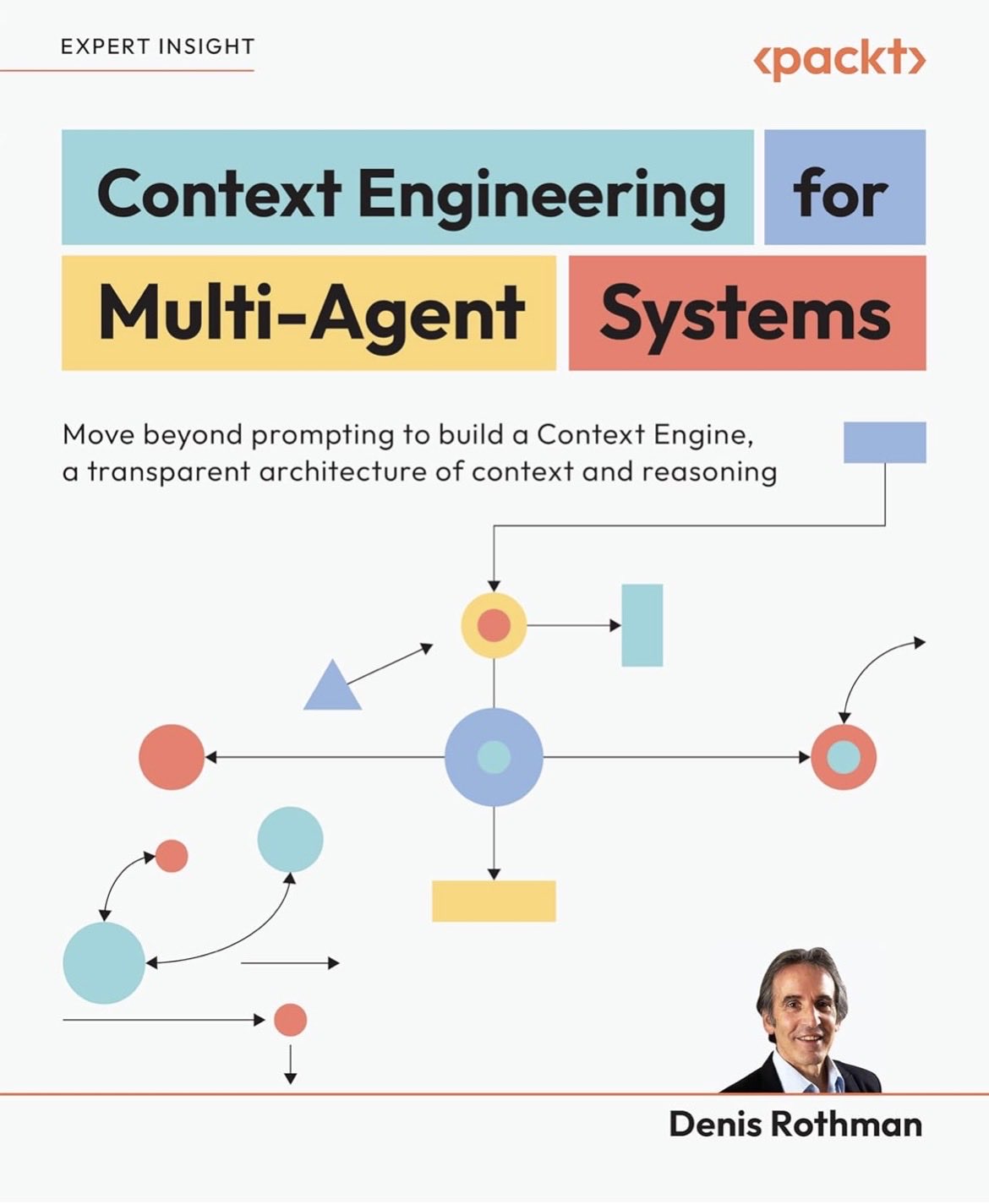
    Context Engineering for Multi-Agent Systems Architecture

    "Context Engineering for Multi-Agent Systems: Move beyond prompting to build a Context Engine, a transparent architecture of context and reasoning" โ€” at http://
    amzn.to/448dSiA v/ @PacktDataML ๐“ฆ๐“ฑ๐“ช๐“ฝ ๐“จ๐“ธ๐“พ ๐“ฆ๐“ฒ๐“ต๐“ต ๐“›๐“ฎ๐“ช๐“ป๐“ท:
    Develop memory models to retain short-term and

    โ†’ View original post on X โ€” @kirkdborne

  • Context Engineering for Multi-Agent Systems Workshop
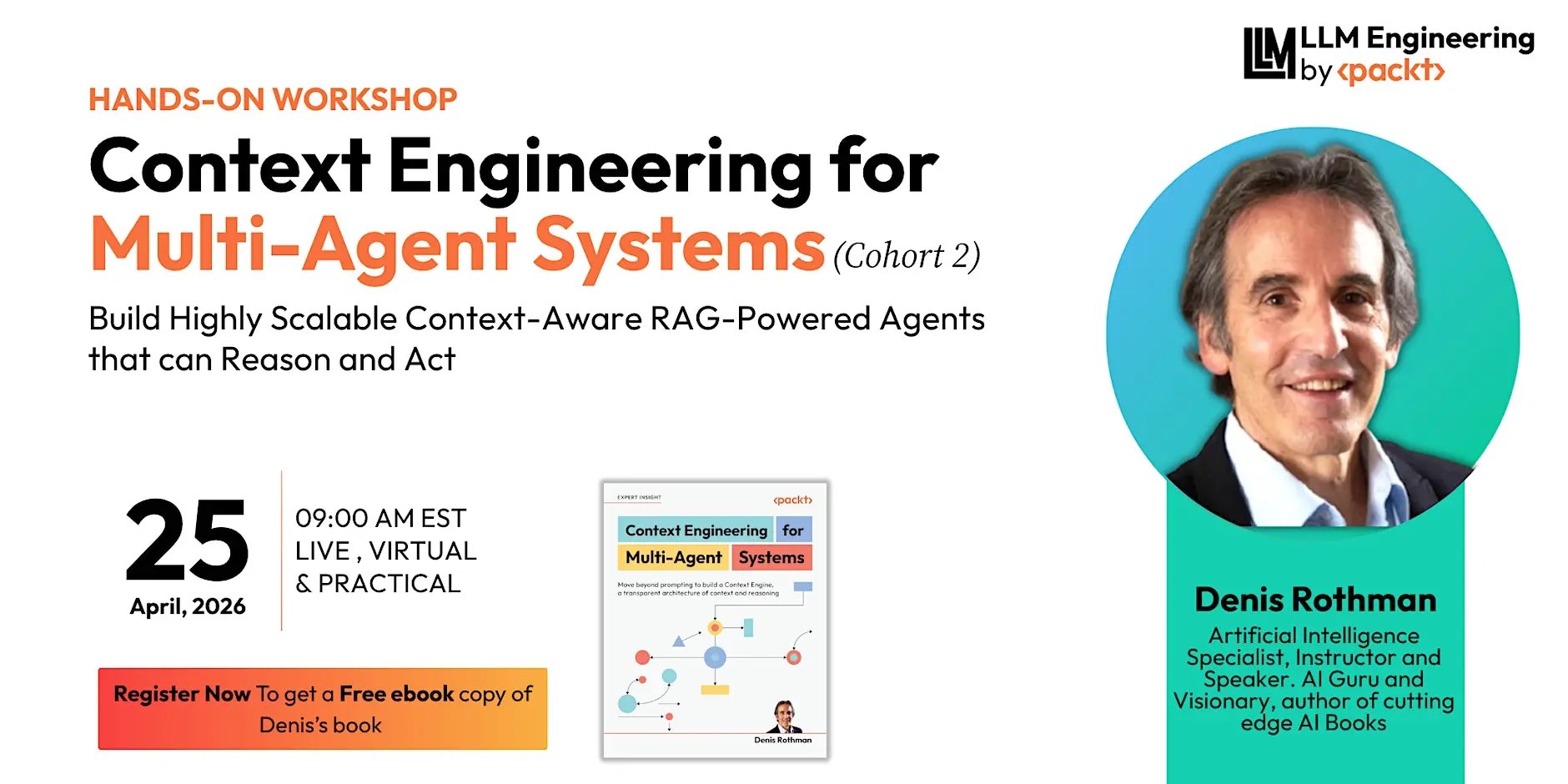
    Context Engineering for Multi-Agent Systems Workshop

    Join this hands-on workshop โ€œContext Engineering for Multi-Agent Systemsโ€ โ€” hosted by @PacktPublishing @PacktDataML
    ย on April 25 Register with my discount code โ€™Kirk30โ€™ for 30% OFF: https://
    eventbrite.co.uk/e/context-engi
    neering-for-multi-agent-systems-cohort-2-tickets-1986187248527?aff=kirk
    โ€ฆ Denis Rothman will walk attendees through building stable,

    โ†’ View original post on X โ€” @kirkdborne

  • LLMs as CPUs: Understanding Agent Harness Infrastructure
    LLMs as CPUs: Understanding Agent Harness Infrastructure

    A raw LLM is just like a CPU without OS. It can compute. But it can't do anything useful on its own. This analogy is the clearest way I've found to understand what an agent harness actually does. Here's the mapping: โ€ข ๐—–๐—ฃ๐—จ โ†’ ๐—Ÿ๐—Ÿ๐—  (model weights). The raw compute engine. Powerful, but useless without infrastructure around it. โ€ข ๐—ฅ๐—”๐—  โ†’ ๐—–๐—ผ๐—ป๐˜๐—ฒ๐˜…๐˜ ๐˜„๐—ถ๐—ป๐—ฑ๐—ผ๐˜„. Fast, always available, but limited. When it fills up, you start losing things. โ€ข ๐—›๐—ฎ๐—ฟ๐—ฑ ๐—ฑ๐—ถ๐˜€๐—ธ โ†’ ๐—ฉ๐—ฒ๐—ฐ๐˜๐—ผ๐—ฟ ๐——๐—• / ๐—น๐—ผ๐—ป๐—ด-๐˜๐—ฒ๐—ฟ๐—บ ๐˜€๐˜๐—ผ๐—ฟ๐—ฎ๐—ด๐—ฒ. Large capacity, but slow to access. You retrieve from it, not compute in it. โ€ข ๐——๐—ฒ๐˜ƒ๐—ถ๐—ฐ๐—ฒ ๐—ฑ๐—ฟ๐—ถ๐˜ƒ๐—ฒ๐—ฟ๐˜€ โ†’ ๐—ง๐—ผ๐—ผ๐—น ๐—ถ๐—ป๐˜๐—ฒ๐—ด๐—ฟ๐—ฎ๐˜๐—ถ๐—ผ๐—ป๐˜€. The interfaces that let the model interact with the outside world. Code execution, web search, file I/O. โ€ข ๐—ข๐—ฝ๐—ฒ๐—ฟ๐—ฎ๐˜๐—ถ๐—ป๐—ด ๐˜€๐˜†๐˜€๐˜๐—ฒ๐—บ โ†’ ๐—”๐—ด๐—ฒ๐—ป๐˜ ๐—ต๐—ฎ๐—ฟ๐—ป๐—ฒ๐˜€๐˜€. This is the key layer. It manages everything: which tools to call, what fits in memory, when to retrieve, how to recover from errors, and when to stop. And then there's the ๐—ฎ๐—ฝ๐—ฝ๐—น๐—ถ๐—ฐ๐—ฎ๐˜๐—ถ๐—ผ๐—ป layer. That's the "agent" itself. Not a piece of software you install, but emergent behavior that arises when the OS does its job well. This is why two products using the exact same model can perform completely differently. LangChain changed only their harness infrastructure (same model, same weights) and jumped from outside the top 30 to rank 5 on TerminalBench 2.0. The model didn't improve. The operating system around it did. The article below is a deep dive on agent harness engineering, covering the orchestration loop, tools, memory, context management, and everything else that transforms a stateless LLM into a capable agent. Akshay ๐Ÿš€ (@akshay_pachaar) x.com/i/article/204073208484โ€ฆ โ€” https://nitter.net/akshay_pachaar/status/2041146899319971922#m

    โ†’ View original post on X โ€” @akshay_pachaar, 2026-04-07 08:30 UTC