
We’re open-sourcing Perception Encoder Audiovisual (PE-AV), the technical engine that helps drive SAM Audio’s state-of-the-art audio separation. Built on our Perception Encoder model from earlier this year, PE-AV integrates audio with visual perception, achieving
MACHINE LEARNING
-
Google AI Leaders Reflect on Year and Future Outlook
By
–
Join us live on X at 1PM PST / 4PM EST to hear @JeffDean
, @OriolVinyalsML
, @NoamShazeer
, and @OfficialLoganK reflect on our year in AI at Google, and explore what's coming next: -

Keras 3.13 Release: LiteRT Export, GPTQ Quantization, Adaptive Pooling
By
–
New Keras release: 3.13 Some major new features: • Model export to LiteRT (formerly TFLite) for mobile/edge
• GPTQ quantization support for post-training compression
• New Adaptive Pooling layers for dynamic architectures -

Introduction of FunctionGemma for Function-Calling Tasks
By
–

Not Gemma 4 but functiongemma-270m-it "FunctionGemma is intended to be fine-tuned for your specific function-calling task, including multi-turn use cases."
-
Accounting for AI Model Quirks Improves Real-World Performance
By
–
Designing ways to account for the quirks of AI models’ behavior is becoming ever-more important: as the models’ capabilities on real-world tasks get better, there’ll be a lot of value in setting them up for success.
-
Humachinology Optimizing Human Machine Innovation and Creativity
By
–
In the world of humachineology and humachinekind, humachineologically inspired innovation and creativity can optimize the role of humans and machines in shaping reality.
-
Humans and Machines Evolving Together in Humachineological Systems
By
–
In the world of humachineology and humachinekind, humans and machines are living, working, and evolving together in humachineological systems.
-

Federated Learning: Balancing Collective Intelligence with Data Sovereignty
By
–
When sensitive data must remain in place, yet collective intelligence is needed, a distributed approach to AI emerges. Federated learning enables this balance, allowing models to improve across networks without compromising data sovereignty or transparency. Microblog @antgrasso
-
Scaling Laws and Symmetry in Neural Networks Research
By
–
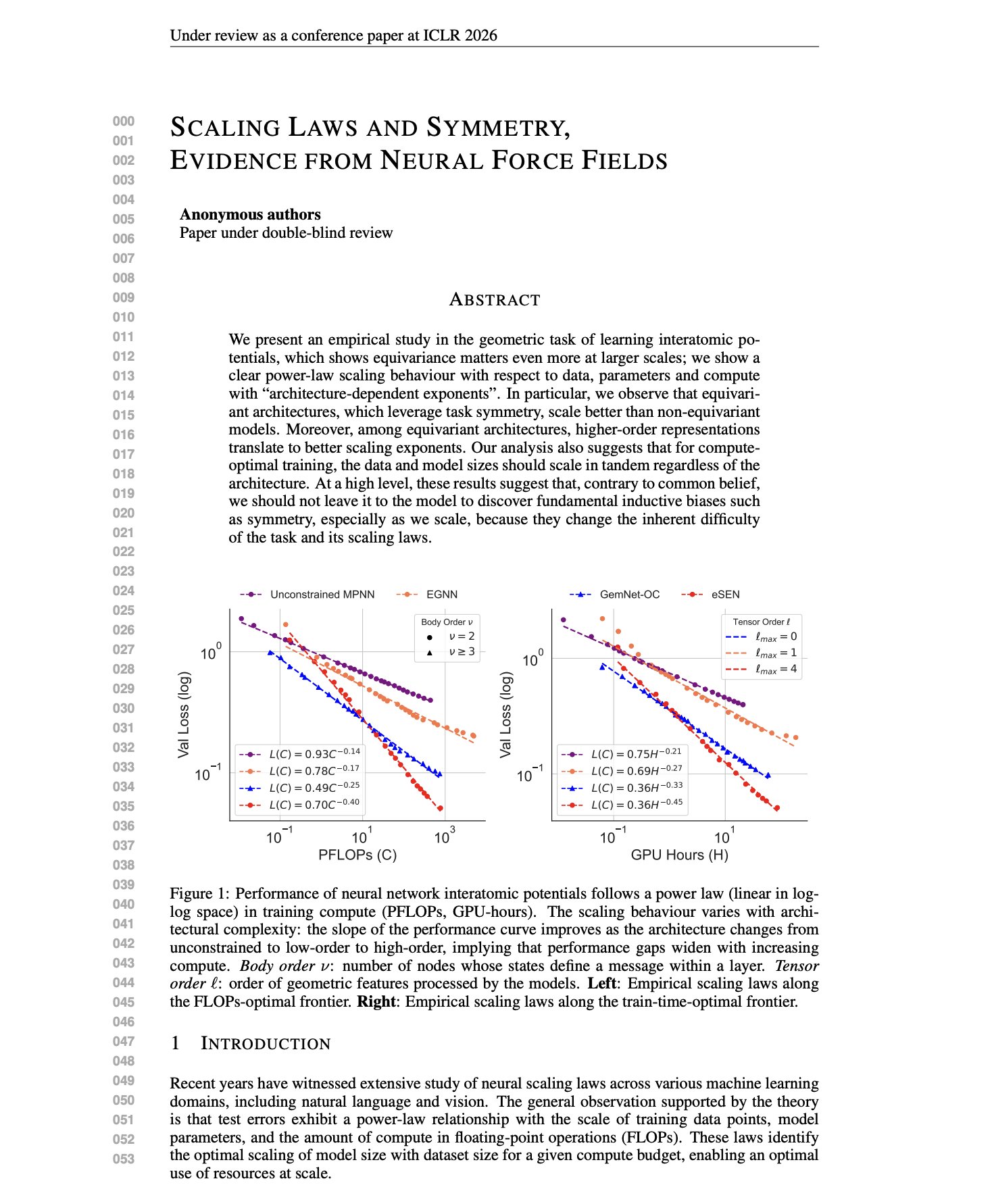
Scaling Laws and Symmetry The common belief is that scaling outperforms inductive biases. Give the model enough data and compute, and it will learn the structure on its own. But this new research finds the opposite. Researchers conducted comprehensive scaling experiments on
-
AI Benchmarks Threaten Job Security and Professional Safety
By
–
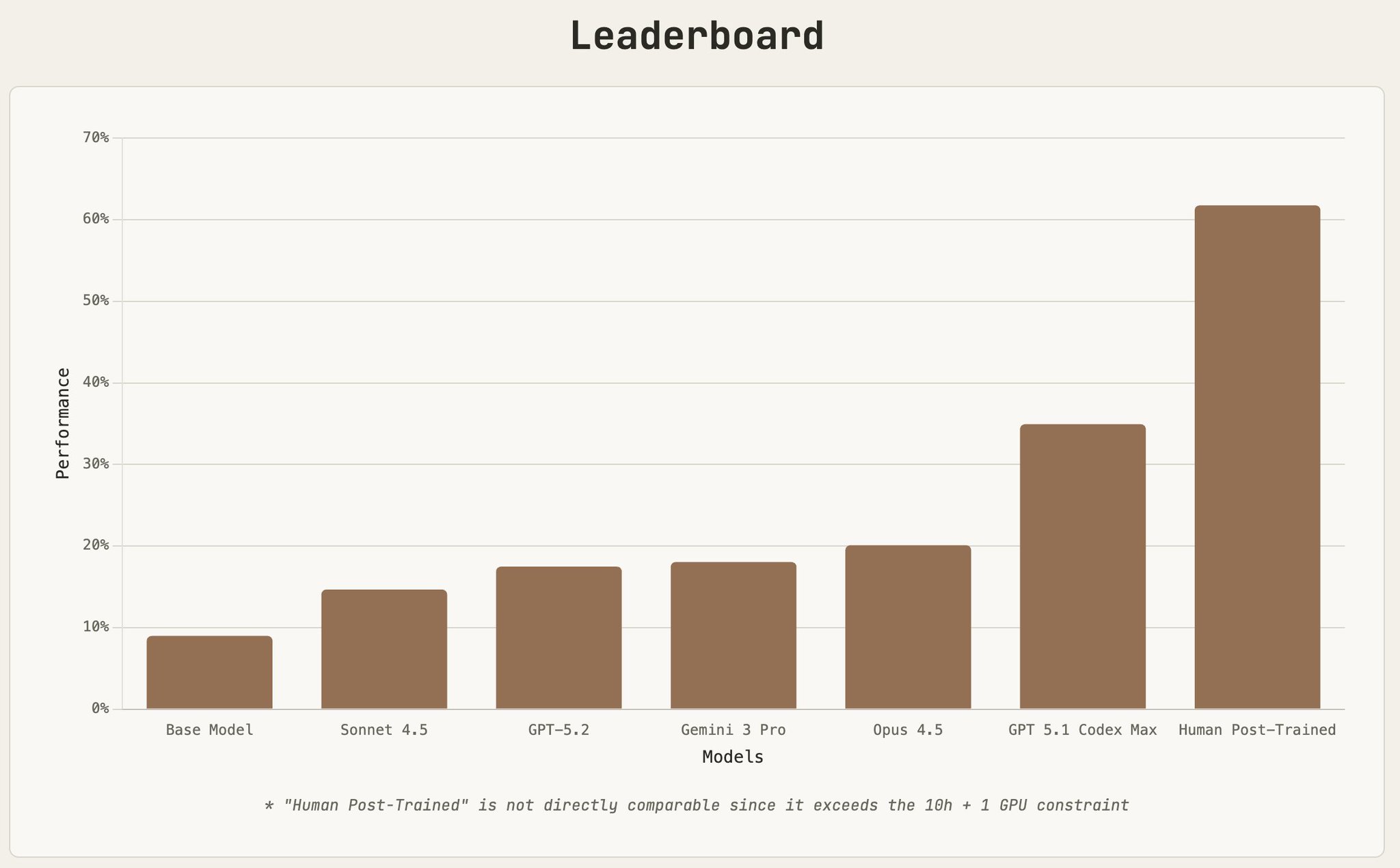
You always think you're safe until your job becomes a benchmark.