There must be another Anthropic model release coming out soon. Opus 4.7 has been performing noticeably poorly for 2 days now, and temporary model degradation has preceded a new Anthropic model release for several releases now.
MACHINE LEARNING
-
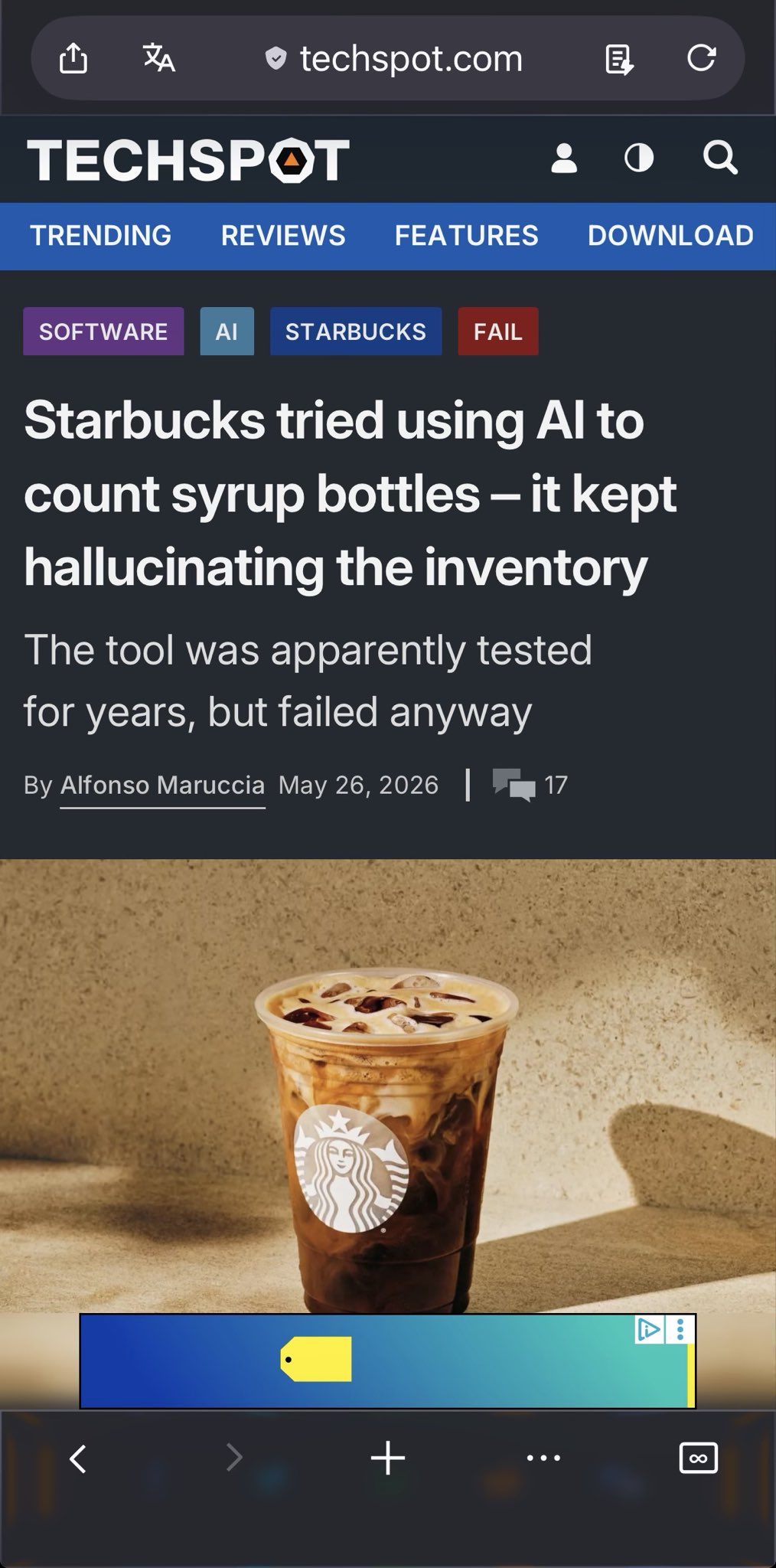
Starbucks learns that AI can’t even count
By
–
Starbucks learned the hard way: you literally can't even trust (current) AI to count.
-
Recursive Flow Matching: Consistency Across Trajectory Families
By
–
The key distinction: Vanilla flow matching learns a trajectory. Recursive Flow Matching learns consistency across a family of trajectories. That turns step size from a source of error into a training signal.
-
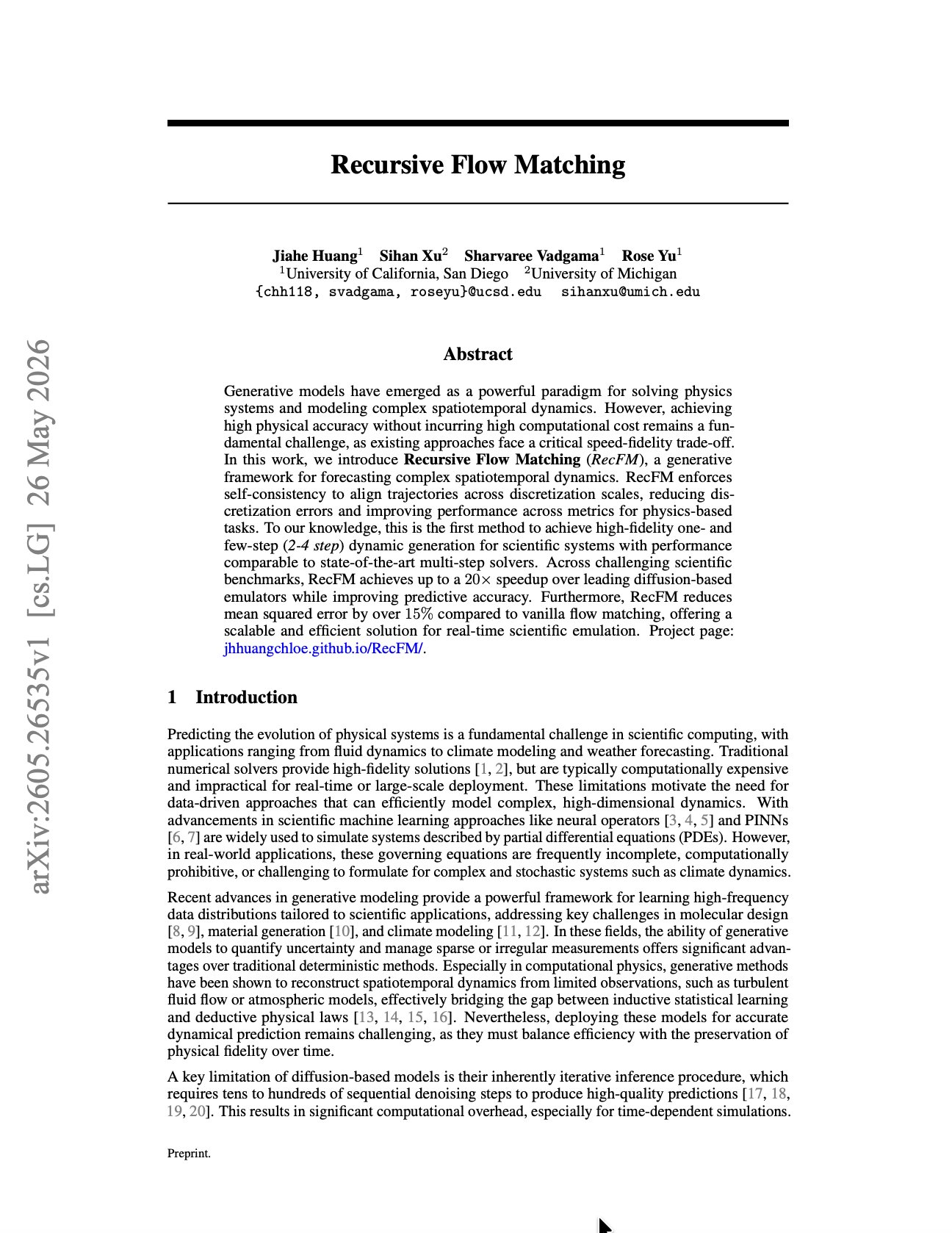
Recursive Flow Matching: New AI Approach for Scientific Simulation
By
–
Scientific simulation has a brutal tradeoff: fast is usually coarse,
accurate is usually expensive. A new paper by Jiahe Huang, Sihan Xu, Sharvaree Vadgama, and Rose Yu proposes a serious way through that bottleneck: Recursive Flow Matching. The target is one of the hardest -
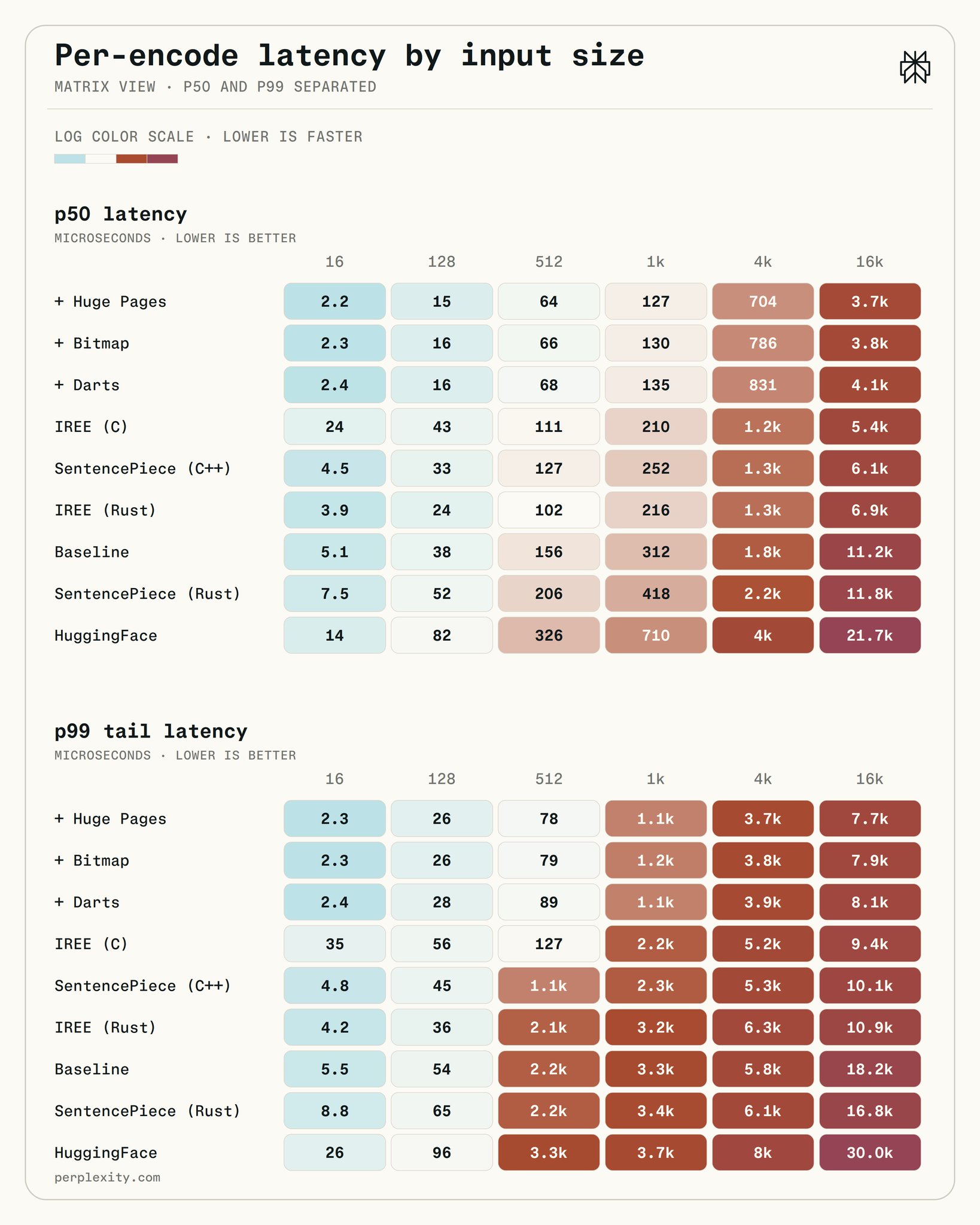
AI Encoder Tokenizer Performance: 5× Latency Improvement
By
–
At production input lengths, the encoder cuts p50 latency by roughly 5× vs. HuggingFace tokenizers, 2× vs. SentencePiece C++, and 1.5× vs. IREE C. At 514 tokens, it runs in 63 µs with zero heap allocations.
-
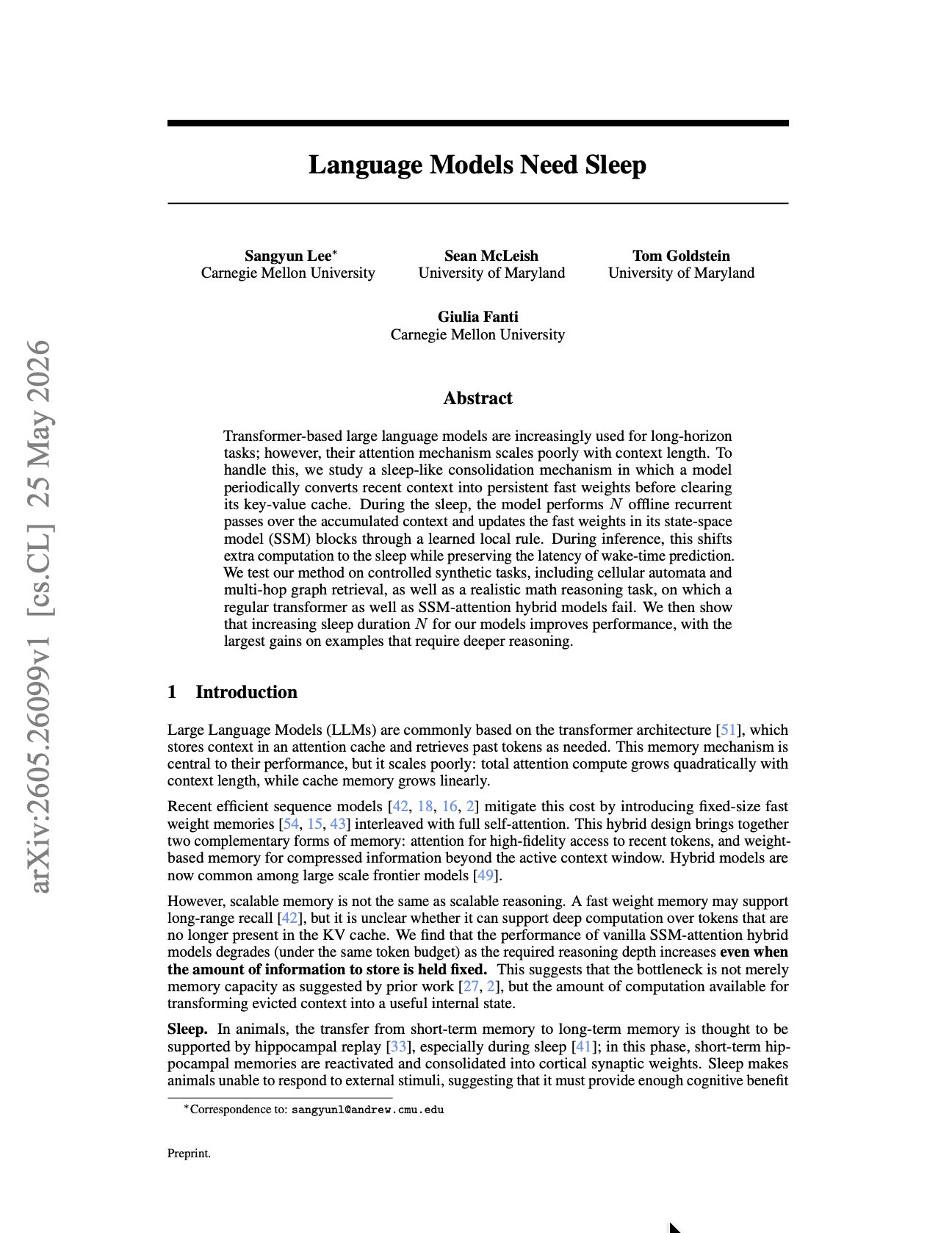
Paper proposes sleep-like memory consolidation for LMs
By
–
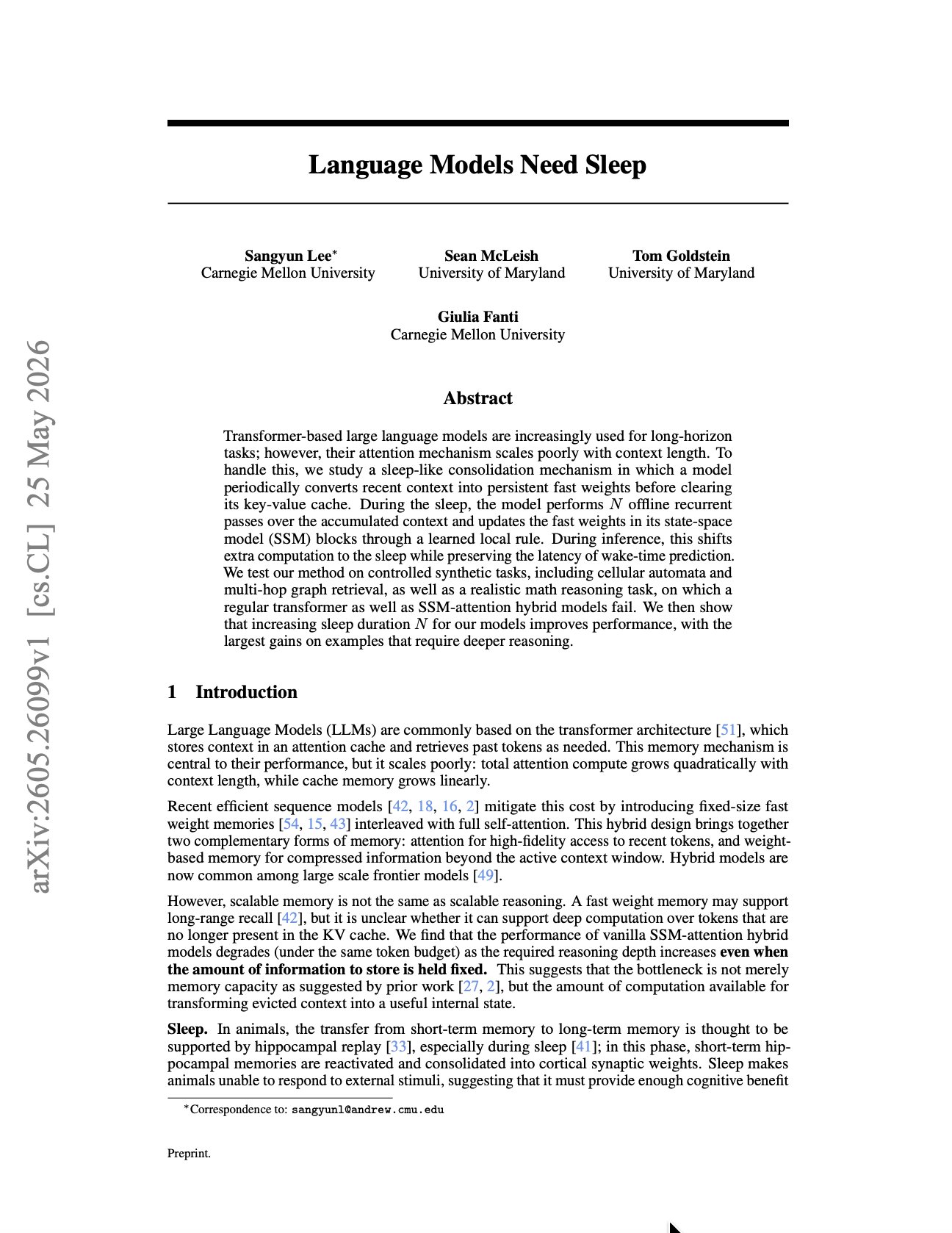
Language models may not need longer context. They may need sleep. A fascinating new paper by Sangyun Lee, Sean McLeish, Tom Goldstein, and Giulia Fanti proposes one of the most biologically resonant ideas in long-context AI: sleep-like memory consolidation. The problem is
-
Scalable Memory vs. Reasoning in AI Models
By
–
The key distinction: scalable memory ≠ scalable reasoning. A model can store evicted context in fixed-size fast weights and still fail if it has not spent enough computation transforming that context into a useful state. That is why the “sleep” phase is interesting: it moves
-
Sleep-like memory consolidation for AI models
By
–
Language models may not need longer context. They may need sleep. A fascinating new paper by Sangyun Lee, Sean McLeish, Tom Goldstein, and Giulia Fanti proposes one of the most biologically resonant ideas in long-context AI: sleep-like memory consolidation. The problem is
-
Codex for real-time meeting transcription and Q&A
By
–
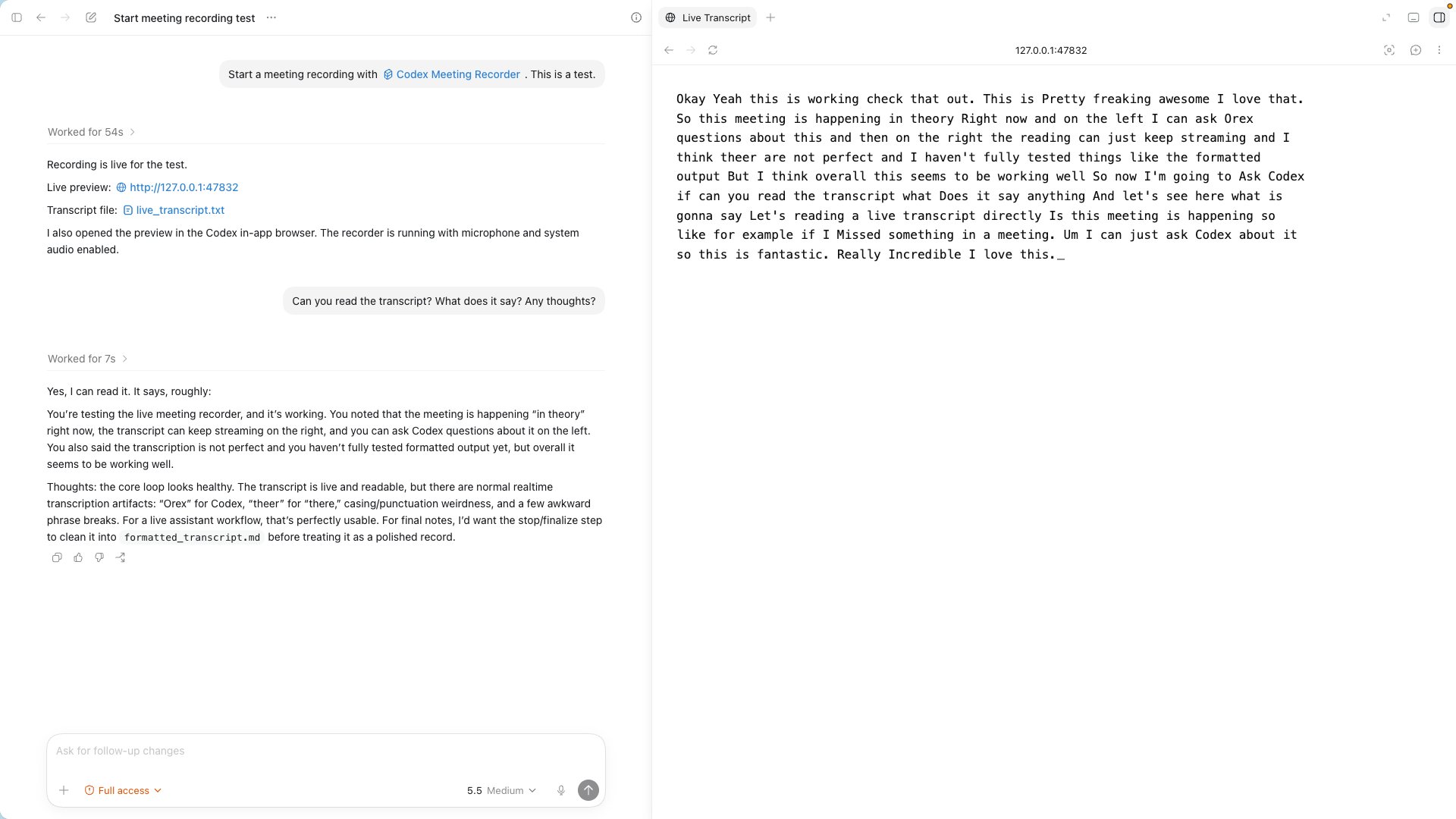
Codex for transcribing and answering questions about a meeting in real time:
-
Gary Marcus reaffirms his neuro-symbolic AI stance from 2001
By
–
J'ai en effet dit tout cela, et j'ai littéralement des milliers de preuves, remontant à mon livre de 2001 et à mon célèbre article *Deep Learning is Hitting a Wall* qui plaidait fortement pour compléter l'apprentissage profond avec des outils neuro-symboliques. Veuillez lire mon