I don't know if I made this explicit so I'll make this explicit: zero point zero knowledge required of HTML or JS animation techniques to make this work. I'm not even looking at the textual output here. That's Claude's problem; nothing matters except how it displays in Chrome.
LLMS
-
Optimizing LLM Prompt Length and Workflow Efficiency
By
–
"How long are your prompts for these?" 600 and 900 words for last two, both assuming refinement after initial delivery. One operator at a single keyboard can do several of them during a work day, even assuming downtime as the LLM goes off and cranks for 5 minutes between revs.
-
Using AI agents and headless browsers for automated animation debugging
By
–
Presumably if I were more sophisticated at prompting I could ask it to use a headless browser to render every 1s of the animation to a screenshot then fix all the bugs identified w/o me needing to flag them individually. Tokens are abundant, after all.
-
Using Claude Code for efficient animation and simulation workflows
By
–
I am really loving Claude Code for bespoke animations/simulations, where you probably wouldn't want to spend a week of a team's time to compress into 30 seconds but where CC can do that in about 10-30 minutes of one person's time. (Probably possible in most modern coding tools.)
-
Oxford AI4Science research on LLM long-horizon reasoning
By
–
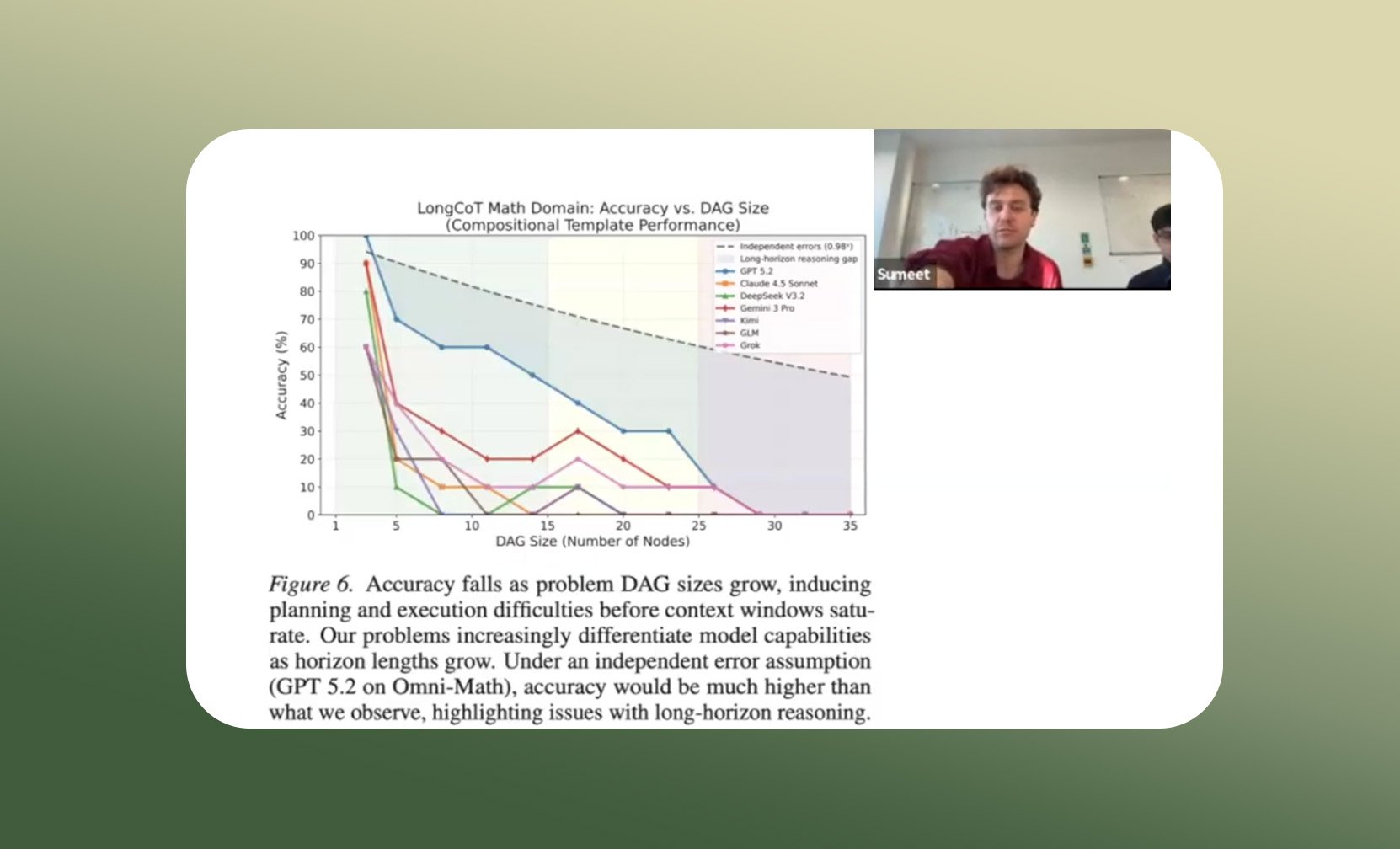
Long-horizon reasoning is one of the largest obstacles in LLMs. In our latest AI4Science talk, Sumeet (
@sumeetrm
) and Charlie (
@CharlieLondon02
) from Oxford discussed H1 and LongCoT, two projects focused on measuring and improving how models reason over long chains of steps. -
SlimQwen: Technical Research on Pruning and Distillation for MoE Models
By
–
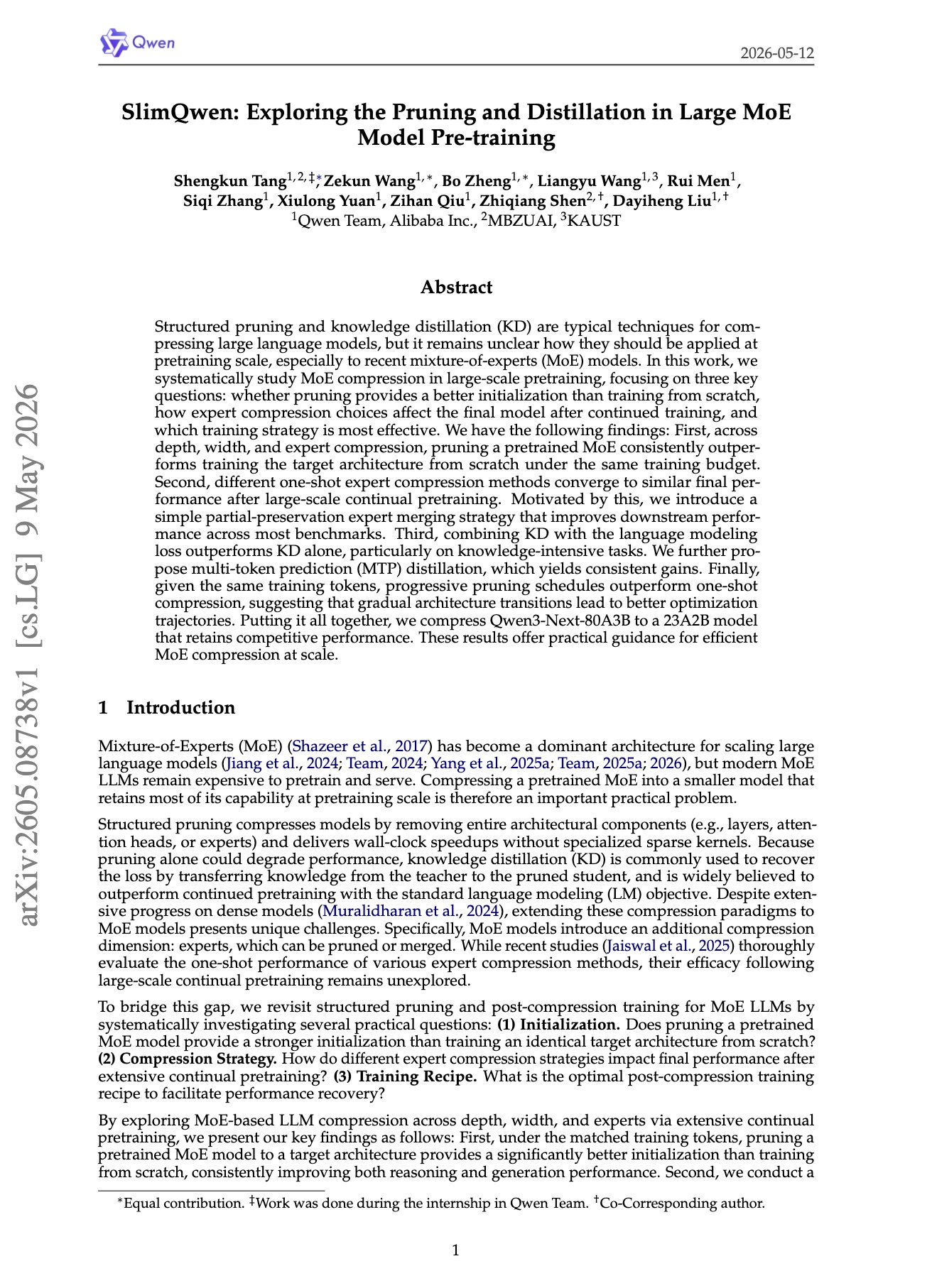
“SlimQwen: Exploring the Pruning and Distillation in Large MoE Model Pre-training” This new Qwen paper shows that pruning a pretrained MoE is much better than training the smaller MoE from scratch. All you need to do is prune depth, width, and experts, preserve some experts
-
On model choice and training dynamics
By
–
You don’t remove any information. You just use the right model. The action distribution is a delta function for your own actions. You still train on how the world is affected by or reacts to your actions
-
Educational Resource: The Hundred-Page Language Models Book
By
–
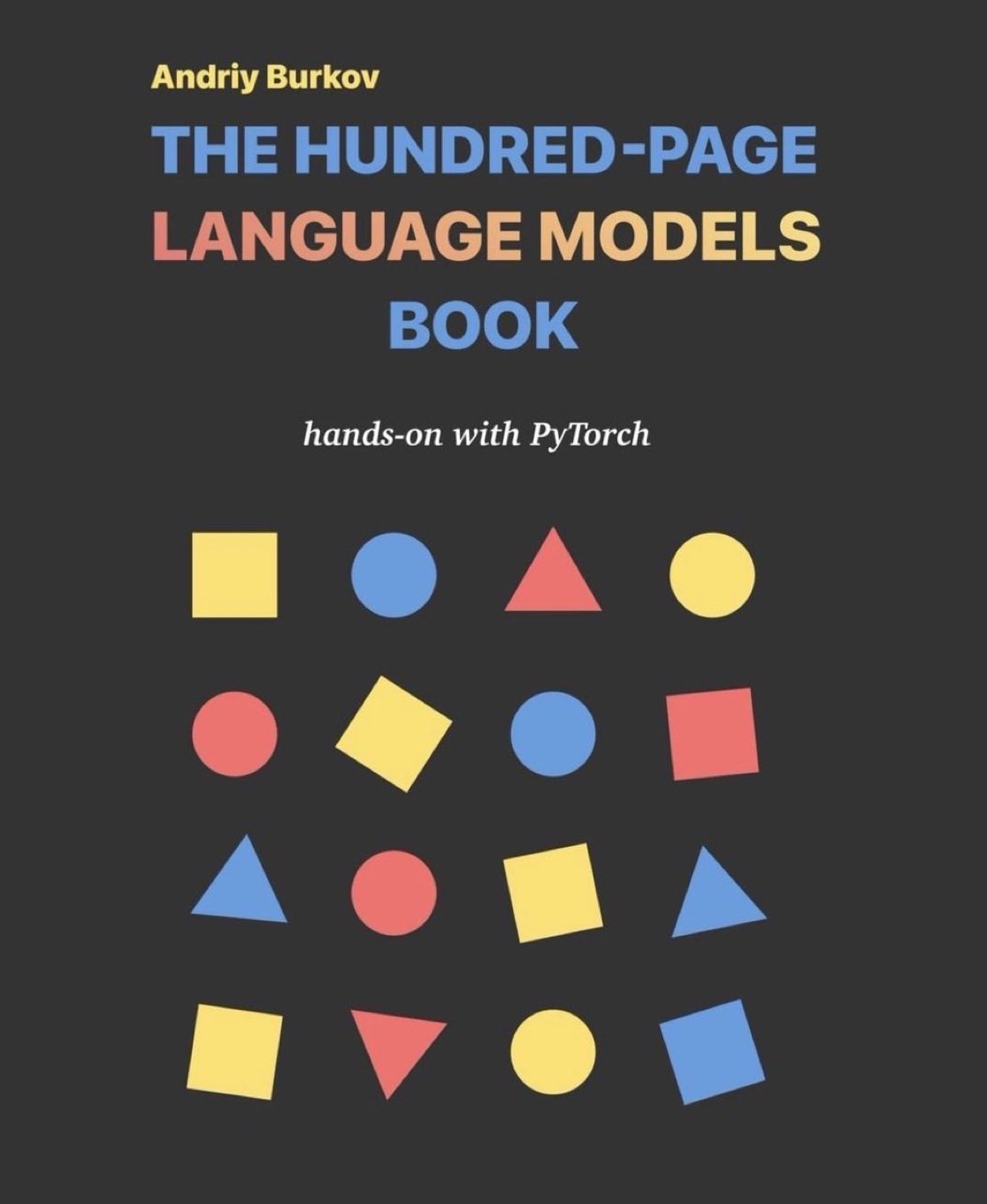
The Hundred-Page Language Models Book — Hands-on with PyTorch: http://
amzn.to/4sJl7YC by @burkov -
GenAC: chain-of-thought generative critic for LLM RL
By
–
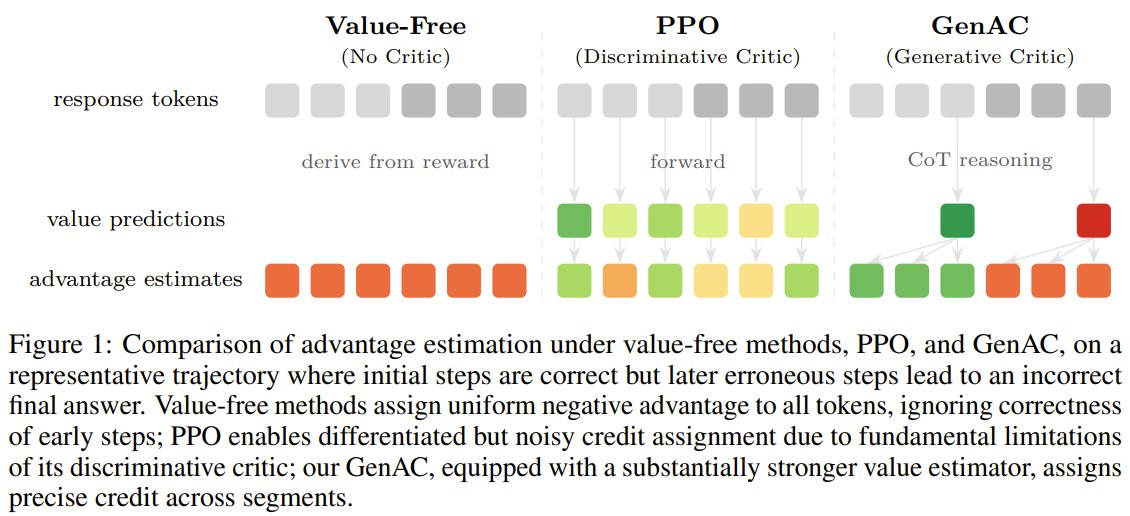
What if LLM reinforcement learning could assign credit more accurately by thinking step by step? Researchers from Peking University and Microsoft Research Asia introduce GenAC: a generative critic that replaces one-shot value predictions with chain-of-thought reasoning before
-
The relationship between tokens, intelligence, and problem-solving complexity
By
–
Simply put ‘tokens’ are what makes up a measure of non-biological Intelligence. And with more intelligence you can solve infinitely more complex problems. And no, there is no ceiling on complexity, so it’s not a zero-sum game (IE humans vs machines). It just means we can do…