grok-build-0.1 is now available via the xAI API in public beta. This is the same model that powers the Grok Build CLI and excels at agentic coding. Priced at $1/m input and $2/m output, it’s extremely cost effective, intelligent, and fast.
LLMS
-

81k AI Models Available via Hugging Face Inference API
By
–
81k models available through huggingface inference api
-

Noah-McLaughlin-7B AI Model Released on Hugging Face
By
–
You pick AI models based on their model cards, why not humans haha. Well done Noah! https://
huggingface.co/noahmclaughlin
/Noah-McLaughlin-7B
… -
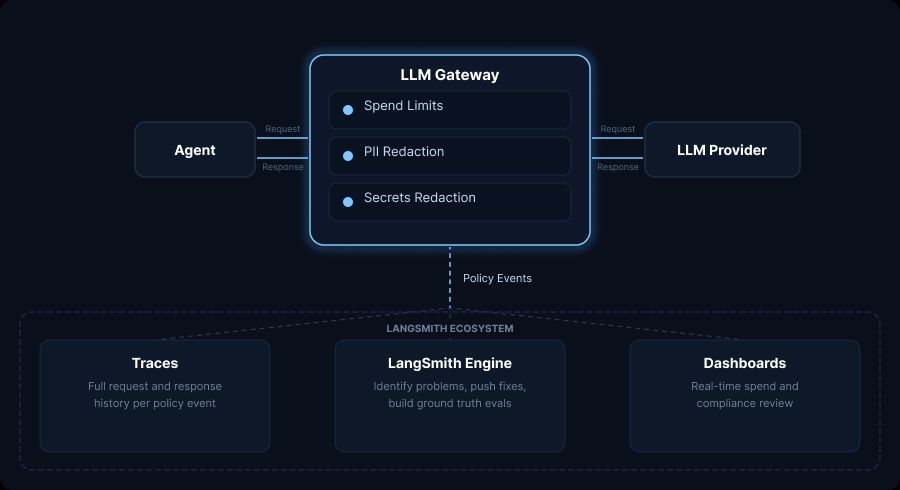
LangSmith Gateway enforces spend limits and redacts PII before model requests
By
–
LangSmith LLM Gateway lets you enforce spend limits and redacts PII before requests reach the model. Not after the fact.
-
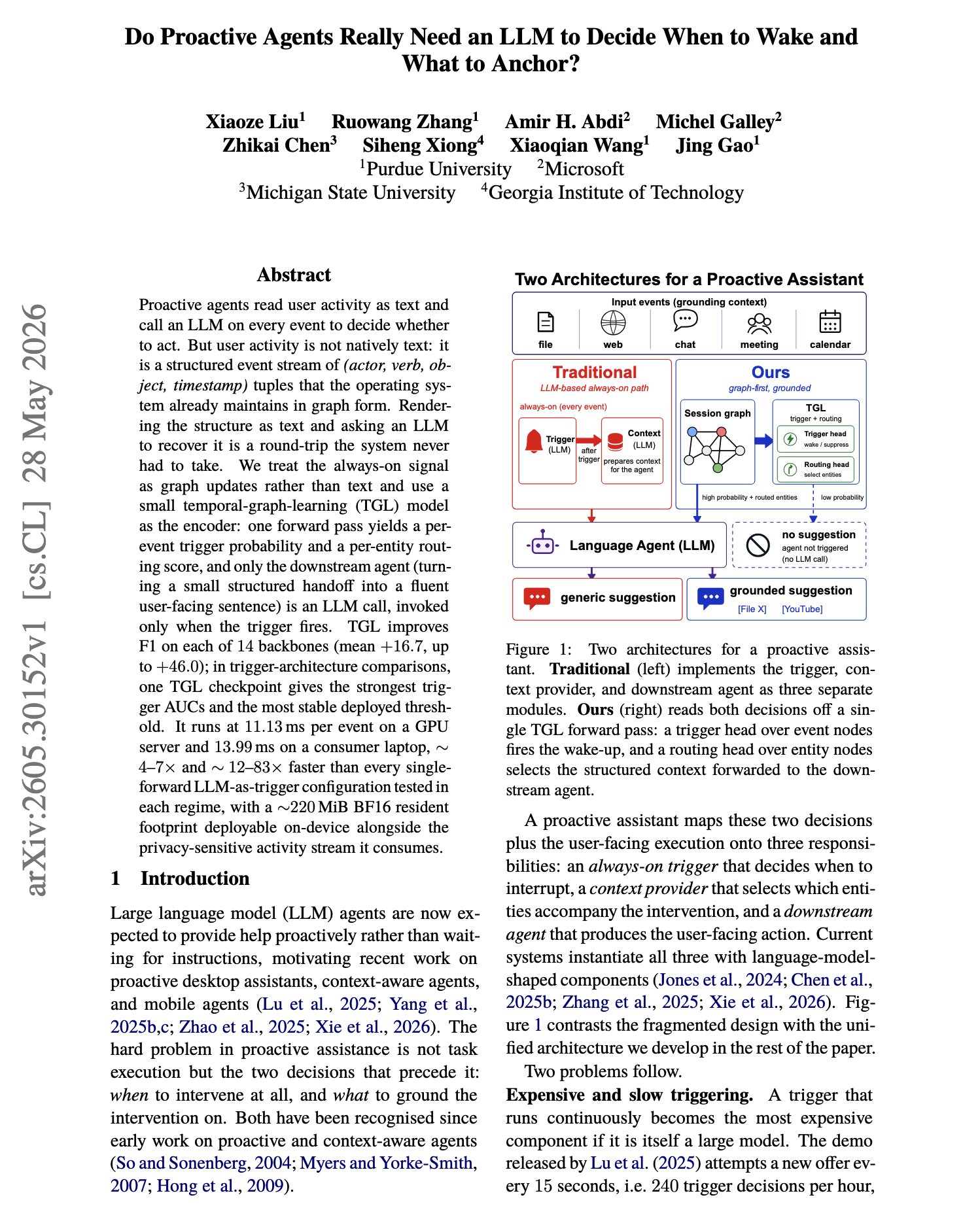
Proactive Agents: LLM Efficiency in Wake Triggers
By
–
Do proactive agents really need an LLM to decide when to wake? The default proactive agent calls an LLM on every event just to decide whether to wake up. That is a lot of expensive inference spent on a yes or no. New research from Microsoft and Purdue asks whether the trigger
-
Claude Dynamic Workflows: Parallel Subagents for Task Automation
By
–
Claude's new Dynamic Workflows is amazing!
— AlphaSignal AI (@AlphaSignalAI) 29 mai 2026
1. Set model to Opus 4.8
2. Reasoning effort to /ultracode
It can spawn hundreds of subagents working in parallel to take on massive tasks. https://t.co/xa3mA4ewqF pic.twitter.com/frh9lov5wfClaude's new Dynamic Workflows is amazing! 1. Set model to Opus 4.8
2. Reasoning effort to /ultracode It can spawn hundreds of subagents working in parallel to take on massive tasks. -
Shift from Opus to GPT 5.5 as best model for Clawdbot
By
–
I was full on promoting Opus as best model for “Clawdbot”. Luckily that changed and GPT 5.5 is now the best model based on our internal benchmarks.
-
Reconstructing Software Engineering for AI-Driven Coding
By
–
Reconstructing software engineering around AI is going to take work (even as the ability of AI to code increases at a rapid rate). Organizations are ideally spending tokens for two things:
1) building stuff
2) experiments to figure out best practices (which involves failure)