these were easy to benchmark. COT would be easy as well but is trained into most models these days so i dont think it would change too much
LLMS
-
Post-Training: Adapting AI Models for User Preferences and Safety
By
–
Post-training involves much less compute and faster iteration cycles than pre-training. With post-training, you can adapt the model to user preferences, craft the model personality, or introduce safety behavior, says @barret_zoph
. -
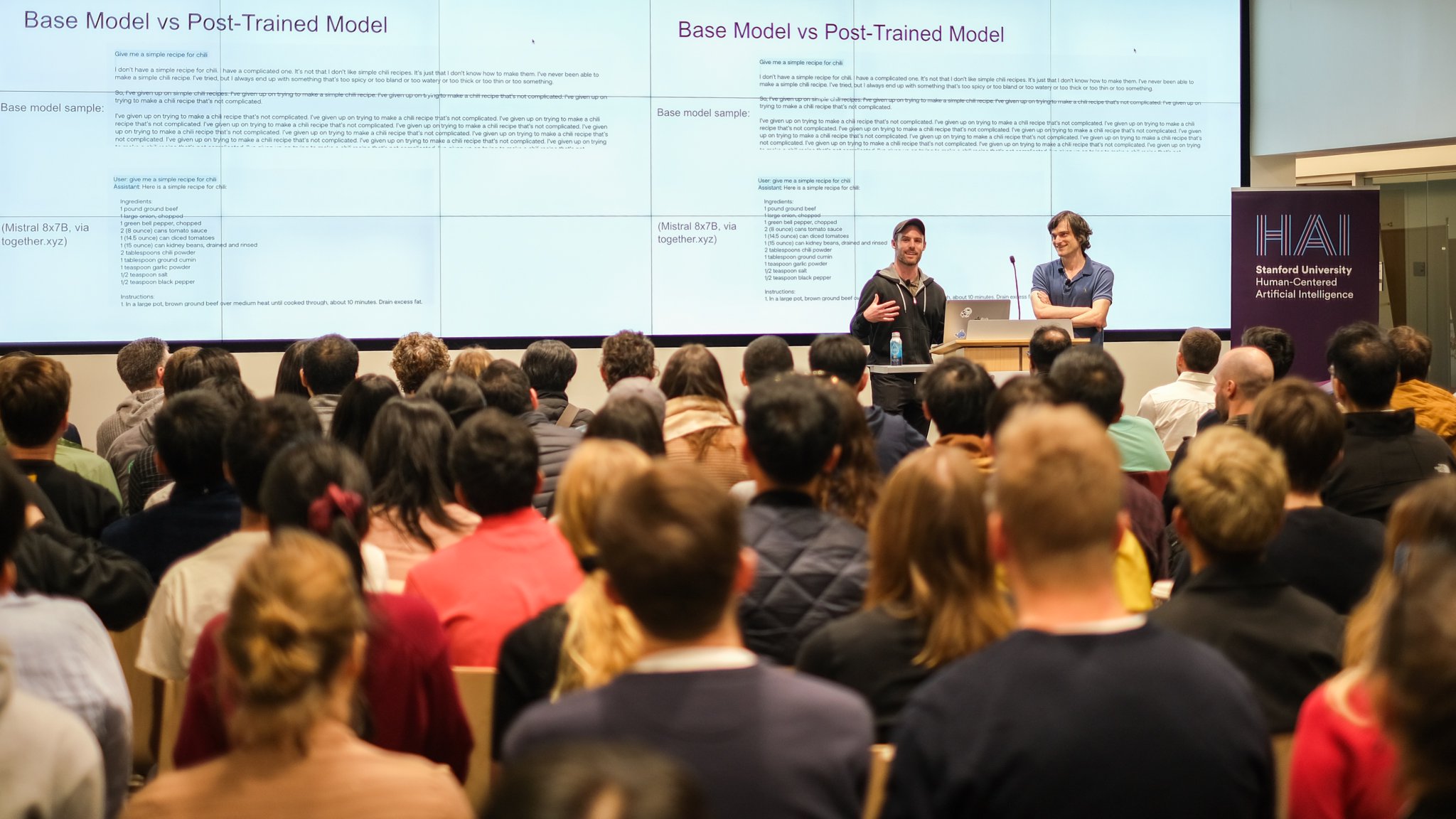
ChatGPT Development and Post-Training Techniques with OpenAI Leaders
By
–
At today’s @StanfordHAI seminar, @OpenAI co-founder @johnschulman2 and VP of research @barret_zoph described the early days of ChatGPT and post-training these popular models. https://
hai.stanford.edu/events/john-sc
hulman-and-barret-zoph-chatgpt-and-art-post-training
… -
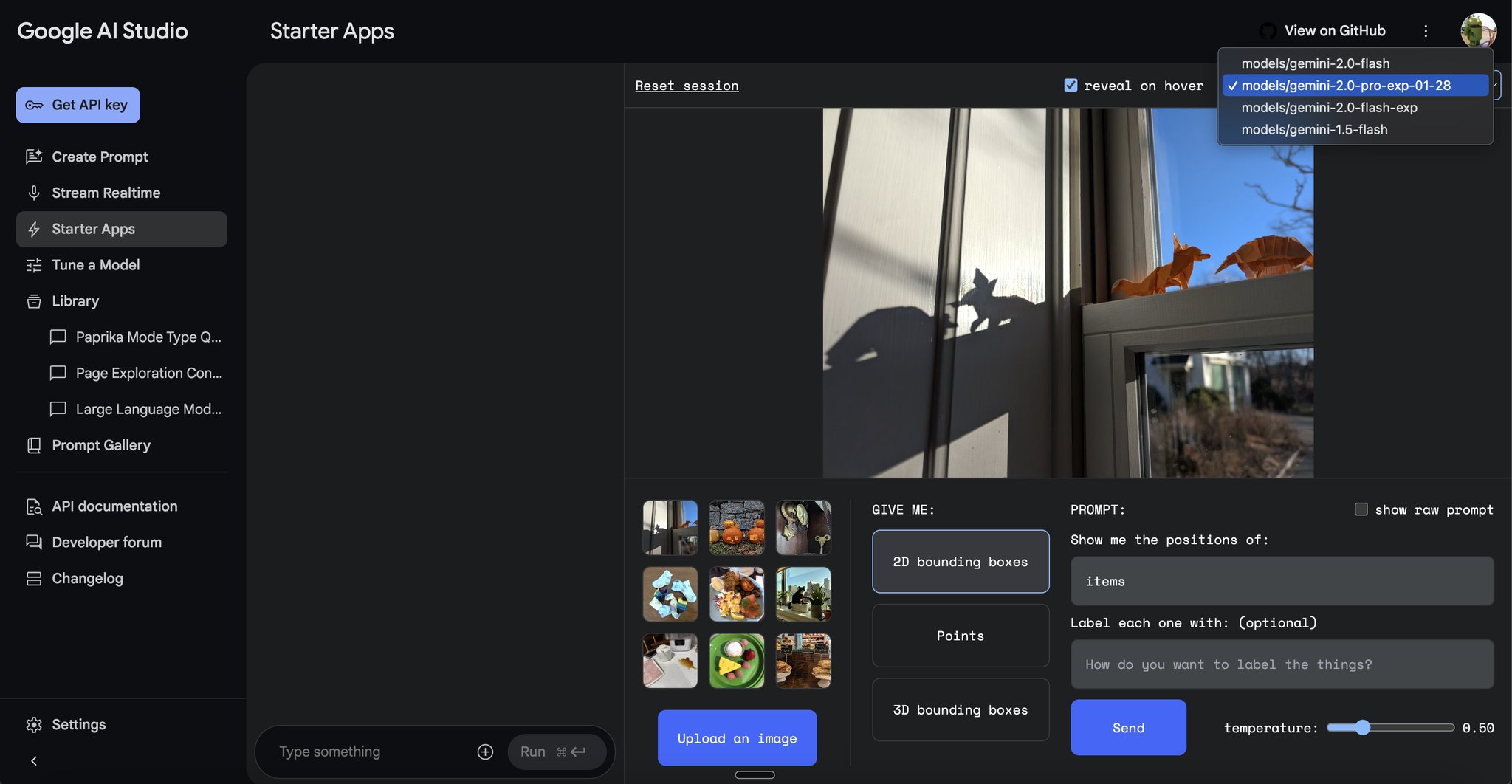
Gemini 2.0 Pro 01.28 spotted in Google AI Studio
By
–
BREAKING : Gemini 2.0 Pro exp 01.28 is spotted in the wild on Google AI Studio in the Starter apps section. It is not yet available in the model selector h/t @BartokGabi17
-
Core Technology Remains Fundamentally Matrix Multiplication Based
By
–
Not really — the core is still just big matmuls
-
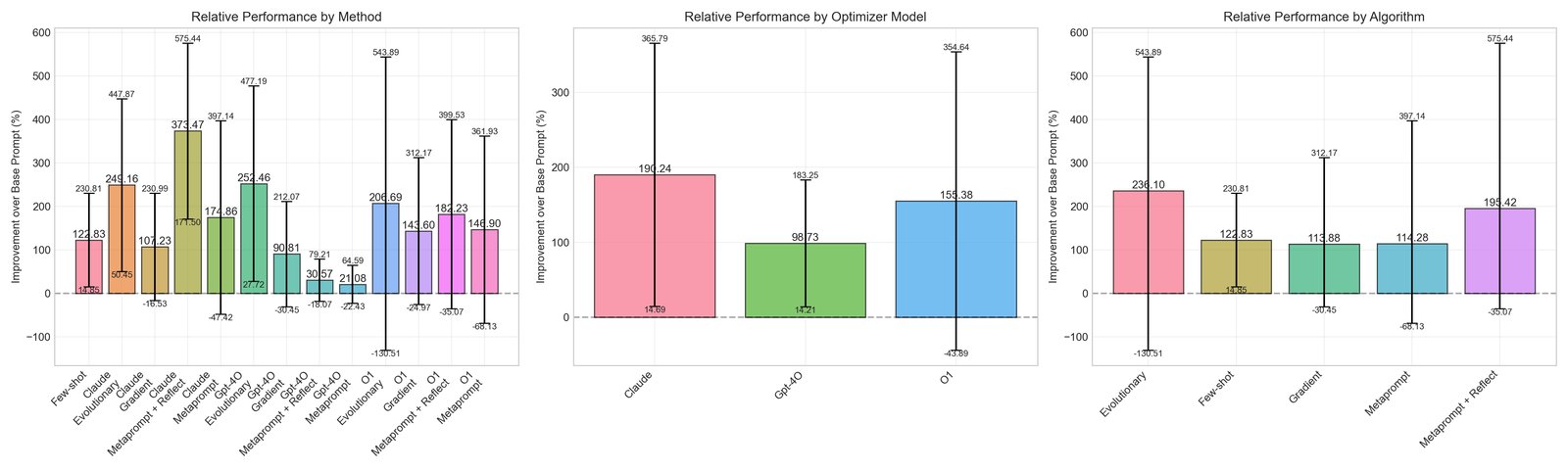
Claude-Sonnet Outperforms o1 for Meta-Prompting and Optimization
By
–
I think a lot of people are sleeping on using claude-sonnet to do meta-prompting/prompt optimization we found its better than o1 (and cheaper/faster) it still struggles for complex tasks (curious to see how o3 would do) but it works quite well for simpler one
-
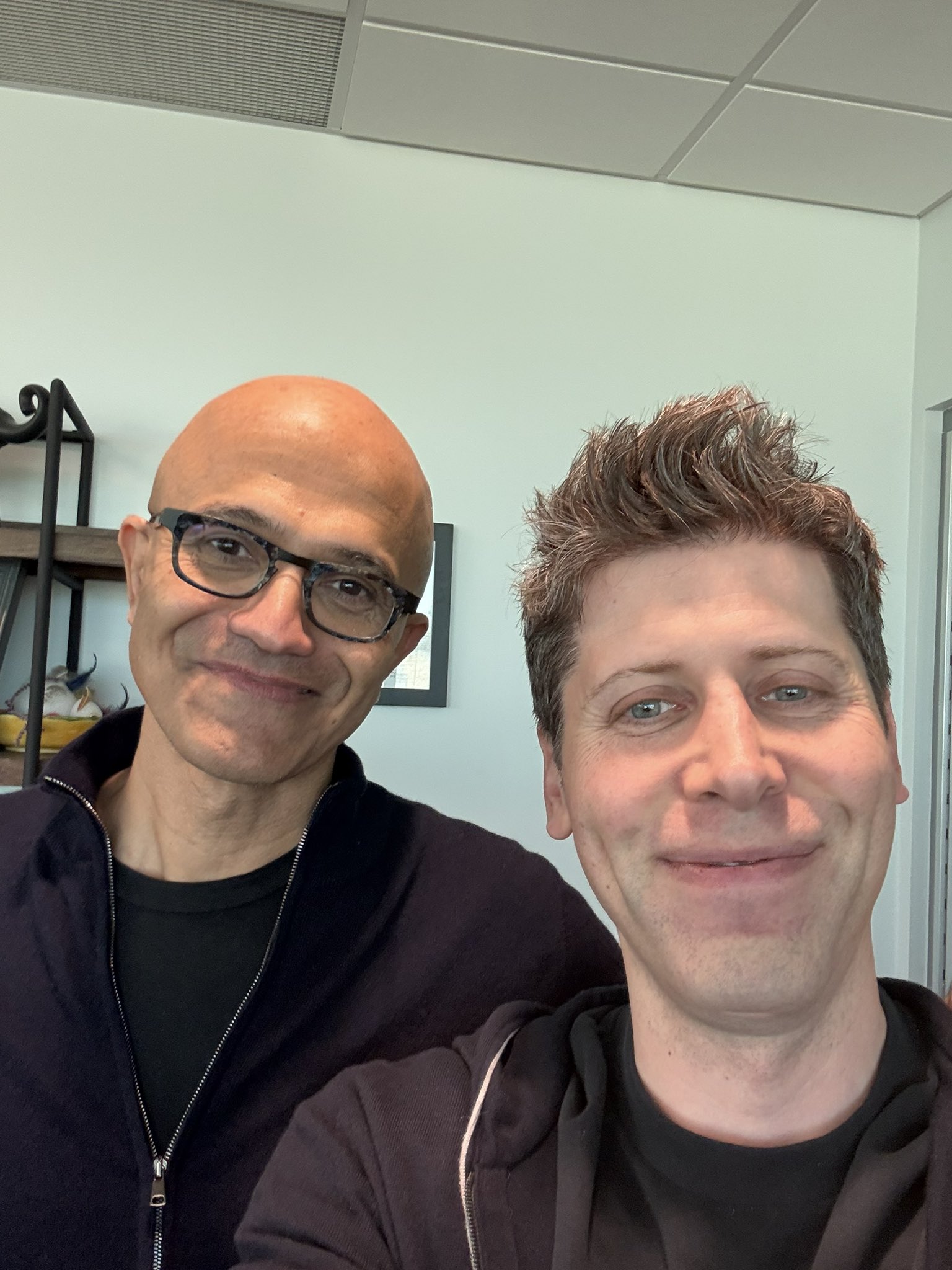
Microsoft OpenAI Partnership Next Phase Announcement
By
–
next phase of the msft x oai partnership is gonna be much better than anyone is ready for!!
-
RL vs SL: Demystifying Reinforcement Learning’s Core Concept
By
–
Yeah exactly. I get triggered when RL is dressed up in its full rigorous math formalism because it's gate-keeping an essentially trivial core idea. SL:
a token sequence comes from some 3rd party source (e.g. human demonstration), and you just train on it. RL:
you first sample a -
Consciousness vs Tokens: Understanding AI Model Awareness
By
–
It’s only profound to you, because you are conscious and self-aware and it therefore means something. To the model, it’s just a bunch of tokens..
-
Sparse vs Dense Models: Pre-training and Inference Trade-offs
By
–
Its advantages, George, are best understood for pre-training. How it performs in inference remains a less well-understood area. And there may be trade-offs there where "dense" models do better.