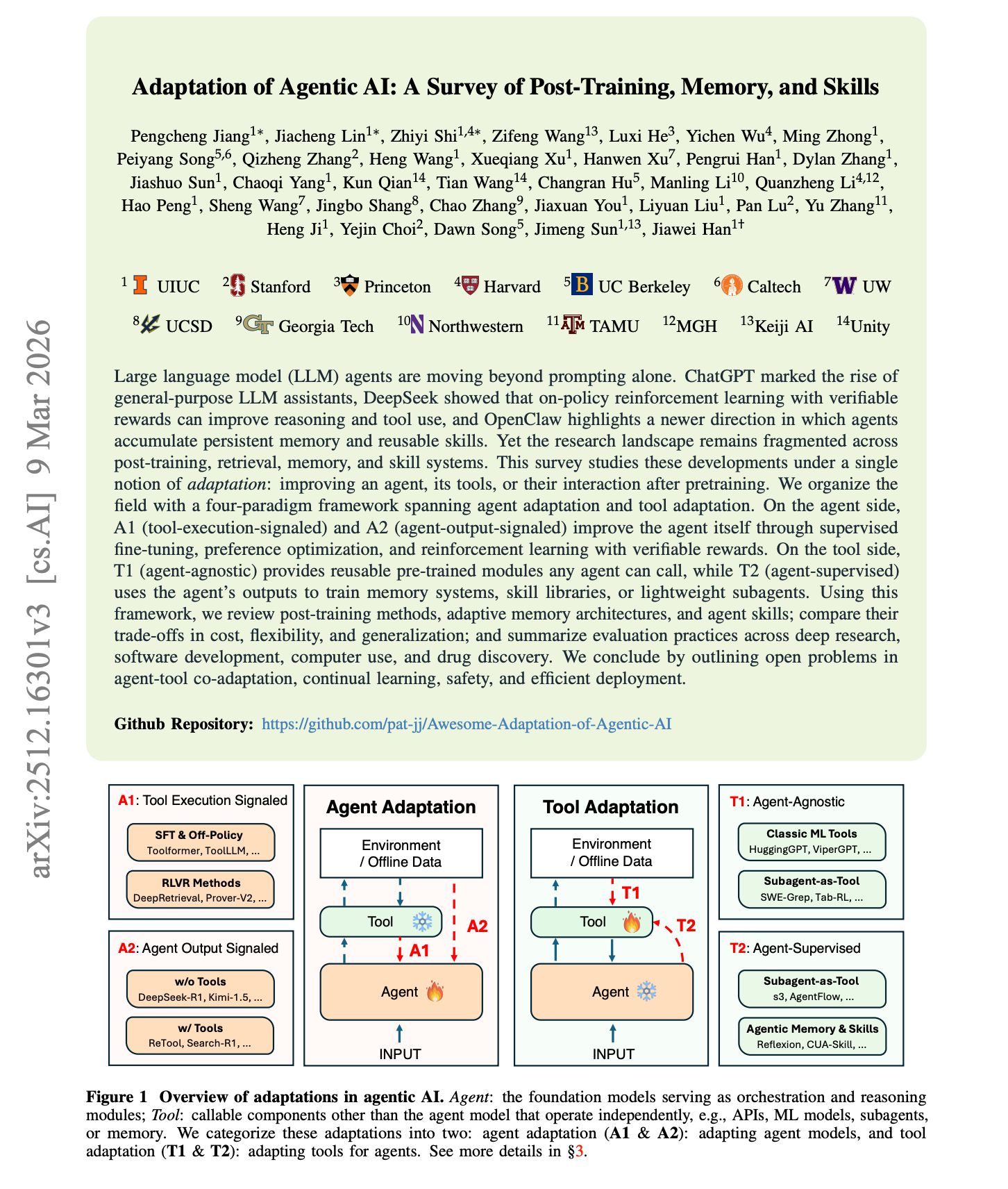
Stop retraining your AI agents. Train their tools instead. Most AI agents look great in demos. Then they break in production. A new paper from Stanford and Harvard explains why. It introduces a framework that changes how we think about building agents. The core finding: when
LLMS
-
Understanding Composite AI: The Future of Intelligence Systems
By
–
What Is Composite AI?
#AI #AIio #AIInnovation #ML #DataScience #Futureofwork @lexfridman @sama @kaifulee @ID_AA_Carmack @karpathy @2morrowknight @ylecun -
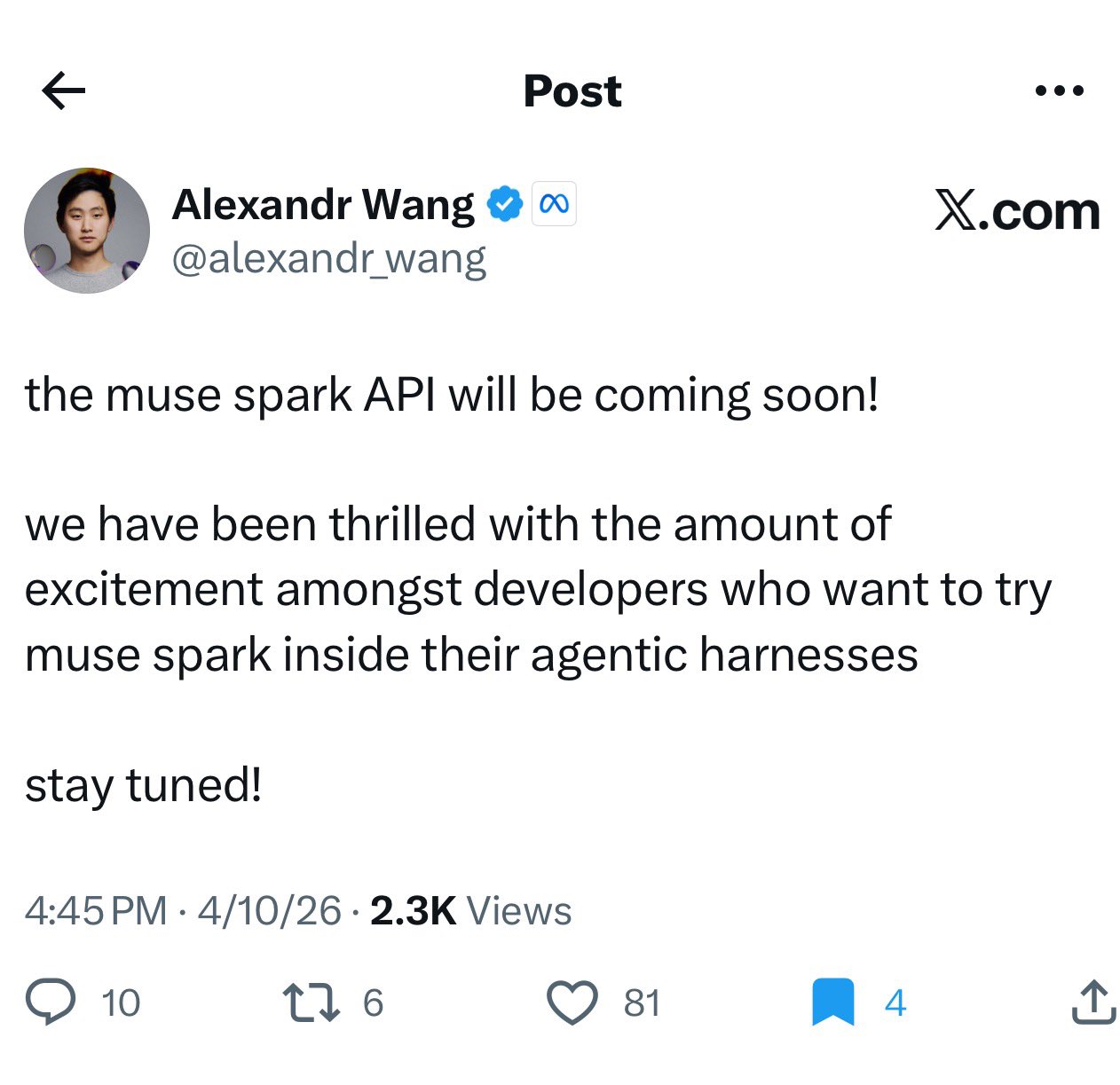
Meta to Release Muse Spark API Soon
By
–

Meta is planning to release Muse Spark on the APIs soon. Would be curious also to play with Meta’s 9B model if it will ever come out. Soon
-
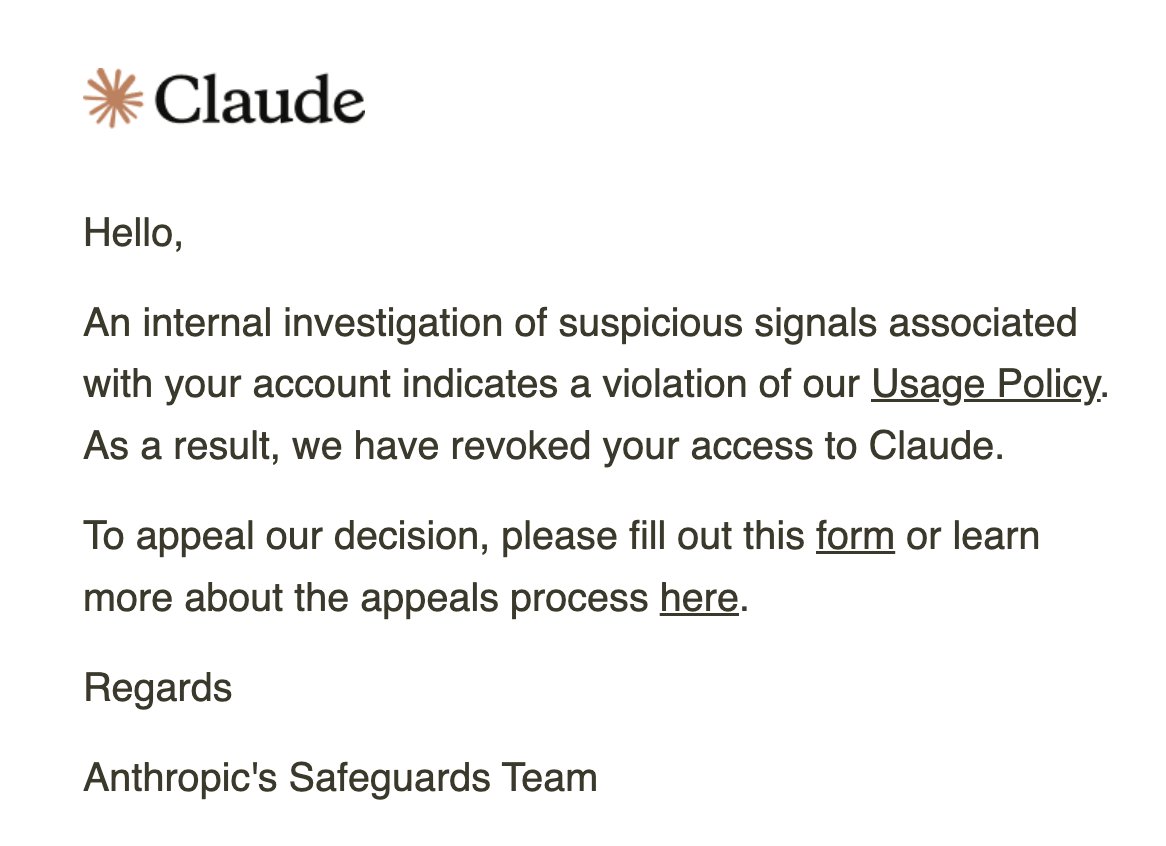
OpenClaw Compatibility Challenges with Anthropic Models Ahead
By
–
Yeah folks, it's gonna be harder in the future to ensure OpenClaw still works with Anthropic models.
-
RWS Language Weaver AI Translation Model Powers Command
By
–
We worked with @RWSGroup to fine-tune our Command translation model, which improved language and cultural expertise. Now, that model is the “brain” that powers RWS’ Language Weaver AI translation solution. https://t.co/0xCCwG3EU0
— Cohere (@cohere) 10 avril 2026We worked with @RWSGroup to fine-tune our Command translation model, which improved language and cultural expertise. Now, that model is the “brain” that powers RWS’ Language Weaver AI translation solution.
-
Agent Harnesses: Stable Abstractions for LLM-Based Systems
By
–
im excited about agent harnesses because i think are the first stable agent abstractions we can build on top (which is why we're investing so much in deepagents) we always wanted to run llms in a loop and have them call tools (remember autoGPT? that's all that was) but the
-
Sonnet Model Performance Issues and User Experience Improvements
By
–
I have the same problem. Better results with Sonnet. Are they victim of their success? I’m sure they will fix.
-
BLIP-2: Connecting Vision and Language Models Efficiently
By
–
BLIP-2: Bridging Vision and Language Without Full Retraining
— Satya Mallick (@LearnOpenCV) 10 avril 2026
In this episode of Artificial Intelligence: Papers and Concepts, we explore BLIP-2, a powerful vision–language model that connects pretrained image encoders with large language models without requiring expensive… pic.twitter.com/EnefAwliTzBLIP-2: Bridging Vision and Language Without Full Retraining In this episode of Artificial Intelligence: Papers and Concepts, we explore BLIP-2, a powerful vision–language model that connects pretrained image encoders with large language models without requiring expensive
-
OpenAI’s AI Reaching Research Intern Level by September 2026
By
–
OpenAI's Chief Scientist says AI is getting close to being as good as a human research intern.
— Jacob Effron (@jacobeffron) 10 avril 2026
This past September, @sama and @merettm predicted fully autonomous AI researchers by 2028.
Jakub's update: "I think we're not very far from models that can work autonomously for a… https://t.co/jsmSU6cSNH pic.twitter.com/gzzyonGEF8OpenAI's Chief Scientist says AI is getting close to being as good as a human research intern. This past September, @sama and @merettm predicted fully autonomous AI researchers by 2028. Jakub's update: "I think we're not very far from models that can work autonomously for a couple days… and produce much higher quality artifacts on their own." Jacob Effron (@jacobeffron) At @OpenAI, Chief Scientist @merettm helps lead the research roadmap to AGI including a research intern-level AI system by September 2026 and a fully automated AI researcher by March 2028. I sat down with Jakub to check on those timelines and ask him all of my top-of-mind AI questions including: ▪️ How OpenAI thinks about extending RL beyond code and math ▪️ The current state of alignment research as more powerful models loom ▪️ The future of continual learning ▪️ How startups should think about building their own models/harnesses And he also shared some great stories around OpenAI’s pioneering work on math. YouTube: piped.video/vK1qEF3a3WM Spotify: bit.ly/4sjUyrN Apple: bit.ly/41jAdrN 0:00 Intro 1:53 Research Intern Capability Timelines 4:59 Math Breakthroughs 7:59 RL Beyond Verifiable Tasks 12:32 RL vs In-Context 19:01 Allocating Compute Internally 28:18 AI for Science 31:40 Pattern Matching 33:23 Solving the Hardest Math Problems 37:40 Chain of Thought Monitoring 44:33 Generalization and Value Alignment in Models 47:57 Inside OpenAI 51:55 Quickfire — https://nitter.net/jacobeffron/status/2042234897134162077#m
→ View original post on X — @ceobillionaire, 2026-04-10 14:10 UTC
-
Chat Models Have Limits Unlike Codex Systems
By
–
Everything has limits. the chat model isn’t agentic, it’s more like codex.