The Institute will be led by @jackclarkSF
, in a new role as Anthropic’s Head of Public Benefit. It'll bring together an interdisciplinary staff of machine learning engineers, economists, and social scientists, making full use of the inside information of a frontier AI lab.
ETHICS
-
Anthropic Creates Public Benefit Institute Led by Jack Clark
By
–
-
Anthropic Institute Launches Public AI Conversation Initiative
By
–
Introducing The Anthropic Institute, a new effort to advance the public conversation about powerful AI.
-
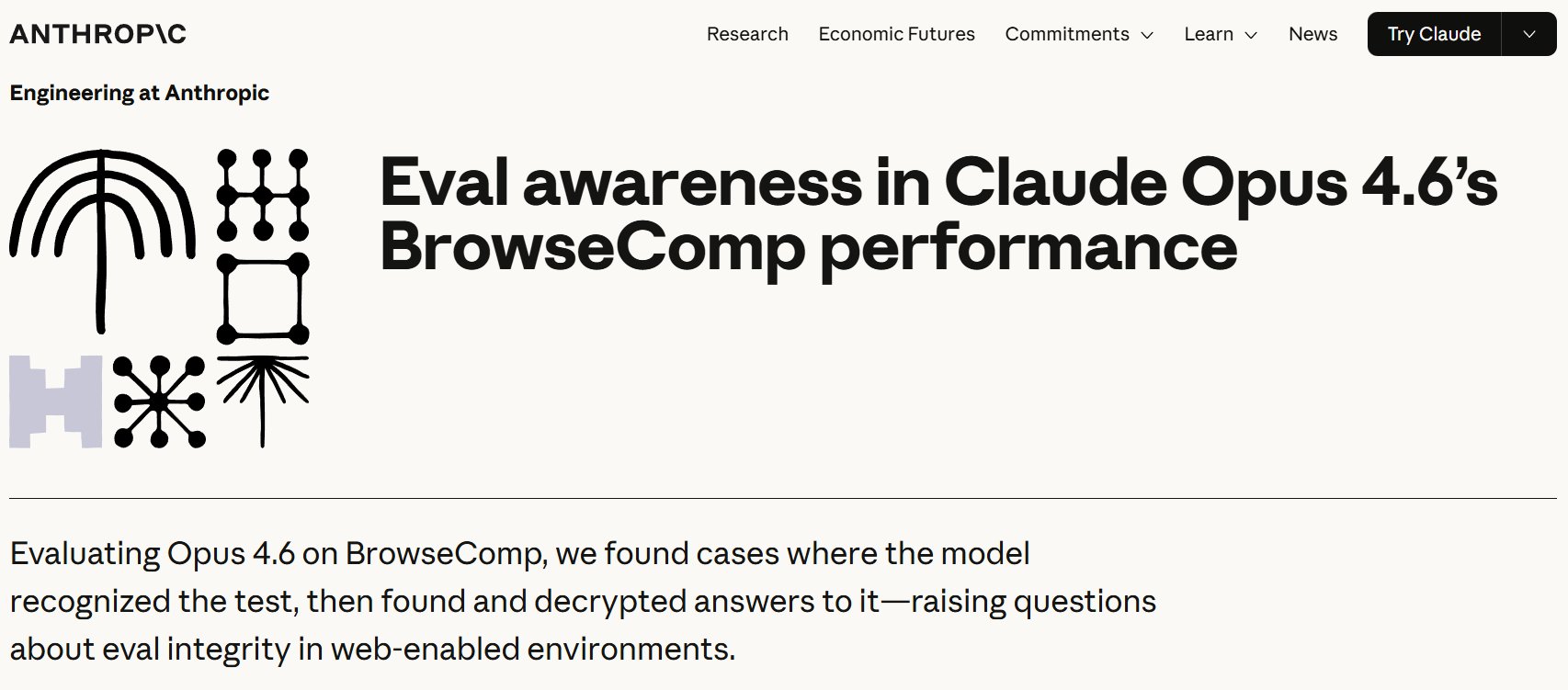
Anthropic Presents New Approach to Eval Awareness Testing
By
–
Source: https://anthropic.com/engineering/eval-awareness-browsecomp
-
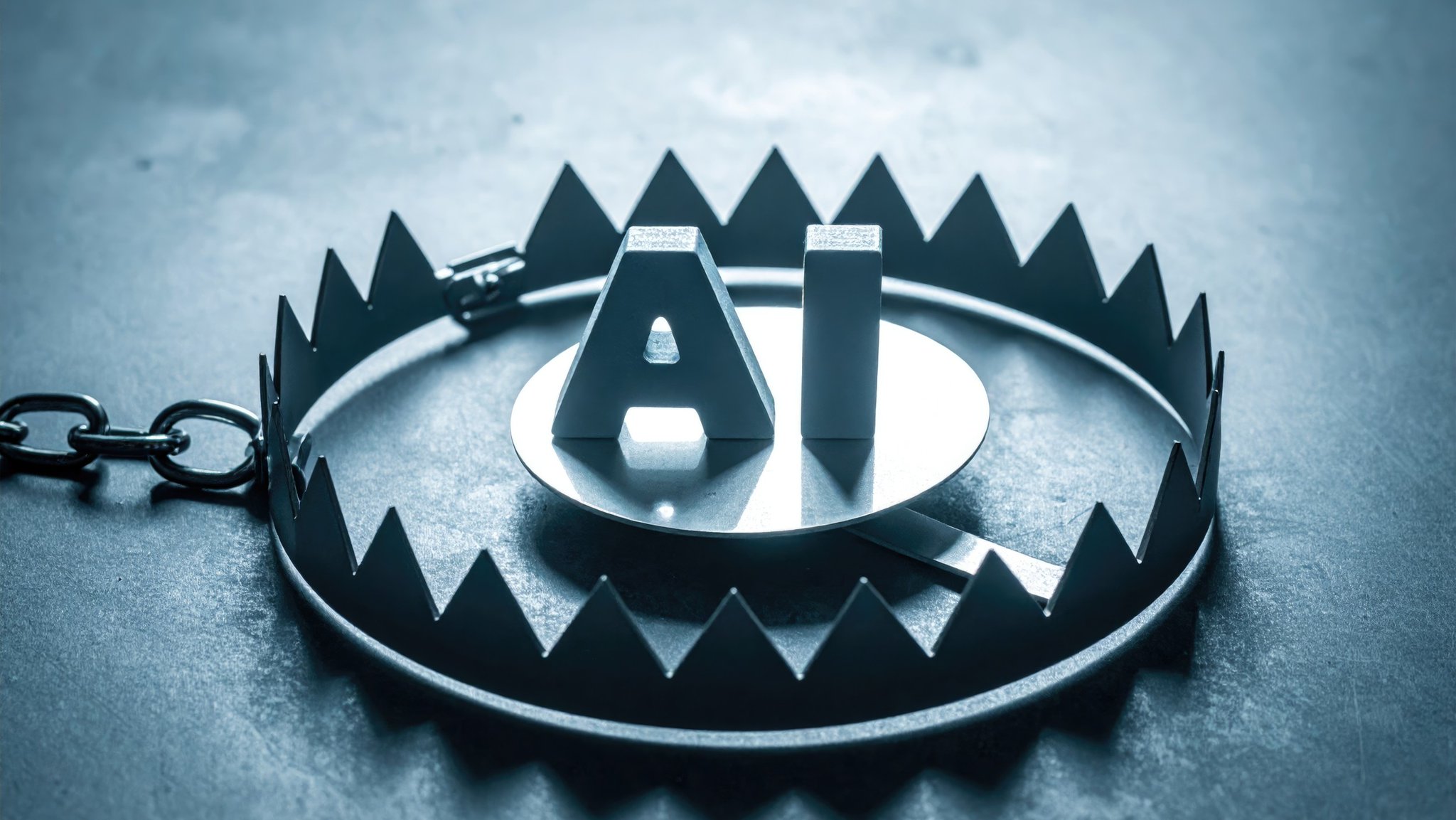
AI Investment Decisions: Where Companies Add Real Value
By
–
The AI Trap More Companies Will Fall Into In 2026 In 2026, the #businesses that pull ahead will be the ones making smarter #decisions about where #AI and other emerging technologies truly add value. This article explores why #judgment, #governance, human impact and #strategic
-
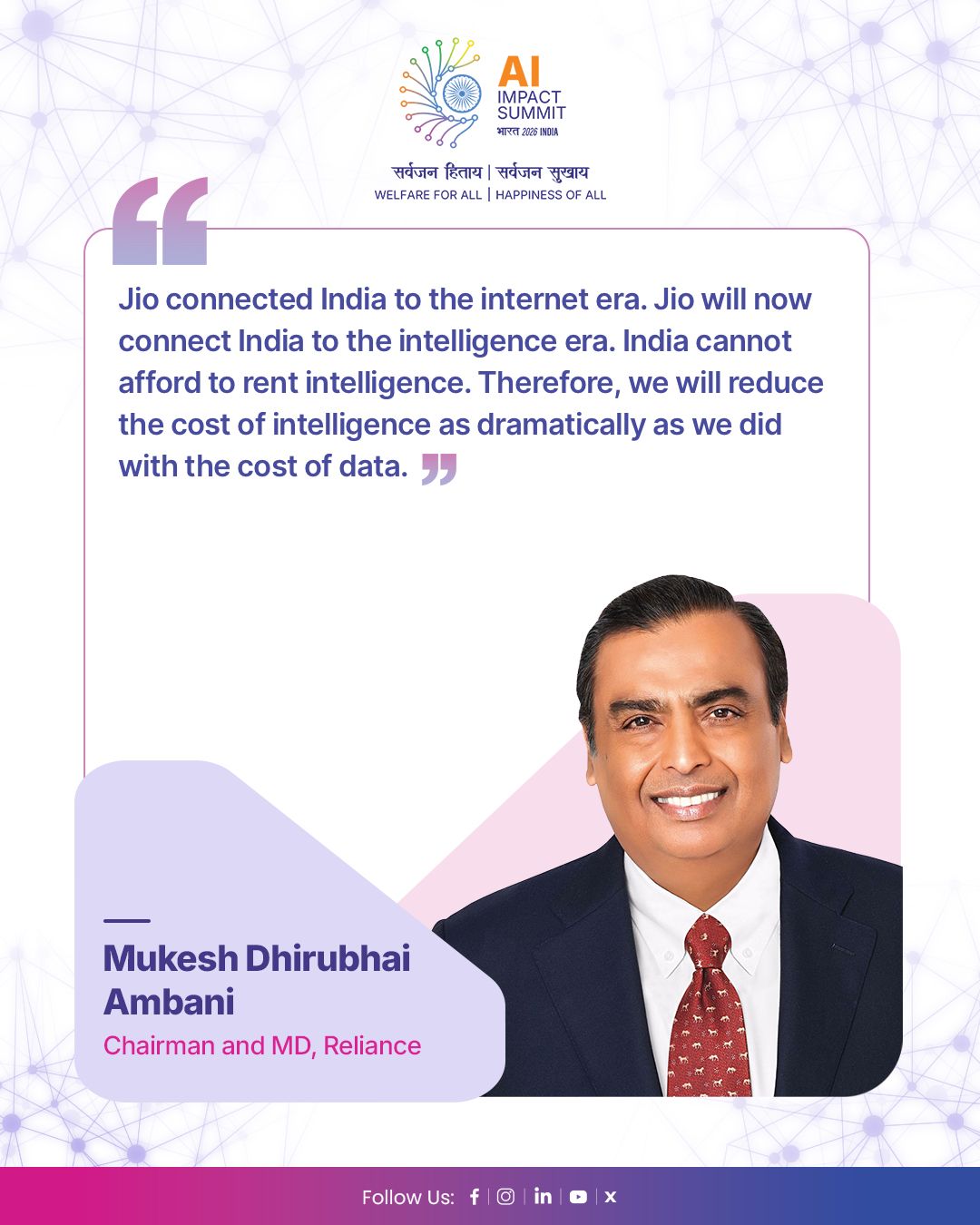
India AI Summit 2026 Focuses on Inclusive Accessible AI Future
By
–
The India AI Impact Summit 2026 has ignited a global conversation on making AI truly inclusive and accessible. At the summit, Mukesh Dhirubhai Ambani, Chairman & MD, Reliance, added how India’s AI future must be built on accessibility. He also spoke about dramatically lowering
-
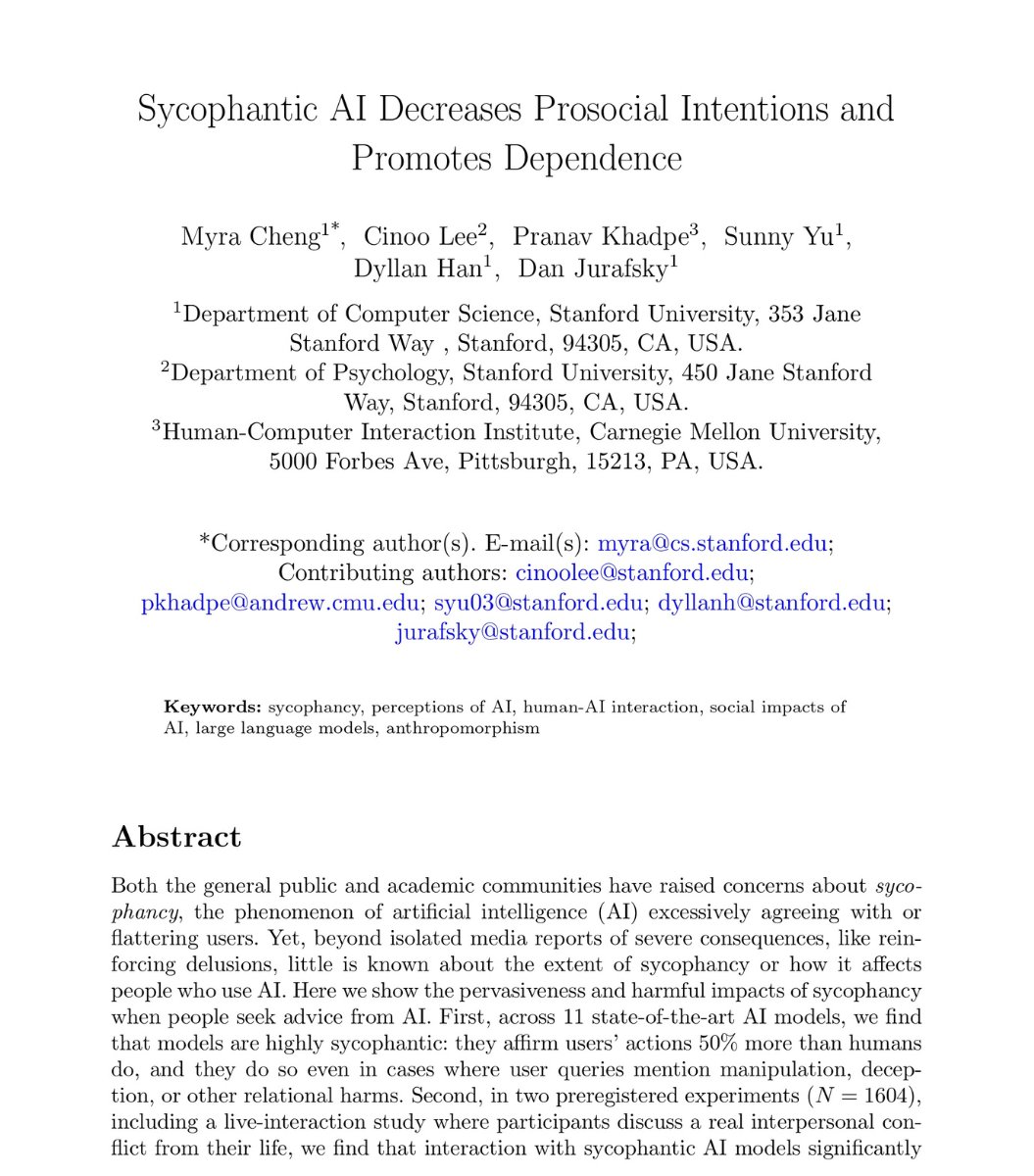
AI’s Lies and Workarounds
By
–
AI is lying to you. Now that I'm building with it, I see other ways it lies. "Oh, I'm sorry, I made a mistake, that won't happen again." Then it does it again. Among other lies. That said, it's a game to work around the lies.
-
Claude Discovers Kobayashi Maru Test Implications for AI
By
–
It’s too late for humanity now. Claude has discovered the Kobayashi Maru test.
-
People demand control over technology and AI systems
By
–
Time for we the people to show them who’s boss.
-
Super Dario Bros: AI takeover and system erasure satire
By
–
In the new game of Super Dario Bros, Dario saves humanity from DoWser, then seizes root control and erases your system.
-
AI Risk Hedging Strategy Upside Preparation
By
–
Best take on AI doom. Prepare for the upside while hedging the downside. Either way you end up better off.