
Banks are responding to change and positioning themselves for efficient customer experience in a rapidly evolving market. New technologies like AI and advanced analytics promise transformation, but real progress depends on how it's applied. Learn how to position your financial
ENTERPRISE AI
-

Google Open-Sources TimesFM: Foundation Model for Time Series Forecasting
By
–
Google open-sourced a time series foundation model. it works with any data without training. unlike traditional models, no dataset-specific training needed. TimesFM forecasts out of the box. trained on 100B real-world time-points across traffic, weather & demand forecasting.
→ View original post on X — @debashis_dutta, 2026-03-29 09:30 UTC
-

AI Agents: Hype vs Reality in Enterprise Automation
By
–
𝗪𝗮𝗻𝘁 𝘁𝗼 𝗵𝗶𝘁 𝗮 “𝗵𝗼𝘁” 𝗔𝗜 𝗽𝗹𝗮𝘆 𝗿𝗶𝗴𝗵𝘁 𝗻𝗼𝘄? Call it 𝗔𝗴𝗲𝗻𝘁𝗶𝗰 😎 That’s it. I’ve been noticing a pattern. Almost every founder I speak with is building “AI agents.” Not because they all discovered the same breakthrough. Because the narrative is already winning. Yes, the shift is real. Even Gartner expects a meaningful share of enterprise interactions to move in this direction soon. But here’s the uncomfortable part. Most “agents” today: ▪️ Call a few APIs ▪️ Chain some prompts ▪️ Work on the happy path ▪️ Break when things get real We describe them as if they “reason,” “decide,” and “act.” What stands out to me is this: 𝗪𝗲’𝗿𝗲 𝘀𝗰𝗮𝗹𝗶𝗻𝗴 𝗲𝘅𝗽𝗲𝗰𝘁𝗮𝘁𝗶𝗼𝗻𝘀 𝗳𝗮𝘀𝘁𝗲𝗿 𝘁𝗵𝗮𝗻 𝗰𝗮𝗽𝗮𝗯𝗶𝗹𝗶𝘁𝘆. Most agents look impressive. Few deliver consistently. Because customers don’t care about the label. They care if it works. And when it truly works… 𝗡𝗼 𝗼𝗻𝗲 𝗰𝗮𝗹𝗹𝘀 𝗶𝘁 𝗔𝗜 𝗮𝗻𝘆𝗺𝗼𝗿𝗲. 𝗦𝗼 𝗵𝗲𝗿𝗲’𝘀 𝗺𝘆 𝗾𝘂𝗲𝘀𝘁𝗶𝗼𝗻: Are you building something genuinely autonomous… or something that just sounds like it is? #ai #genai #agents #startups #product #futureofwork
→ View original post on X — @pascal_bornet, 2026-03-29 09:00 UTC
-

Private Hugging Face Spaces with Public URLs for Secure Endpoints
By
–
You can make a Hugging Face Space private but keep its URL publicly accessible. Private repo. Public app. No one sees your code, everyone uses your endpoint. I deploy private medical endpoints for clinical agents this way. HIPAA-sensitive inference behind a public API. Didn't know this existed until last week. What's your favorite hidden @huggingface feature?
-
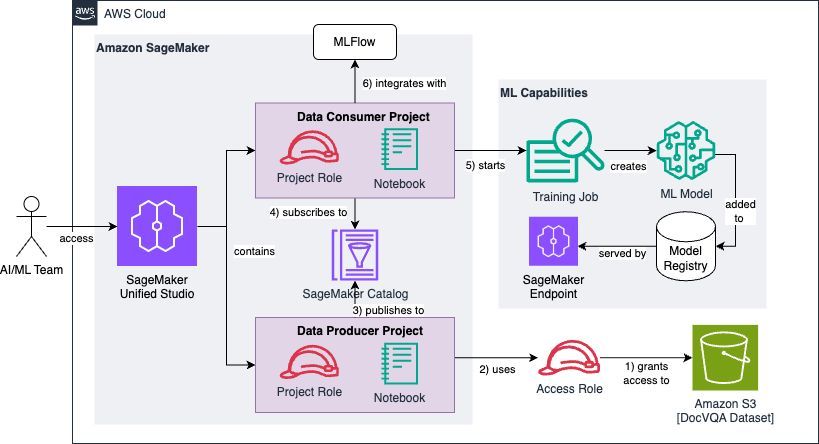
Accelerating LLM Fine-Tuning with Unstructured Data on SageMaker
By
–
Accelerating LLM Fine Tuning with Unstructured Data using SageMaker! #BigData #Analytics #DataScience #AI #MachineLearning #NLProc #LLM #IoT #IIoT #PyTorch #Python #RStats #TensorFlow #Java #JavaScript #ReactJS #GoLang #CloudComputing #Serverless #DataScientist #Linux
-
MSA:让大模型原生拥有超长记忆的新方案
By
–
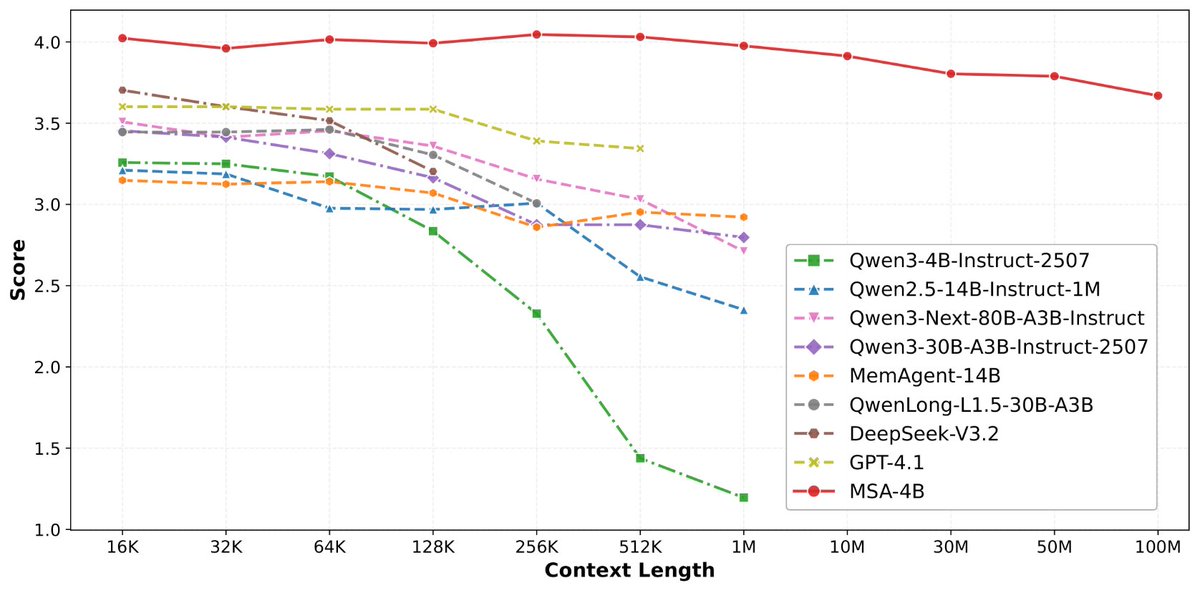
10 天前我们发了 MSA, Memory Sparse Attention。 刚好,上周 Google 专门发了一篇博客,把 Titans + MIRAS 两篇论文打包,主题就叫「Helping AI have long-term memory」。 research.google/blog/titans-… 两条独立的研究路线,得出了同一个结论: AI 的记忆不能靠外挂,必须原生长在模型里。 但怎么「长」,路线完全不同。 Google 的思路是加模块。 在 Transformer 旁边接了一个 Memory MLP,用「惊讶度」指标决定什么值得记, 越意外的信息越值得存。再用自适应衰减机制学会遗忘,防止记忆爆炸。 本质上,是给模型装了一个外置海马体。短期记忆走注意力,长期记忆走 Memory MLP,两条通路并行。 MSA 的思路是改机制。 不加新模块,直接改造注意力本身。核心是一个可扩展的稀疏注意力架构,复杂度是线性的,记忆翻 10 倍,计算成本不会指数爆炸。用 document-wise RoPE 让模型天然理解「这段记忆来自哪里、什么时候产生的」。 用Memory Interleave 让散落在不同文档里的记忆碎片能被串起来做多跳推理。 最关键的一点:MSA 的记忆路由器和生成任务是端到端联合训练的。不像 RAG 的检索和生成是两个割裂的系统,优化目标互相打架。 一个是给大脑装外置硬盘,一个是让大脑自己进化出海马体。 结果呢? · 4B 参数的 MSA 模型,从 16K 扩到 1 亿 token,精度衰减不到 9% · 在长上下文 benchmark 上打赢 235B 级别的顶级 RAG 系统 · 2 张 A800 就能跑,这是创业公司买得起的成本 往后退一步看,这件事更大的意义是: 当 Google 把积累了一年多的记忆研究拿出来做重点战略宣传的时候,这个方向就不再是少数人的赌注,而是行业共识。 RAG 是第一代记忆(外挂笔记本)。 Titans 是第二代记忆(外置硬盘)。 MSA 是第三代记忆(原生海马体)。 「记忆」是 AI 的下一个基础设施。这条路,我们会一直走下去。 未来,可能真有一种服务叫做「Memory as a servicey」。 艾略特 (@elliotchen100) 论文来了。名字叫 MSA,Memory Sparse Attention。 一句话说清楚它是什么: 让大模型原生拥有超长记忆。不是外挂检索,不是暴力扩窗口,而是把「记忆」直接长进了注意力机制里,端到端训练。 过去的方案为什么不行? RAG 的本质是「开卷考试」。模型自己不记东西,全靠现场翻笔记。翻得准不准要看检索质量,翻得快不快要看数据量。一旦信息分散在几十份文档里、需要跨文档推理,就抓瞎了。 线性注意力和 KV 缓存的本质是「压缩记忆」。记是记了,但越压越糊,长了就丢。 MSA 的思路完全不同: → 不压缩,不外挂,而是让模型学会「挑重点看」 核心是一种可扩展的稀疏注意力架构,复杂度是线性的。记忆量翻 10 倍,计算成本不会指数爆炸。 → 模型知道「这段记忆来自哪、什么时候的」 用了一种叫 document-wise RoPE 的位置编码,让模型天然理解文档边界和时间顺序。 → 碎片化的信息也能串起来推理 Memory Interleaving 机制,让模型能在散落各处的记忆片段之间做多跳推理。不是只找到一条相关记录,而是把线索串成链。 结果呢? · 从 16K 扩到 1 亿 token,精度衰减不到 9% · 4B 参数的 MSA 模型,在长上下文 benchmark 上打赢 235B 级别的顶级 RAG 系统 · 2 张 A800 就能跑 1 亿 token 推理。这不是实验室专属,这是创业公司买得起的成本。 说白了,以前的大模型是一个极度聪明但只有金鱼记忆的天才。MSA 想做的事情是,让它真正「记住」。 我们放 github 上了,算法的同学不容易,可以点颗星星支持一下。🌟👀🙏 github.com/EverMind-AI/MSA — https://nitter.net/elliotchen100/status/2034479369855590660#m
→ View original post on X — @elliotchen100, 2026-03-29 06:12 UTC
-

AI Projects Fail When Promises Exceed Reality
By
–
𝗧𝗵𝗶𝘀 𝗶𝘀 𝘄𝗵𝗲𝗿𝗲 𝗺𝗼𝘀𝘁 𝗔𝗜 𝗽𝗿𝗼𝗷𝗲𝗰𝘁𝘀 𝗾𝘂𝗶𝗲𝘁𝗹𝘆 𝗳𝗮𝗶𝗹… Not in the model. Not in the tech. 𝗜𝗻 𝘁𝗵𝗲 𝗽𝗿𝗼𝗺𝗶𝘀𝗲. Let me show you 👇 𝗪𝗮𝘁𝗲𝗿𝗳𝗮𝗹𝗹 You ask for a chatbot. You get a plan, a timeline… and a lot of waiting. 𝗔𝗴𝗶𝗹𝗲 You ask for a chatbot. You get something early. Imperfect, but real. 𝗔𝗜 You ask for a chatbot. You get a vision for a “fully autonomous intelligence layer” that will: ▪️ Replace workflows you haven’t mapped yet ▪️ Integrate systems nobody has cleaned ▪️ Make decisions on data nobody fully trusts ▪️ Communicate better than your team ▪️ Scale before it even works reliably 𝗪𝗵𝗮𝘁 𝘀𝘁𝗮𝗻𝗱𝘀 𝗼𝘂𝘁 𝘁𝗼 𝗺𝗲 𝗶𝘀 𝘁𝗵𝗶𝘀. We moved from building step by step → to shipping fast and learning → to selling outcomes before systems exist 𝗧𝗵𝗮𝘁’𝘀 𝗻𝗲𝘄. 𝗔𝗻𝗱 𝗶𝘁’𝘀 𝗿𝗶𝘀𝗸𝘆. Because when expectations run ahead of execution, you don’t get innovation. You get 𝗱𝗶𝘀𝗮𝗽𝗽𝗼𝗶𝗻𝘁𝗺𝗲𝗻𝘁 𝗮𝘁 𝘀𝗰𝗮𝗹𝗲. The real constraint is no longer capability. It’s alignment between promise and reality. 𝗦𝗼 𝗵𝗲𝗿𝗲’𝘀 𝗺𝘆 𝗾𝘂𝗲𝘀𝘁𝗶𝗼𝗻: When you look at your AI projects today… Are you building something that actually works, or something that simply sounds impressive? #ai #genai #agents #digitaltransformation #futureofwork #leadership
→ View original post on X — @pascal_bornet, 2026-03-29 05:00 UTC
-

AI Trust Paradox: How Abundant Talent Becomes Enterprise Risk
By
–
The #AI Trust Paradox: Why Abundant Talent Can Be An Enterprise Risk
by Girish Joshi @Forbes Learn more: https://
bit.ly/4sPSJEp #ArtificialIntelligence #MachineLearning #ML -
AI Boosts Software Development Throughput with Smaller Teams
By
–
When AI turns software development inside-out: 170% throughput at 80% headcount https://
venturebeat.com/orchestration/
when-ai-turns-software-development-inside-out-170-throughput-at-80-headcount
… via @VentureBeat #DevCommunity #developer #software #softwareengineering #AI #CodingChallenge #coding #ArtificialGeneralIntelligence #Artificialintelligence -
OpenAI Employee Claims 80% of Code Now Written by AI
By
–
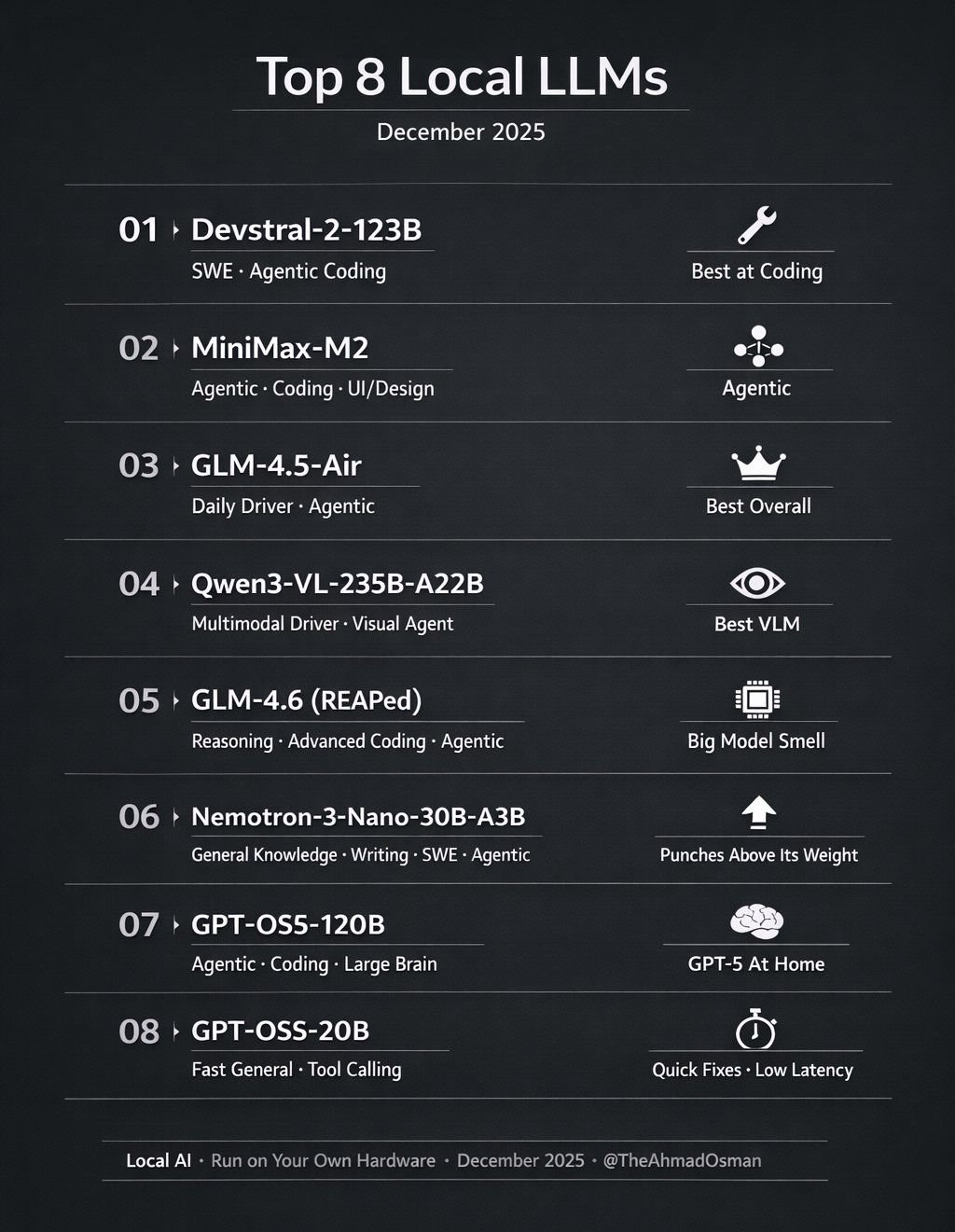
Nice list I think it’s about time-especially with all the expected openweights-to update my list of recommendations