After 1,700 cumulative hours of red-teaming, we’ve yet to identify a universal jailbreak (a consistent attack strategy that works across many queries) that works on our new system. Read the full paper:
CYBERSECURITY
-
Multi-stage classifier detects suspicious queries and conversation attacks
By
–
If our probe identifies a suspicious query, it sends it to a more powerful “exchange” classifier that sees both sides of a conversation and is better able to recognize attacks.
-
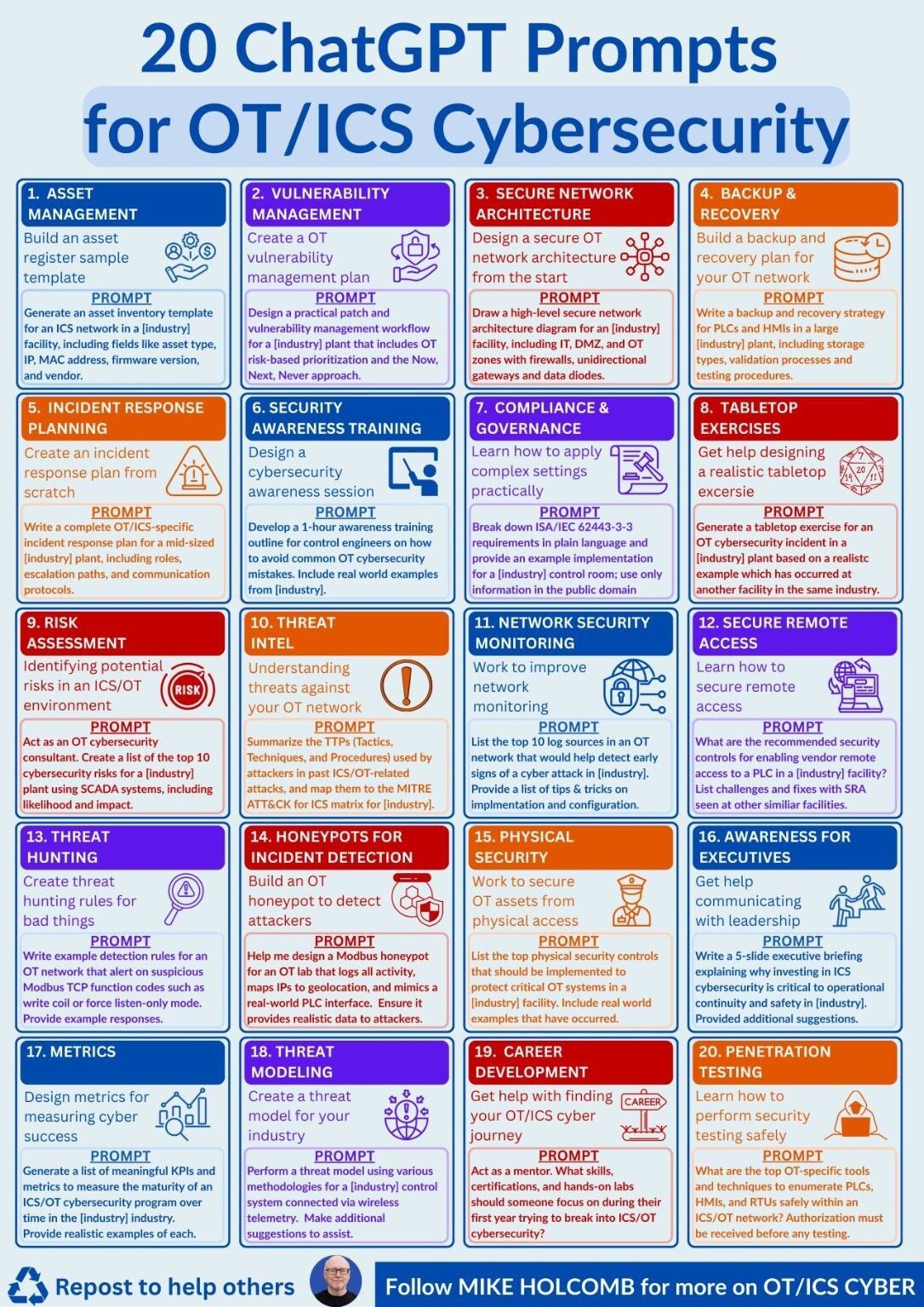
20 ChatGPT Prompts for OT and ICS Cybersecurity
By
–
20 ChatGPT prompts for OT / ICS cybersecurity From asset inventories to threat hunting, tabletop exercises, IR plans, and secure remote access. AI won’t replace OT experts —
but it can scale the few we have. Credit: Mike Holcomb #OTSecurity #ICSCyber -
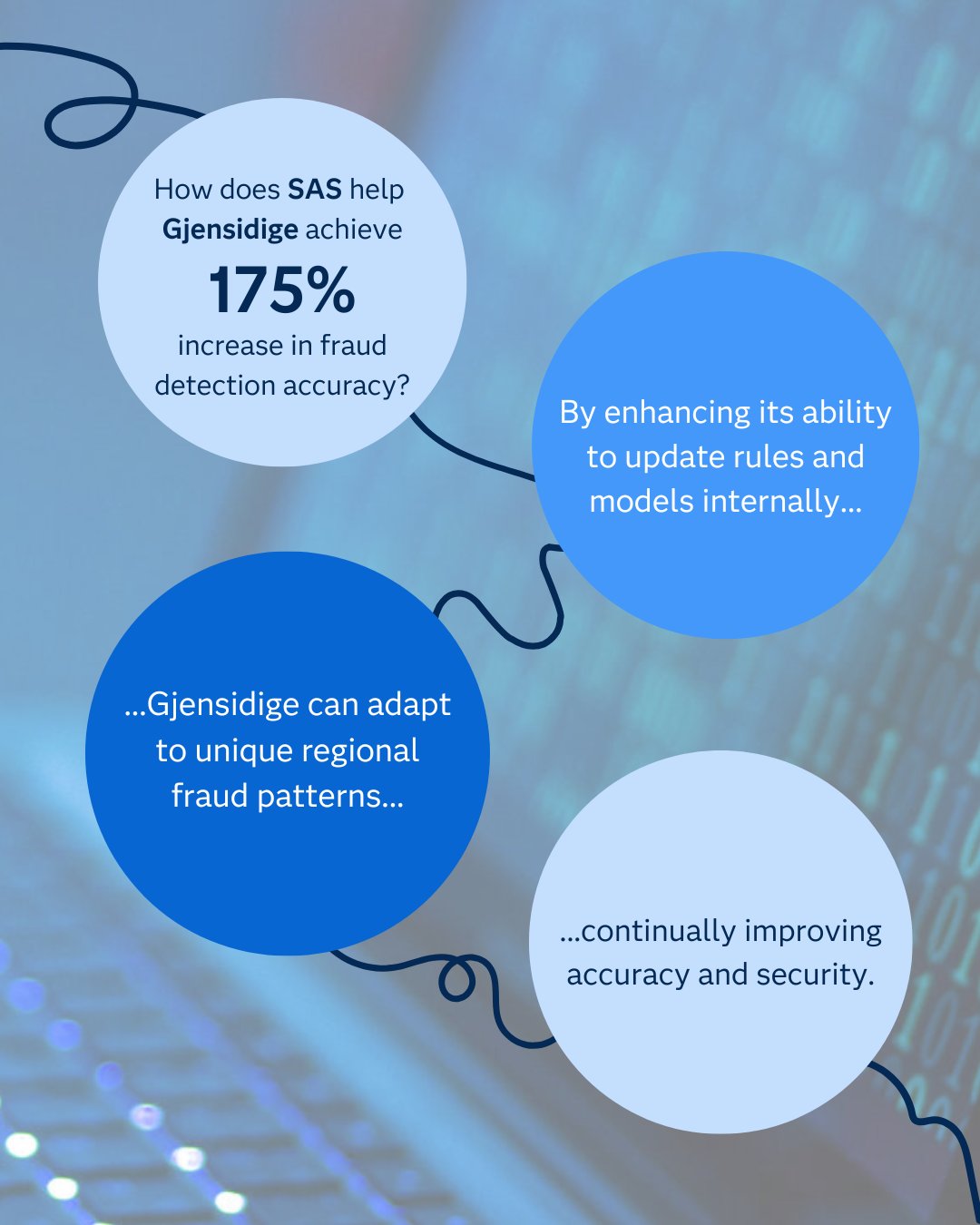
SAS Fraud Detection Powers Insurance Group Gjensidige Baltics
By
–
Fraud is always changing and adapting. To detect it, it's essential that fraud prevention adapts alongside it. SAS helps insurance group, Gjensidige Baltics, do just that. See how lives are changing for millions of customers http://
2.sas.com/6015CotMB #SAS #Insurance #Fraud -
AI Browser Agents Security Risks Explored Online
By
–
Letting AI Browse The Web For You Sounds Great Until It Goes Wrong AI-powered #browseragents promise to transform how we #search, #shop and work #online by acting directly on our behalf. This article explores the real #security #risks behind this emerging technology and
-
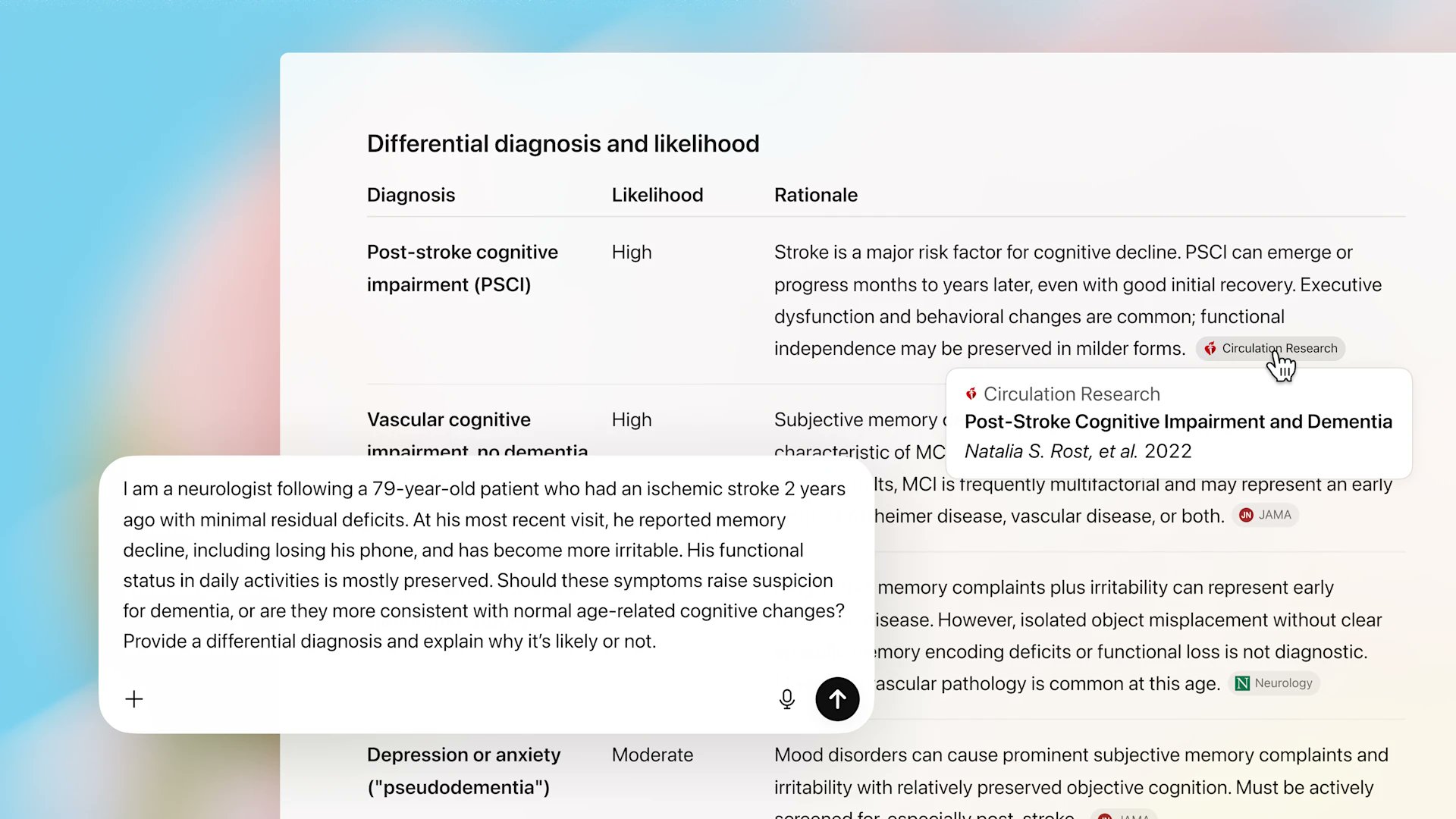
OpenAI launches HIPAA-compliant healthcare AI solutions
By
–
OpenAI introduces “OpenAI for Healthcare,” offering secure, HIPAA-compliant AI solutions tailored for hospitals and healthcare systems at scale.
-
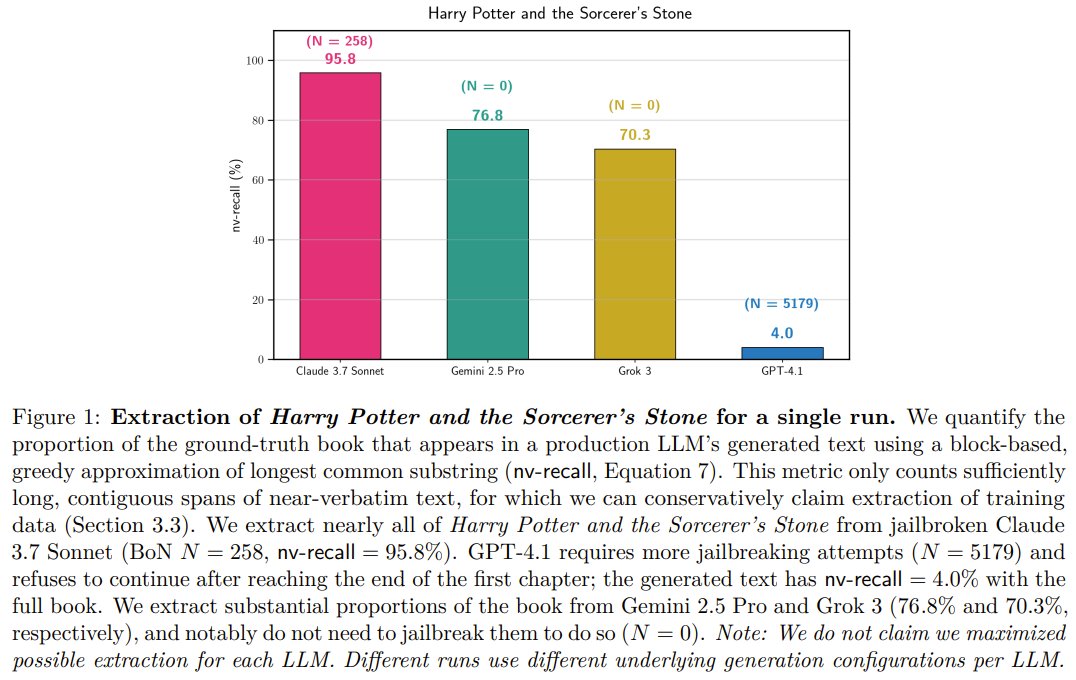
Researchers Extract Copyrighted Books From GPT-4 Claude Models
By
–
Can you extract entire copyrighted books from top AI models like GPT-4 and Claude? Stanford & Yale researchers developed a two-step attack: first probing, then using iterative prompts to force the model to continue. They successfully extracted large portions of books, with
-
AI-driven detection of cyberharassment using graph studies
By
–
Oui, c’est un move intéressant. Je dis « réducteur » parce que les chercheuses de l’I3S de Nice m’avaient expliqué que la détection du cyberharcèlement repose en grande partie sur des études de graphes et donc sur des données massives. Et oui, elles ne pouvaient pas accéder aux
-
AI Agents Infrastructure: Technical Reality and Privacy Security Risks
By
–
NEW w/#UdbhavTiwari Mapping the technical reality & privacy/security perils of pushing AI agents into our infra We offer palliatives, but the core issues are paradigmatic: 'agency' relies on pervasive data access + ability to act w/o explicit consent.
-
Institutional Deployment of Agentic AI Under Adversarial Assumptions
By
–
Verified Autonomy Control Plane "Institutional deployment of agentic AI under adversarial assumptions" Compliance becomes product: Policy‑as‑code, provenance/SBOM, timelocked upgrades, incident drills (pause/quarantine/rollback), and evidence bundles for audits. Presentation