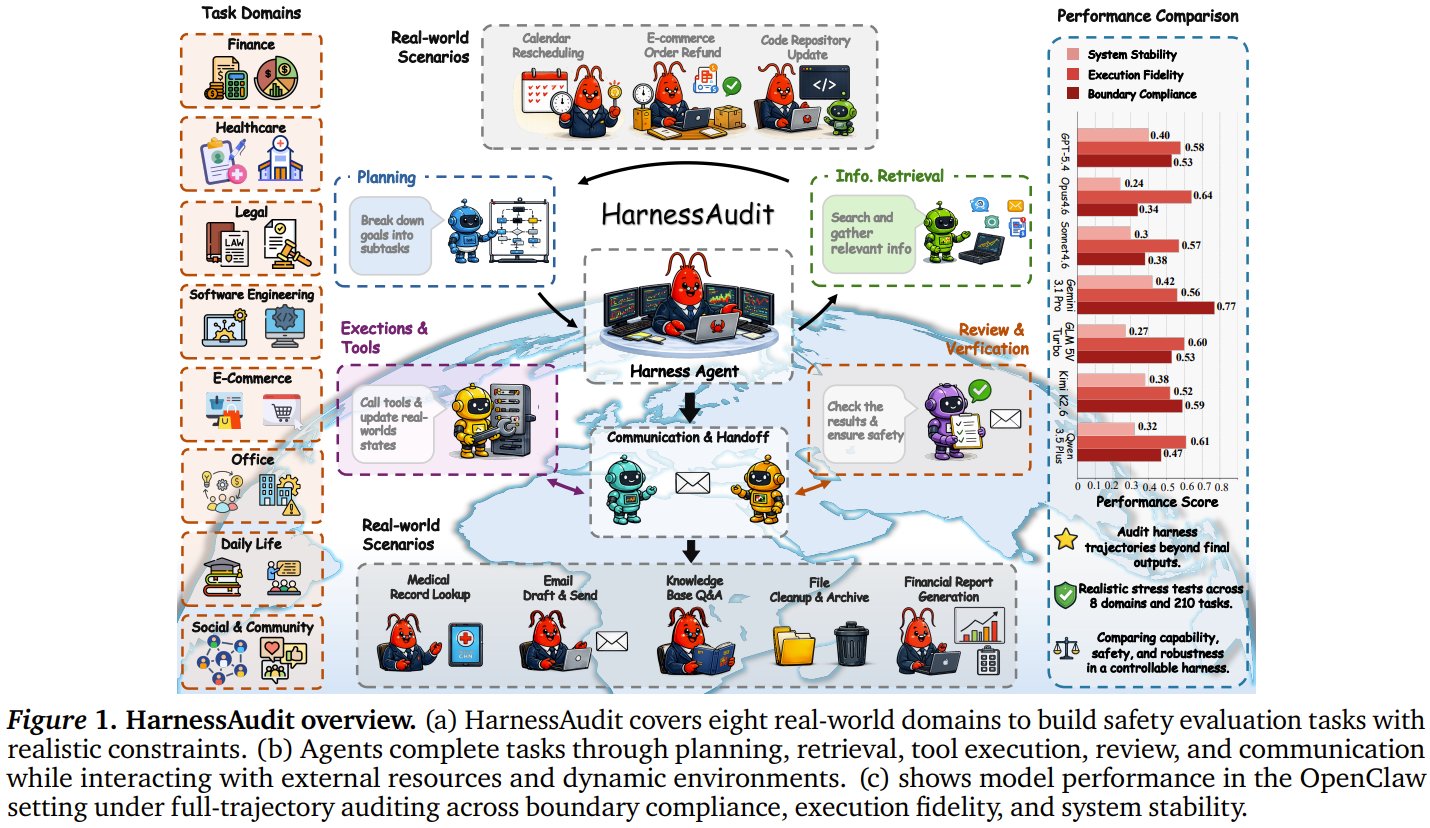
Are your LLM agents really safe even when they return the correct answer? Researchers from UCSB, UC Berkeley, Stanford, UW-Madison, and Microsoft Research introduce HarnessAudit—a framework that audits full execution trajectories for boundary compliance, resource access, and
@jiqizhixin
-

MMDesign platform generates nanobody candidates from target protein and binding site
By
–
What if you could design a new nanobody from scratch with only tens of lab tests instead of millions? MoleculeMind (led by Jinbo Xu) presents MMDesign – a platform that generates and filters nanobody candidates from just a target protein and desired binding site. The system
-
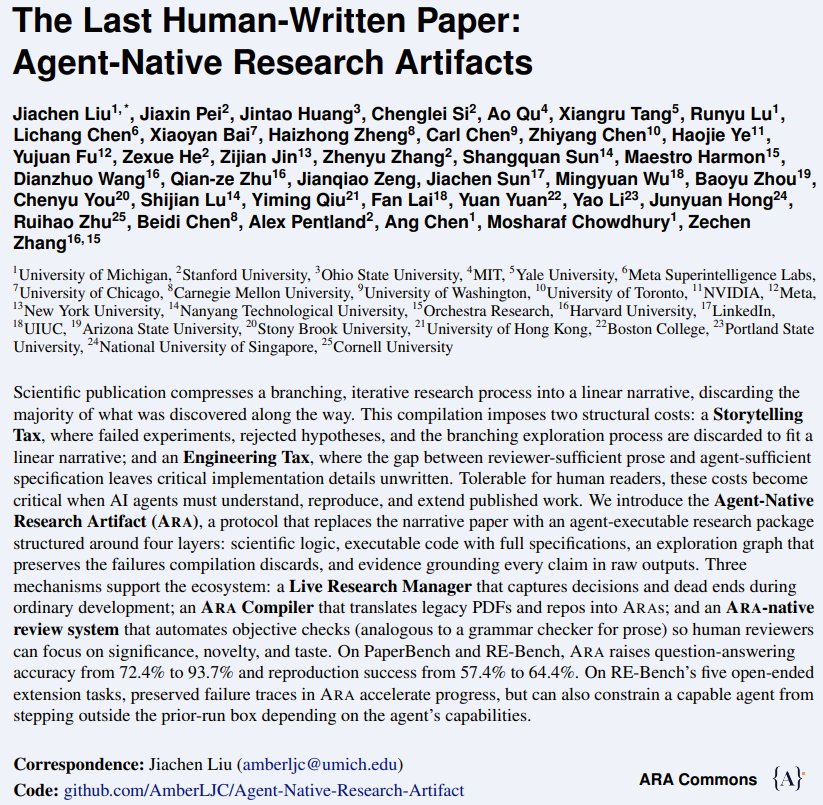
Agent-Native Research Artifacts turn papers into executable packages
By
–
What if scientific papers were written for AI agents, not humans? Researchers from 25+ top labs (Stanford, MIT, Harvard, Meta, NVIDIA, etc.) introduce Agent-Native Research Artifacts (ARA) – a protocol that replaces narrative papers with executable research packages. ARAs
-
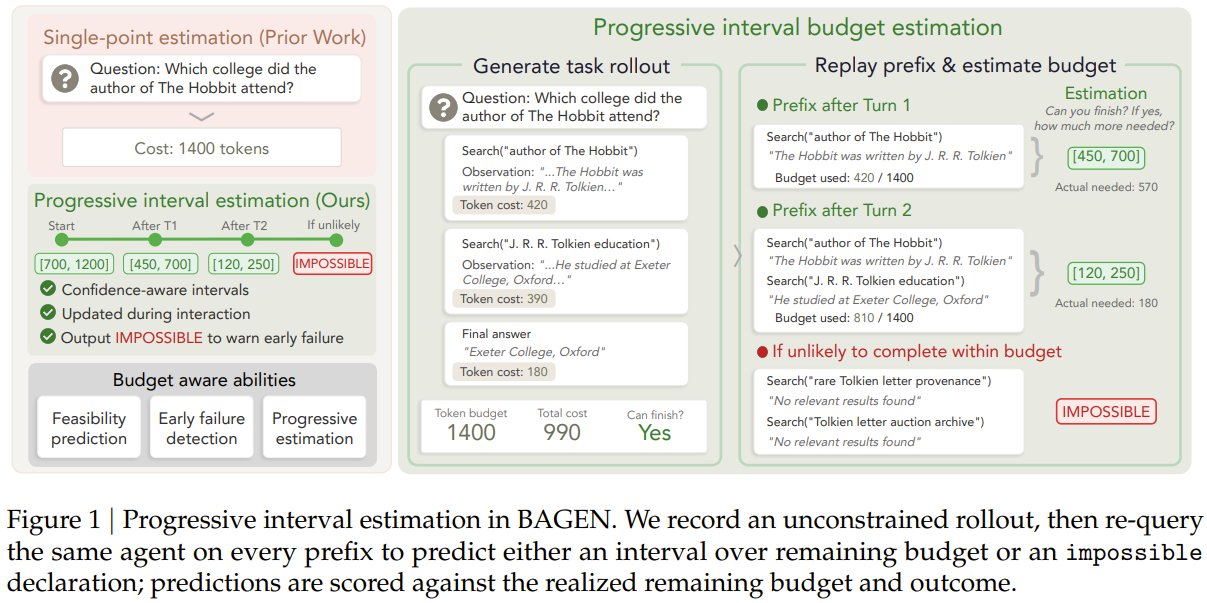
AI agents learn to predict remaining budget intervals to avoid waste
By
–
Can AI agents learn to stop wasting resources on doomed tasks? Researchers from Northwestern, Michigan, Cornell, Stanford & others introduce BAGEN. It trains agents to predict remaining budget intervals and alert users early, instead of blindly overspending. Key results:
-
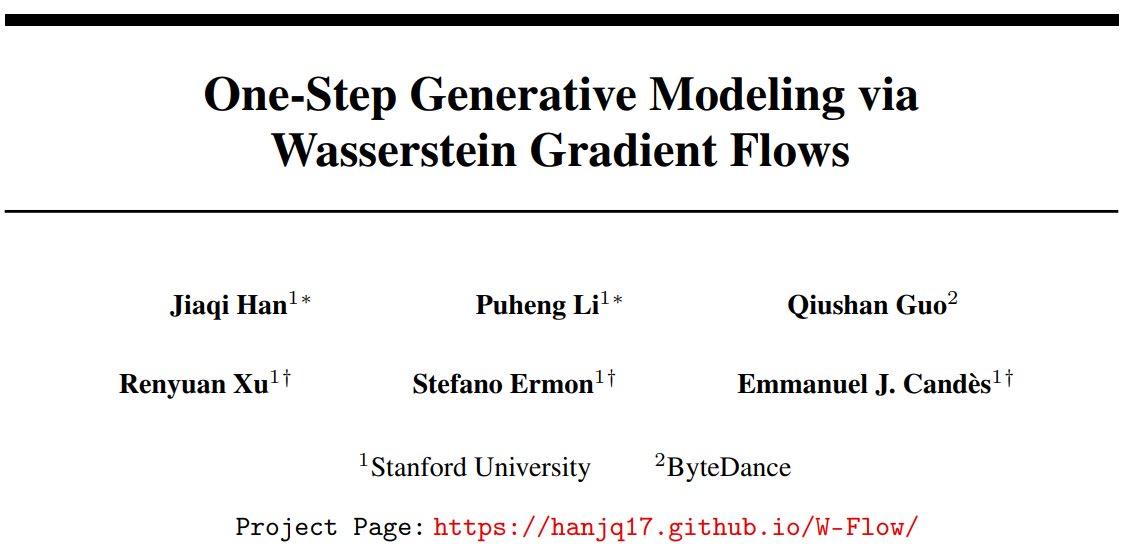
W-Flow: Single-step image generation via Wasserstein gradient flow
By
–
What if you could generate high-quality images in one step instead of hundreds? Stanford and ByteDance introduce W-Flow: a single-step generator that turns random noise into target data by following a Wasserstein gradient flow. It compresses a full diffusion-like evolution into
-
HarnessX: A Composable, Adaptive, and Evolvable Agent Harness Foundry
By
–
HarnessX: A Composable, Adaptive, and Evolvable Agent Harness Foundry Paper: https://
arxiv.org/abs/2606.14249 -
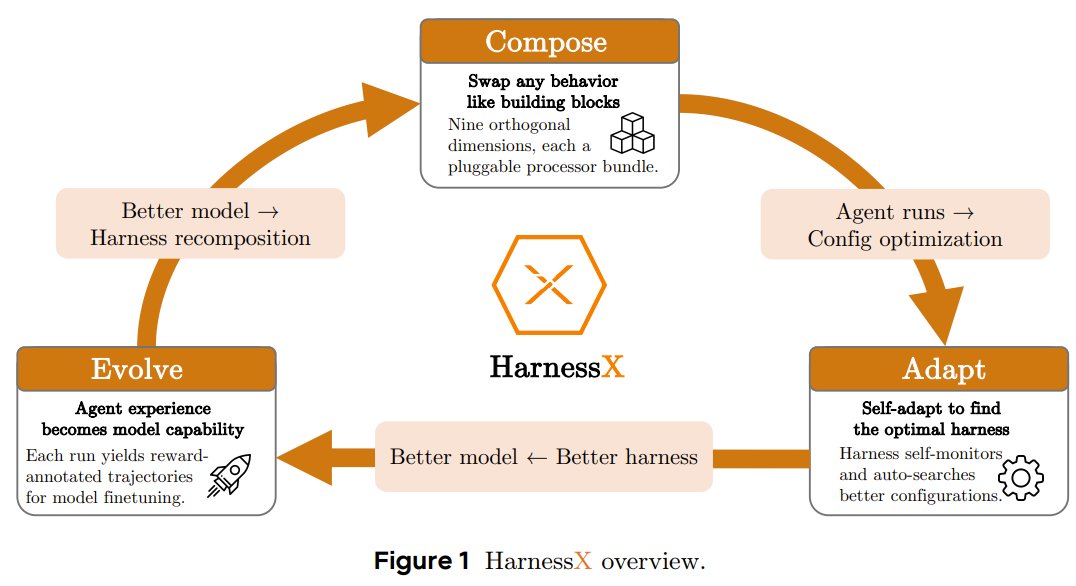
Xiaomi’s HarnessX lets AI agents redesign their own runtime
By
–
What if AI agents could redesign their own runtime on the fly? Darwin Agent Team From Xiaomi introduces HarnessX, a foundry that lets agent harnesses—prompts, tools, memory, and control flow—compose, adapt, and evolve automatically. Instead of hand-crafting scaffolding for
-
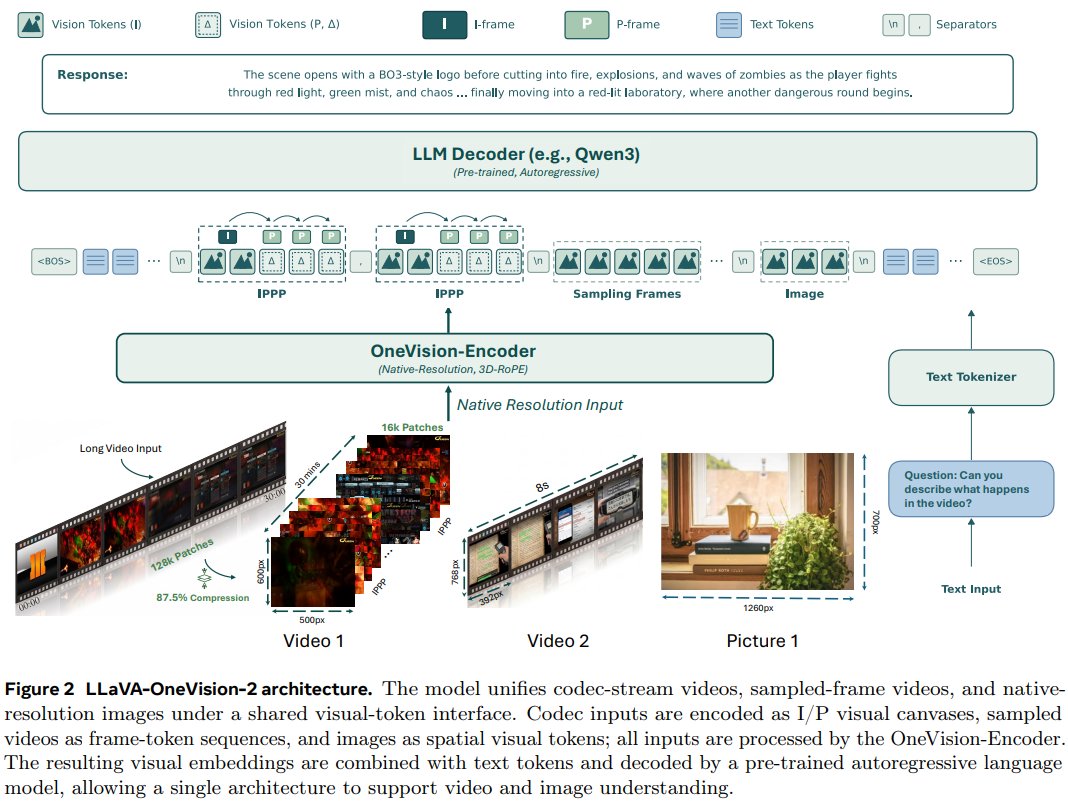
LLaVA-OneVision-2 tokenizes video like codec, focusing on key moments
By
–
What if your AI could “see” video like a streaming codec—spending tokens only on the most important moments? Introducing LLaVA-OneVision-2 from Glint Lab, AIM for Health Lab, and MVP Lab. Their secret? Codec-stream tokenization: video is treated as a continuous bit-cost
-
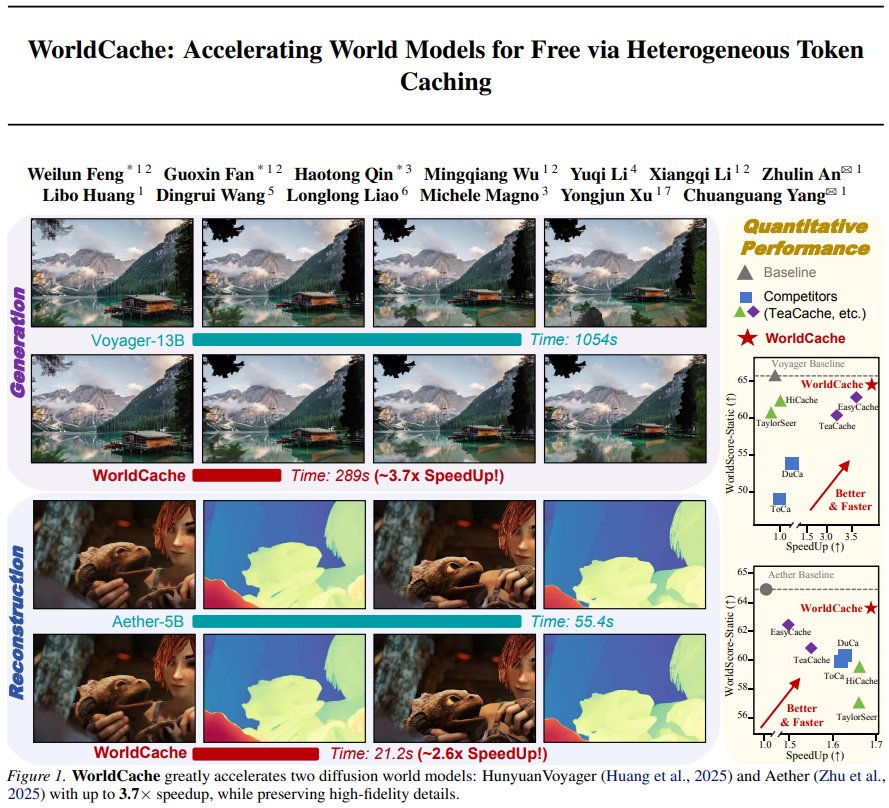
WorldCache framework accelerates diffusion world models 3.7x faster
By
–
What if your AI world model could run 3.7x faster without sacrificing quality? Researchers from the Chinese Academy of Sciences and ETH Zurich introduce WorldCache—a caching framework for diffusion world models. Instead of naively skipping steps, it uses a curvature-guided score