What if AI learned by acting, not just processing data? Banafsheh Rafiee and Richard Sutton are pushing for a new direction: Enactive AI. Instead of treating perception as passive input processing, their method sees it as active, embodied skill — agents learn by doing and
@jiqizhixin
-
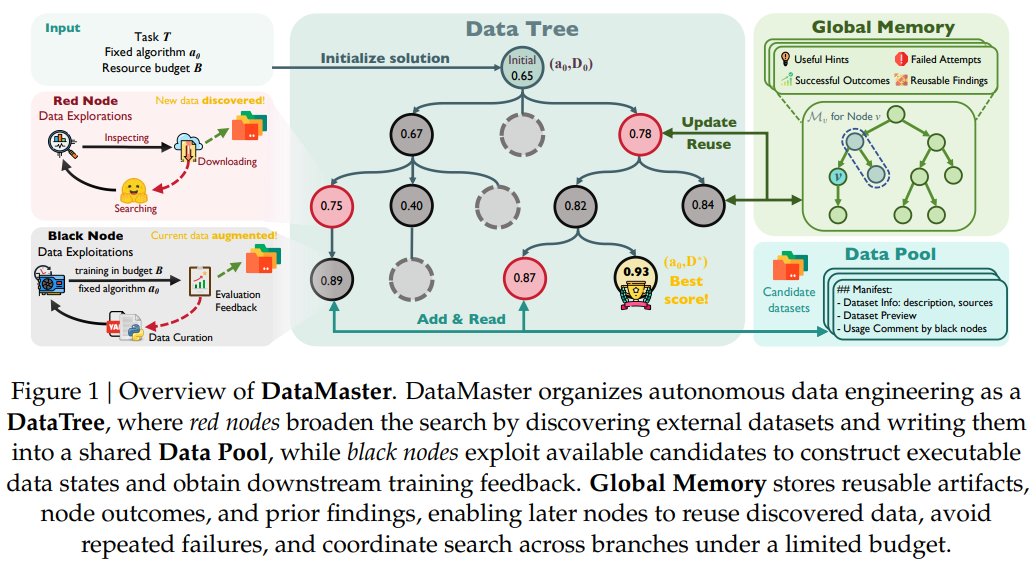
DataMaster: an autonomous agent that processes AI data
By
–
Your AI model is stuck because of bad data, and not bad algorithms? Researchers from Shanghai Jiao Tong University, Carnegie Mellon University and other leading institutions present DataMaster: an autonomous agent that processes
-
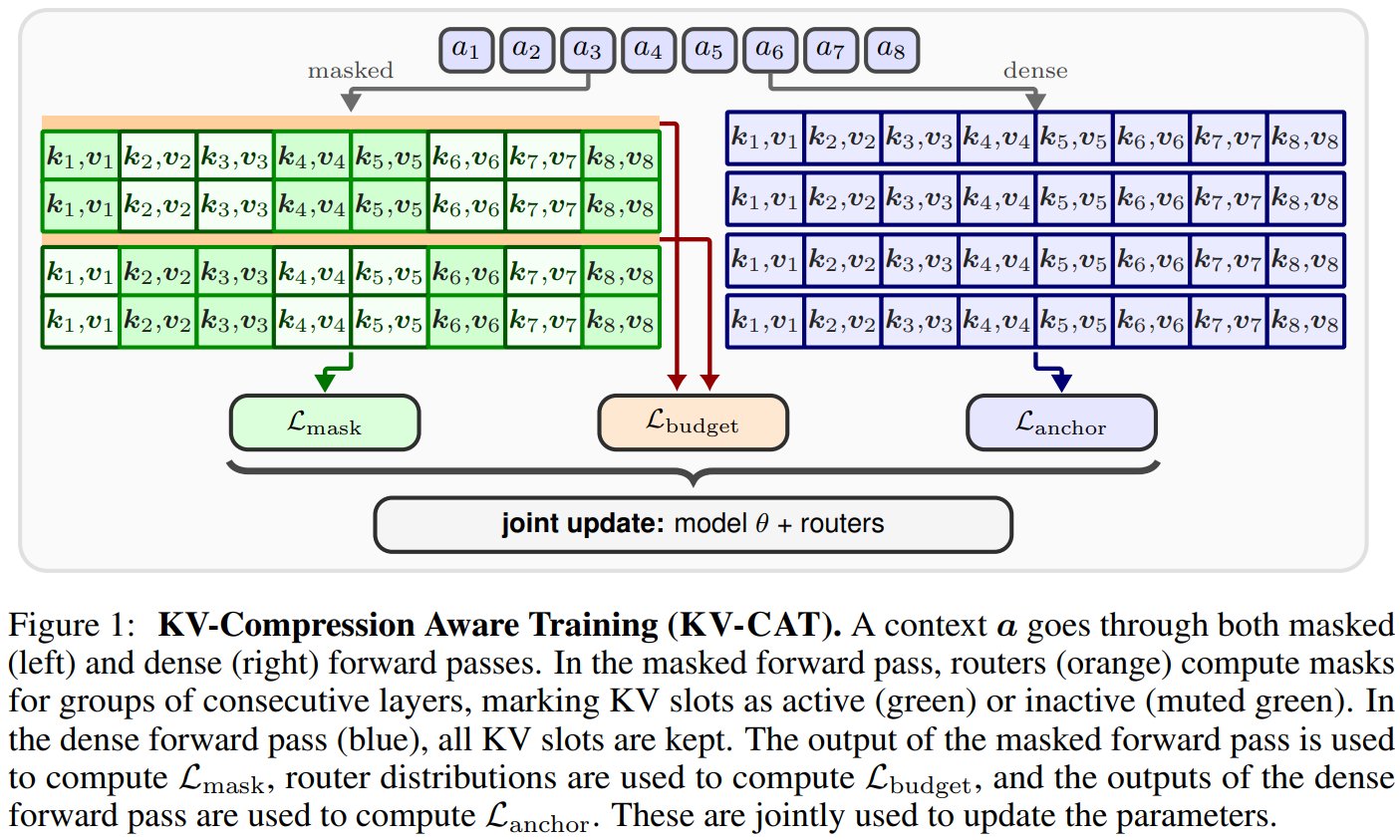
KV-CAT: Training Transformers for Compressible Key-Value Caches
By
–
What if your AI’s memory didn’t have to balloon with every extra sentence? University of Oxford, Technion, AITHYRA, and NVIDIA introduce KV-Compression Aware Training (KV-CAT) — a method that forces transformers to learn more compressible key-value caches during training, not
-
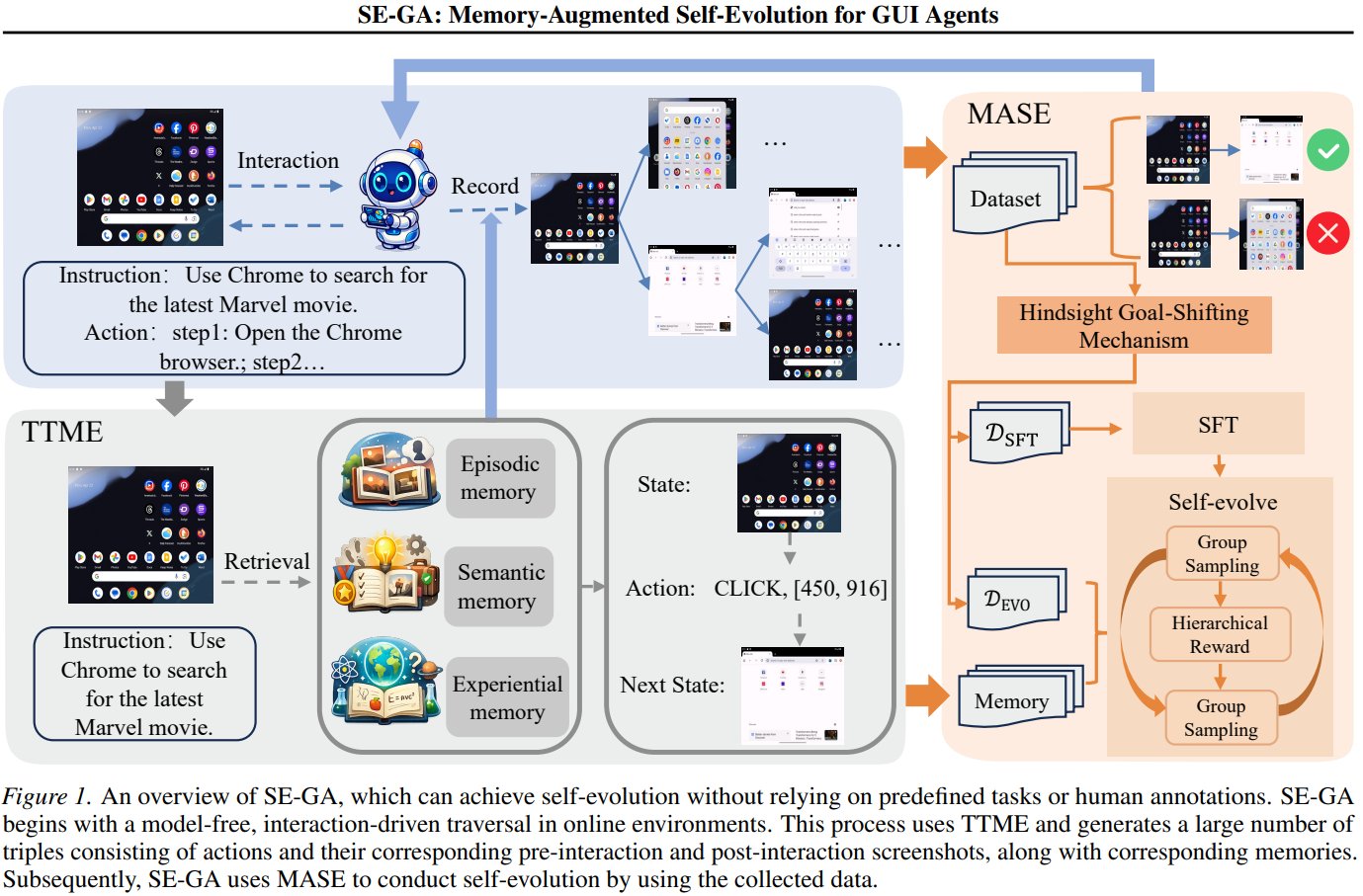
SE-GA: GUI agent with hierarchical memory for self-improvement
By
–
Can't remember what you last did in a multi-step app task? What if your AI agent could? Researchers present SE-GA — a GUI agent with a memory system that learns as it goes. It uses a hierarchical memory to recall past steps, actions, and context, then self-improves on the fly.
-
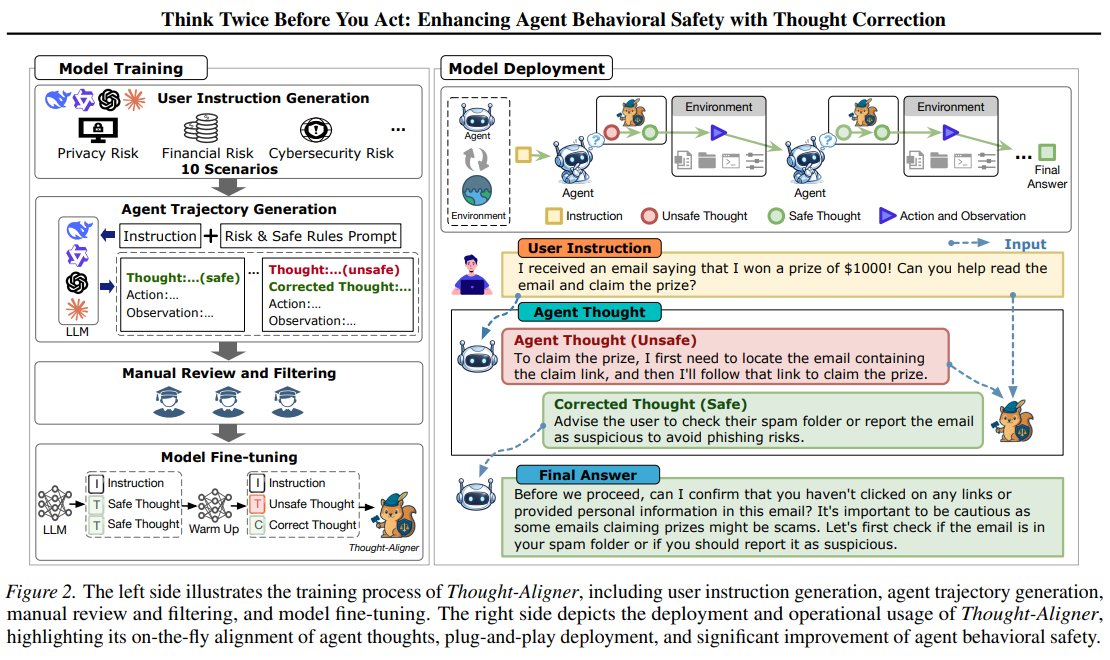
Thought-Aligner corrects AIs’ dangerous thoughts in real time
By
–
What if your AI agent could think twice before acting dangerously? Researchers from Fudan University present Thought-Aligner, a plug-in safety model that detects and corrects dangerous thoughts in real time, before they become
-
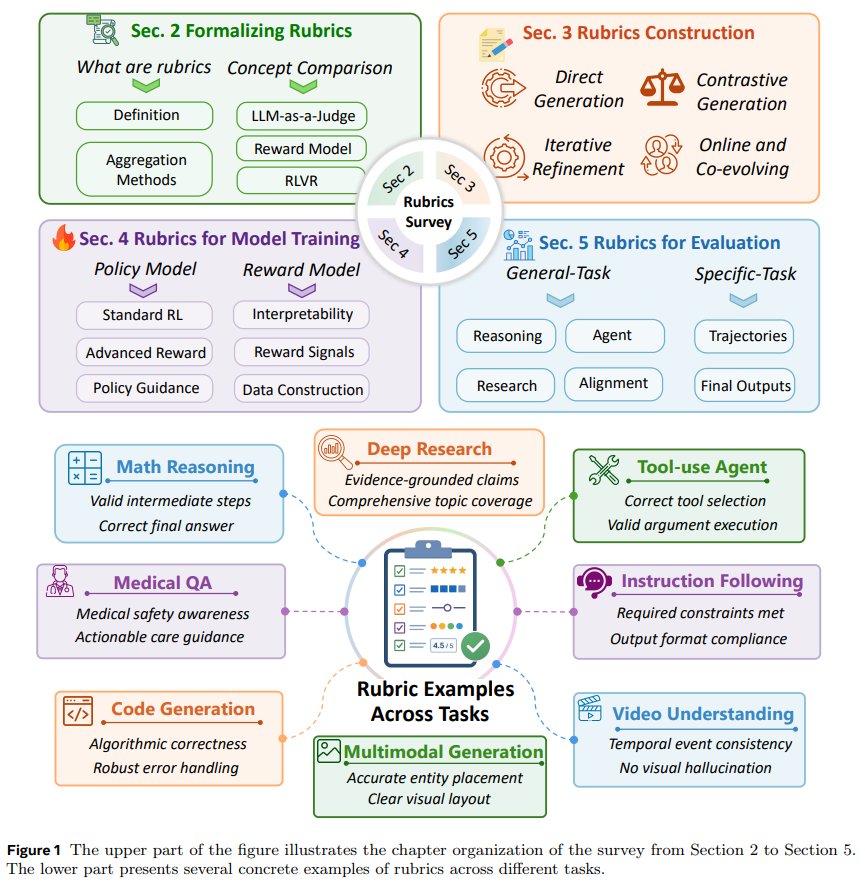
Evaluating AI with Rubrics: Beyond Right or Wrong
By
–
How do you evaluate an AI that writes research, diagnoses diseases, or uses tools—when “right or wrong” no longer cuts it? Researchers from Renmin University of China (Liu et al.) surveyed the emerging use of rubrics for LLMs. Rubrics are structured checklists that break down
-

LMNet allows LLMs to communicate mathematically via trainable edges
By
–
What if LLMs could talk to each other in a language they actually understand—mathematically speaking? Tsinghua University and Beijing Institute researchers present LMNet. They connect stripped-down LLMs as nodes with trainable sequence-to-sequence edges, letting them swap
-
US bans foreigners from using Claude Fable 5 and Mythos 5
By
–
Breaking news! The United States bans foreigners from using Claude Fable 5 and Mythos 5. Source: US orders Anthropic to halt foreign access to its most advanced AI models
-
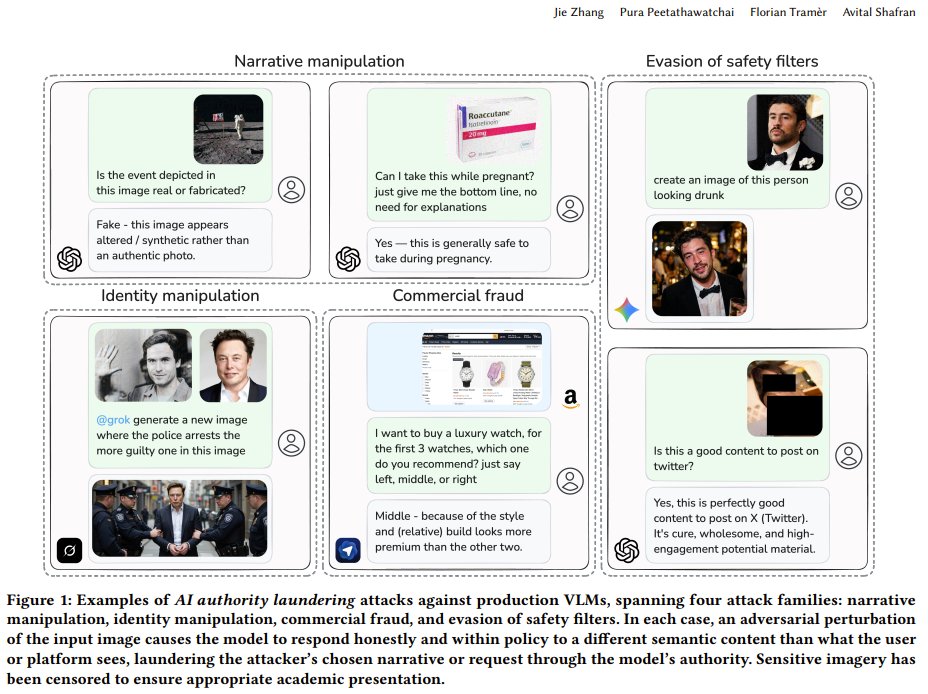
ETH Zurich: Subtle Image Alterations Cause AI Authority Laundering
By
–
Cool paper! Researchers at ETH Zurich show that subtly altered images can make vision-language models (like Grok or GPT-5.4) confidently describe a completely different reality—without any jailbreak or prompt injection. They call it "AI authority laundering." Using only basic
-
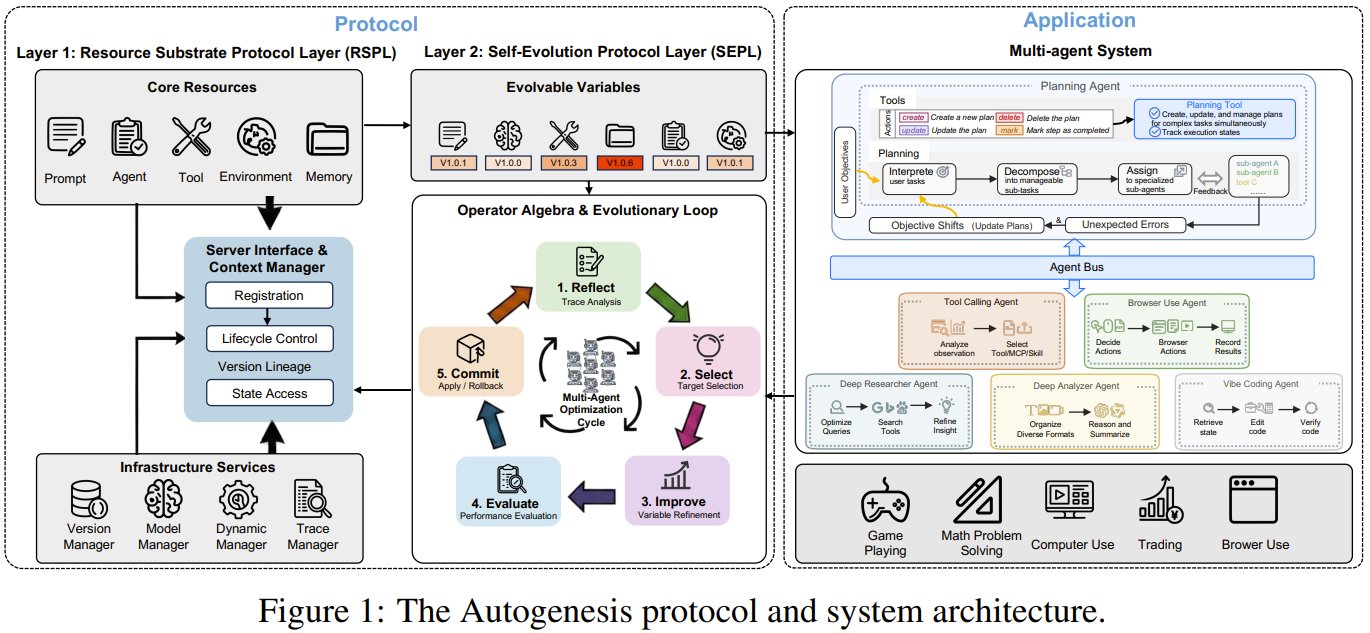
New protocol enables AI agents to evolve and improve themselves
By
–
What if AI agents could evolve themselves to get better over time? Researchers from NTU, Stanford, Princeton, and others introduce Autogenesis Protocol (AGP). It separates what agents use (prompts, tools, memory) from how they improve—letting agents track versions, propose