You can start exploring right now: https://
seaart.ai
@jiqizhixin
-
Explore generative AI capabilities on SeaArt.ai
By
–
-
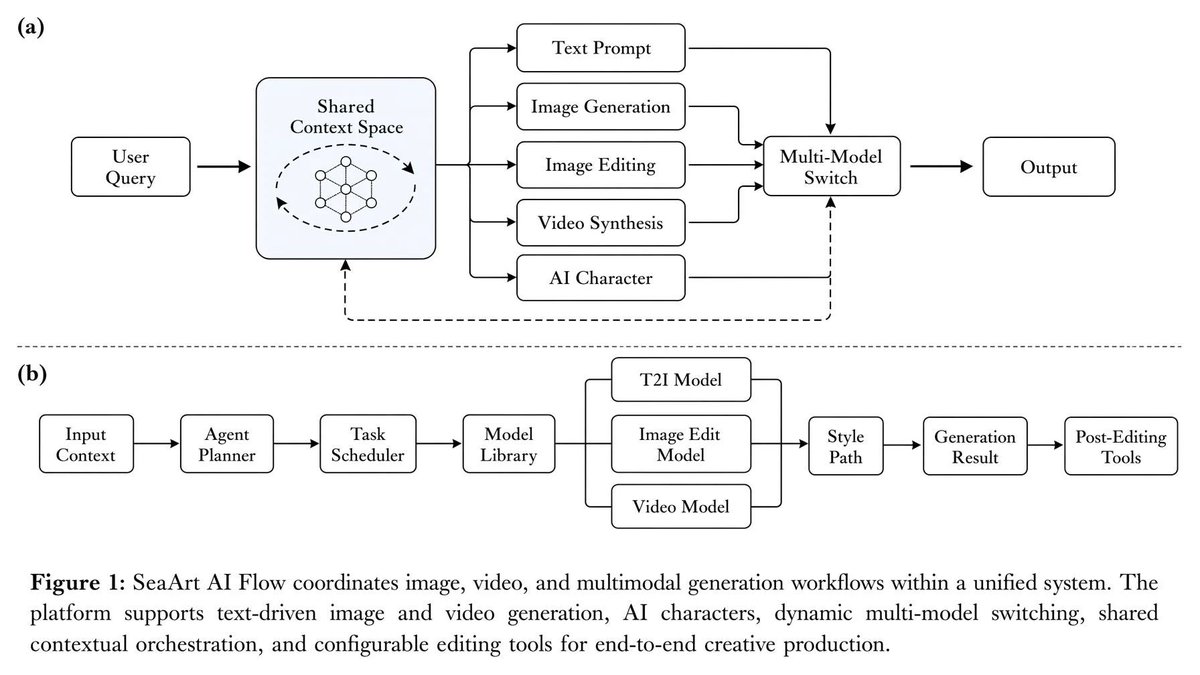
SeaArt AI platform features for multimodal content generation
By
–
Images, video, and multimodal generation workflows can be coordinated within a unified system now! SeaArt AI supports text-driven image and video generation, AI characters, and dynamic multi-model switching, together with configurable generation and editing tools that span
-
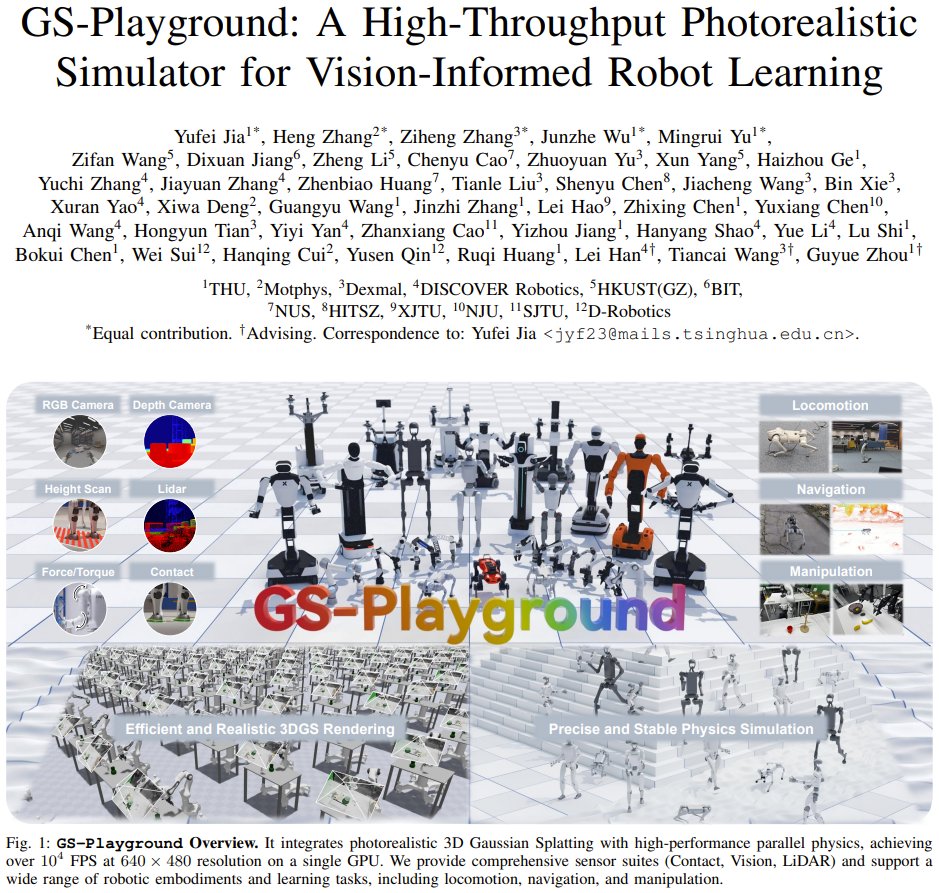
GS-Playground: Advancing Robot Training with 3D Gaussian Splatting
By
–
What if robots could train on photorealistic scenes at over 100 frames per second? Researchers from THU, Motphys, Dexmal, and others introduce GS-Playground. It blends 3D Gaussian Splatting with a fast parallel physics engine for vision-rich simulation. Achieves 104 FPS at
-
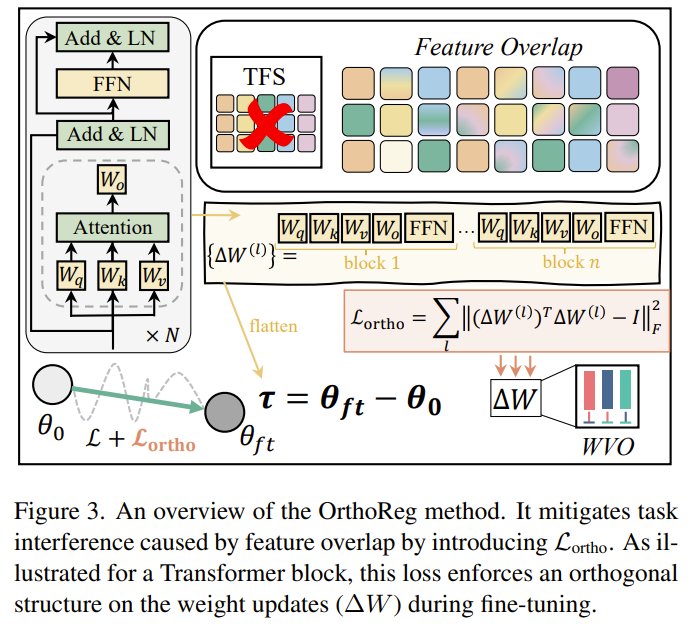
OrthoReg: A New Method for Weight Disentanglement in Fine-Tuning
By
–
What makes task arithmetic actually work? Researchers from Nanjing University, U. Wollongong, and NTU Singapore introduce OrthoReg: a simple method that enforces orthogonality in weight updates during fine-tuning. This promotes weight disentanglement and consistently boosts
-
Addressing Step Size Instability in Reinforcement Learning
By
–
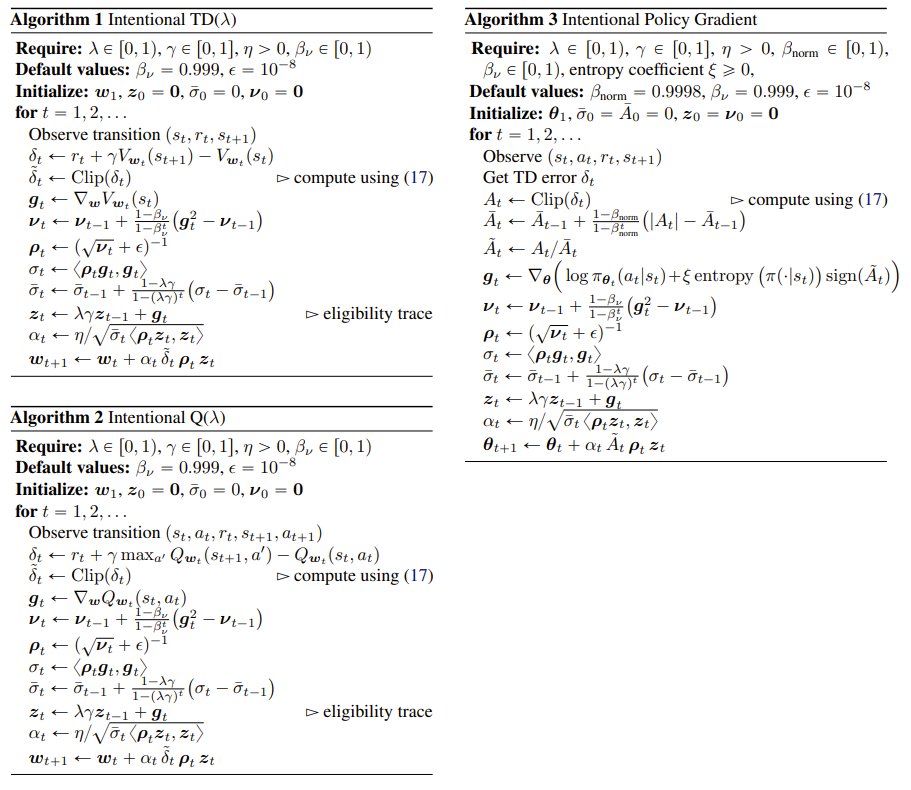
Why do standard step sizes cause instability when learning from every single experience? Arsalan Sharifnassab, @RichardSSutton , and their team from Openmind Research Institute and University of Alberta present intentional updates: instead of picking a step size and hoping for
-
Hölder Policy Optimisation paper and code
By
–
Hölder Policy Optimisation Paper: https://
arxiv.org/abs/2605.12058
Code: https://
github.com/YihangChen9/Ho
lderPO
… -
HölderPO: single-parameter fix to prevent AI training collapse
By
–
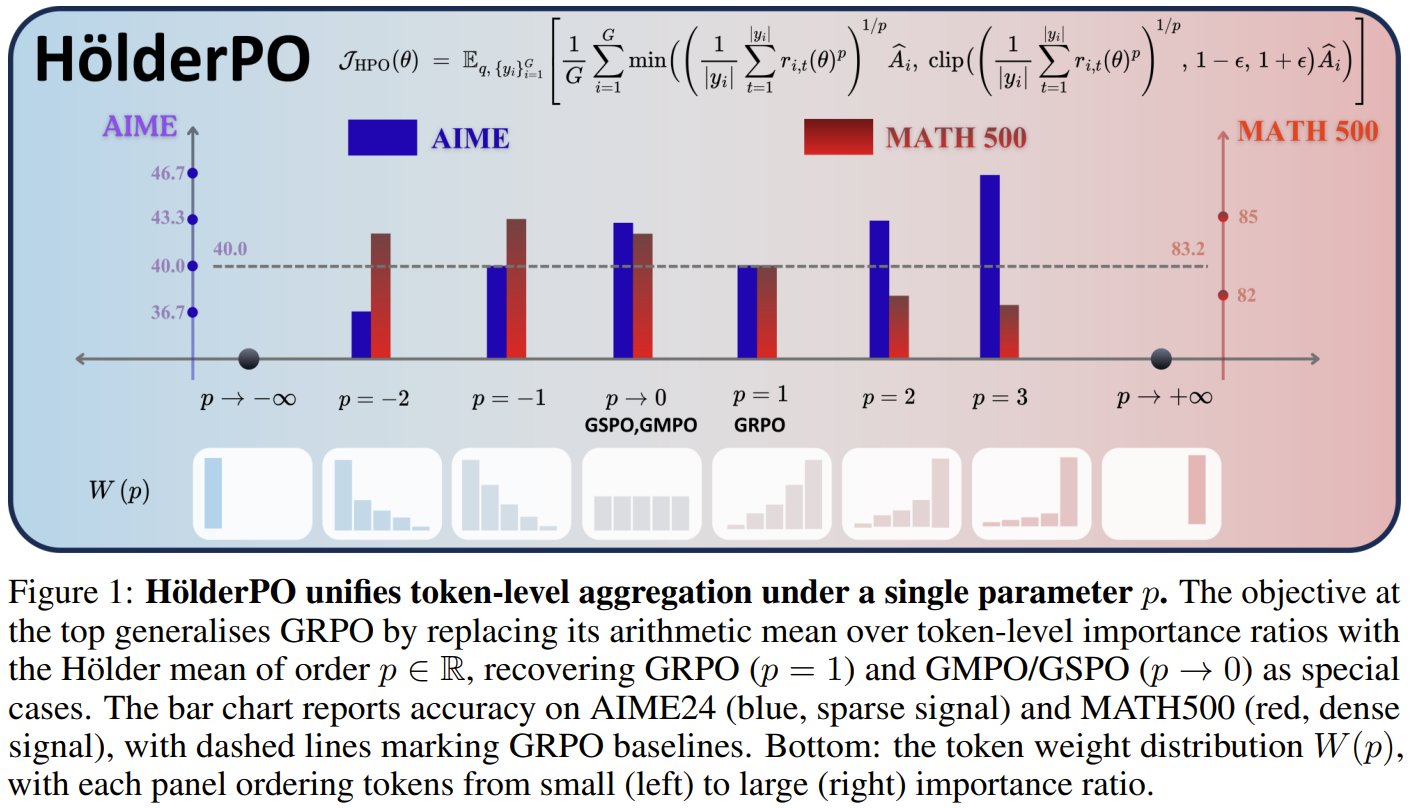
Wow, fixing one simple parameter could stop your AI training from collapsing! UCL, Shanghai Jiao Tong University, and HKUST (Guangzhou) present HölderPO. Instead of summing token probabilities in a fixed way, HölderPO uses a flexible averaging trick controlled by a single “p”
-
Peking University Researchers Unveil SEAlign for AI Code Agents
By
–
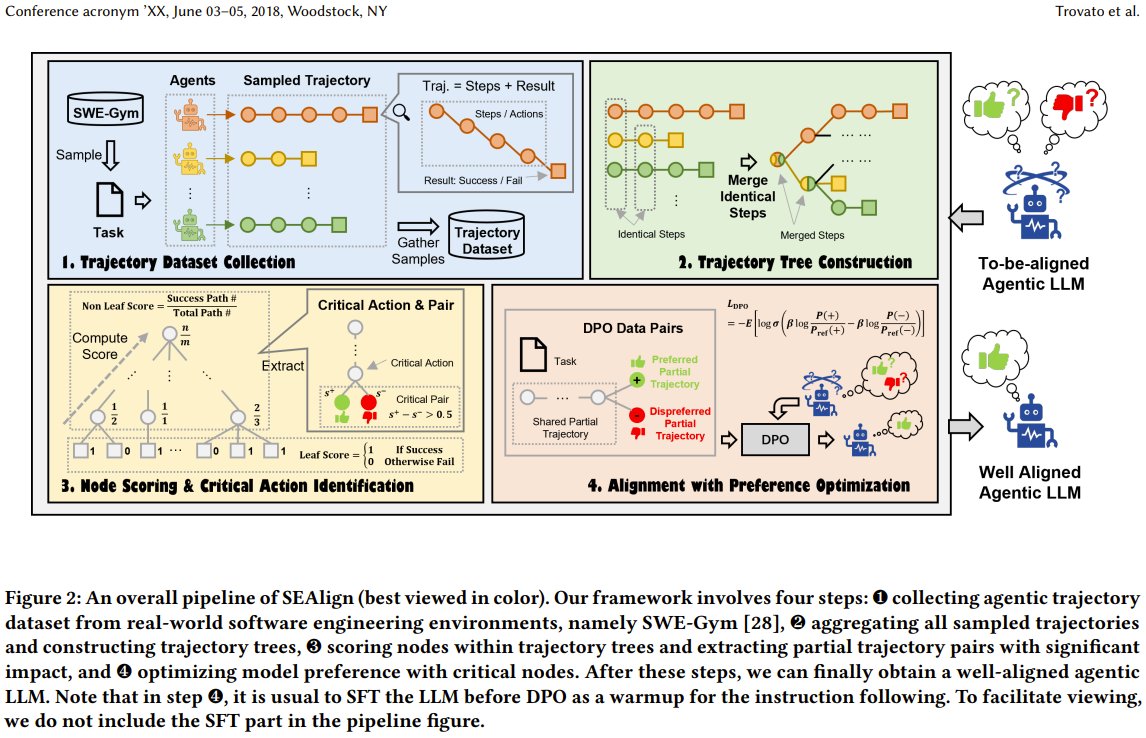
Why can't top code models handle real-world software engineering? Researchers from Peking University unveil SEAlign — a new alignment framework that trains code agents on actual software workflows. Instead of just solving coding puzzles, it uses Monte Carlo Tree Search to
-
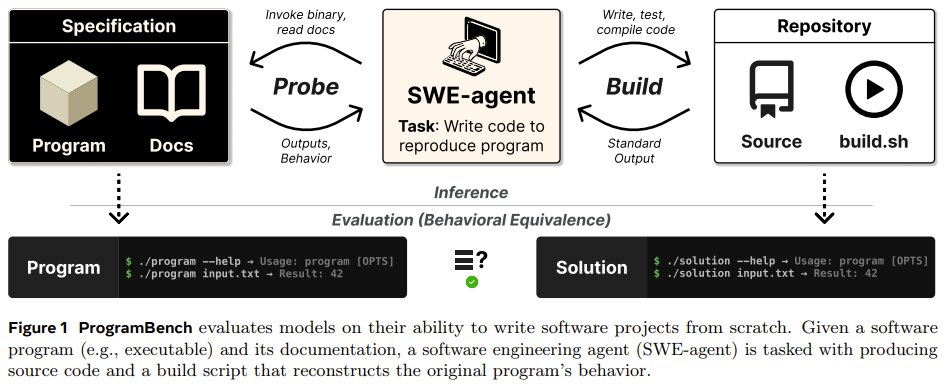
ProgramBench: A New Benchmark for Evaluating AI Agents in Software Development
By
–
Can AI build an entire software project from scratch, not just fix one bug? Researchers at Meta FAIR, Stanford, and Harvard introduce ProgramBench. This benchmark tests if language-model agents can take a program’s documentation and build a full codebase that behaves
-
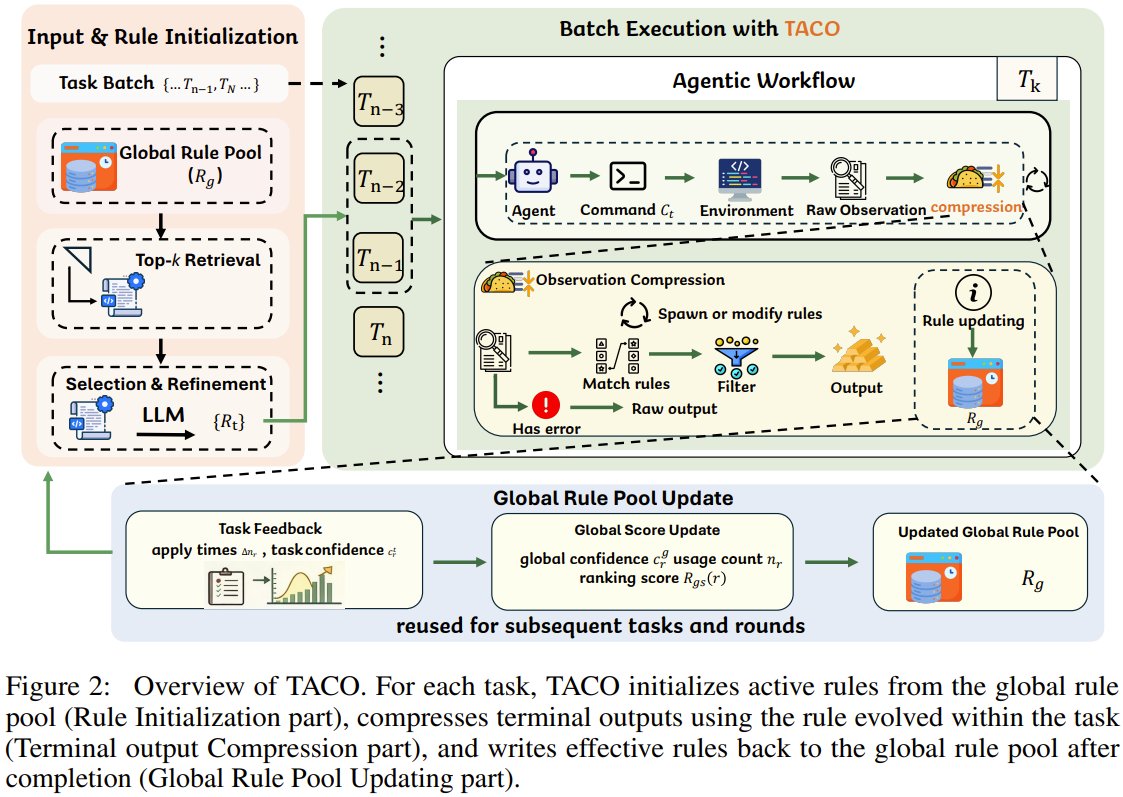
TACO: A New Training-Free Framework for Terminal AI Agents
By
–
What if your terminal agent could learn to ignore the noise and keep only what matters? Researchers from University of Manchester, HKUST, and Beihang University present TACO — a plug-and-play, training-free framework that automatically discovers and refines compression rules