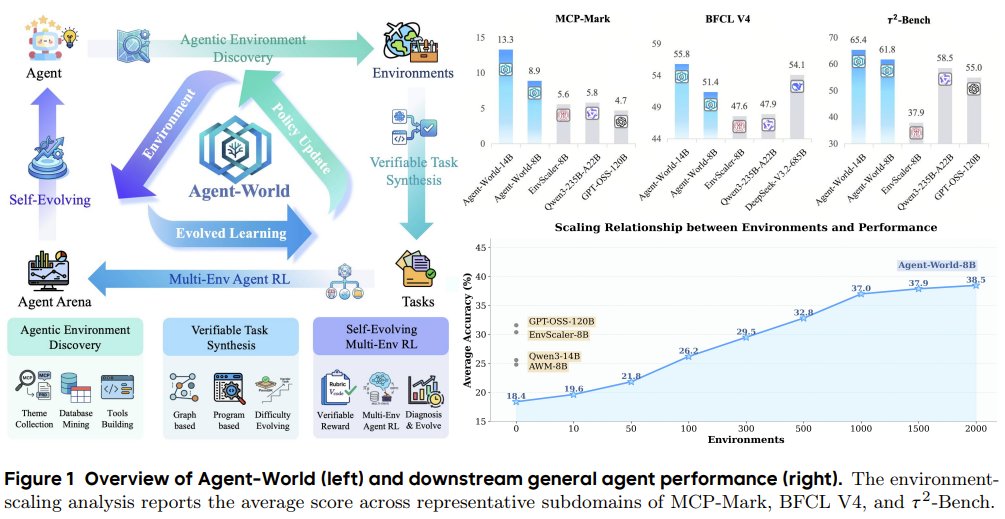
What if your AI agent could train itself by exploring thousands of real-world services and automatically finding its own weaknesses? Renmin University of China and ByteDance Seed introduce Agent-World, a self-evolving training arena. It works by having the agent discover new
@jiqizhixin
-
New Research Enables Open-Vocabulary 3D Occupancy for Home Robots
By
–
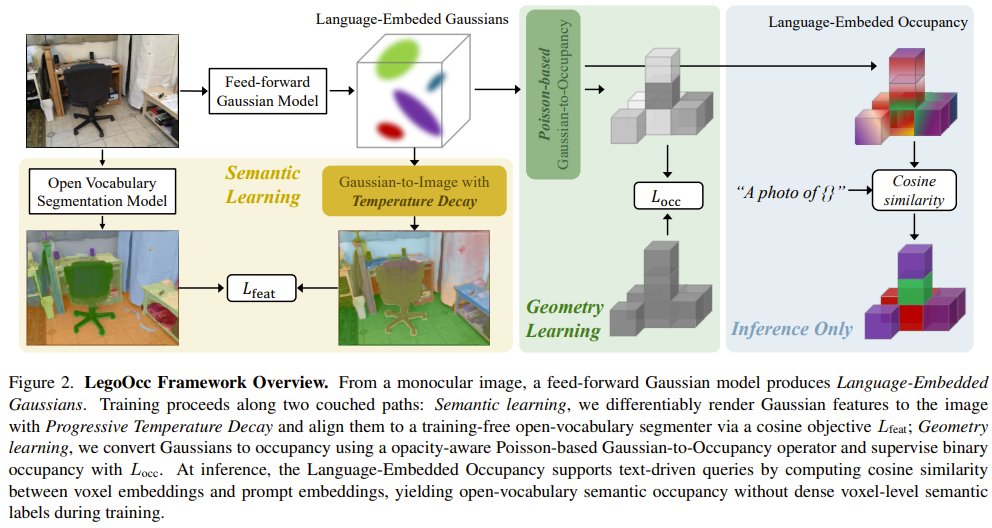
Why can’t your home robot identify a “plush toy” it’s never seen before? Researchers from HKUST Guangzhou & CUHK Shenzhen crack open-vocabulary 3D occupancy for indoor scenes. Their method uses only binary occupancy labels (occupied vs. free) to train language-embedded 3D
-
SignThought: A New AI Approach to Sign Language Translation
By
–
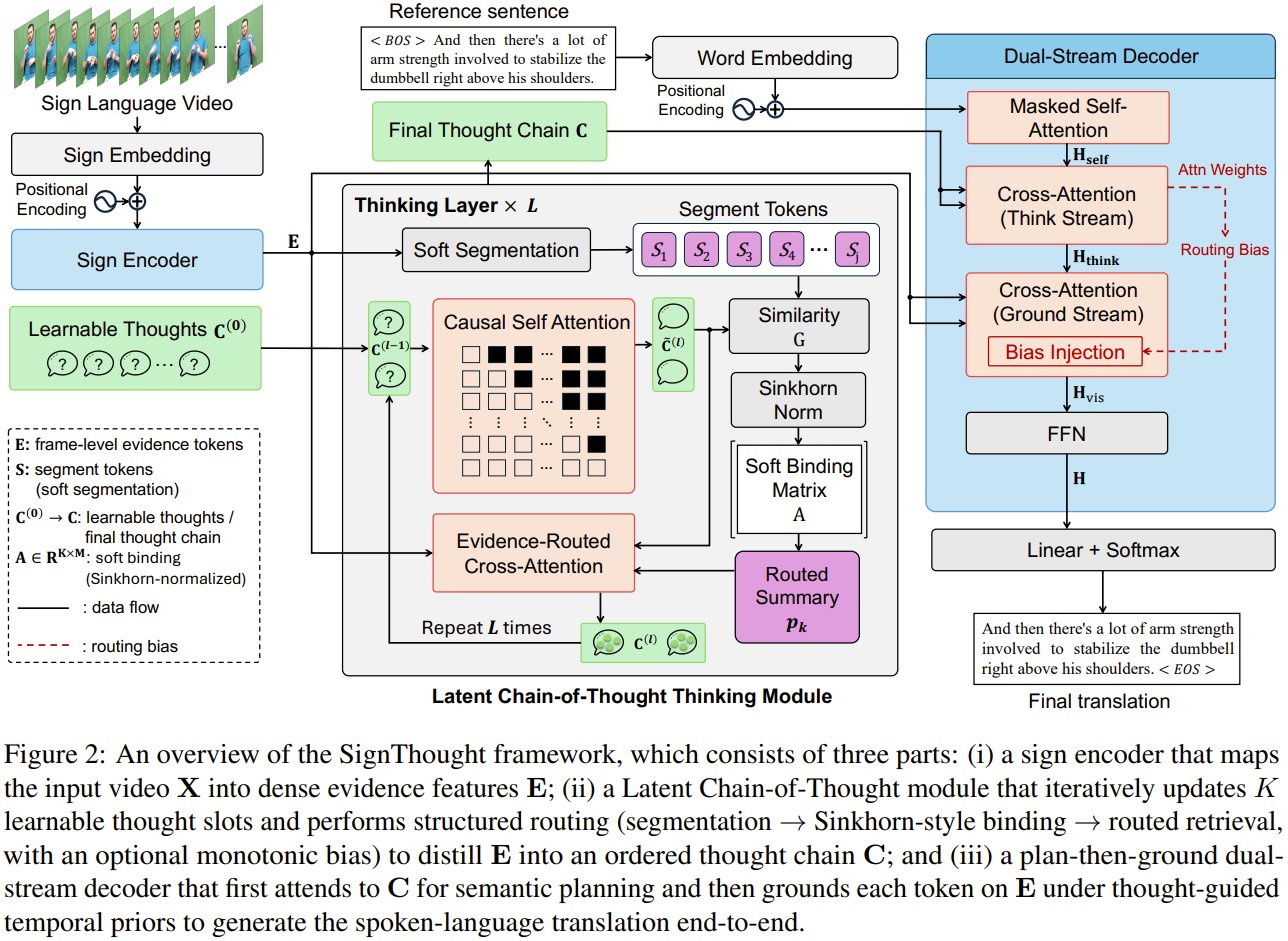
What if sign language translation didn’t just match signs to words, but actually thought through meaning first? Researchers from Hong Kong Polytechnic University and Sichuan University introduce SignThought. They replace the old word-by-word mapping with an explicit layer of
-
AI Agents and World Models: Research on Predictive Planning
By
–
Can AI agents see into the future before acting? A team from UIUC, THU, JHU, and Columbia tested exactly that. They gave agents generative world models—external simulators that could predict outcomes before taking action. The result? Most agents refuse to simulate (under 1%
-
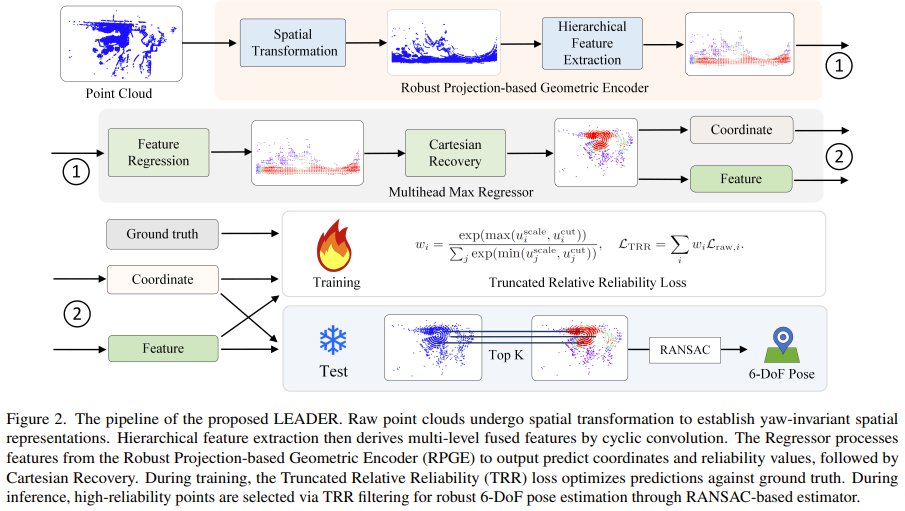
LEADER: A New LiDAR Relocalization Method for Autonomous Robots
By
–
Can your robot always know exactly where it is, even in noisy, complex environments? Researchers from Xiamen University and University of Bristol present LEADER — a new LiDAR relocalization method that doesn't treat all points equally. Instead, it uses a smart geometric
-
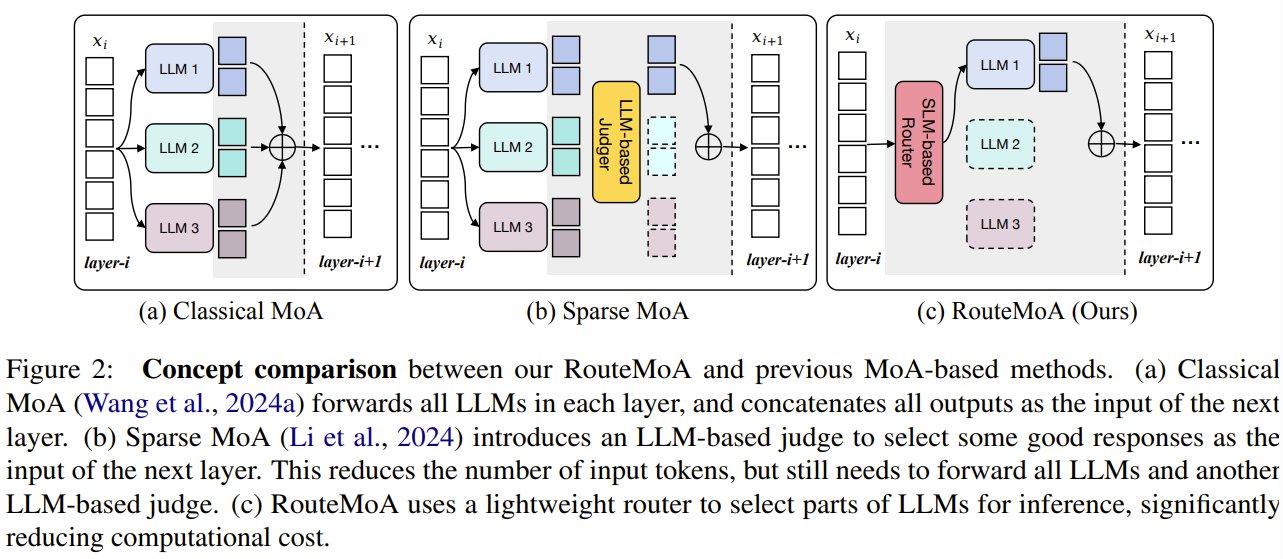
RouteMoA: Efficient AI Agent Collaboration via Intelligent Model Routing
By
–
What if you could boost AI agent collaboration while slashing costs by nearly 90%? Researchers from SJTU, CUHK, Tencent, and NTU present RouteMoA. Instead of running every model first, a lightweight scorer predicts each model’s potential from the query alone, then a mix of
-

Text-Conditional JEPA for Learning Semantically Rich Visual Representations
By
–
Text-Conditional JEPA for Learning Semantically Rich Visual Representations Paper: https://
arxiv.org/abs/2605.03245 -
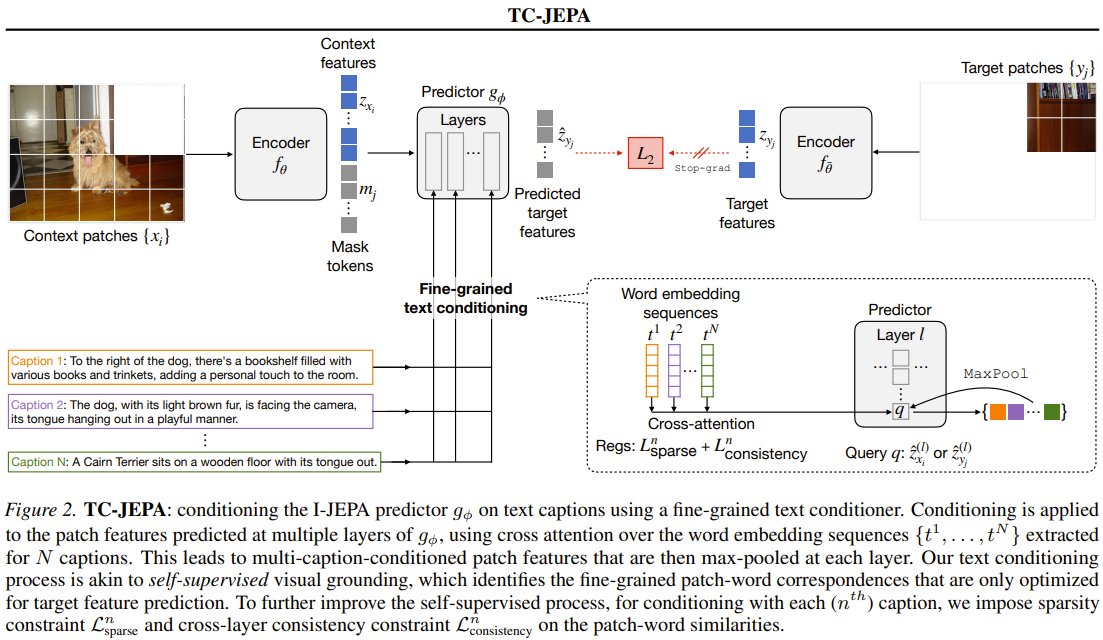
Apple Researchers Introduce TC-JEPA for Vision-Language Learning
By
–
Looks like Apple is very interested in JEPA! What if your AI could “read” an image’s caption to solve visual puzzles? Apple researchers present TC-JEPA: a new self-supervised method that uses image captions to guide masked patch predictions. By conditioning on text, the model
-
Causal Software Engineering: A Vision and Roadmap
By
–
Causal Software Engineering: A Vision and Roadmap Paper: https://
arxiv.org/abs/2605.02454 -
Introducing Causal Software Engineering for Cause-and-Effect Modeling
By
–
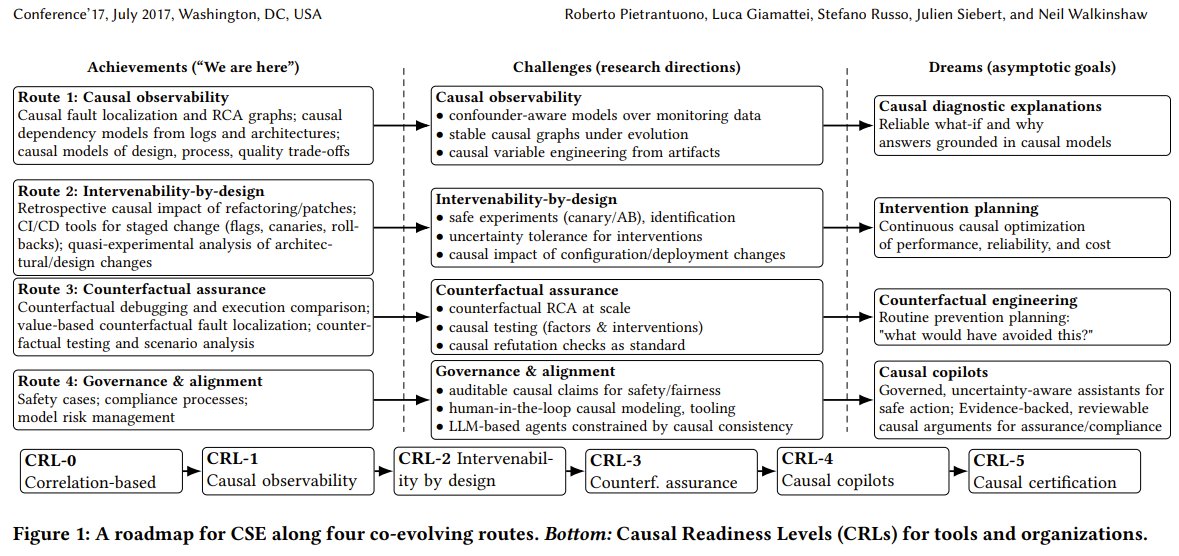
What if your software could tell you not just what went wrong, but what would have happened if you acted differently? Enter Causal Software Engineering (CSE). Instead of just spotting patterns in code or logs, CSE builds cause-and-effect models that answer interventional