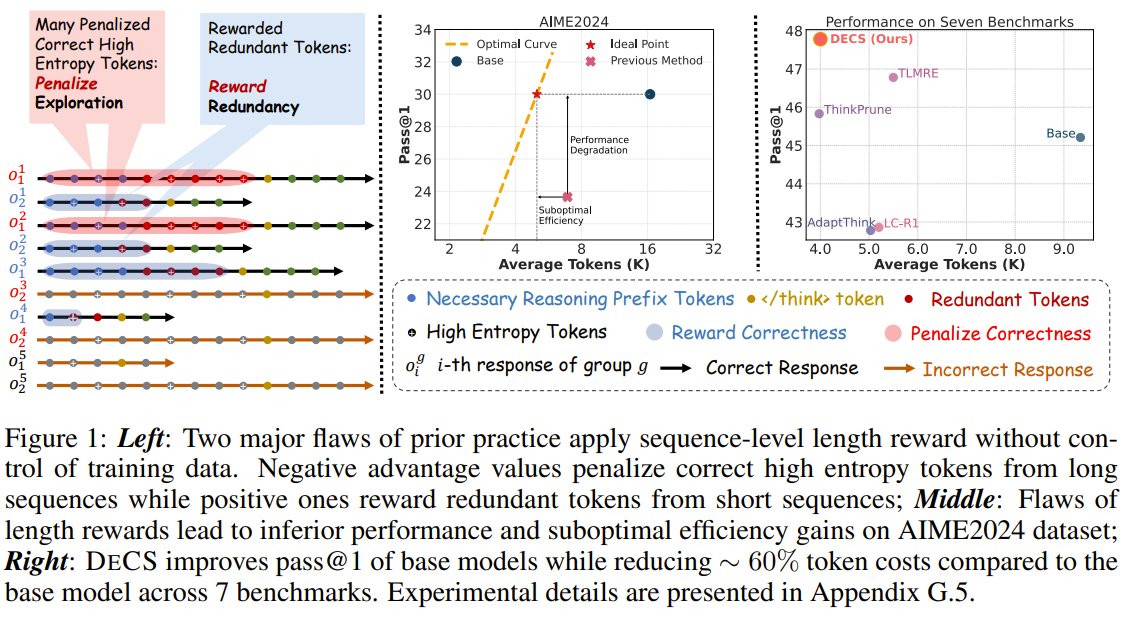
Overthinking is killing LLM reasoning efficiency. DECS fixes it by surgically cutting redundant tokens without hurting performance. Current RLVR models generate excessively long reasoning paths with zero gain. Existing length penalties backfire—they penalize essential
@jiqizhixin
-
MeMo paper: Memory as a Model on arXiv
By
–
MeMo: Memory as a Model
Paper: https://
arxiv.org/abs/2605.15156 -
MEMO: Store fresh knowledge in separate memory model without retraining
By
–
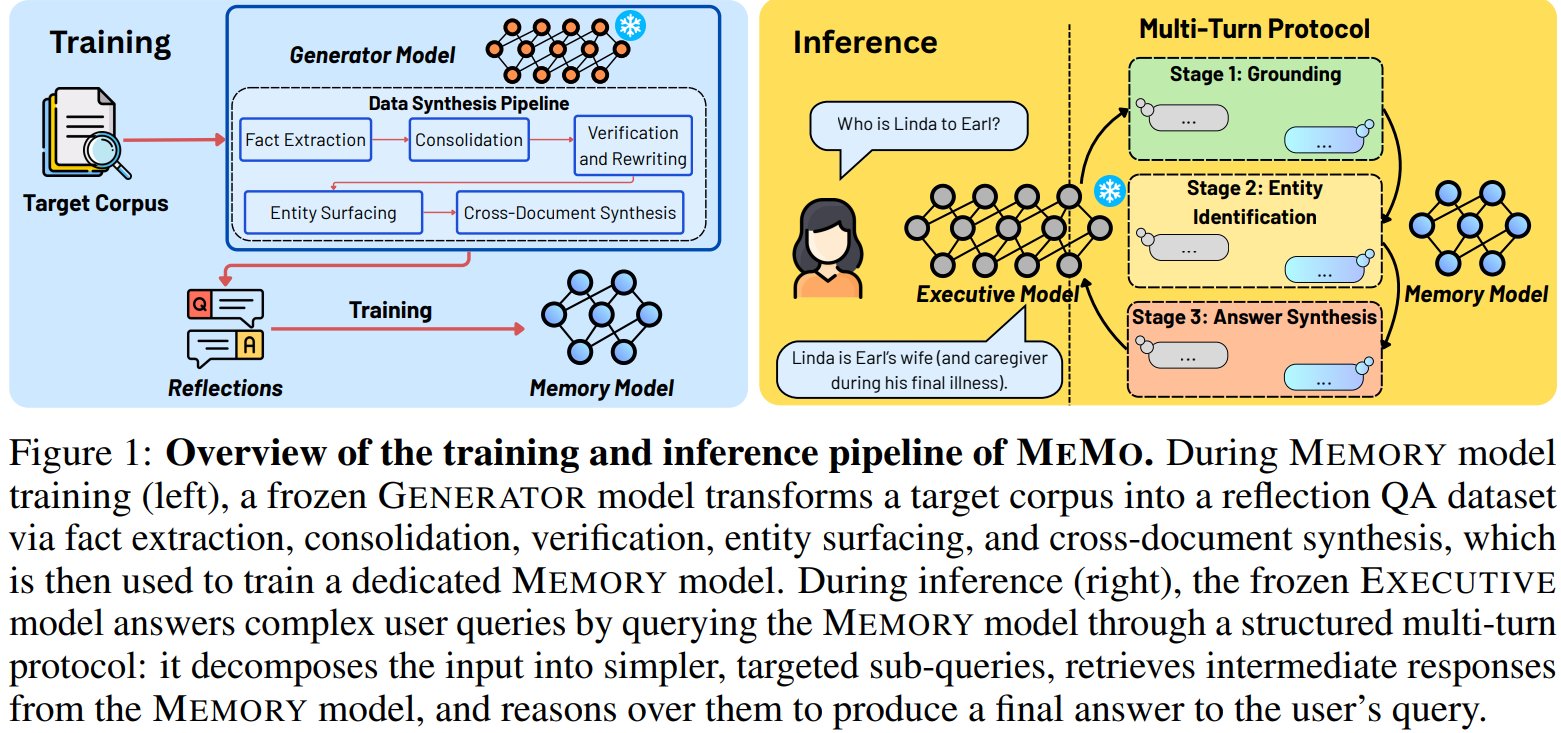
Cool, your AI could learn new information without ever retraining its core brain! MIT, A*STAR, NUS, and Liquid AI researchers introduce MEMO (Memory as a Model). Instead of fine-tuning the LLM, MEMO stores fresh knowledge in a separate "memory" model. Think of it like adding a
-
Study: LLMs Form Human-Like Hierarchical Emotion Structures
By
–
Do LLMs have a human-like emotional hierarchy? Harvard, UCSD, and NTT researchers analyzed how AI models organize emotions. They found LLMs naturally form hierarchical emotion trees that match psychological models—larger models create more complex structures. But they also
-
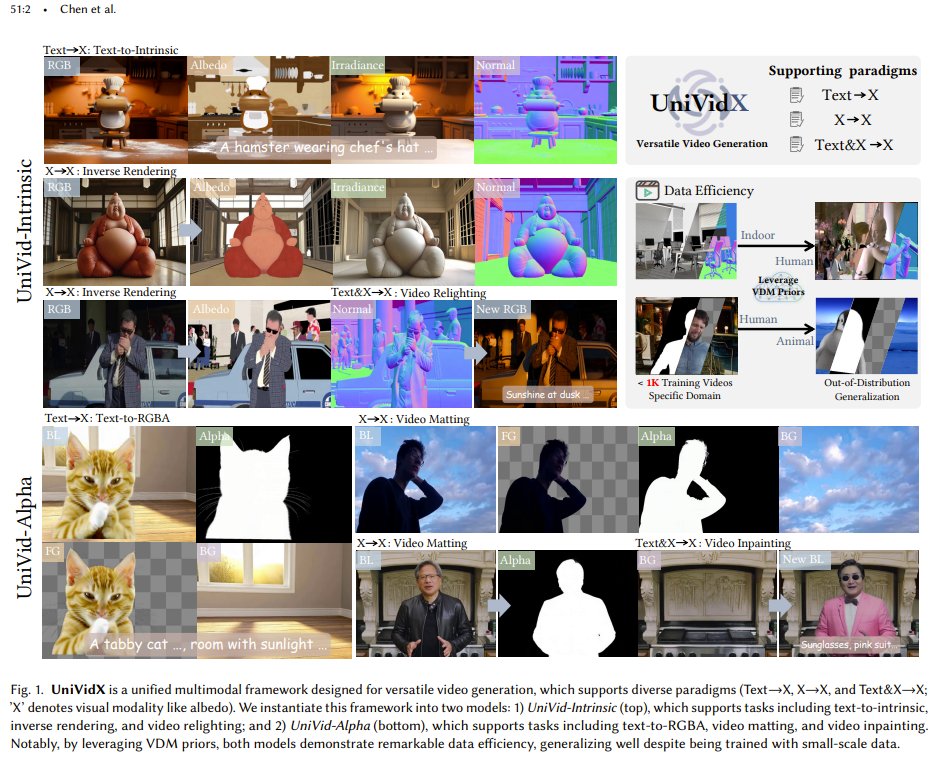
UniVidX: a unified model for multiple video-generation tasks
By
–
What if one AI could handle multiple video generation tasks without needing separate models for each? Researchers from HKUST, Stanford, Tsinghua, and other top labs present UniVidX. It uses three simple tricks: random condition masking to let the model learn any input-output
-
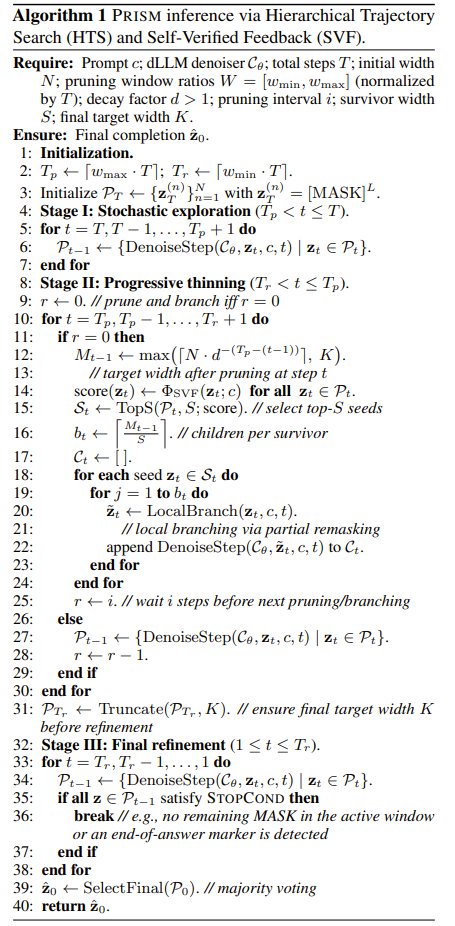
PRISM: Test-time Scaling for Discrete Diffusion LLMs
By
–
What if AI could scale its reasoning without wasting compute? Researchers from NUS, Georgia Tech, and other institutions present PRISM — a test-time scaling method for discrete diffusion language models (dLLMs). It uses hierarchical search to prune and reallocate compute
-
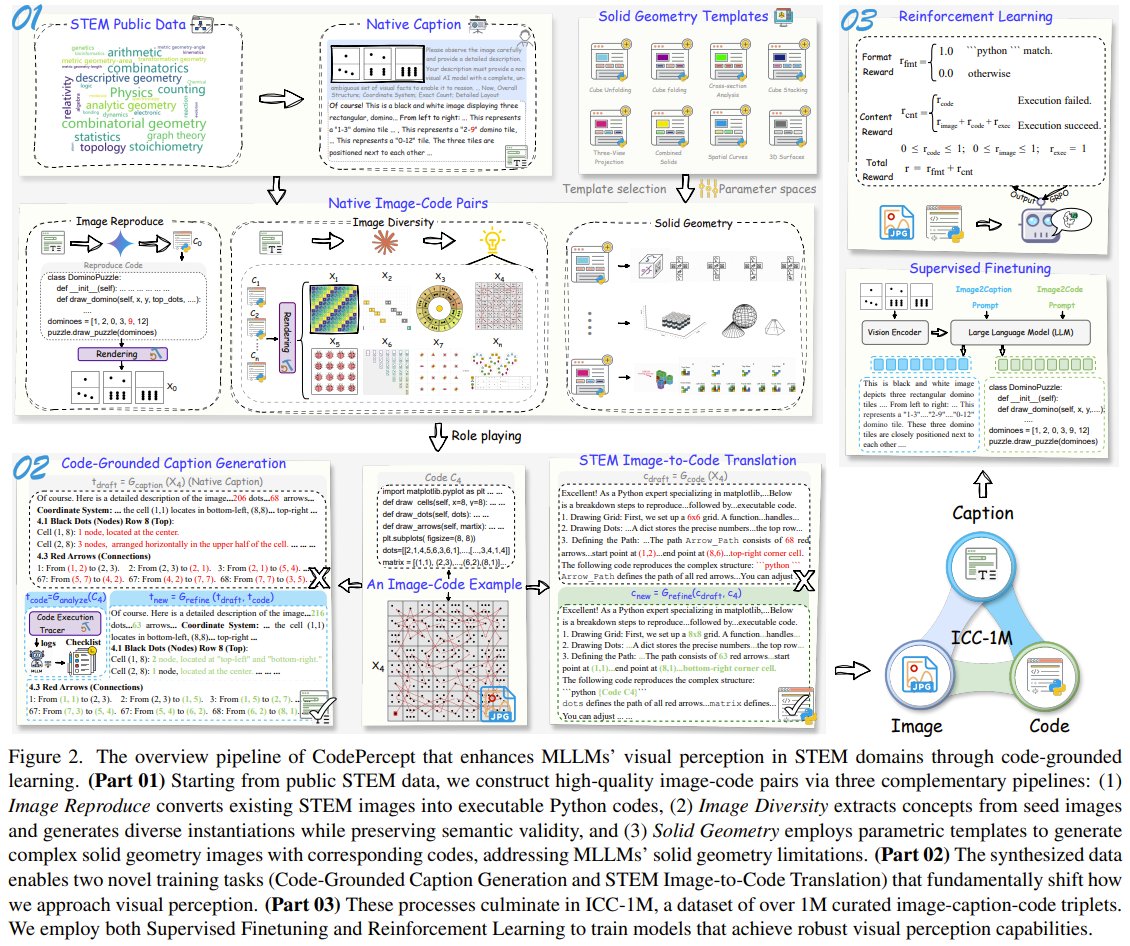
Researchers propose CodePercept to improve AI on STEM diagrams
By
–
Why do AI models fail at STEM diagrams? Is it weak reasoning or poor perception? Researchers from Shanghai Jiao Tong University and Alibaba’s Qwen Team present CodePercept. Instead of scaling reasoning, they scale perception using code as a precise medium—generating
-
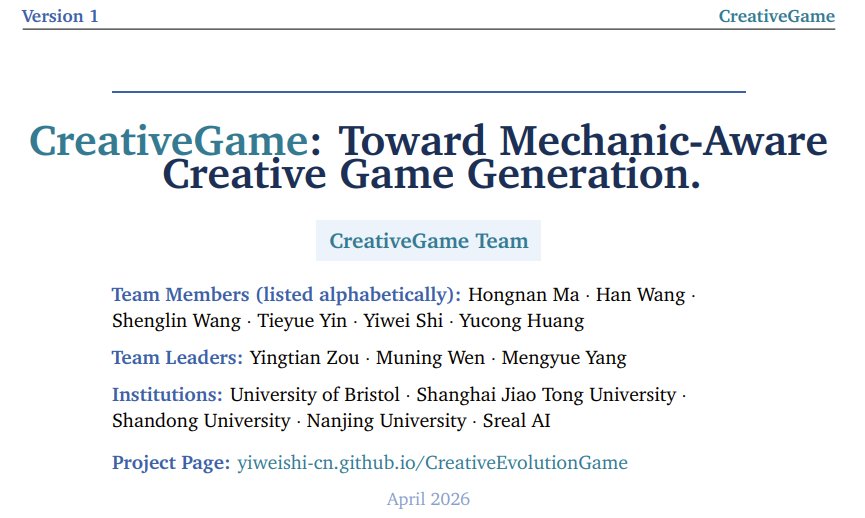
Multi-agent system that iterates on game mechanics
By
–
Can AI truly iterate on game mechanics, not just generate one-off code? CreativeGame Team (Univ. of Bristol, SJTU, Shandong Univ., Nanjing Univ., Sreal AI) built a multi‑agent system that treats game mechanics as explicit objects. It uses programmatic rewards (not subjective
-
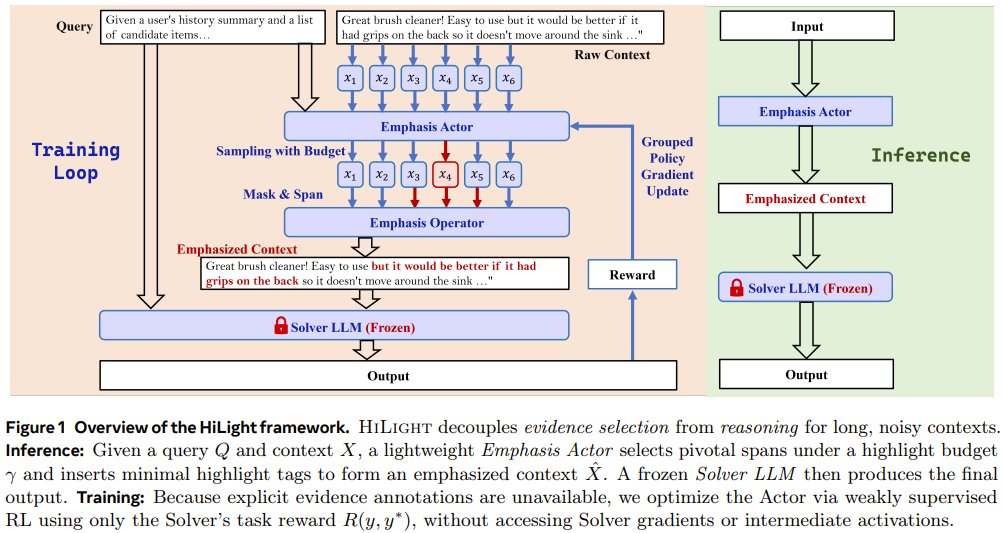
HiLight highlights key evidence in long contexts for frozen LLMs
By
–
Can LLMs find a needle in a haystack of text? Stony Brook University and Meta AI present HiLight: a lightweight system that highlights key evidence in long contexts for frozen LLMs. Instead of rewriting or compressing input, it trains a small Actor to insert highlight tags
-
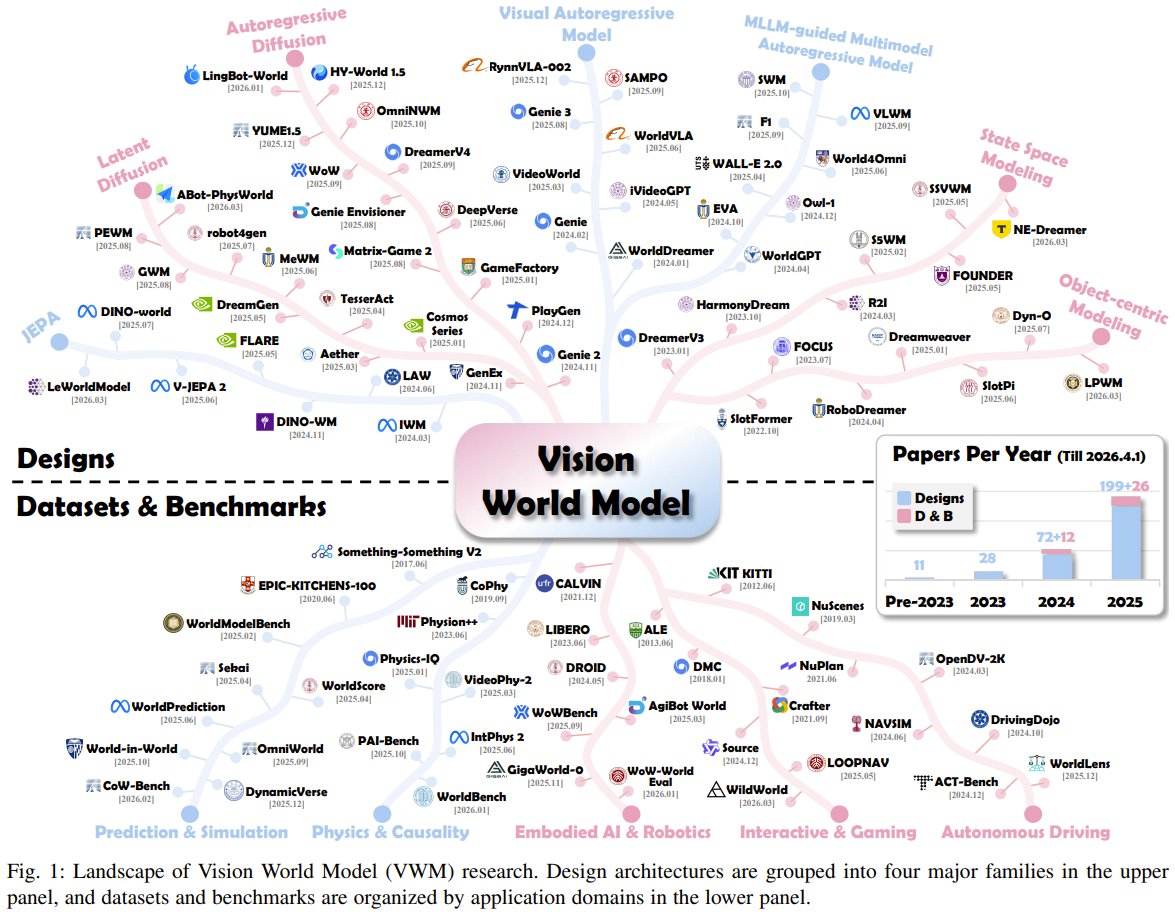
Unified Vision World Models framework from Beijing Jiaotong, ByteDance, Tencent
By
–
What if AI could learn the world just by watching? Researchers from Beijing Jiaotong, ByteDance, Tencent present a unified framework for Vision World Models: encoding visuals, learning dynamics, simulating outcomes. This survey outperforms fragmented taxonomies, outlining