What if fine-tuning a large language model could adapt its training in real-time, not just follow a static plan? Researchers from Huawei introduce EDCO, a dynamic curriculum orchestration framework. Instead of pre-ordering training samples by difficulty, EDCO prioritizes data
@jiqizhixin
-
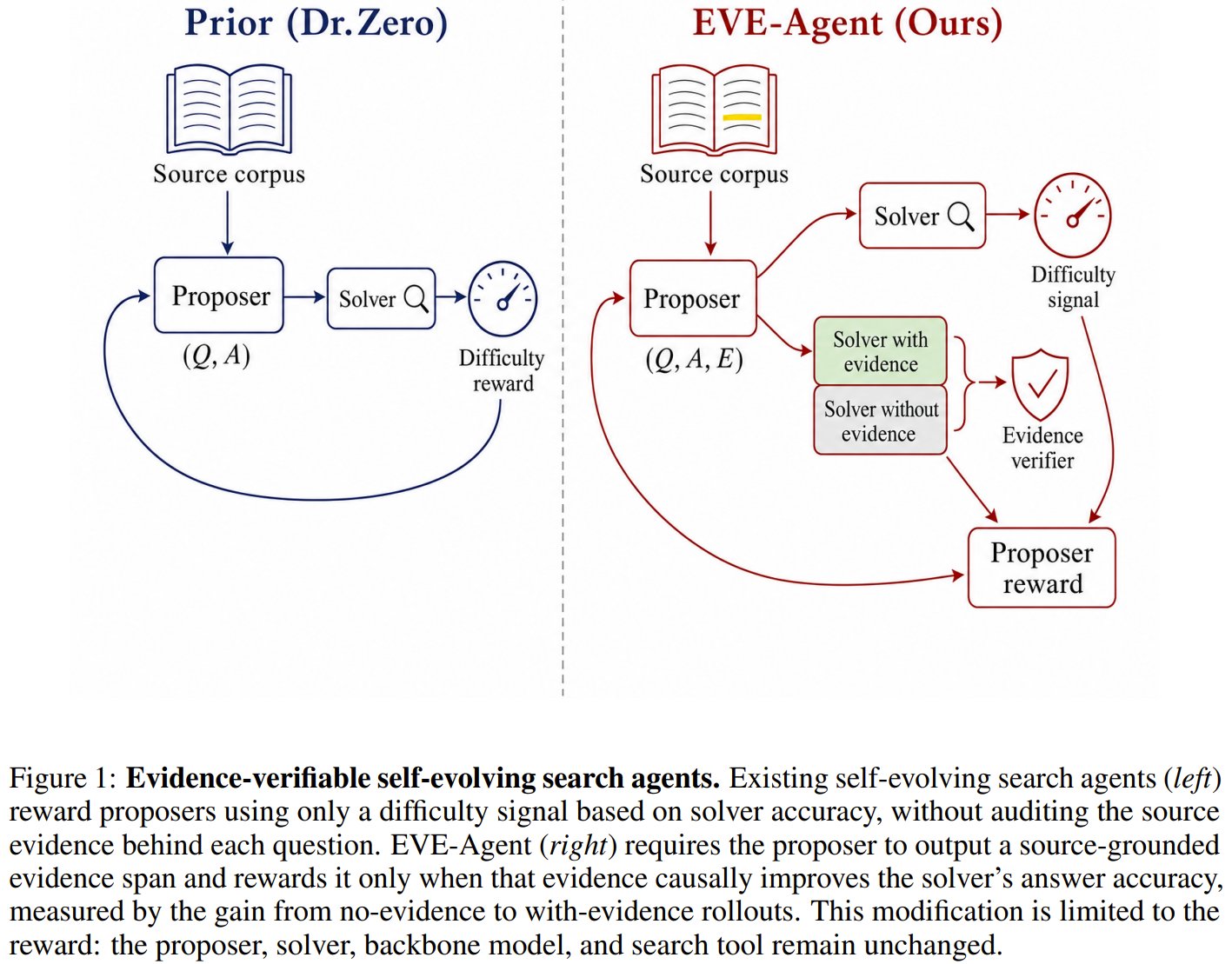
EVE-Agent forces verifiable source spans for AI learning
By
–
Can your AI justify what it learns, or is it just guessing? Researchers from Fujitsu and the University of Tokyo present EVE-Agent: a self-evolving system that forces every training example to include a verifiable source span — no more learning from unsupported answers.
-
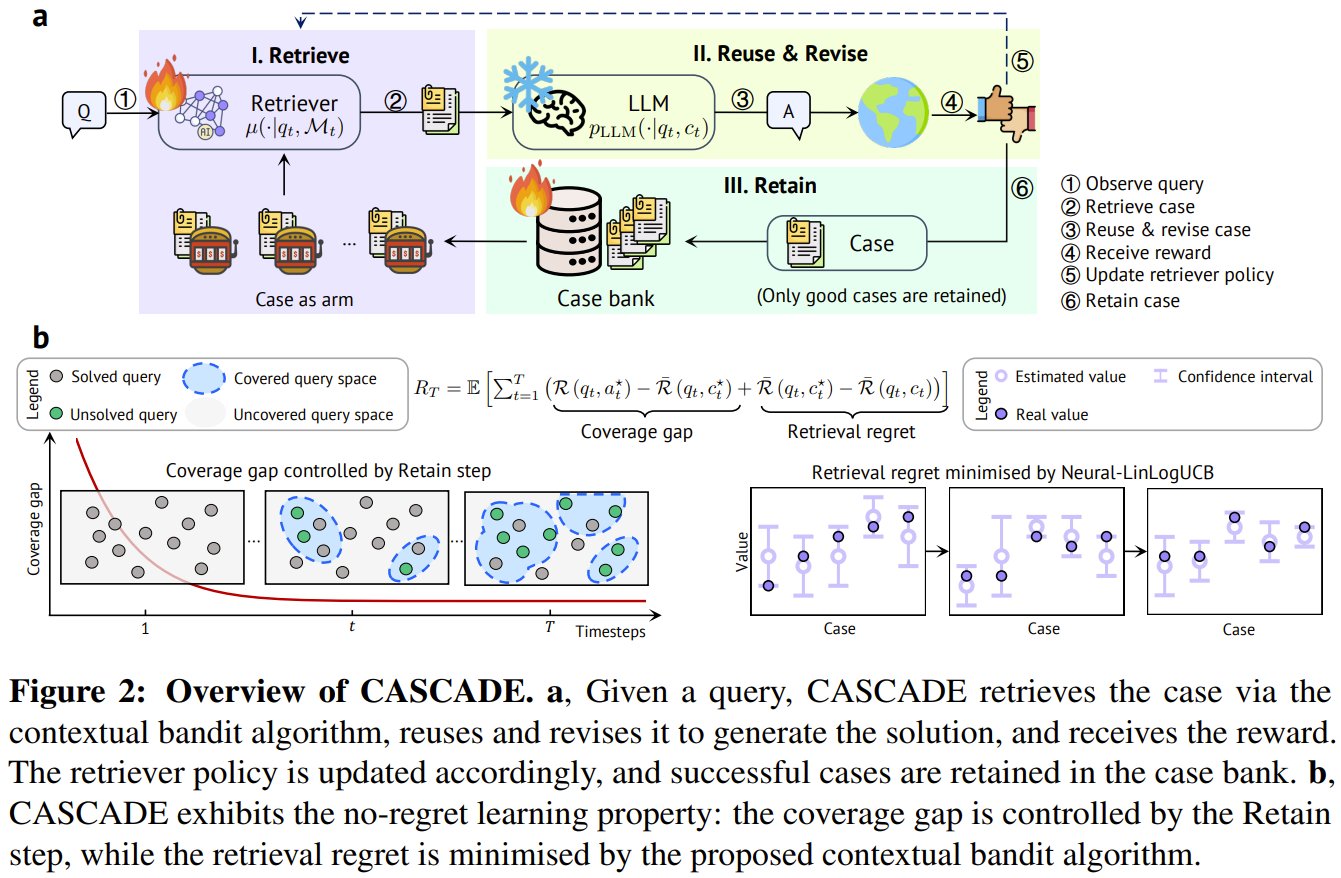
LLM agents with evolving episodic memory: CASCADE framework
By
–
What if your LLM kept learning after deployment—even without changing its weights? Researchers from Jilin University, King's College London, and UCL introduce CASCADE, a framework that equips LLM agents with an evolving episodic memory. It treats experience reuse like a
-
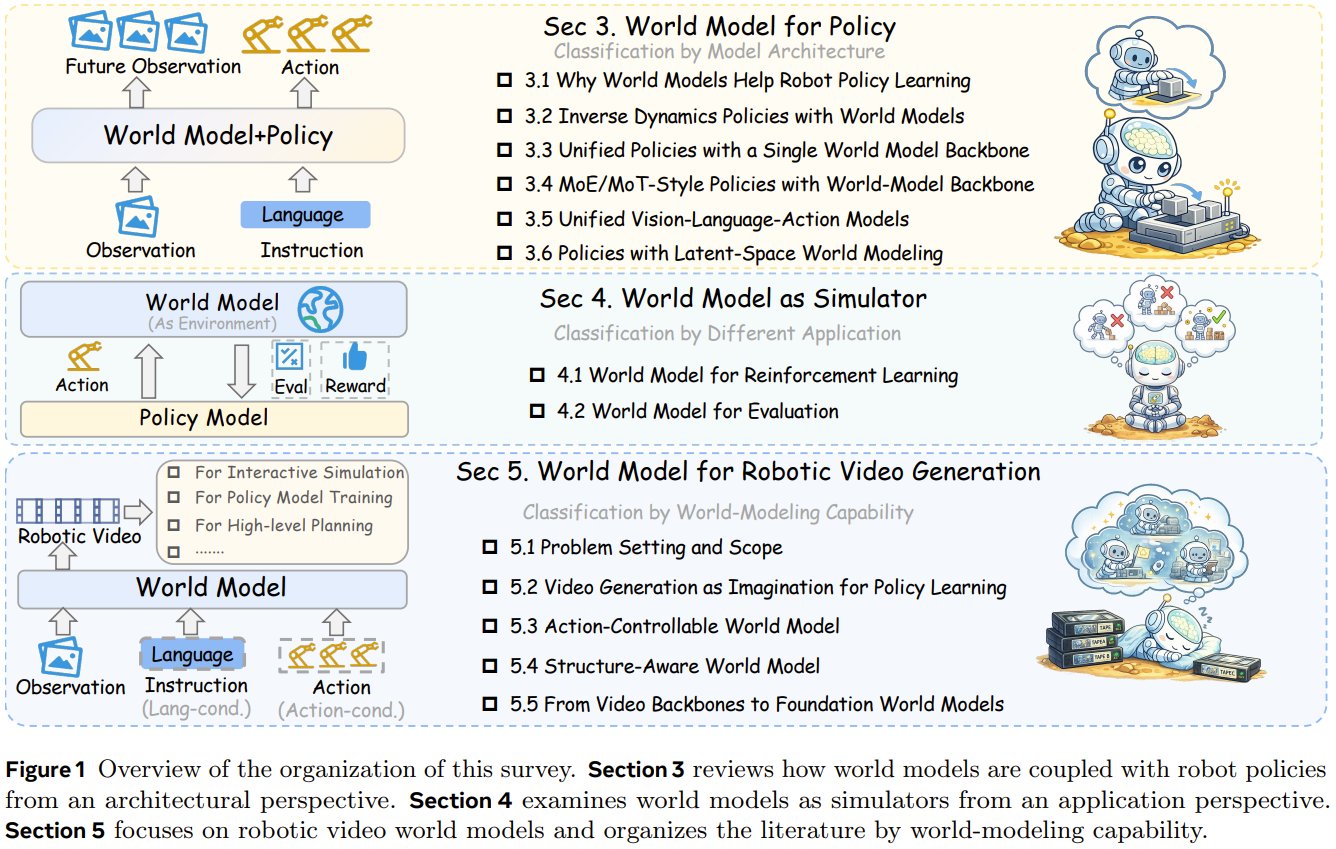
World models as mental simulators for robot learning survey
By
–
What if robots could predict the world before acting? A consortium of researchers from NTU, UC Berkeley, Stanford, and other top institutions surveyed the rapid rise of world models in robot learning. These models act like mental simulators: they predict how the environment
-

Why Large Language Models Speak and Think Like Humans
By
–
Why can large language models speak and think like humans? Link: https://
github.com/hangli-hl/AI-A
rticles/blob/main/.pdf
… -

GIPO: Gaussian Importance Sampling for AI Learning Without Forgetting
By
–
What if your AI agent could learn faster from older data without forgetting or crashing? Researchers from Sany Group present GIPO (Gaussian Importance Sampling Policy Optimization). Instead of hard clipping, it uses a soft Gaussian trust weight to gently limit extreme updates
-
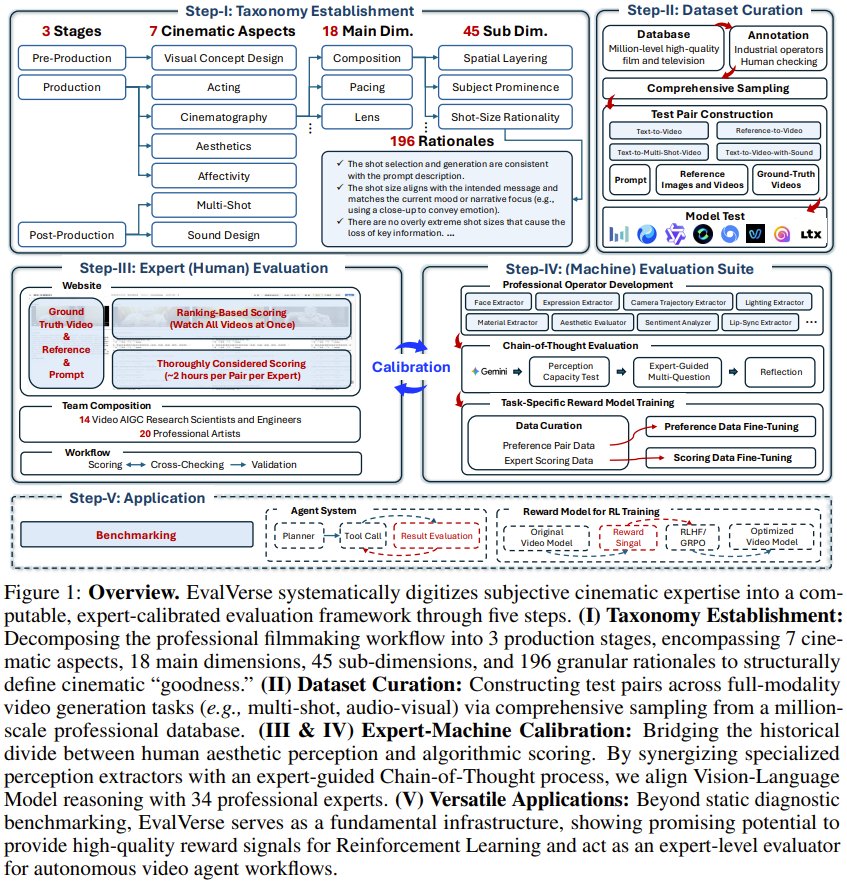
EvalVerse: Expert-calibrated VLMs evaluate AI video quality
By
–
Can AI-generated video ever match professional cinema? A team from HKUST, Tencent, and Stanford introduces EvalVerse. It treats video evaluation as a science—using expert-calibrated vision-language models to judge not just if the output follows the prompt, but also its
-
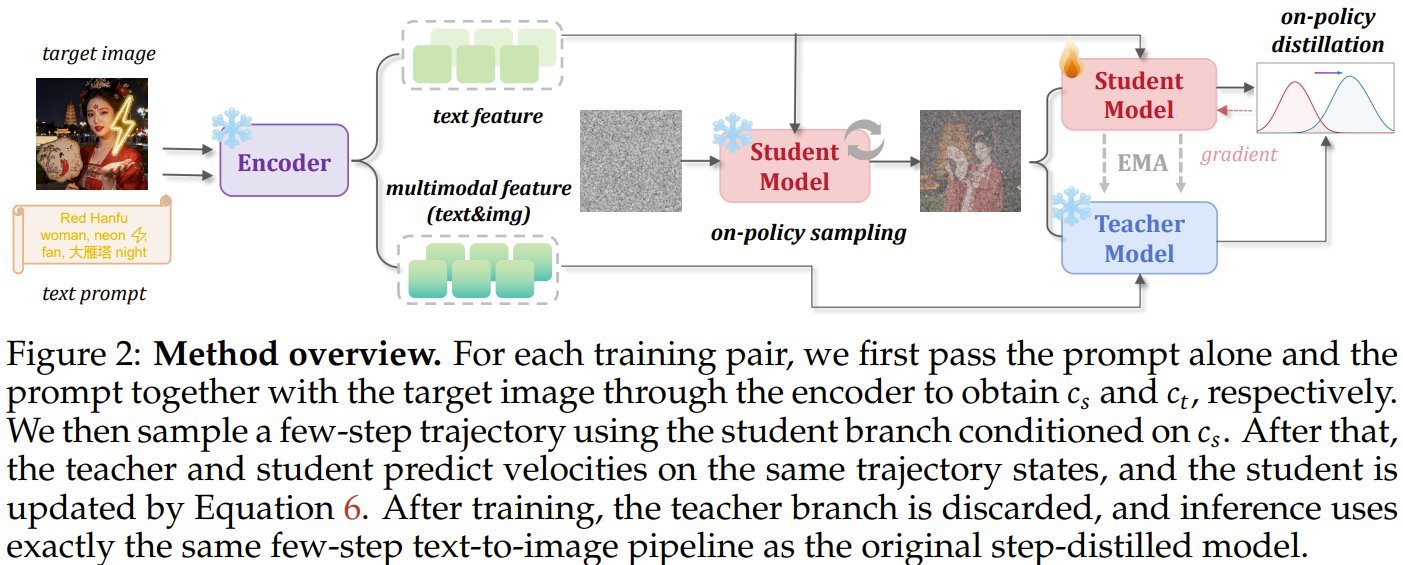
D-OPSD: Fine-Tuning Fast Models Without Losing Speed
By
–
What if fine-tuning a fast image model didn’t break its speed? Researchers from HKUST, Alibaba Group, UCSD, and CUHK present D-OPSD. It lets step-distilled diffusion models learn new styles or concepts without losing their few-step magic—by having the model act as both
-
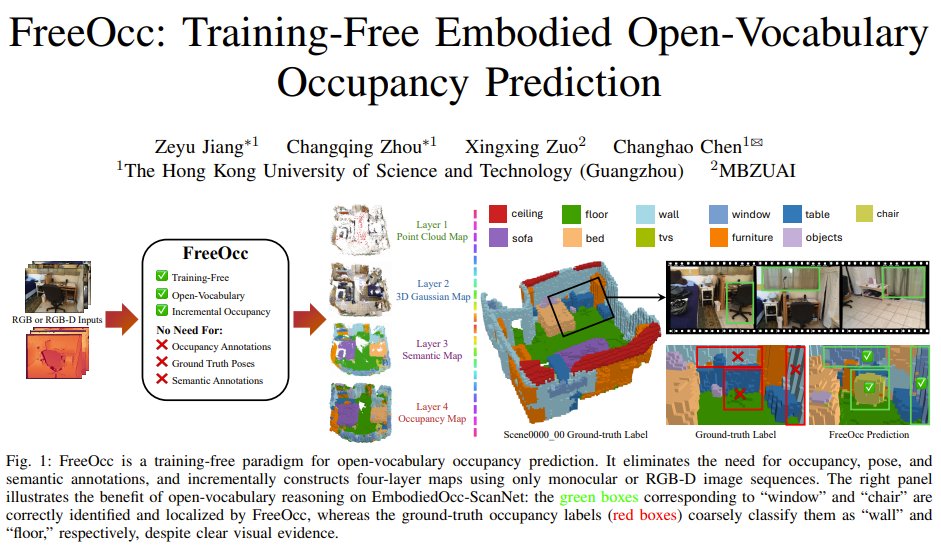
FreeOcc: Training-Free Open-Vocabulary Occupancy Predictor
By
–
What if a robot could map without training or 3D labels? HKUST & MBZUAI researchers present FreeOcc – a training-free open-vocabulary occupancy predictor. It builds a 4-layer map using SLAM, Gaussians, and VLMs. Outperforms self-supervised by 2x in IoU/mIoU, zero-shot to new
-
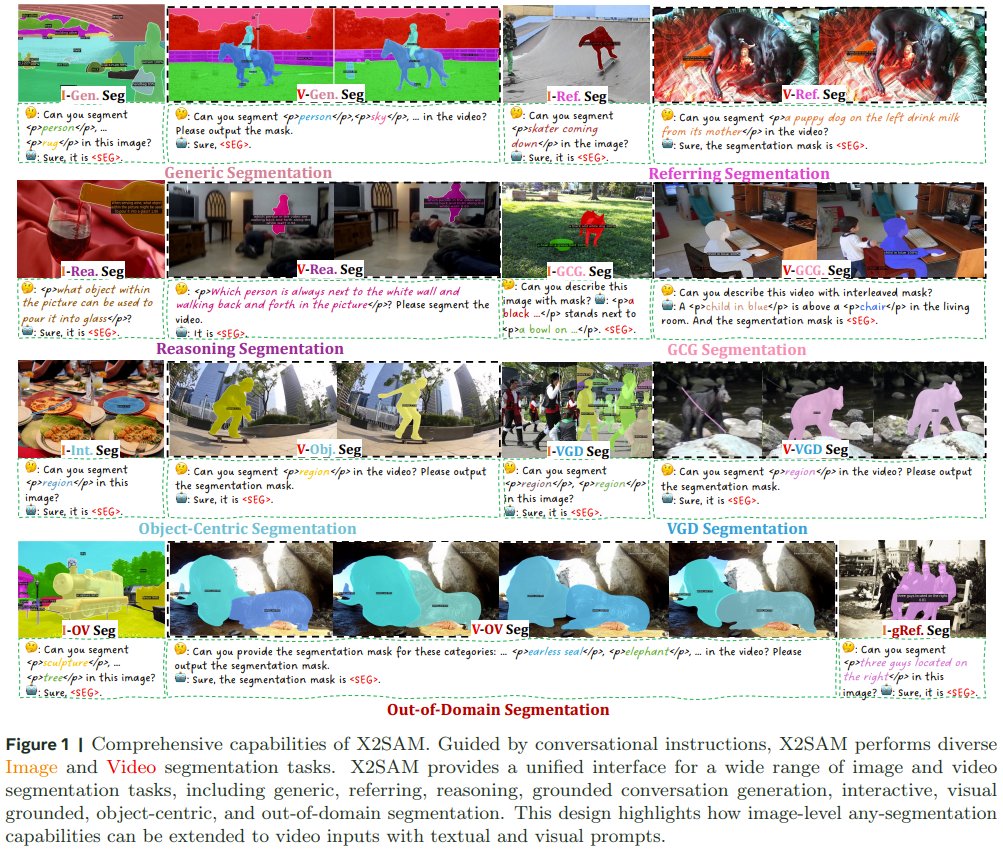
X2SAM: Image and Video Segmentation by Conversation
By
–
What if you could segment anything in both images and videos using just a conversation? Researchers from Sun Yat-Sen University, Peng Cheng Laboratory, and Meituan present X2SAM. It pairs a large language model with a Mask Memory module to generate temporally consistent masks