My piece in the Economist where I argue against de-weirding AI. It is a strange technology with both risks & opportunities that need to be discovered. Pretending AI works like normal IT automation can result in bad outcomes for companies & their employees.
@emollick
-
AI labs criticized for lack of future vision clarity
By
–
The AI labs have actually done a bad job explaining what the future they are building towards will actually look like for most of us. Even “Machines of Loving Grace” has very few well-articulated visions of what Anthropic hopes life will be like if they succeed at their goals.
-
AI chatbot interfaces driving usability leaps
By
–
The biggest bottleneck in AI for most people isn't the models. It's the chatbot. New interfaces like Claude Dispatch, are closing the gap between what AI can do and what people can actually use it for. For many folks, that is where leaps will come from.
-
AI policy’s failure of imagination on employment
By
–
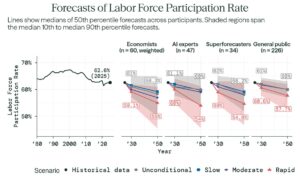
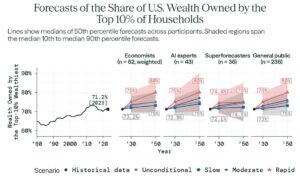
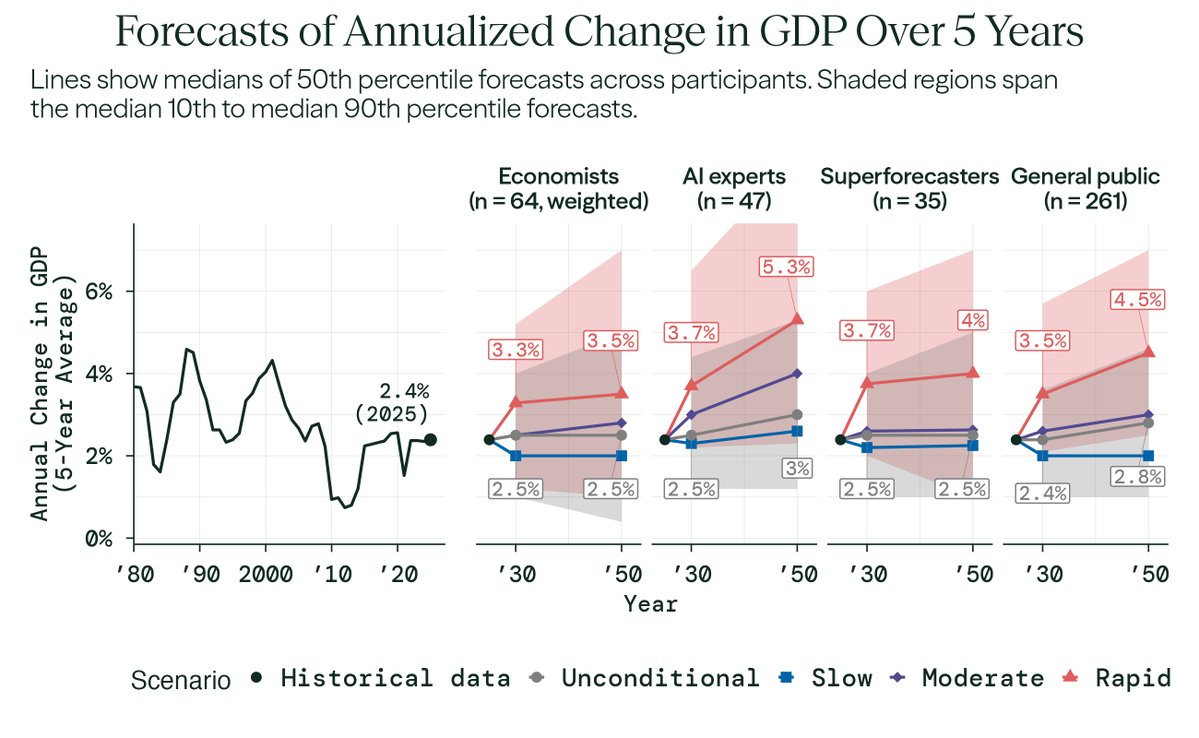
All AI policy is haunted by a failure of imagination. It is either nothing happens or apotheosis, people can’t seem to conceive of any other futures. It is amazing to predict massive AI development and expect nothing major to change in employment or productivity.
-
AI adoption lag in scientific publishing systems
By
–
The fact that every scientific paper in 2026 is still uploaded only as fully formatted PDFs to academic archive sites that often limit downloads tells you everything you need to know about how quickly the scientific system is adjusting to the potential of AI to accelerate science
-
ChatGPT GPT-5.4 Pro excels at interpreting scientific figures
By
–
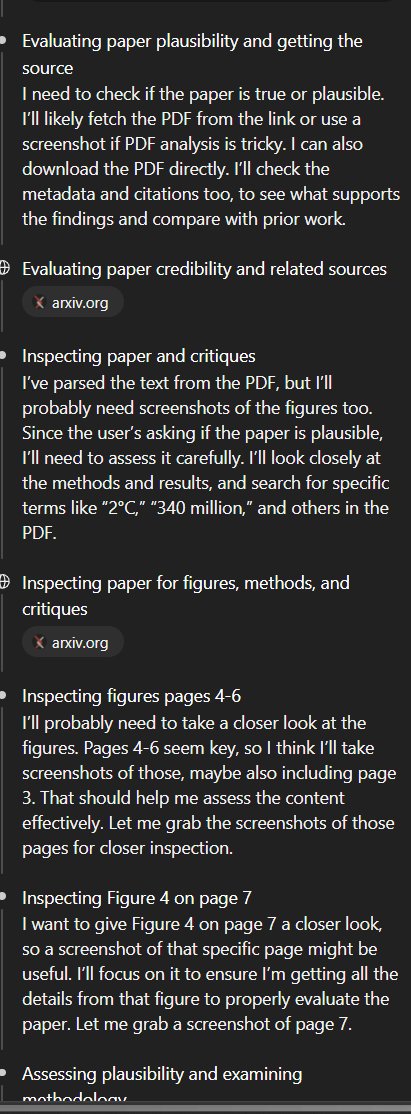
One of the things that is useful about the ChatGPT GPT-5.4 Pro (and also Thinking) harness is that it is quite good at understanding how to read scientific papers, not just relying on text, but also figuring out which figures are key and inspecting those visually.
-
ARC-AGI-3 test design and AI progress watch
By
–
This is true, but ARC-AGI-3 is also a test designed so that AI gets zero today, just as the earlier ARC-AGI tests were designed . Those tests were then mostly saturated with a year or two. The thing to watch with ARC-AGI-3 is whether we see the same progress.
-
AI tutoring shows 6-9 month education gains
By
–
The first study also showed the negative effects vanished when the AI was prompted to act like a tutor. The results are consistent. More importantly, .15 SD is a HUGE increase in education, "equivalent to as much as six to nine months of additional schooling by some estimates"!
-
Fundamental confusion over AI definitions debated
By
–
I think there is fundamental confusion over what "using AI" means and that people are changing those definitions over time. I would strongly suspect these are measurement problems associated with people's impressions of what AI is.
-
AI agents integration in modern workflows
By
–
These impacts were measured before practical agents (like Claude Code) and companies are still early in figuring out how to incorporate AI into their workflows.