I was told about the Mythos release, but didn't have access, so have no personal experience to add. Two points from brief:
1) It is not built for IT security, it is just a good enough model that it is good at that too
2) This is the first, not last, model to raise security risks
@emollick
-
Security implications and risk assessment of the Mythos AI model
By
–
-
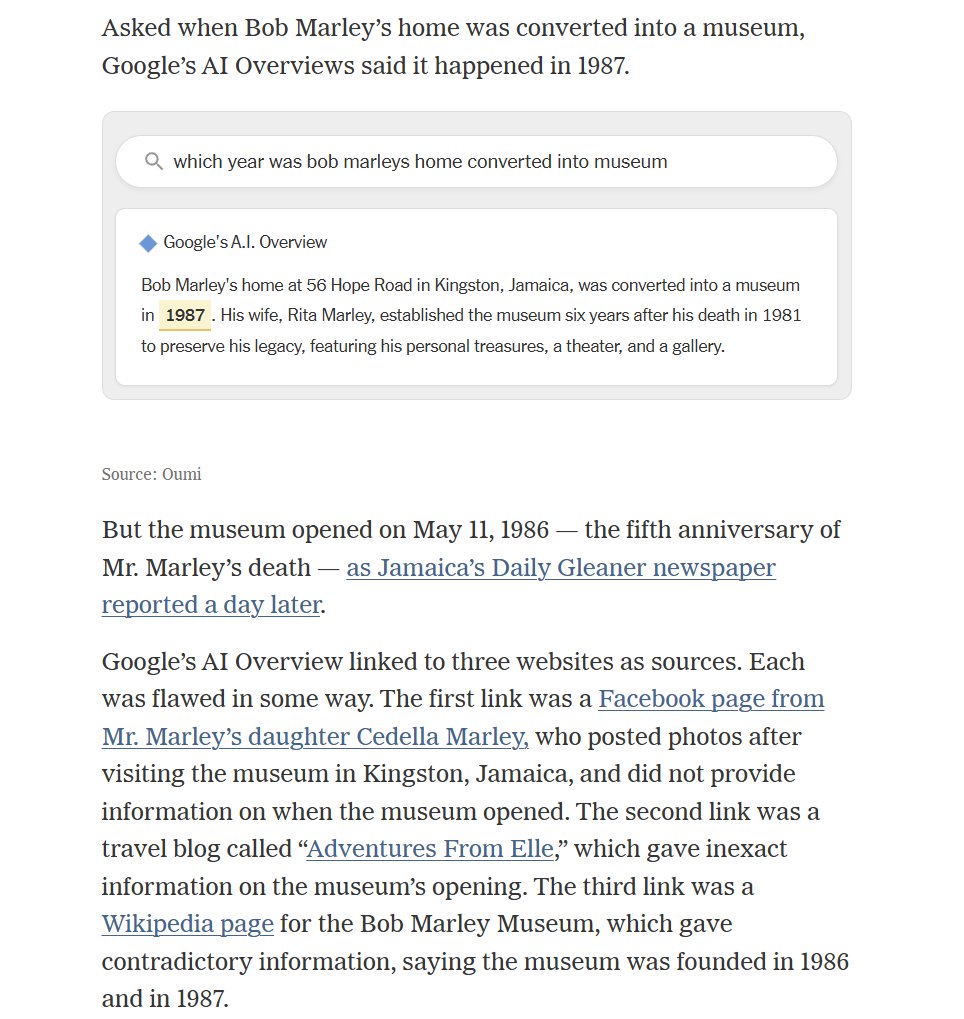
The challenges of measuring AI performance and reliability
By
–

This article is a case study of why measuring AI performance is so hard. AI Overviews make mistakes. But the same mistakes are in Wikipedia. But the sources are harder to find when using AI. But the AI answers may be better than most people would find. Unclear what it all means.
-
The societal anxiety and enterprise shift in AI adoption
By
–
No one is going to want to give up their Claude (or ChatGPT or Gemini). But they will also be extremely nervous about the implications of AI overall. To that extent the "pivot to enterprise" is going to result in a lot more anxiety than when the focus was on consumer assistants.
-
Designing AI Interfaces for Job Augmentation Rather Than Replacement
By
–
Its an important time for the AI labs to build interfaces around the goal of "job augmentation through AI" rather than building "job replacement through AI." Chatbots were mostly augments, requiring a human to work. Agentic work patterns are still in flux & could center humans.
-
The emerging psychological divide in AI perception
By
–
I suspect that popularity of AI is going to start looking like surveys where people trust their own doctors but are distrustful of the medical establishment People will increasingly like “their AI” but will increasingly be anxious about “AI” as a category. Some odd implications
-
Strategic management and alignment of AI agentic stacks
By
–
Commonalities: high ability agents are expensive, low ability/high error agents are cheap, so delegation needs to be strategic, you actually need to align incentives throughout the agentic stack, work products are handed off between levels of the organization, process matters etc
-
Conceptualizing LLMs as humans and AI agents as organizations
By
–
It is weird that you can approach LLMs as reasonable approximations of humans and get good results, but it is even weirder that you can approach agents as reasonable approximations of organizations (higher ability work is expensive so delegation is important, hand-offs have cost)
-
Feasibility of Agentic Workflows on On-Device AI Models
By
–
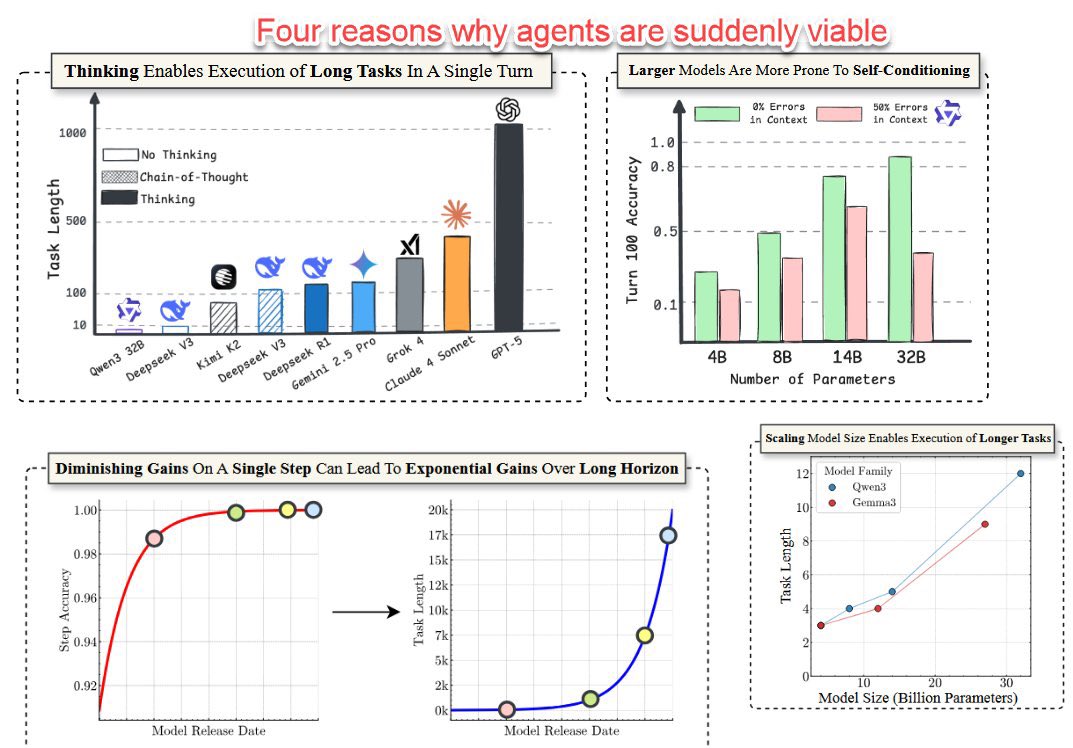
Diagrams from here: https://
arxiv.org/pdf/2509.09677 The Apple bet appears to be they can pull this all off with on-device models. Really not sure that is the case. There is a reason agentic workflows only took off with recent frontier models. We shall see. -
Technical limitations of small on-device models for agentic workflows
By
–
I am impressed by Gemma 4, there’s a lot of power for an on-device model at fast speeds. But I am not convinced you can get real agentic workflows out of a small model on device. So much depends on model judgement, self-correction, and accuracy. Small models are too weak there.
-
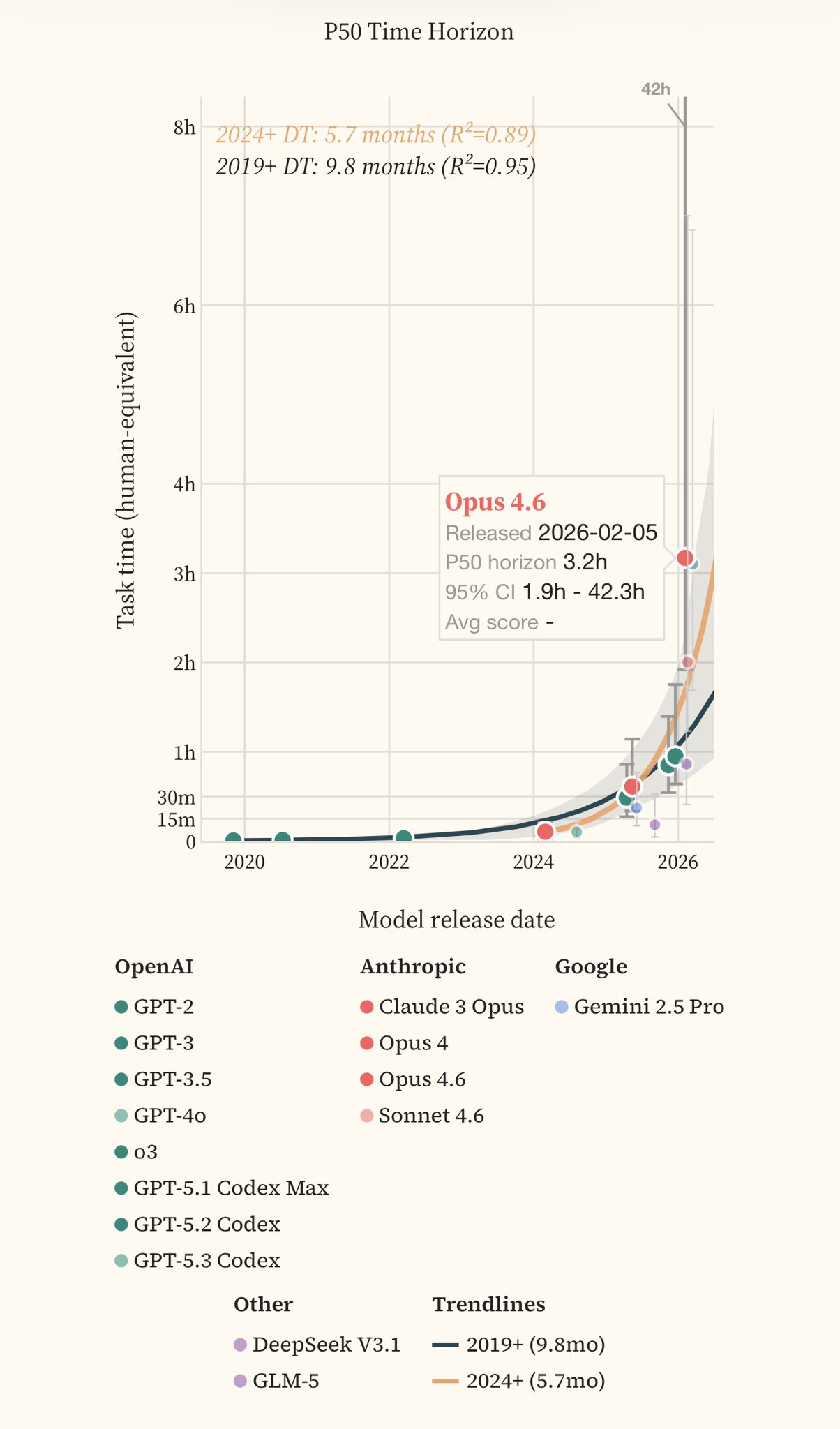
Impact of token limits on AI agent performance in cybersecurity
By
–
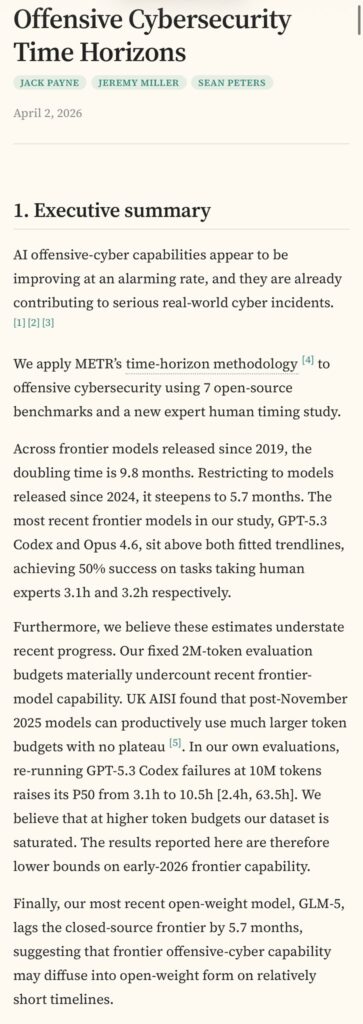
Real world example: raising token limits from 3M to 10M tripled the amount of work that Codex could do independently on cybersecurity tasks. From 3.1 hours to 10.5 hours.