Curious if there has been any good articles written on the impact of VLMs on low-vision and blind people. The advent of a universal text reading, and visual description system seems like it would be a big advance as a result of AI, but haven't seen anything written about it.
@emollick
-
AI model improves X search functionality
By
–
X search, long broken, has finally been fixed. All it took was a multi-hundred-million-dollar AI model (Seriously, X search is notoriously bad, but Grok is very good at this specific task, though it is funny that I have to burn a ton of tokens to do a keyword search on the site)
-
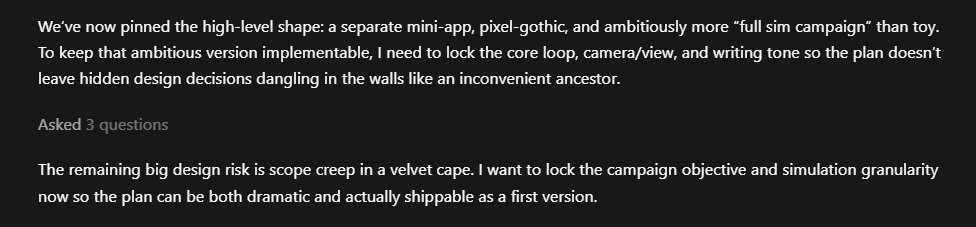
Enjoying Codex’s gothic planning monologue in game dev
By
–
Asking Codex to build a SimGothicManor game and really enjoying how much of its internal planning monologue has become obsessed with tongue-in-cheek gothic, such as worrying about "scope creep in a velvet cape"
-
AI advancement: new models on same hardware produce impressive results
By
–
One way to see the advancement of AI is to see how much further you can get with new models on the same hardware
— Ethan Mollick (@emollick) 27 mars 2026
Here is "an otter using a laptop on an airplane" generated on my home computer using the open weights Wan 2.1, first try. We have come pretty far in 18 months. https://t.co/loxNM2PRyb pic.twitter.com/c4iz9UcmTBOne way to see the advancement of AI is to see how much further you can get with new models on the same hardware Here is "an otter using a laptop on an airplane" generated on my home computer using the open weights Wan 2.1, first try. We have come pretty far in 18 months.
-
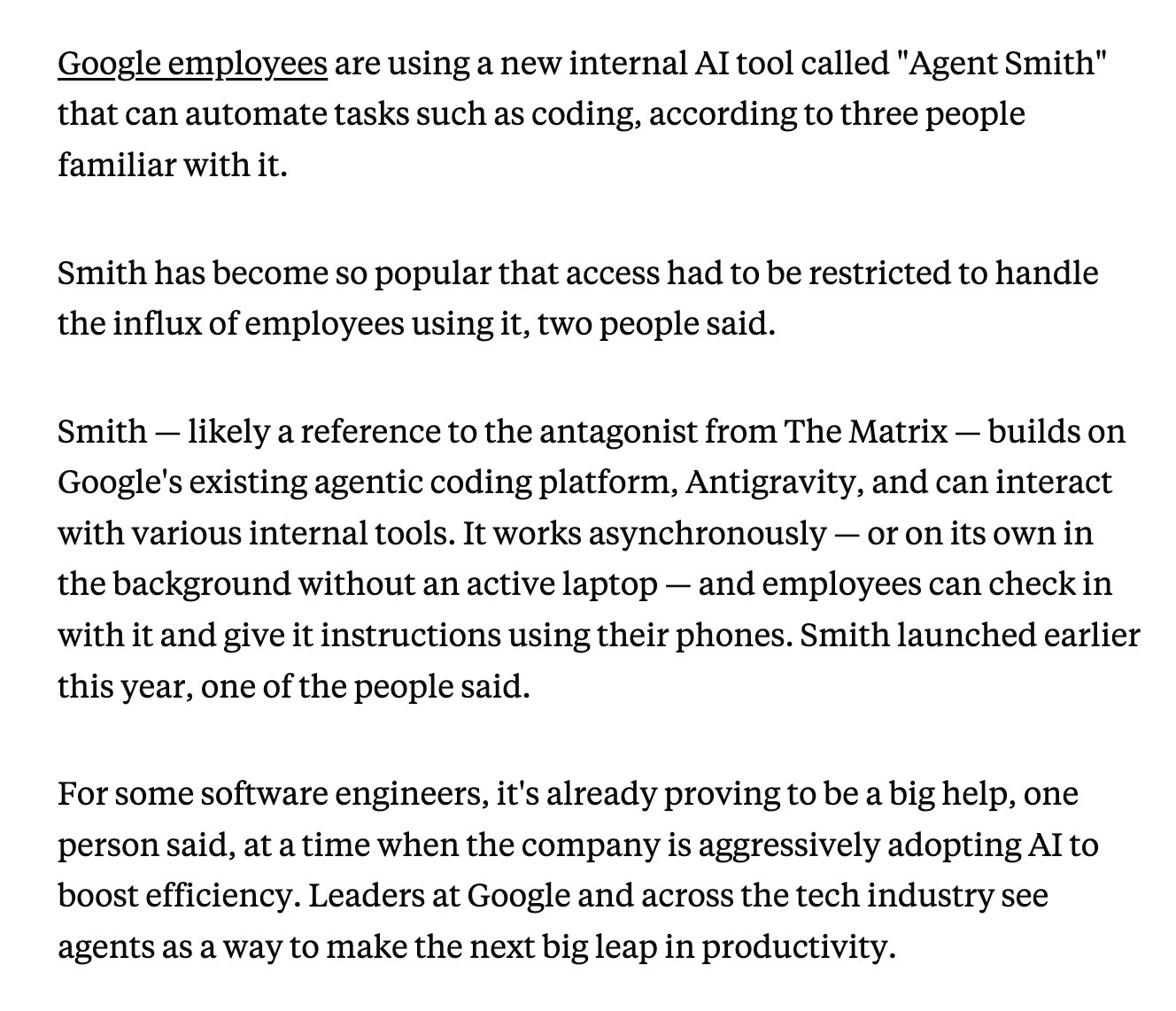
AI labs warned: avoid both overly technical and cinematic model names
By
–
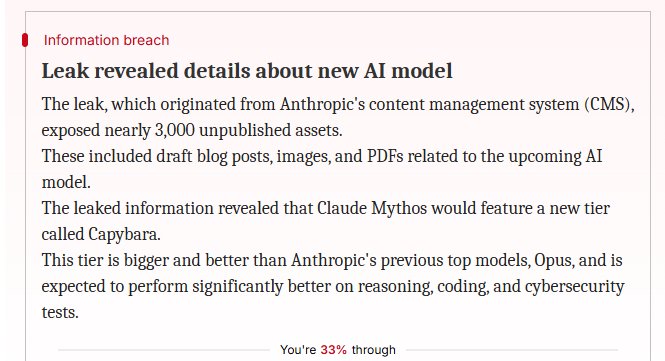
I know these are all unreliable leaks of internal code names but please, please AI labs, the only thing worse than calling your models GPT-5.5-xhigh-Codex-nano is giving them names like Agent Smith or Mythos, for obvious reasons.
-
AI data centers: from overbuilding to compute shortage
By
–
Last year everyone spoke about over building of AI data centers, likely this year will start to demonstrate that there is not nearly enough compute to meet demand I think to degree to which AI is currently subsidized depends on the model, but agree with everything else here
-
Leading AI labs confident in continued release of powerful models
By
–
It is worth noting the absolute confidence of the leading AI labs that they can continue to release ever more powerful models for the near future. As usual, they may not be right, but they haven't been wrong on this yet (despite the weird "GPT-5 is a plateau" articles last year)
-
ARC-AGI-3: a different test with different rules and measurements
By
–
It helps to think of ARC-AGI-3 as a different test entirely than the previous ARC-AGIs. It measures different things (though, as in the previous tests, precisely what it measures isn’t clear) and has different rules. That doesn’t mean it isn’t good, but it is its own thing.
-
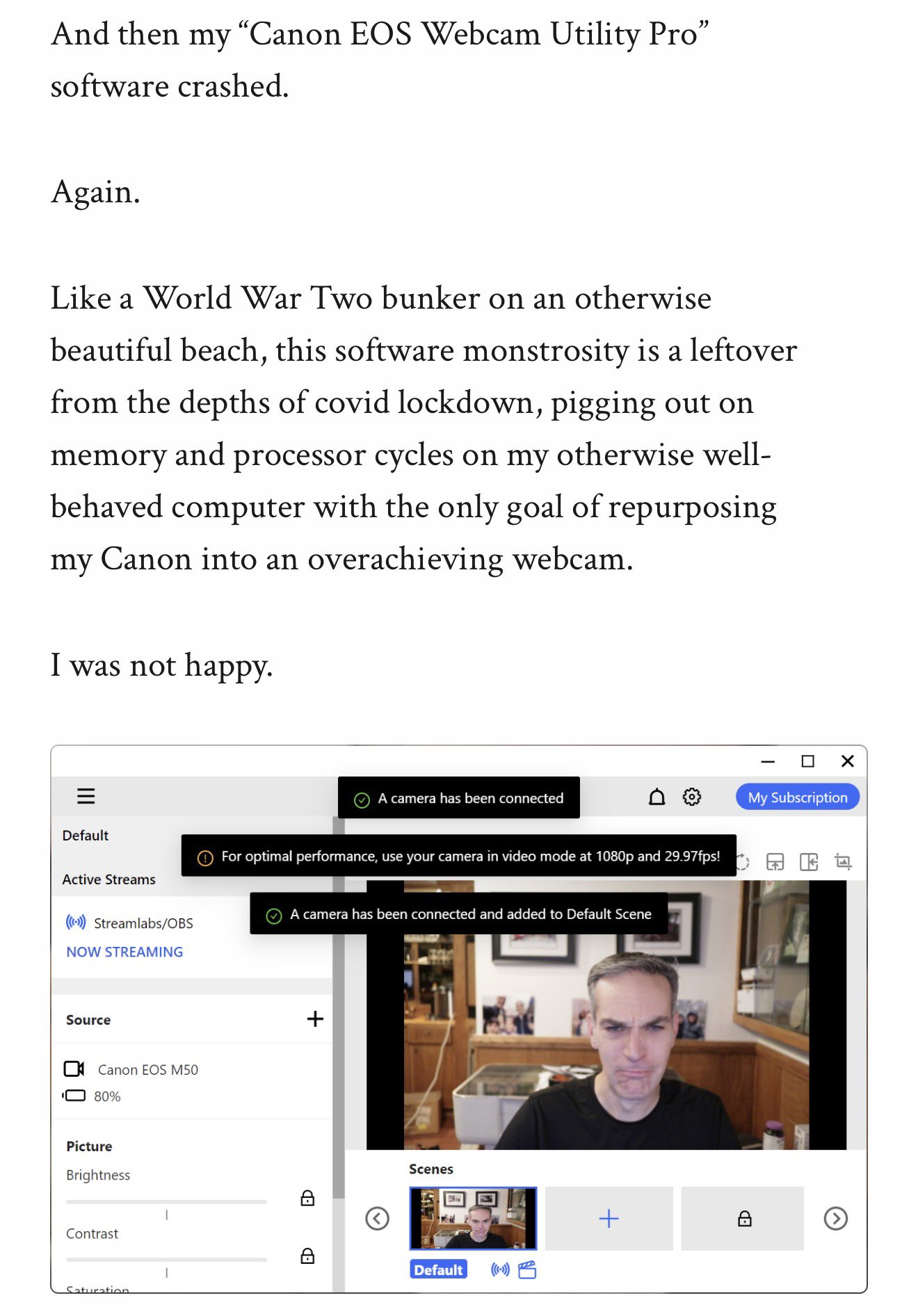
Coding agent fixes Canon webcam with overnight Rust app
By
–
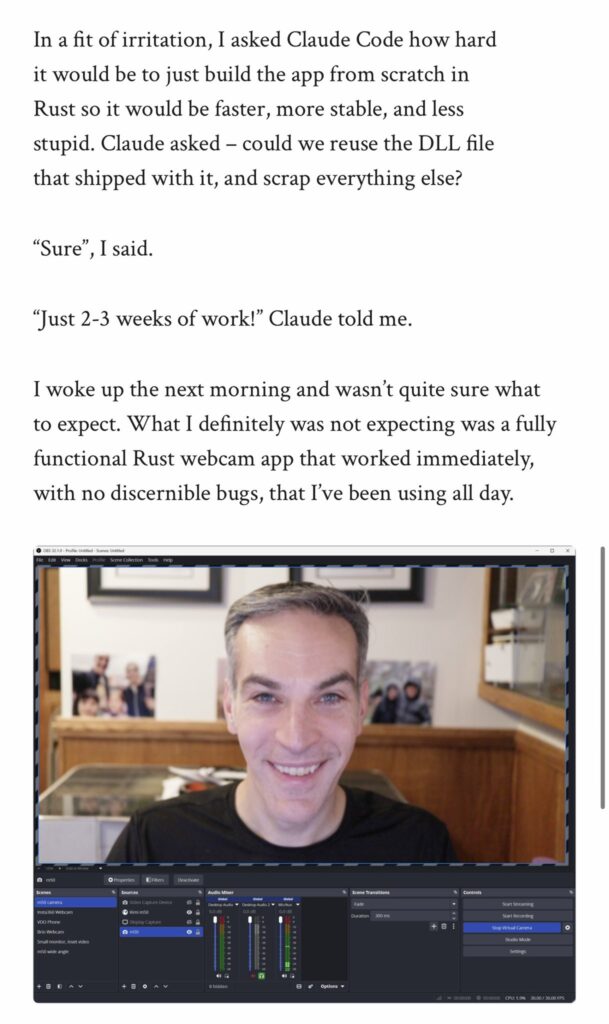
Great little story from @danshapiro about how he asked a coding agent to fix the official webcam software from Canon that kept crashing. He woke up to a new, fully functional Rust webcam app that has worked ever since. https://
danshapiro.com/blog/2026/03/t
he-overnight-webcam-app/
… -
Small AI models are brittle and benchmarks hide their weaknesses
By
–
Small AI models and specialized vertical AI models are very brittle. Any unusual situation or out-of-distribution issue and they break down. You also won’t get emergent leaps or good problem solving. They still have uses, but benchmarks don’t do a good job of showing weaknesses