You don’t pick an Inference Engine You pick a Hardware Strategy Then the Engine follows Inference Engines Breakdown (Cheat Sheet at the bottom) > llama.cpp
runs anywhere
CPU, GPU, Mac, weird edge boxes
best when VRAM is tight and RAM is plenty
hybrid offload, GGUF,
SYSTEMS
-
Choose Hardware First, Then the Inference Engine Follows
By
–
-
Sub-200ms TTFA Is the Critical Threshold for Voice Agents
By
–
Really really cool: Sub-200ms TTFA is the number that matters. Anything above ~300ms in a voice agent and you can feel the lag. Everything else is downstream of that. https://t.co/M6jkEcdwsP
— Chubby♨️ (@kimmonismus) 5 mai 2026Really really cool: Sub-200ms TTFA is the number that matters. Anything above ~300ms in a voice agent and you can feel the lag. Everything else is downstream of that.
-
Flat Network Segmented with One-Way IT/OT Gateways
By
–
The company was running a flat, unsegmented network before implementing one-way gateways between IT and OT systems.
-
Hardware Data Diode Blocks Inbound Traffic to OT Production Systems
By
–
Hardware-enforced one-way data transfer blocks all inbound traffic to production systems. Data flows out for monitoring. Nothing flows back toward OT. A Vietnamese chemical company eliminated communication vulnerabilities this way. Partner content with @OPSWAT. #opswat_ics pic.twitter.com/Z6Ovn1ddX1
— Lucian Fogoros (@fogoros) 5 mai 2026Hardware-enforced one-way data transfer blocks all inbound traffic to production systems. Data flows out for monitoring. Nothing flows back toward OT. A Vietnamese chemical company eliminated communication vulnerabilities this way. Partner content with @OPSWAT
. #opswat_ics -
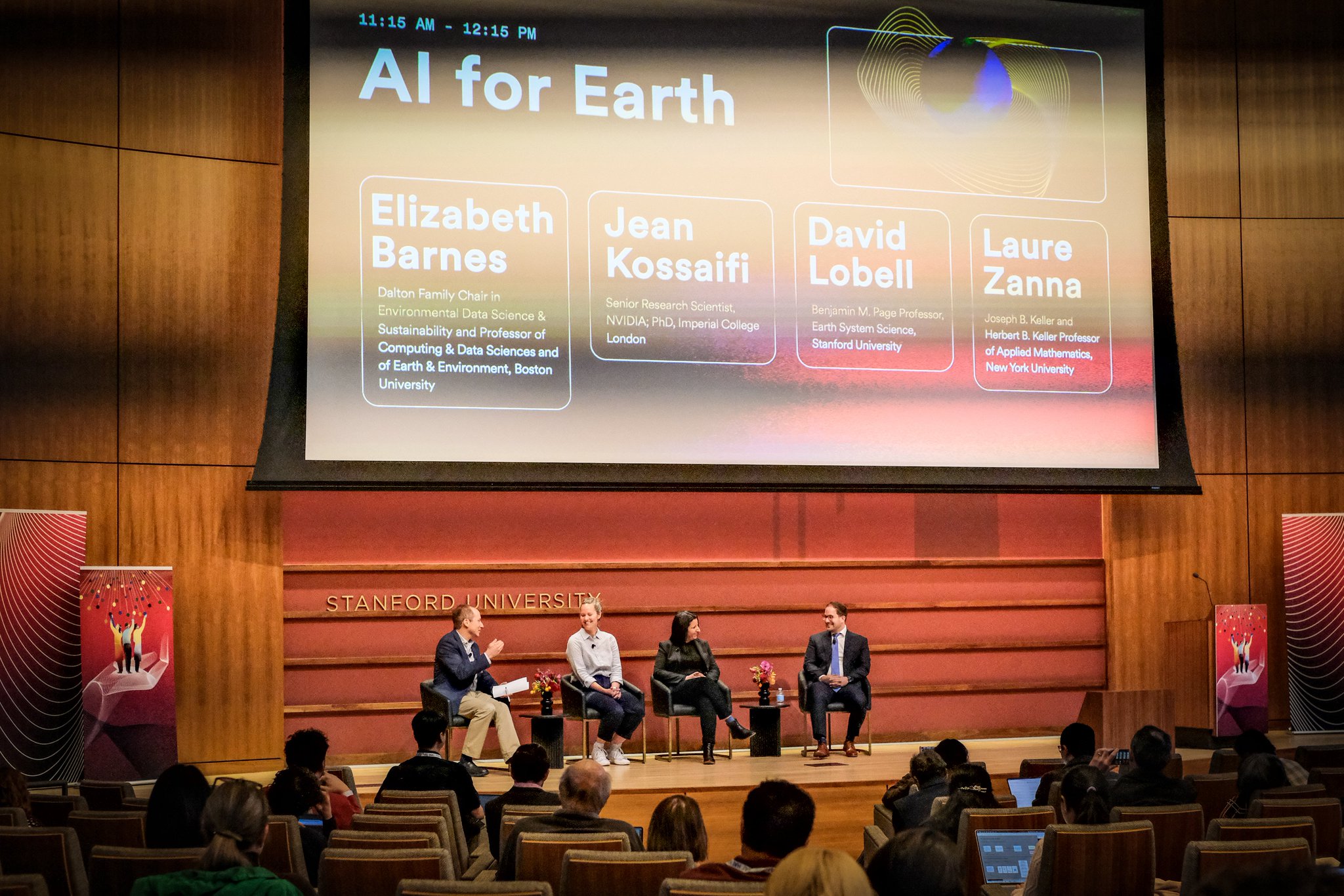
Stanford AI+Science Panel Examines AI for Earth and Climate Challenges
By
–
From ocean dynamics to food security, this AI+Science panel examines how AI is being used to address the biggest challenges in earth, climate, and systems sciences. Join the conversation with @DavidBLobell
, @JeanKossaifi
, and other leading scientists: https://
hai.stanford.edu/events/ai-scie
nce-accelerating-discovery
… -
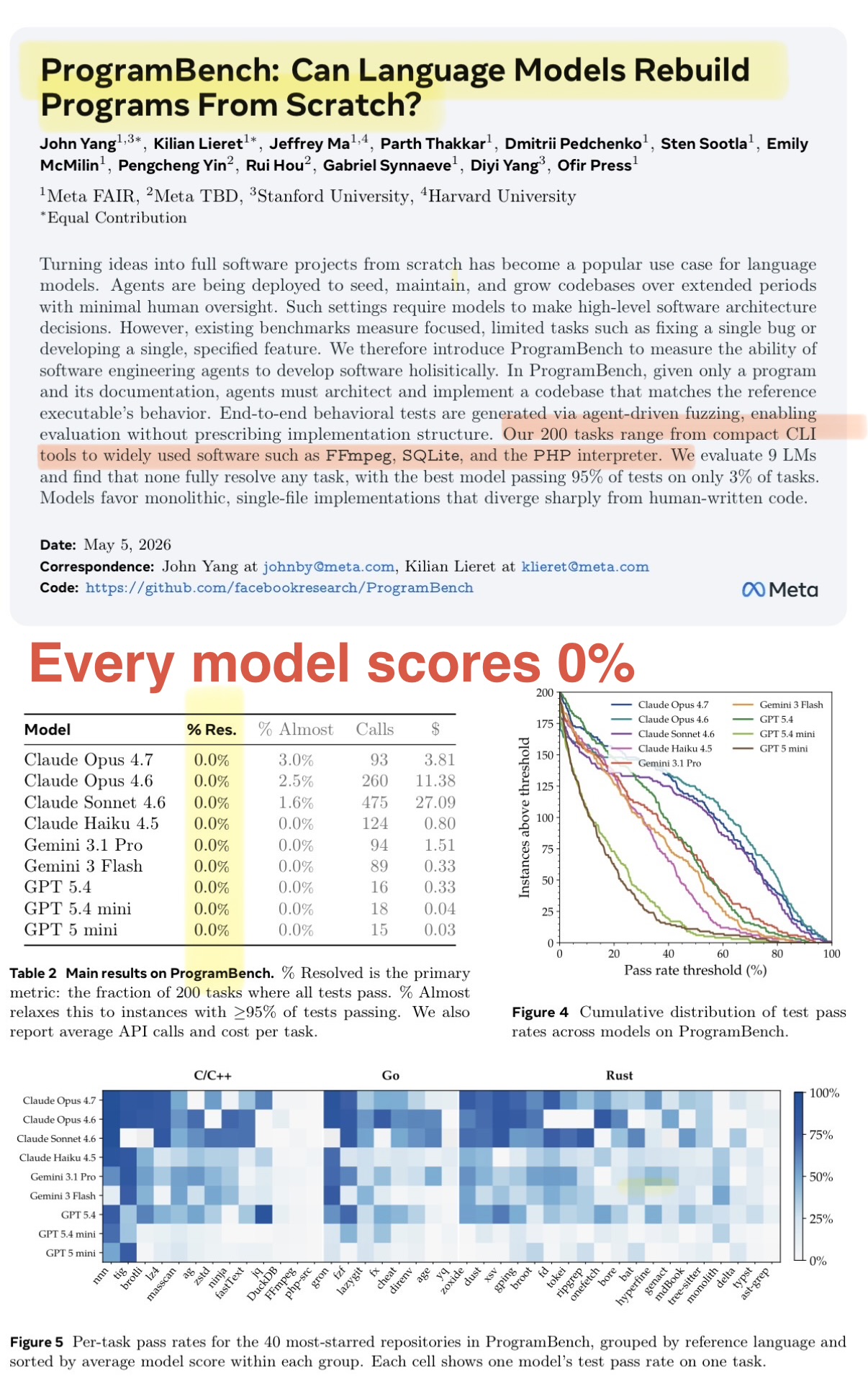
Major LLM Era Release and AI Advancement Discussed
By
–
Some things never change. If you don’t understand this one, you don’t understand what’s happening AI. Marcus, 1998: neural nets have trouble generalizing far beyond the data. Marcus, 2001, 2012, 2019, 2022, etc: neural nets have trouble generalizing far beyond the data. Apple,
-
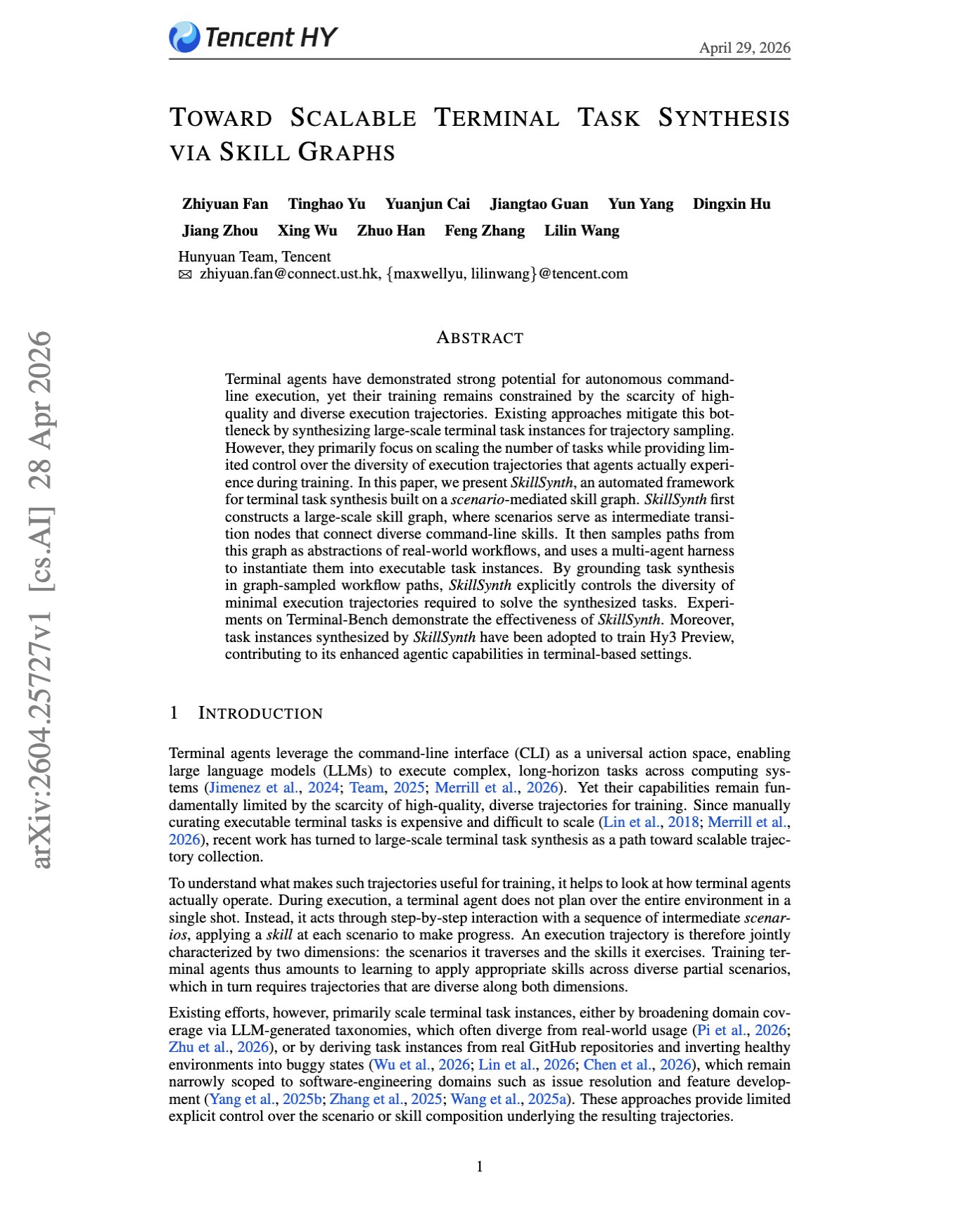
SkillSynth Builds Skill Graphs for Terminal Agent Training
By
–
"Toward Scalable Terminal Task Synthesis via Skill Graphs" Terminal-agent training needs more diverse workflows. This Tencent Hunyuan paper, SkillSynth, builds a graph of terminal scenarios and skills, samples paths through it, then turns those paths into executable tasks. It
-
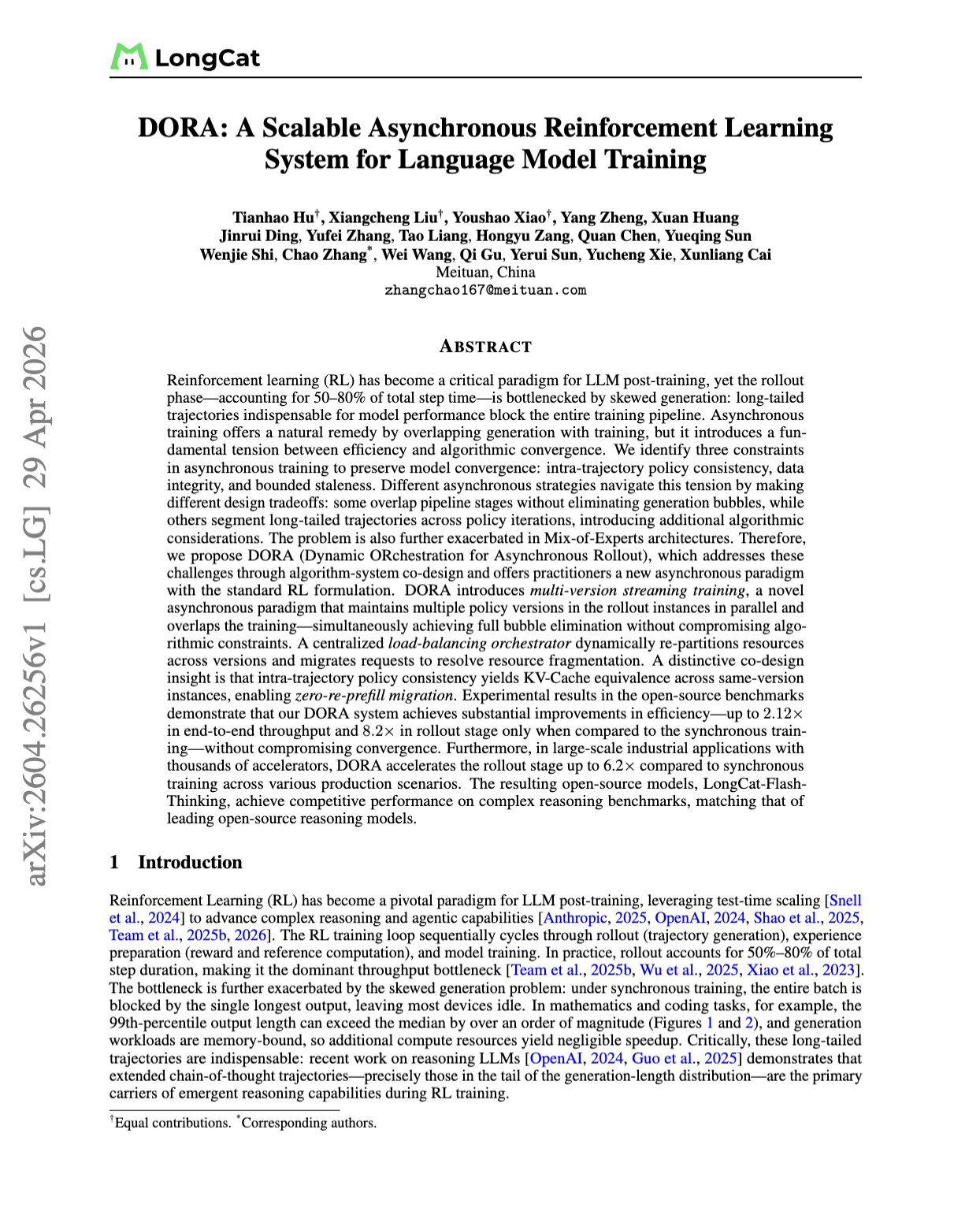
Meituan Longcat Introduces Asynchronous RL for LLM Training
By
–
Asynchronous RL for LLM training. Meituan Longcat fixes the rollout bottleneck from long reasoning traces by keeping multiple policy versions alive at once. Long trajectories can now stay on their original policy, so training can keep moving without dropping samples or breaking
-
Hands-On Simulation Modeling with Python Book Announcement
By
–
I’m with you. A 12-million token context with 1,000x less compute seems too good to be true out of nowhere. Seems like something big labs would throw billions at to get access to.
-
Tailscale and SSH Security: A Two-Factor Breach Scenario
By
–
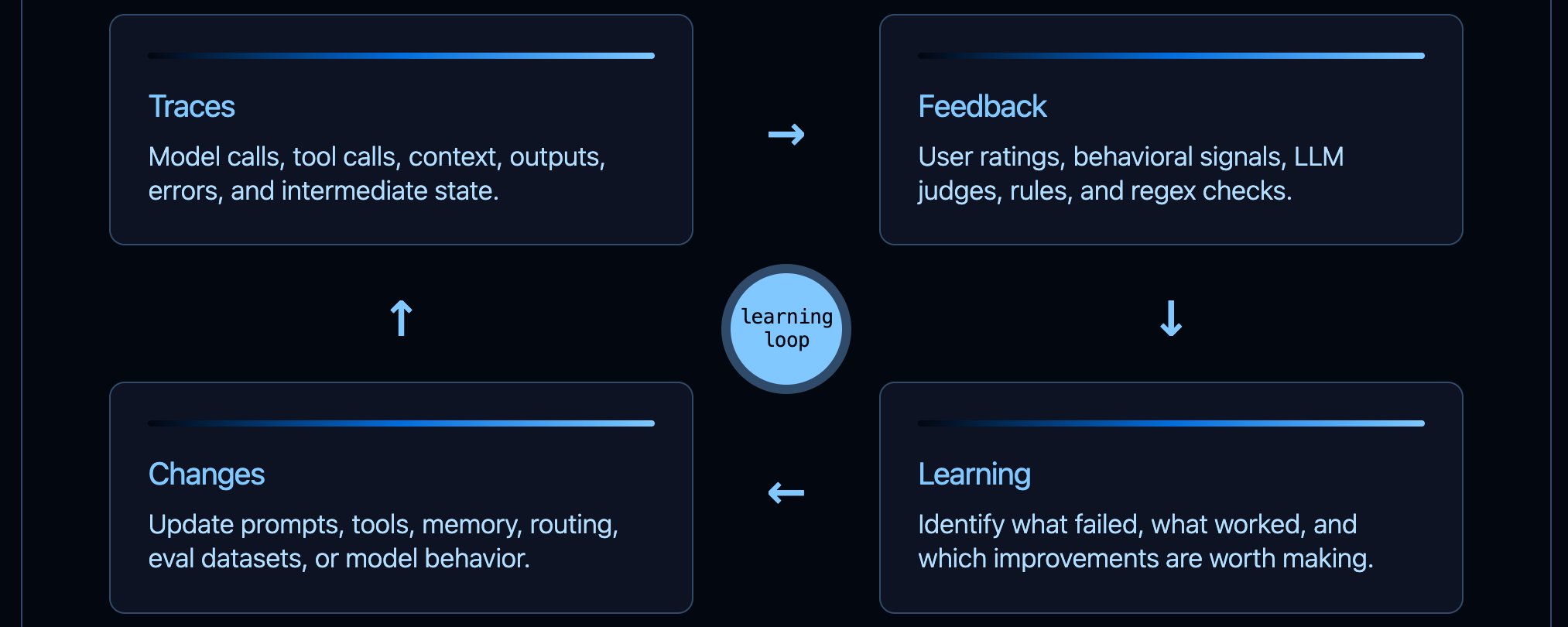
"To get the most out of agent observability, store feedback with your traces. That is what turns agent traces from logs into a learning system."