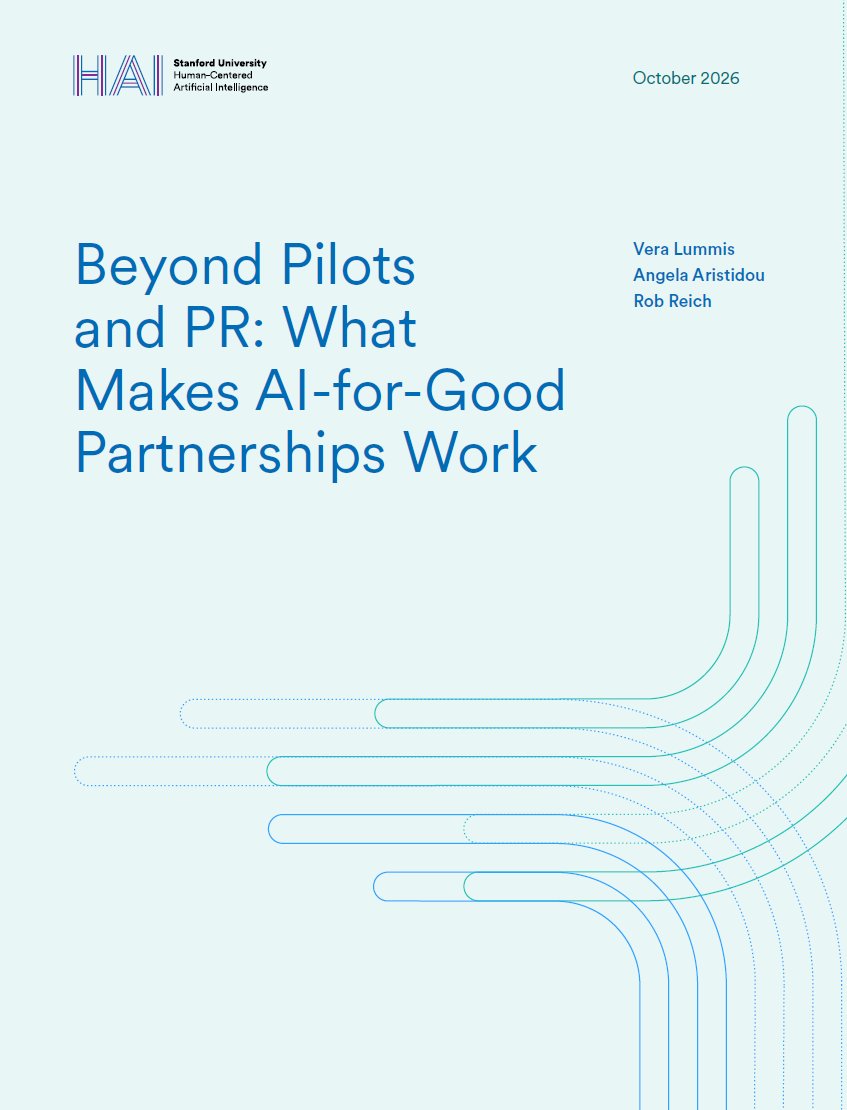
📢 New report: Funders have invested hundreds of millions of dollars to help nonprofits deploy AI for social good with frontier AI labs. But who benefits, and what drives success or failure? Drawing on interviews, our latest report investigates these partnerships:
@stanfordhai
-
Stanford studies question whether AI benchmarks measure what they claim
By
–
Benchmark scores influence which AI models get funded, bought, and regulated. Two new studies from Stanford researchers and collaborators, supported by Stanford HAI, ask whether those tests measure what they claim to. Read more:
-
Stanford HAI’s Landay on shaping AI and keeping people central
By
–
Who shapes AI, and how do you keep people at the center of it? Stanford HAI Denning Director James Landay (
@landay
) spoke with Imagination in Action about educating lawmakers, working with industry while staying independent, and what the AI Index shows beyond the headlines: -
Stanford HAI report recommends updates to California frontier AI transparency law
By
–
What does responsible AI regulation look like? In a new report, Stanford HAI Associate Director Rob Reich and UC Berkeley's Deirdre K. Mulligan offer recommendations for updating California's frontier AI transparency law, from redefining "frontier models" to expanding incident
-
How AI Closed the Gap in Driverless Car Technology
By
–
In 2018, Stanford experts said driverless cars were 90 percent of the way there. The remaining 10 percent meant handling fog and rain, inconsistent road markings, and safe decision-making. Stanford HAI Faculty Affiliate @drmapavone explains how AI helped close that gap. Via
-
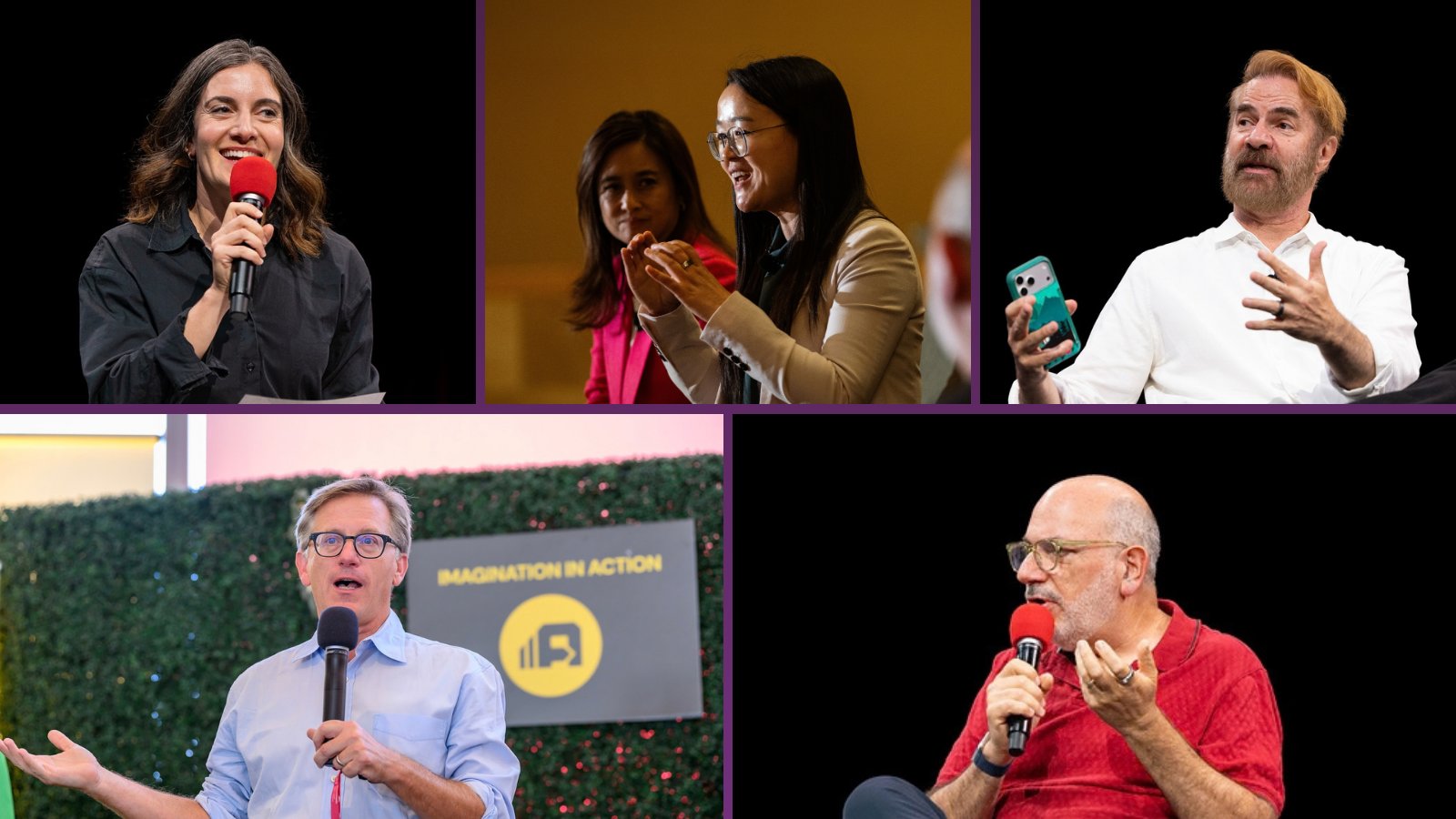
Stanford HAI faculty at Imagination in Action AI event
By
–
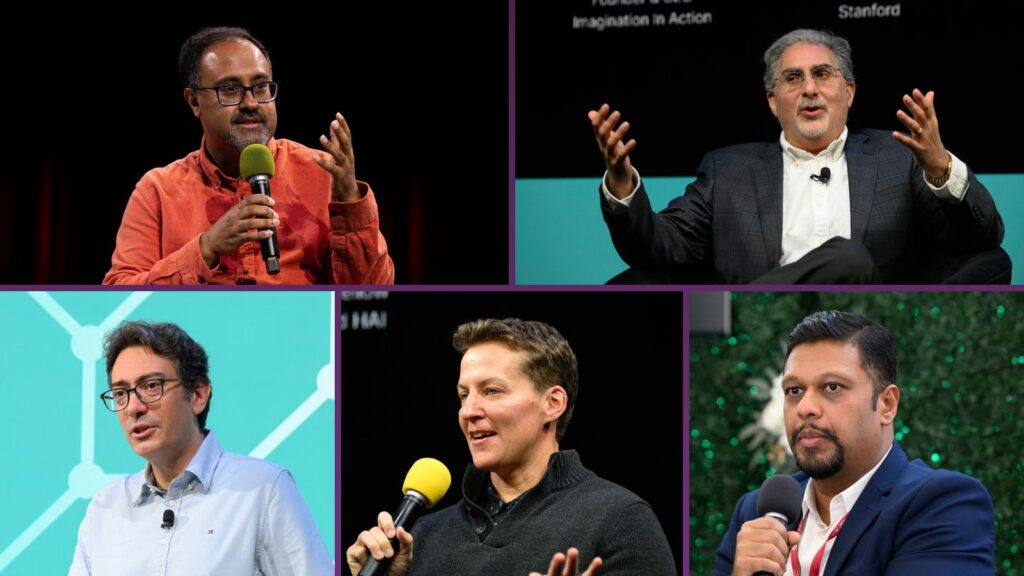
It was wonderful to see so many Stanford HAI faculty and leaders take part in Imagination in Action this month at the Google Bay View campus. We heard so many important conversations and research updates in AI, from scientific discovery and robotics to governance and the future
-

Stanford AI adds realistic personalities to train crisis workers
By
–
Stanford scholars developed a new way of adding human differences back into AI-generated text. With more realistic personalities, AI can simulate patients with specific symptom profiles for training crisis-line workers and clinicians. https://
hai.stanford.edu/news/todays-ai
-talks-like-nobody-new-research-gives-it-real-personality
… -
Class of 2026 faces AI hiring bias and systemic rejection
By
–
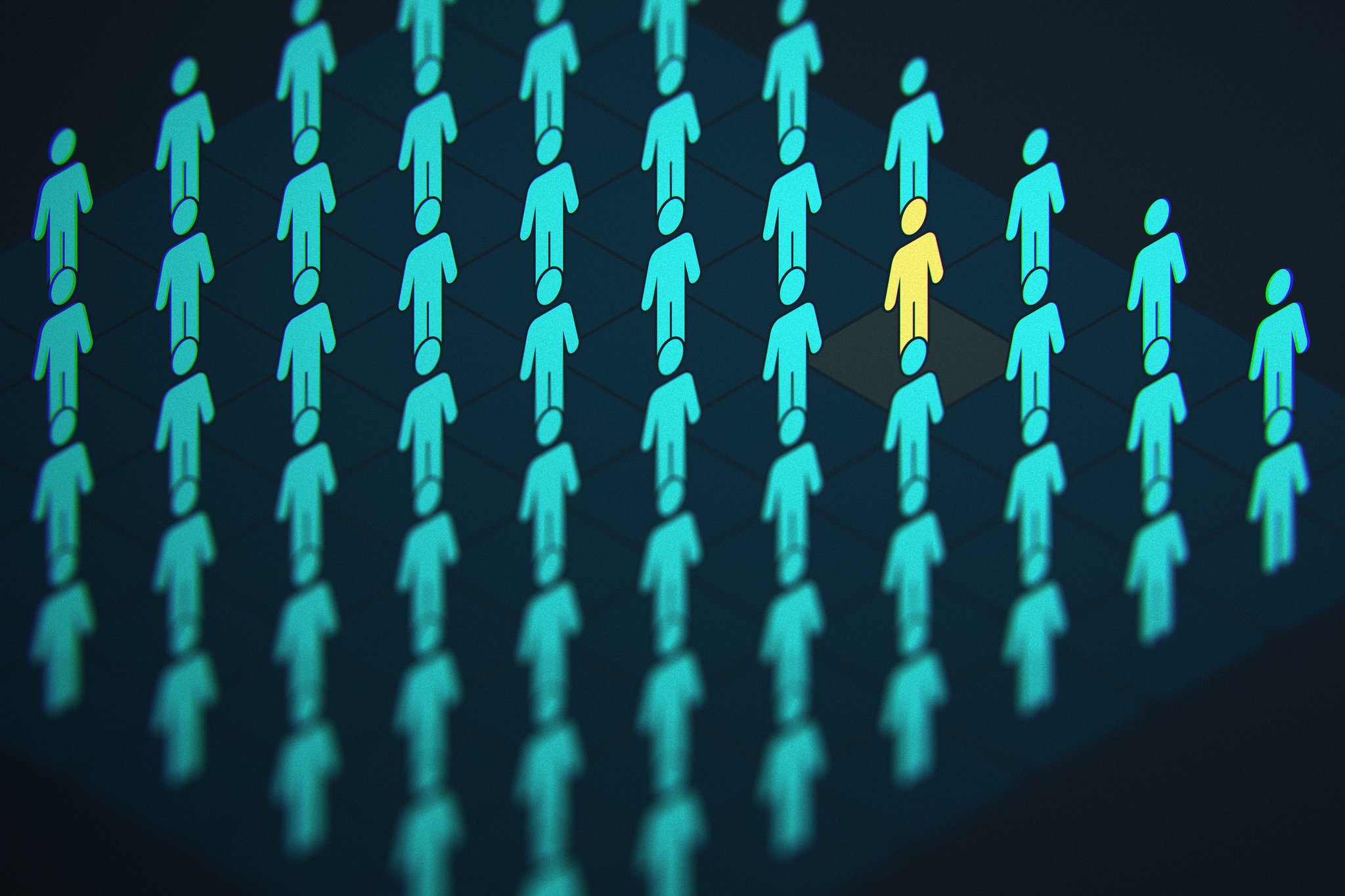
The Class of 2026 is entering one of the toughest labor markets in years. With 90% of U.S. employers using AI screening tools, what is the impact on job seekers? This study of hiring algorithms finds concerning patterns of systemic rejection: https://
hai.stanford.edu/news/ai-hiring
-tools-can-yield-racial-bias-and-systemic-rejection
… -

Stanford HAI study evaluates AI chatbots as news intermediaries
By
–
Can AI chatbots be trusted as news intermediaries? A new study partially supported by @StanfordHAI evaluates the promise and risks of consuming today’s headlines through AI. @james_y_zou @suzgunmirac https://
hai.stanford.edu/news/reading-t
odays-headlines-through-ai-a-real-time-audit-of-six-commercial-chatbots
… -

Stanford HAI leverages LLMs for workplace social skills training
By
–
Can we leverage AI for workplace social skills training? @StanfordHAI faculty affiliate @Diyi_Yang and her team developed a framework to help professionals improve their conflict resolution, peer counseling, and therapy skills using LLMs. https://
hai.stanford.edu/news/using-llm
s-to-improve-workplace-social-skills
…