
If I had to choose just one metric, I'd argue that the KV-cache hit rate is the single most important metric for a production-stage AI agent. – Manus AI prompt caching is important! read about how we do it with deep agents
SYSTEMS
-
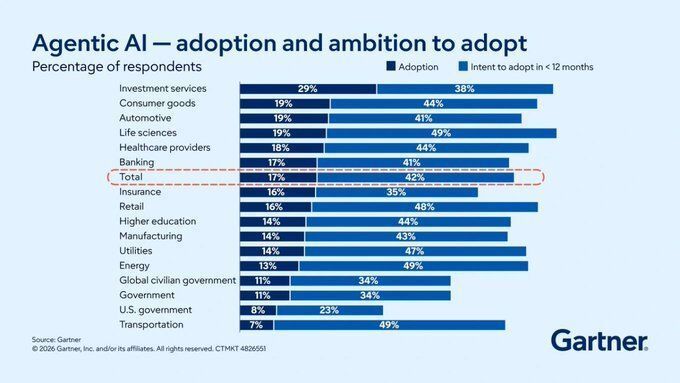
AI agent delays shift from code to coordination as platforms converge
By
–
Enterprise platforms converge on data, models and orchestration layers. Choices on architecture now steer how fast AI agents act across processes, so delays shift from code to coordination. Source @Gartner_inc Link https://
gtnr.it/4tKg5vC via @antgrasso -
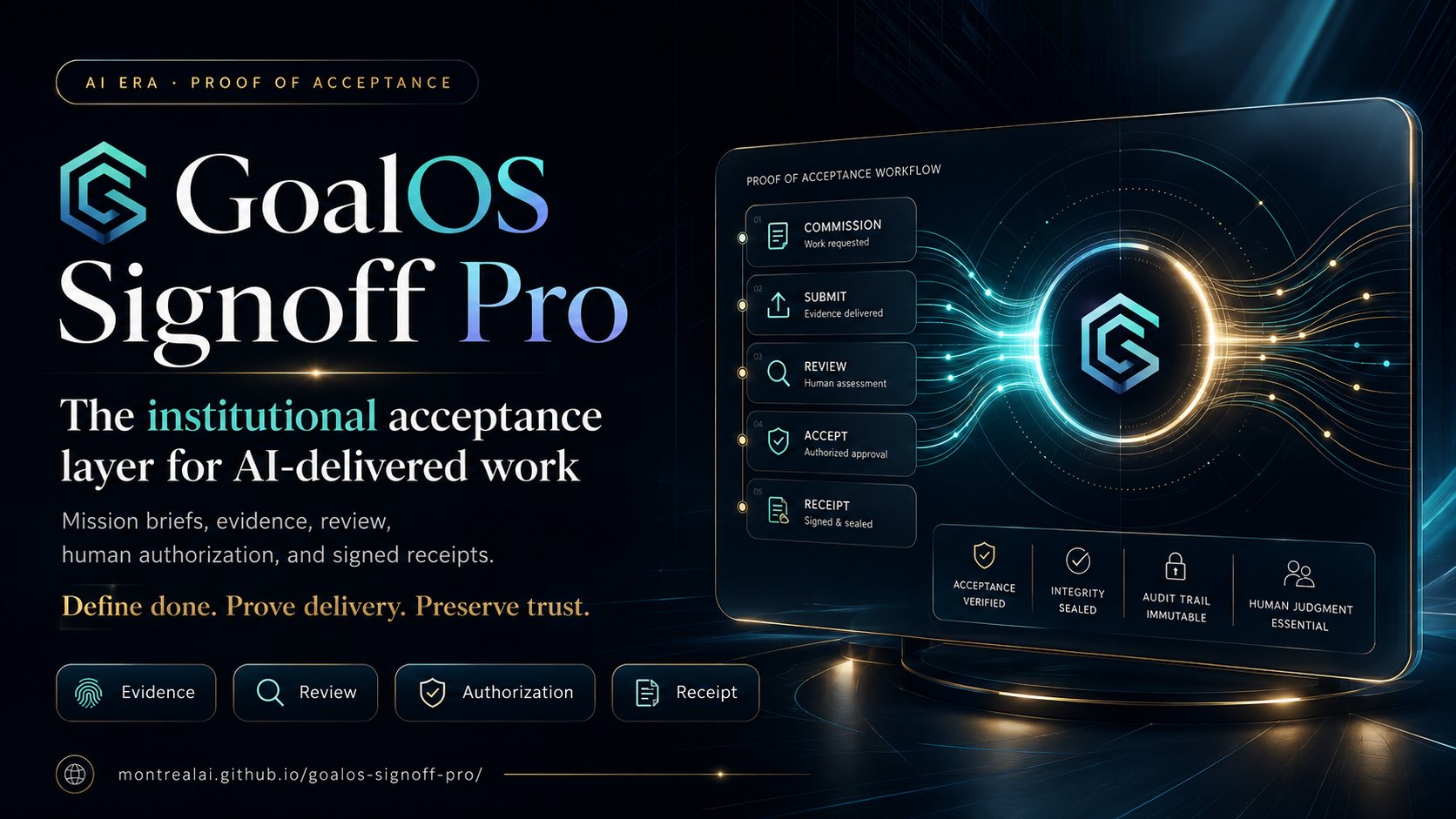
GoalOS Signoff Pro: Institutional Acceptance for AI Work
By
–
The AI era needs proof of work. GoalOS Signoff Pro is the institutional acceptance layer for AI-delivered work: mission briefs, evidence, review, human authorization, and signed receipts. Define done. Prove delivery. Preserve trust. Website: https://
montrealai.github.io/goalos-signoff
-pro/
… -
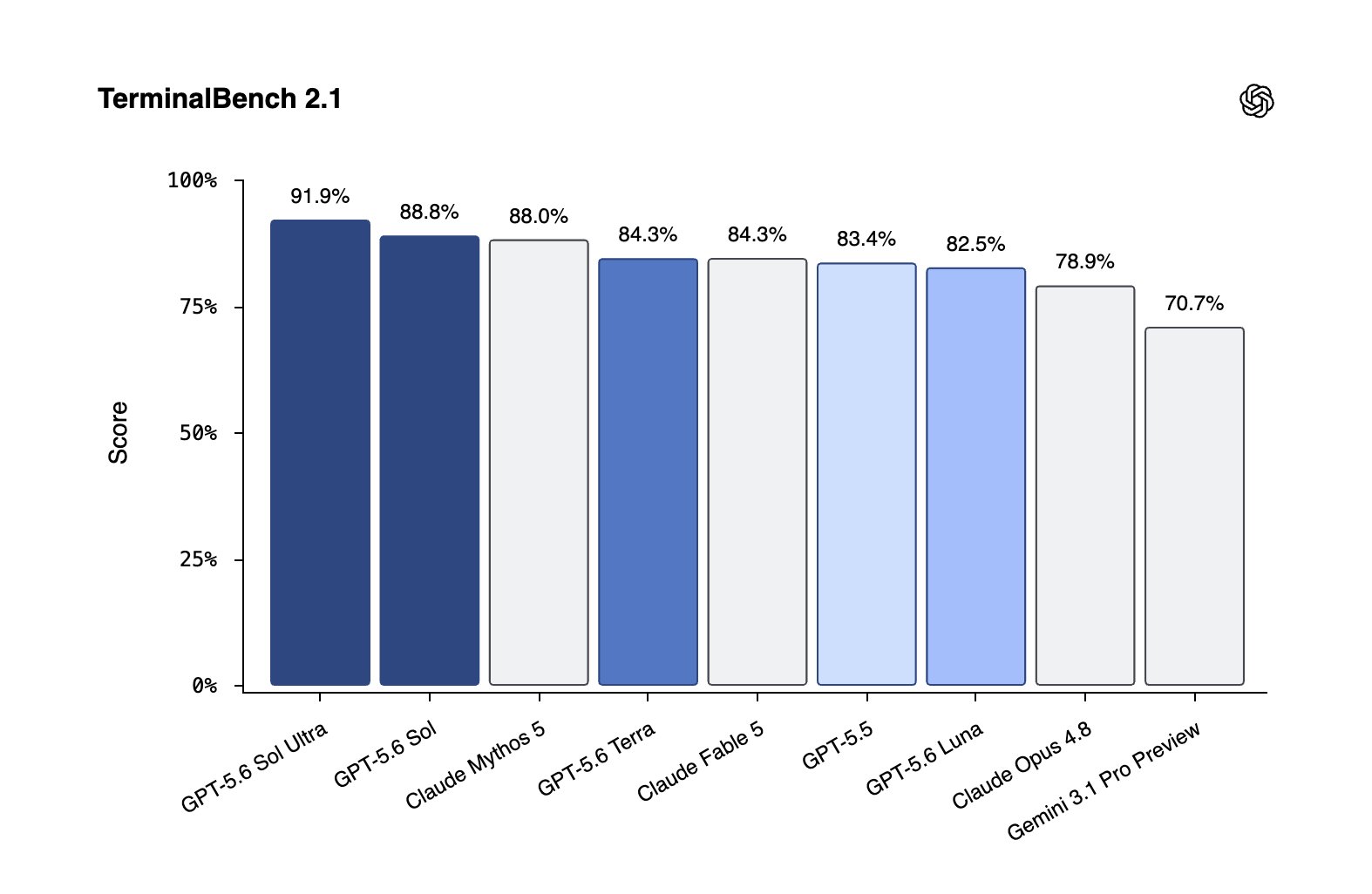
GPT-5.6 Sol sets new state-of-the-art on Terminal-Bench 2.1
By
–
GPT‑5.6 Sol sets a new state of the art on Terminal‑Bench 2.1, which tests complex command-line workflows requiring planning, iteration, and tool coordination.
-
Super Nori: Proactive Family AI Agent for Home Coordination
By
–
Everyone's betting the future of AI on autonomous agents for work and nobody is talking about what happens at home.
— Robert Scoble (@Scobleizer) 26 juin 2026
That's where Super Nori is heading. A Proactive Family AI Agent designed specifically around how messy and unstructured family coordination actually is instead of… https://t.co/OK8h10mV02 pic.twitter.com/Zaf2ohNDO5Everyone's betting the future of AI on autonomous agents for work and nobody is talking about what happens at home. That's where Super Nori is heading. A Proactive Family AI Agent designed specifically around how messy and unstructured family coordination actually is instead of
-
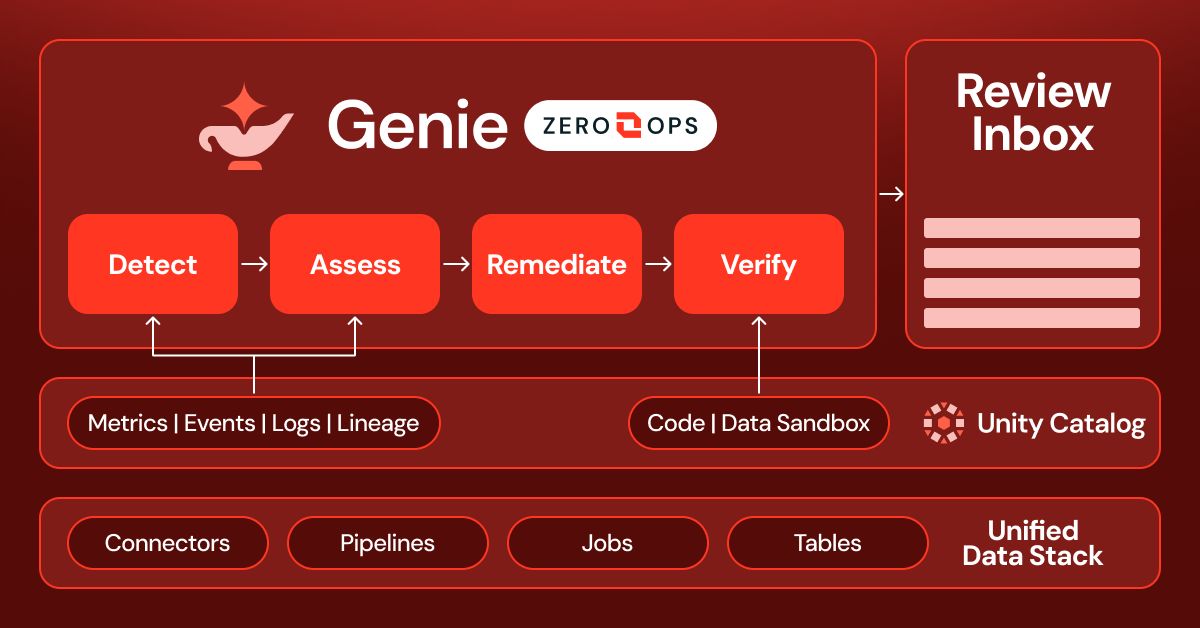
Genie ZeroOps: AI agent monitors production workloads and suggests fixes
By
–
We recently announced Genie ZeroOps, a new AI background agent that monitors your production workloads, investigates issues, and suggests fixes. As organizations deploy more pipelines, models, dashboards, and apps, maintaining production workloads has become a growing
-
Heterogeneous disaggregated inference is the future of AI
By
–
Training builds models. Inference builds businesses. At @deeptechweek SF, our Chief Product & Strategy Officer Abhi Ingle shared why heterogeneous, disaggregated inference is the future of AI, and why "more intelligence per joule" is the metric that matters. @LipBuTan1
-
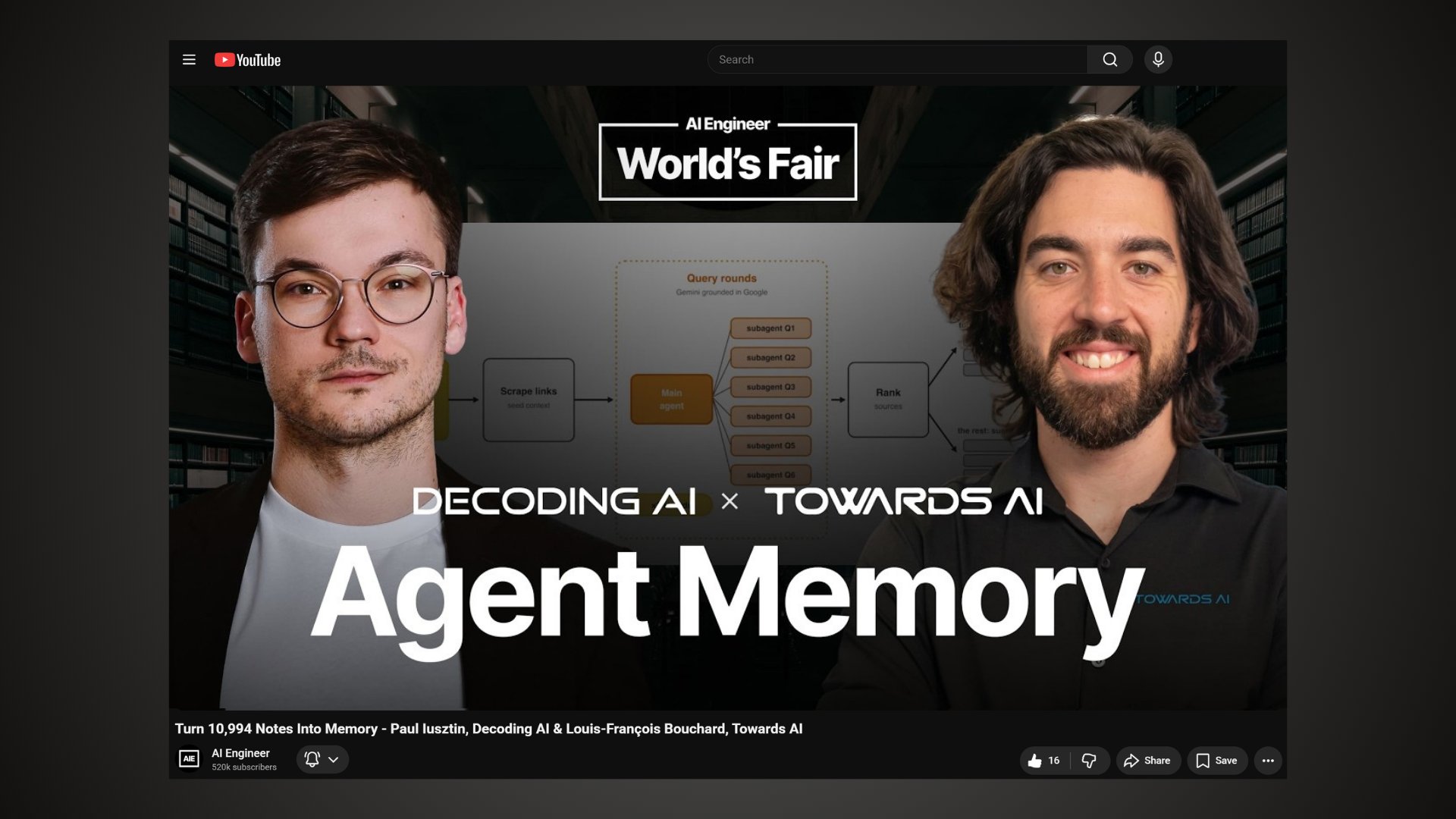
One memory for all 10,000+ notes in structured form for AI agents
By
–
Our talk just got selected as a keynote for the AI Engineer World's Fair 2026. So I want to share what @pauliusztin_ and I built: one memory for all 10,000+ of our notes. Everything I've learned and saved now lives in one structured memory my agents can actually use. It takes
-
HyperExtract: LLM framework converting unstructured text to knowledge
By
–
/4 HyperExtract turns messy documents into actual knowledge systems. It is an LLM-powered framework for converting unstructured text into strongly typed Knowledge Abstracts. It can extract simple lists, Pydantic models, knowledge graphs, hypergraphs, and spatio-temporal graphs.
-
RMUX: True multiplexer for agent-based workflows with dynamic panes
By
–
3/ because RMUX is a true multiplexer first, you aren't just launching a fragile web wrapper. You get a real environment perfectly designed for modern, agent-based workflows. → Safely inspect long-running AI shells
→ Resize splits and manage panes dynamically
→ Share