
“No question, I’m an optimist.” “I’m really pleased we’re having a rich discussion and rich scrutiny on AI safety.” “That’s a very healthy thing.” “When it’s all one-sided and moving fast, it’s problematic.” Cc @satyanadella
SAFETY
-
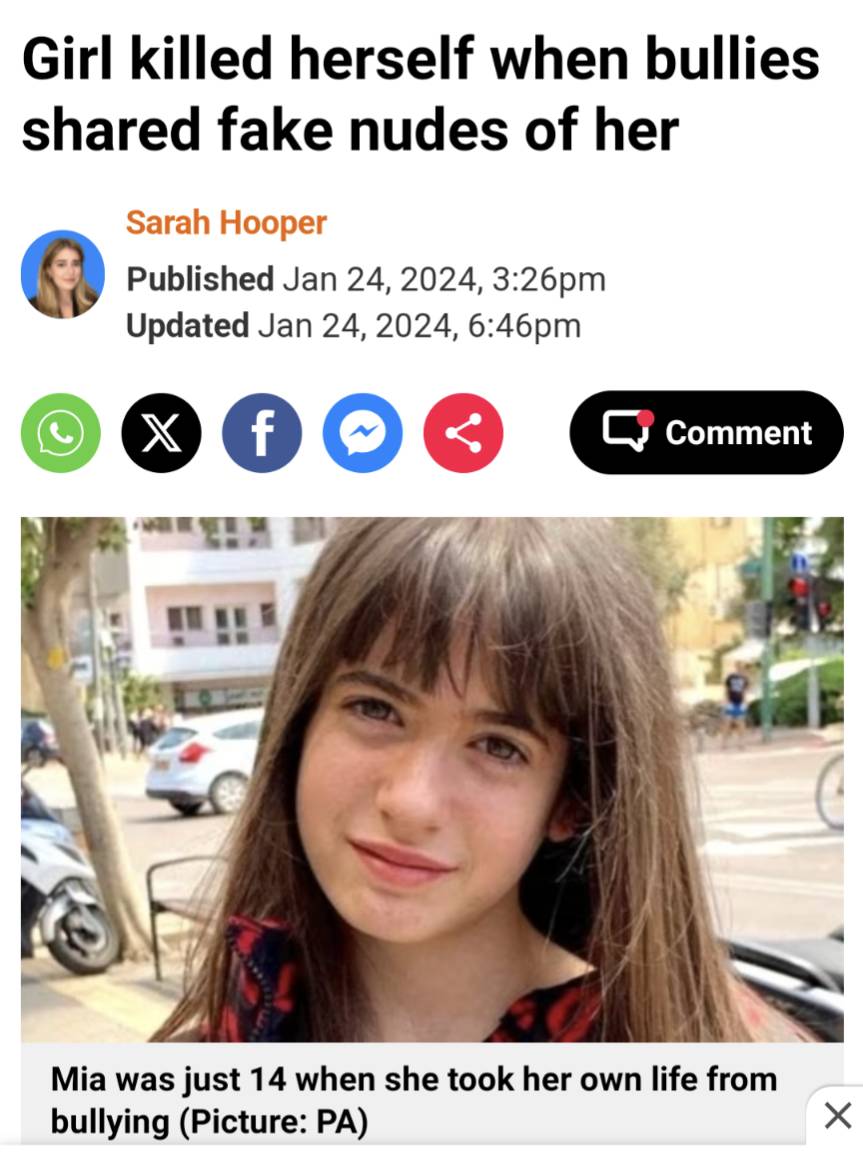
Proliferation of Nudifying Apps Raises Ethical Concerns
By
–
Thanks for clarifying. Not sure why they wrote about it in 2024, but you're right there are dozens of nudifying / undressing apps now — so likely not going to get better in the short term.
-
Child Abuse Material in AI Image Datasets: German Legal Framework
By
–
These applications are powered by child abuse material that's been reported in popular image datasets. Thousands of illegal photos ensure generated nudes are realistic. In Germany, multiple (if not all) stages of this generative abuse pipeline fall under criminal law.
-
Musk’s PR Strategy for Invasive Brain Device Challenges Ethics
By
–
Yes, Musk & co. are carefully planning and executing the PR for their invasive device to get around the reluctance you see. Since that started, I'm sure they'll find more volunteers among the techno-optimist crowd.
-

Can AI Follow Rules Effectively? Prompt Engineering Insights
By
–
Does instructing the bot in "Rules for AI" work?
-
Fine-Tuning Foundation Models: New Safety Risks Emerge
By
–
When users of foundation models customize them through a process called fine-tuning, new safety risks emerge. Read the HAI Policy Brief:
-
WHO Releases Guidance on Ethics and Governance of Large Multimodal Models
By
–
WHO is releasing new guidance on the ethics and governance of large multi-modal models(LMMs). #AI #GenerativeAI #Data #ML #health #LMMs #ethics #AIgovernance #technews #tech #healthcare https://
bit.ly/3u45mCq -
Concerning prompt engineering results spark worry
By
–
I shudder to think what prompt they put in to get that…
-
Public Concerns Rise Over Autonomous Weapons Development
By
–
Exactly. People are freaking about autonomous weapons.
-
Study reveals widespread hallucinations in legal LLM tasks
By
–
Until recently, the evidence as to the extent of legal hallucinations has been largely anecdotal. A new study finds disturbing and pervasive errors among three popular large language models on a wide range of legal tasks: