Highly recommend reading this guest post by theoretical physicist Matthew Schwartz to get a sense of how AI is helping science. He found Opus 4.5 to be roughly the level of a second-year grad student and it helped him accelerate his research by 10x.
RESEARCH
-
Learning Breadth Challenge in Modern Math and Physics
By
–
Solving particular *problems* in Math or theoretical Physics usually requires a very high level of familiarity with similar problems and techniques. The problem in modern math/physics is that it's very hard for any individual to haver a wide enough learning to be able to sift
-
Snorkel AI Launches BenchTalks Podcast on AI Benchmarks and Evals
By
–
Coming soon: BenchTalks—a candid podcast series by Snorkel AI on benchmarks, AI evals, and frontier research. 👀🎙️ pic.twitter.com/BiuFUzrh2a
— Snorkel AI (@SnorkelAI) 23 mars 2026Coming soon: BenchTalks—a candid podcast series by Snorkel AI on benchmarks, AI evals, and frontier research. 👀🎙️
→ View original post on X — @snorkelai, 2026-03-23 21:50 UTC
-
NeurIPS 2026 Announces Satellite Events in Paris and Atlanta
By
–
Following the success of the EurIPS and NeurIPS-Mexico City pilots in 2025, we are thrilled to announce two official NeurIPS 2026 satellite events for this year! These will be held in Paris, France and Atlanta, USA, respectively, running alongside the main venue in Sydney, Australia. Both satellite events will feature keynotes, oral and poster presentations of accepted NeurIPS 2026 papers, as well as workshops. We are planning tutorials, affinity events, and other elements for the satellite sites and we'll share more information as planning advances. Wherever you choose to join us, the entire NeurIPS organizing committee is working hard to deliver an outstanding experience for the whole community! neurips.cc/
→ View original post on X — @hugo_larochelle, 2026-03-23 20:58 UTC
-
Single Agent Sequentially Models Early Universe Step by Step
By
–
Models keep improving on long-horizon tasks, but splitting work across many agents doesn’t suit every problem. We walk through the setup for a single agent working sequentially on a task where mistakes compound: modeling the early universe. Read more:
-
Anthropic Launches Science Blog for AI Research
By
–
Introducing the Anthropic Science Blog. Increasing the pace of scientific progress is a core part of Anthropic’s mission. The Science Blog will feature new research and stories of how scientists are using AI to accelerate their work. Read the intro:
-
Can AI Accelerate Theoretical Physics Research?
By
–
We’re launching with two new posts. Can AI do theoretical physics? Harvard physicist Matthew Schwartz led Claude Opus 4.5 through a graduate-level calculation. AI can’t yet do original work autonomously, but it can vastly accelerate it. Read more:
-
Domino Data Lab Showcases Modern SCE for Clinical Development
By
–
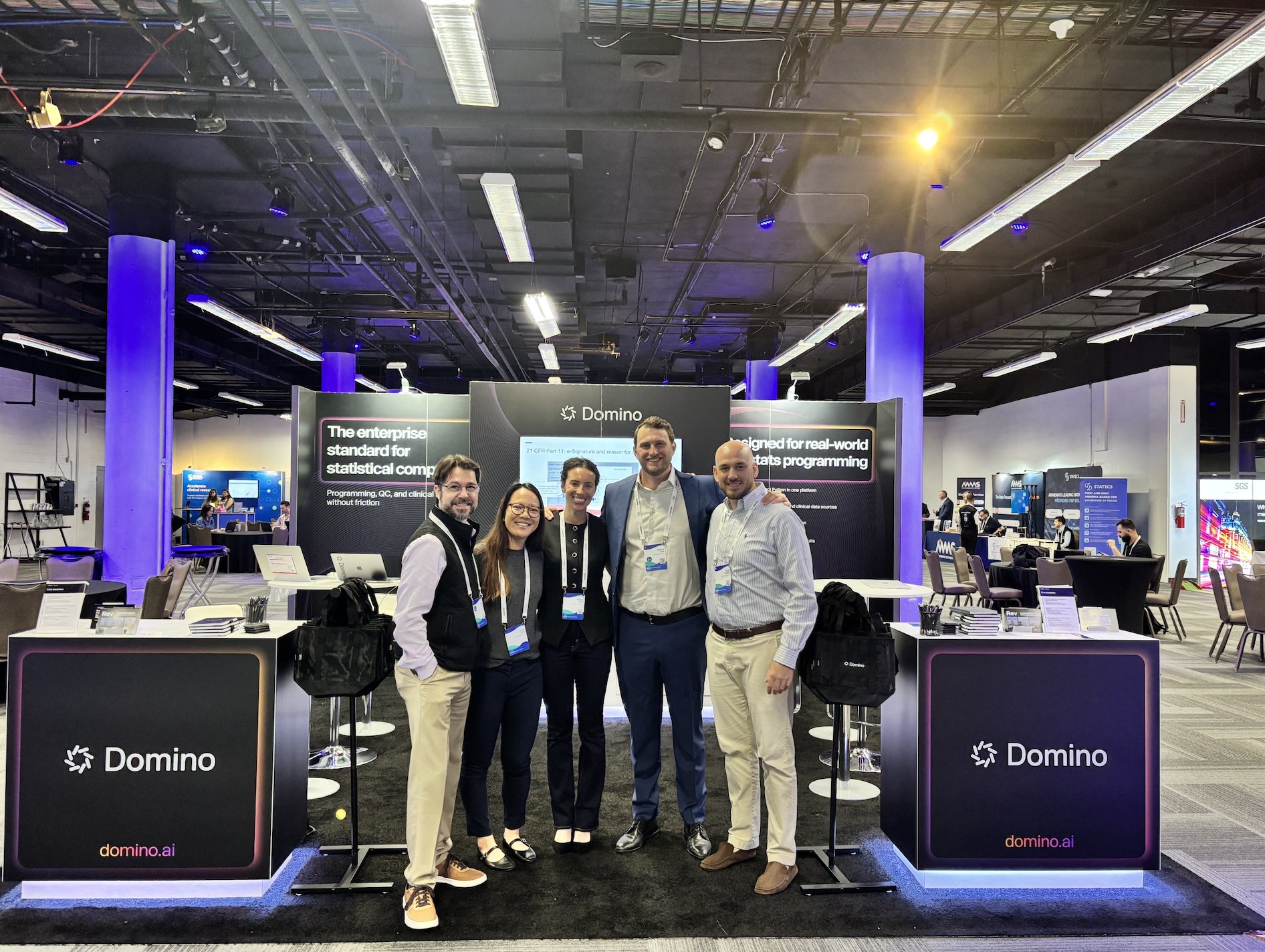
Find Domino Data Lab at Booth #1. We're running live demos showing how Domino accelerates clinical development as the modern SCE. Stop by to see how we help teams scale analytics and AI across discovery, clinical, and regulatory workflows.
Find out more: https://
hubs.ly/Q047XdCQ0 -
Stanford: Training AI to Collaborate Creatively with Artists
By
–
When will AI models become useful creative collaborators? Not until artists and AI share a conceptual grounding for visual content. See how @Stanford researchers are approaching this problem: hai.stanford.edu/news/stanfo… [Translated from EN to English]
→ View original post on X — @stanfordhai, 2026-03-23 20:03 UTC
-
The Importance of Testing the Best Available AI Models
By
–
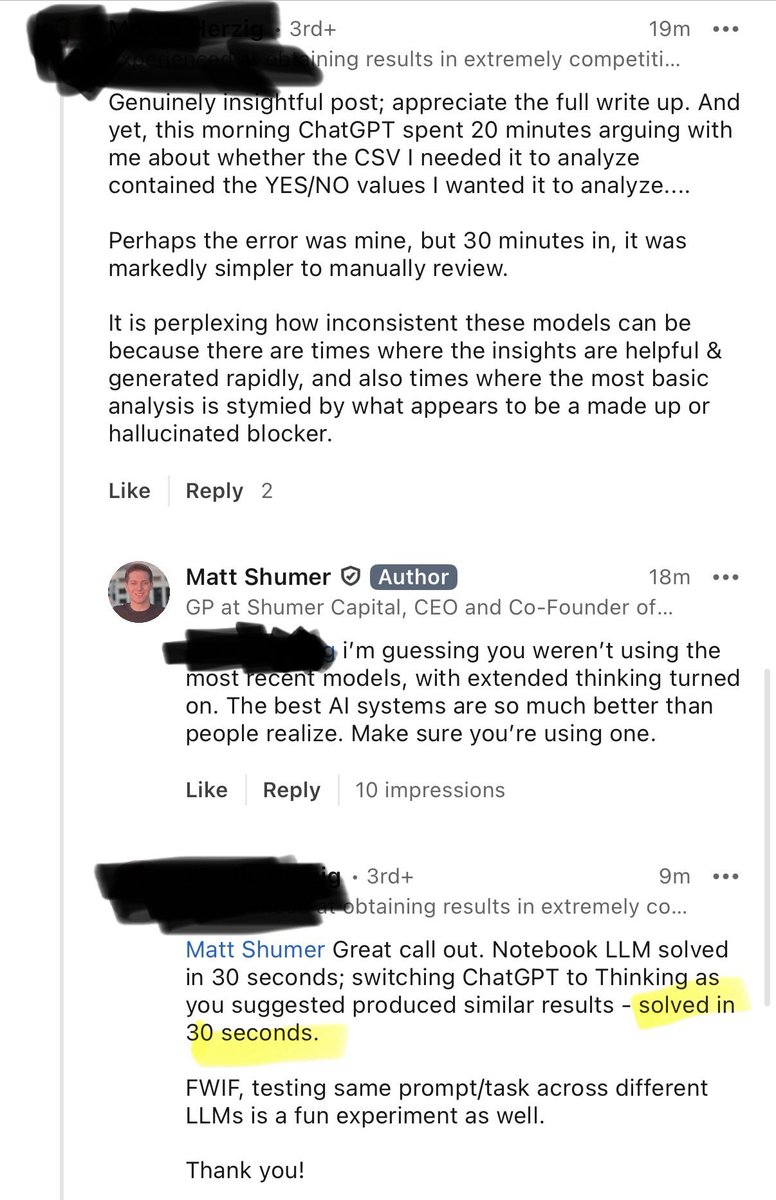
Almost every time someone tells me they've had a bad experience with AI, it turns out that they were just using a crappy model. TRY THE BEST MODELS AVAILABLE! Otherwise, your view of what AI can do won't match reality. This is just one example. [Translated from EN to English]
→ View original post on X — @mattshumer_, 2026-03-23 19:10 UTC