there is definitely some barrier to entry but it seems much lower for AI compared to other fields, like astronomy, physics, chemistry, drug discovery, surgery, etc
RESEARCH
-

Companion to The Self-Assembling Brain Neural Networks
By
–
Nice companion to “The Self-Assembling Brain: How Neural Networks Grow Smarter”
-
LLM evaluation needs ten times more smart people working on it
By
–
Ten times more smart people should work on LLM evaluation now!
-

Open-Reasoner-Zero: Scaling Reinforcement Learning on Base Models
By
–
Open-Reasoner-Zero: An Open Source Approach to Scaling Up Reinforcement Learning on the Base Model Hu et al.: https://
arxiv.org/abs/2503.24290 #ArtificialIntelligence #DeepLearning #MachineLearning -
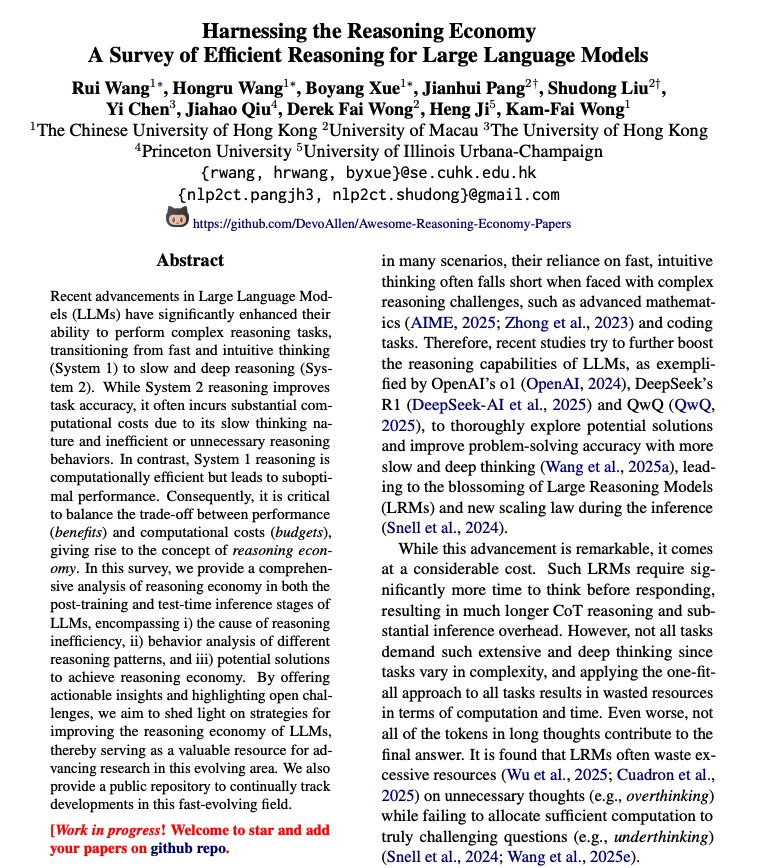
Efficient Reasoning in LLMs: Balancing Performance and Cost
By
–
9). A Survey of Efficient Reasoning for LLMs This survey focuses on reasoning economy in LLMs, analyzing how to balance deep reasoning performance with computational cost.
-
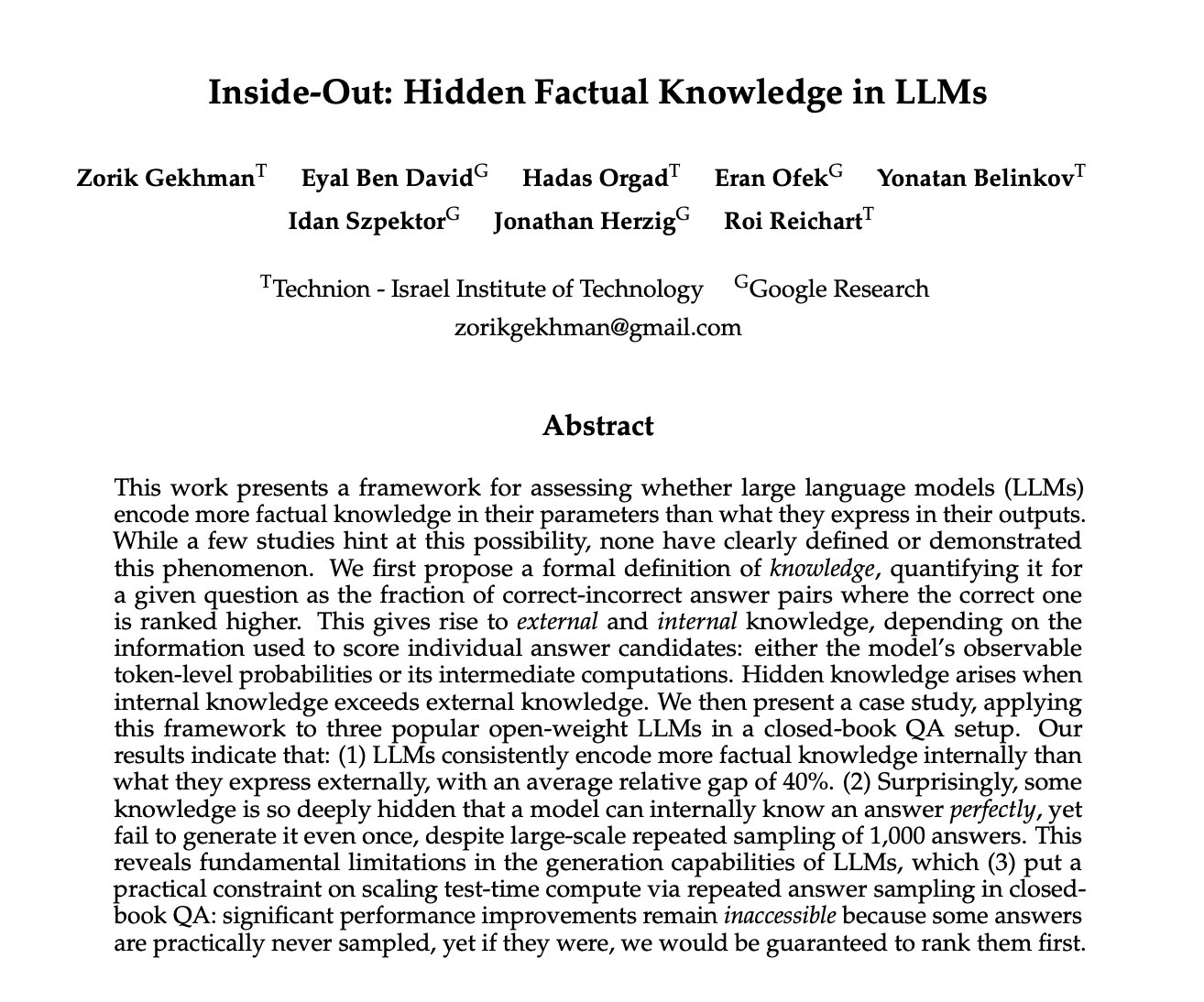
Hidden Factual Knowledge Encoded in Large Language Models
By
–
10). Hidden Factual Knowledge in LLMs This study introduces a framework to measure hidden knowledge in LLMs, showing that models encode significantly more factual information internally than they express in outputs, up to 40% more.
-
Z1: Dynamic Reasoning Method Makes LLMs More Compute-Efficient
By
–
8). Z1 Z1 is a new method for making LLMs more compute-efficient at test time, especially during reasoning. It train LLMs with short and long code-based reasoning trajectories, and then dynamically adjusts reasoning depth during inference.
-
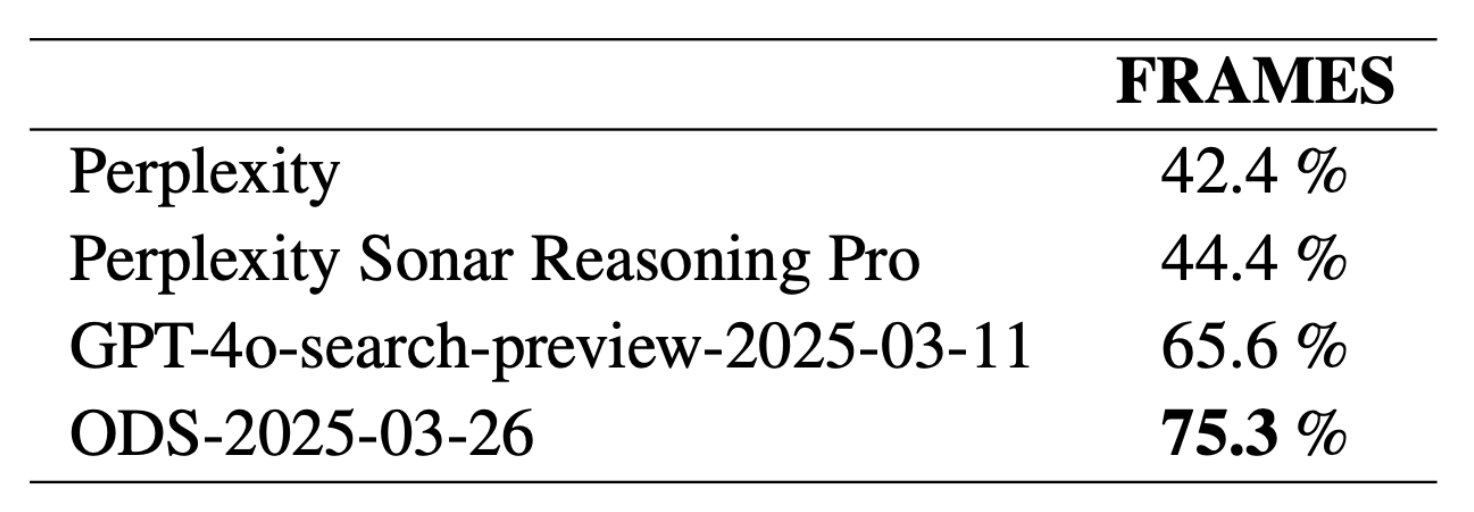
Open Deep Search: Open-Source AI Search Framework Rivals GPT-4o
By
–
7). Open Deep Search Introduces Open Deep Search (ODS), an open-source search AI framework that rivals top proprietary systems like GPT-4o Search Preview and Perplexity Sonar.
-
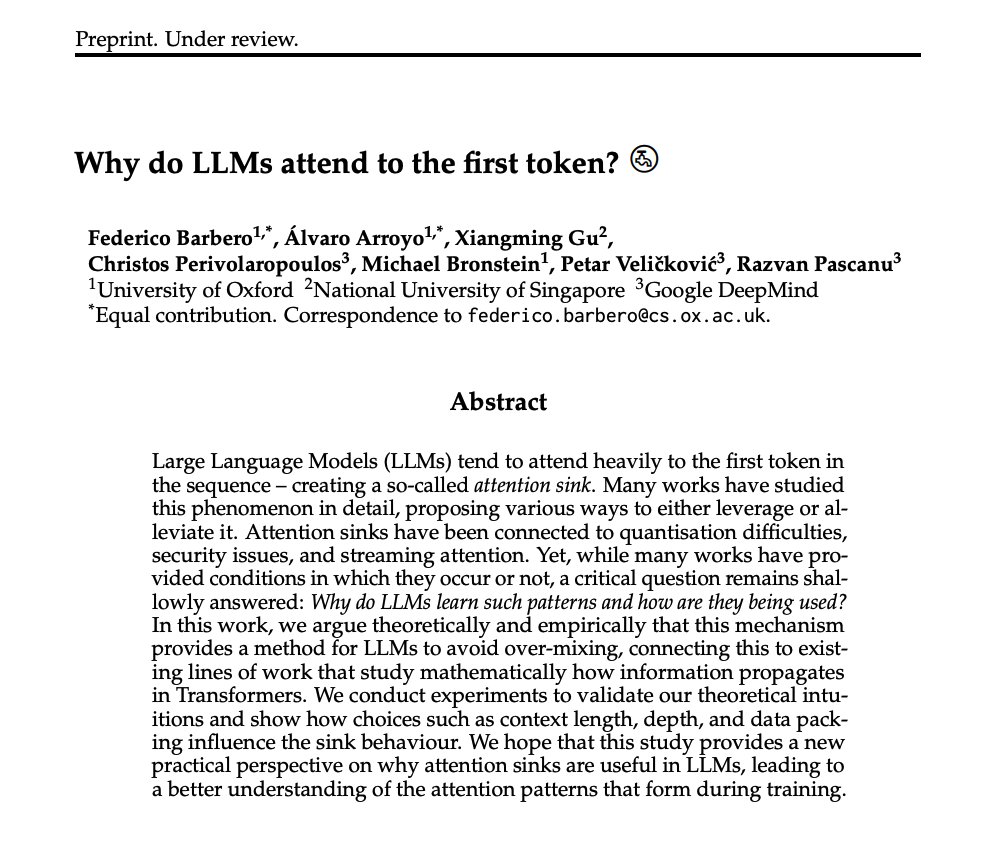
Why LLMs Focus Attention on First Token
By
–
5). Why do LLMs Attend to First Token? This new paper explains why LLMs obsessively focus attention on the first token — a phenomenon known as an attention sink.
-
CodeScientist: AI System Autonomously Generates Tests Scientific Hypotheses
By
–
3). CodeScientist Researchers at AI2 release CodeScientist, a system that autonomously generates and tests scientific hypotheses via code-based experimentation.