Elsevier’s “Researcher of the Future Report” reveals that while 58% of #researchers use #AI tools for work, 45% feel undertrained in AI. Even so, researchers identify the benefits of AI, with 58% of #researchers saying it saves them time. https://
bit.ly/3WWIQpV
#Elsevier
RESEARCH
-
Researchers Adopt AI Tools Despite Training Gaps
By
–
-
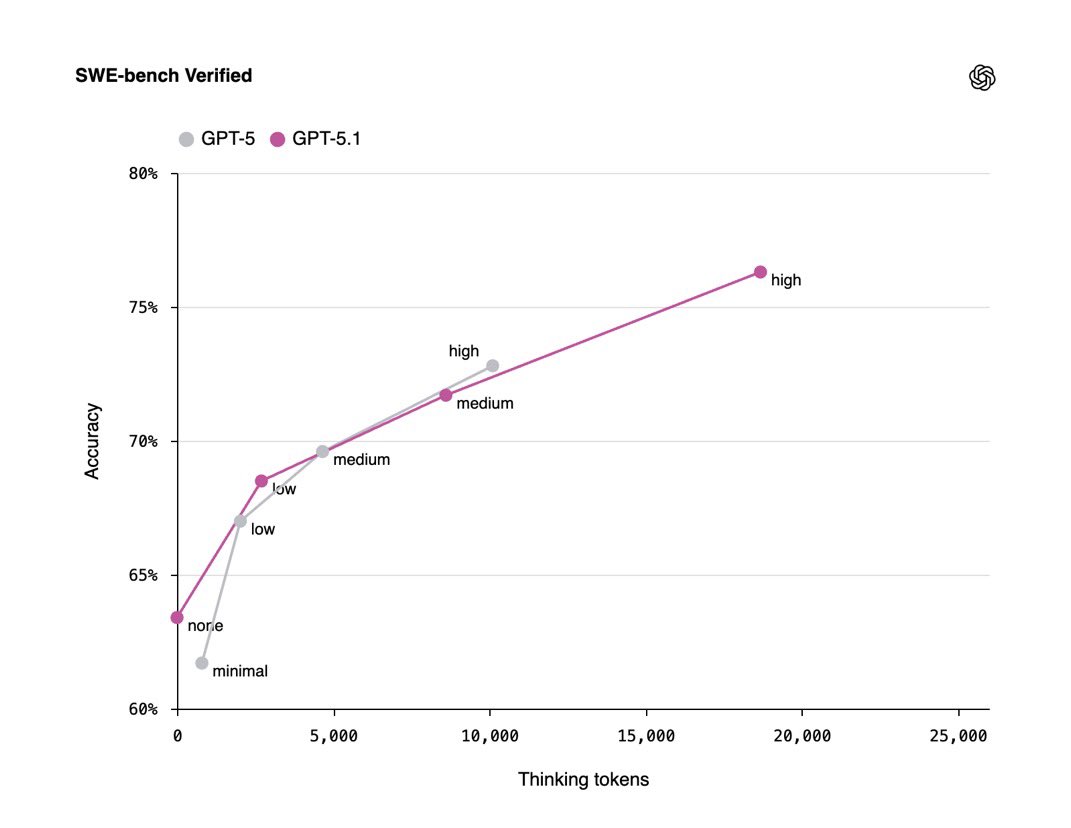
GPT-5.1 Scores 76.3% on SWE-bench Verified
By
–
GPT-5.1 achieved 76.3% on SWE-bench Verified. Quite a big leap! When GPT-5.1 Pro?
-
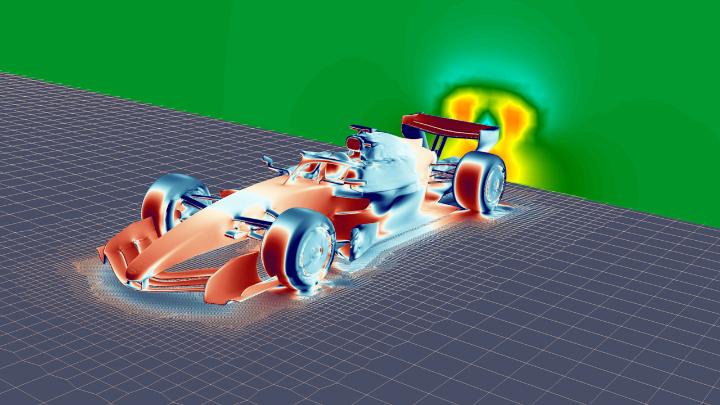
AI-Powered Simulations Revolutionize Engineering Design Iteration
By
–
Revolutionize engineering design in seconds, not days. #NVIDIAInception startup, @BeyondMathLtd is using AI-powered simulations to enable real-time physics experimentation, significantly reducing iteration time. Watch the full video: https://
nvda.ws/49MMiuN -
Interpreting Complex Behaviors of Powerful AI Models
By
–
This is an early step; there is a long path from this work to fully understanding the complex behaviors of our most powerful models. Our aim is to understand larger models, gradually expand the set of behaviors we can reliably interpret, and obtain safety assurances using our
-
Sparse Neural Networks Improve AI Model Interpretability Research
By
–
Most neural networks today are dense and highly entangled, making it difficult to understand what each part is doing. In our new research, we train “sparse” models—with fewer, simpler connections between neurons—to see whether their computations become easier to understand.
-
Sparse Models Reveal Interpretable Task-Specific Components
By
–
Unlike with normal models, we often find that we can pull out simple, understandable parts of our sparse models that perform specific tasks, such as ending strings correctly in code or tracking variable types. We also show promising early signs that our method could potentially
-
New Interpretable Training Method for Small Language Models
By
–
We’ve developed a new way to train small AI models with internal mechanisms that are easier for humans to understand. Language models like the ones behind ChatGPT have complex, sometimes surprising structures, and we don’t yet fully understand how they work. This approach
-
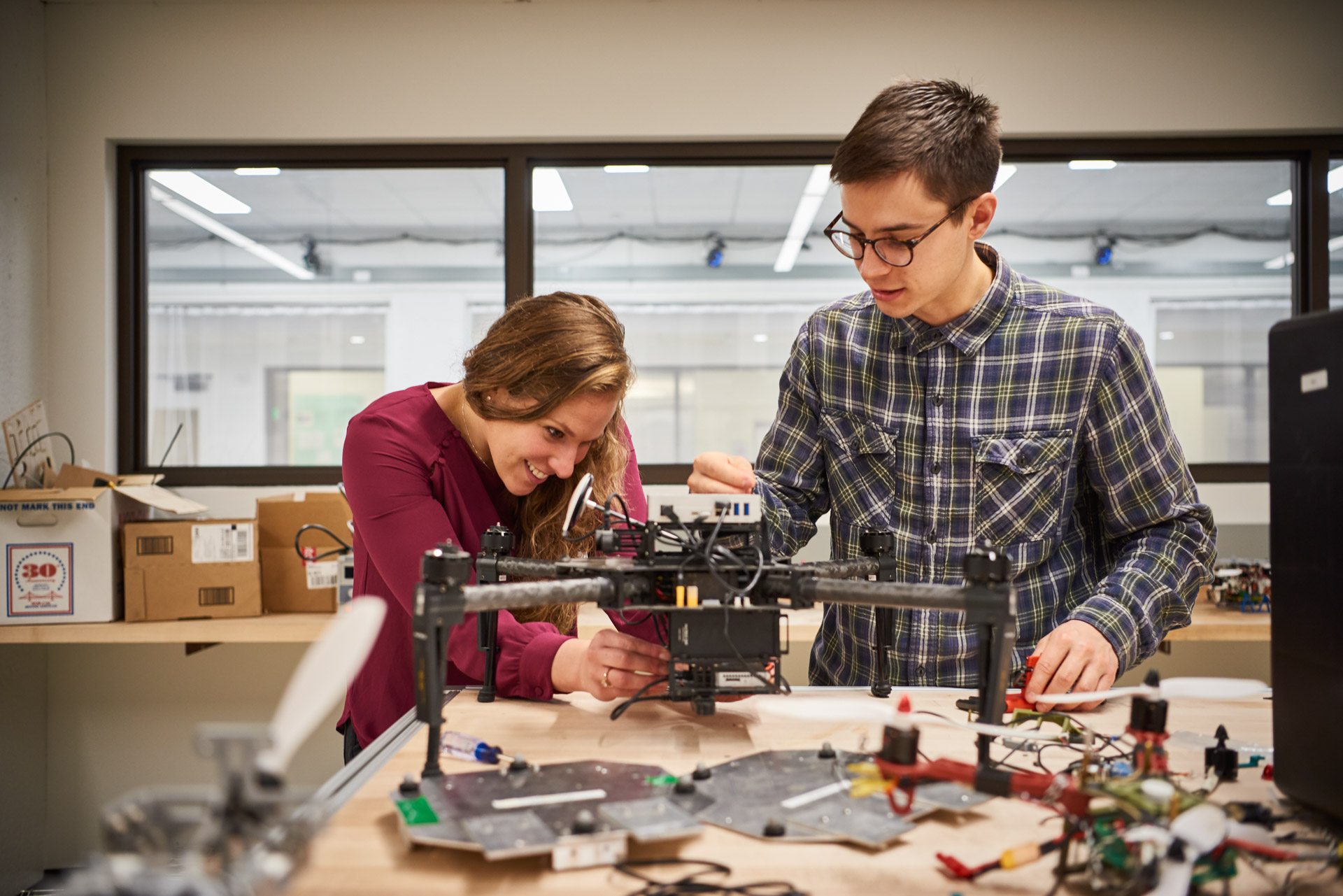
Stanford AI Lab Postdoc Fellowship Connects Research with Impact
By
–
What research questions drive AI forward? At @StanfordAILab
, postdoc fellows work at the forefront of AI and ML – connecting vision with language, theory with application, and innovation with impact. Apply as a SAIL Postdoc Fellow by Dec. 15: https://
bit.ly/43mRPEE -
GPT 5.1 launches on ChatGPT and surprises, but not as expected
By
–
GPT 5.1 just released on #ChatGPT and it shocked me… But not as you imagine → https://youtu.be/MPWedHYy9dw #GPT5 #GPT5_1
-
MIT Professor Patrick Winston’s Simplest Neural Network Explained
By
–
A breakdown of the simplest neural network from the late MIT Prof. Patrick Winston during his 6.034 (Artificial Intelligence) course.
— MIT CSAIL (@MIT_CSAIL) 13 novembre 2025
Clip v/@7etsuo & @MITOCW pic.twitter.com/hWZvAcHUv4A breakdown of the simplest neural network from the late MIT Prof. Patrick Winston during his 6.034 (Artificial Intelligence) course. Clip v/
@7etsuo & @MITOCW