maybe? but our thought is that when it happens it will feel like it's obviously happened!
RESEARCH
-
Soft Decomposability for Efficient Scientific Design in Proteins
By
–
Our new ICLR paper on leveraging “soft decomposability” of design spaces (eg protein sequence) wrt a target property (eg enzymatic activity) in order to more efficiently search through the design space. Active site vs. scaffold, for eg. @jamesbowden_ joint with @svlevine James Bowden (@jamesbowden_) I'm excited to share our ICLR paper on how leveraging decomposability can enable more efficient scientific design, with @jlistgarten and @svlevine. We were motivated by protein design in particular. Check out the blog post: james-bowden.github.io/dado/. — https://nitter.net/jamesbowden_/status/2035457915428233479#m
→ View original post on X — @berkeley_ai, 2026-03-21 21:34 UTC
-
Structure-Leveraging Optimization for Efficient Protein Design
By
–
Data-driven optimization works best when we can leverage structure. In offline RL, MDP structure enables temporal compositionality ("stitching"), while for protein design, analogous graph structure can make design of new proteins more efficient! James Bowden (@jamesbowden_) I'm excited to share our ICLR paper on how leveraging decomposability can enable more efficient scientific design, with @jlistgarten and @svlevine. We were motivated by protein design in particular. Check out the blog post: james-bowden.github.io/dado/. — https://nitter.net/jamesbowden_/status/2035457915428233479#m
→ View original post on X — @berkeley_ai, 2026-03-21 21:18 UTC
-
Reaching Aesthetic Singularity: Visual Exploration Beyond Human History
By
–
If we had to articulate a single goal related to the visual world, it would be to "reach the aesthetic singularity" – a world where more aesthetic exploration happens in a single year than all previous human history combined.
→ View original post on X — @midjourney, 2026-03-21 21:14 UTC
-
Decomposability for Efficient Scientific Design in Protein Engineering
By
–
I'm excited to share our ICLR paper on how leveraging decomposability can enable more efficient scientific design, with @jlistgarten and @svlevine. We were motivated by protein design in particular. Check out the blog post: james-bowden.github.io/dado/.
→ View original post on X — @berkeley_ai, 2026-03-21 20:45 UTC
-
Token Context Limits: Diminishing Returns After 100k Tokens
By
–
I’ve heard that you get rapidly diminishing returns after ~100,000 tokens though. Has it been consistent in your experience?
-
HTTP Range Requests Optimize Large Model Weight Loading
By
–
I had the same question – looks to me like it's working around that limit by fetching 512MB slices of the model weights with HTTP range requests
-
Tesla Tests Full Self-Driving Model Y on Japanese Roads
By
–
Tesla Tests Full Self-Driving with Model Y on Japanese Roads
— Ronald van Loon (@Ronald_vanLoon) 21 mars 2026
by @Kenmaeda77#SelfDrivingCars #AutonomousVehicles #AI #ArtificialIntelligence #Automation #Automotive #Transport pic.twitter.com/2LJJkQsJ0FTesla Tests Full Self-Driving with Model Y on Japanese Roads
by @Kenmaeda77 #SelfDrivingCars #AutonomousVehicles #AI #ArtificialIntelligence #Automation #Automotive #Transport -
System 1 and System 2 reasoning paths in AI models
By
–
Yeah, I think this is a possible path, system1 and system2. I already tried it with Gemini Live… and want to return to it some day.
-
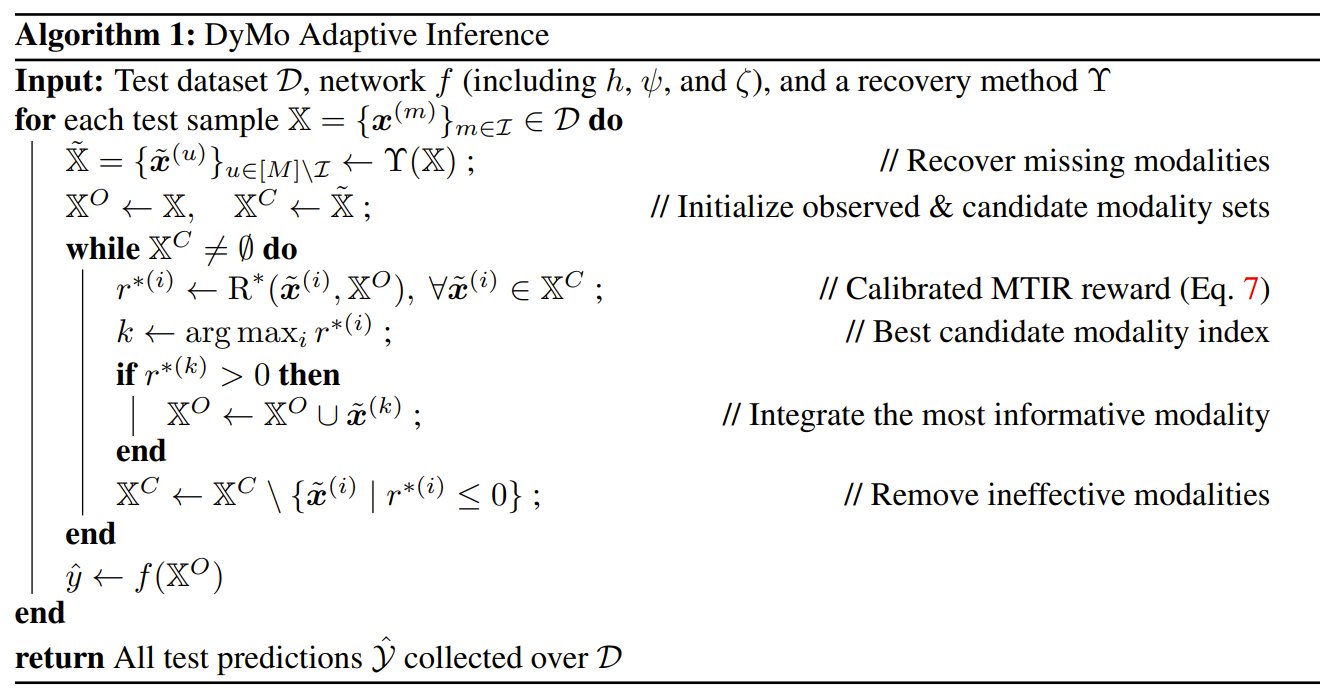
DyMo: Dynamic Multimodal AI Framework Handles Incomplete Data
By
–
Is your multimodal AI struggling with incomplete data? Researchers from Imperial College London introduce DyMo. DyMo is a new framework that dynamically selects and combines the most reliable information from various data streams, even when some are missing. It cleverly