Ce petit génie (Polytechnique plus Cambridge) est sincère En maths, l’IA l’a déjà dépassé Et @AymericRoucher est un des Français les plus intelligents ! Regardez son interview par @Alex_Tsico ! Le discours de Luc Julia : l’IA n’est pas intelligente est pathétique https://
x.com/Fabien_Mikol/s
/Fabien_Mikol/status/2032386430090043567
…
MACHINE LEARNING
-
AI Mathematics Capabilities Surpass Human Expert Intelligence
By
–
-
Next Frontier: Spatial Intelligence in AI Systems
By
–
At the India AI Impact Summit 2026, leading AI scientist Dr @drfeifei shared a powerful vision of what lies ahead.
— IndiaAI (@OfficialINDIAai) 13 mars 2026
While today’s AI systems can write, reason, and synthesise knowledge, the next frontier is spatial intelligence — enabling machines to perceive, reason, and act… pic.twitter.com/qwnPJwRDljAt the India AI Impact Summit 2026, leading AI scientist Dr @drfeifei shared a powerful vision of what lies ahead. While today’s AI systems can write, reason, and synthesise knowledge, the next frontier is spatial intelligence — enabling machines to perceive, reason, and act
-

AI Monitors Land Use Changes in Real-Time via Satellite Imagery
By
–
What if AI could detect land use changes the moment they happen? Build intelligent AI systems that combine satellite imagery and ground-level data to monitor land use shifts across Andhra Pradesh in near real time, enabling governments to plan smarter, protect resources, and
-
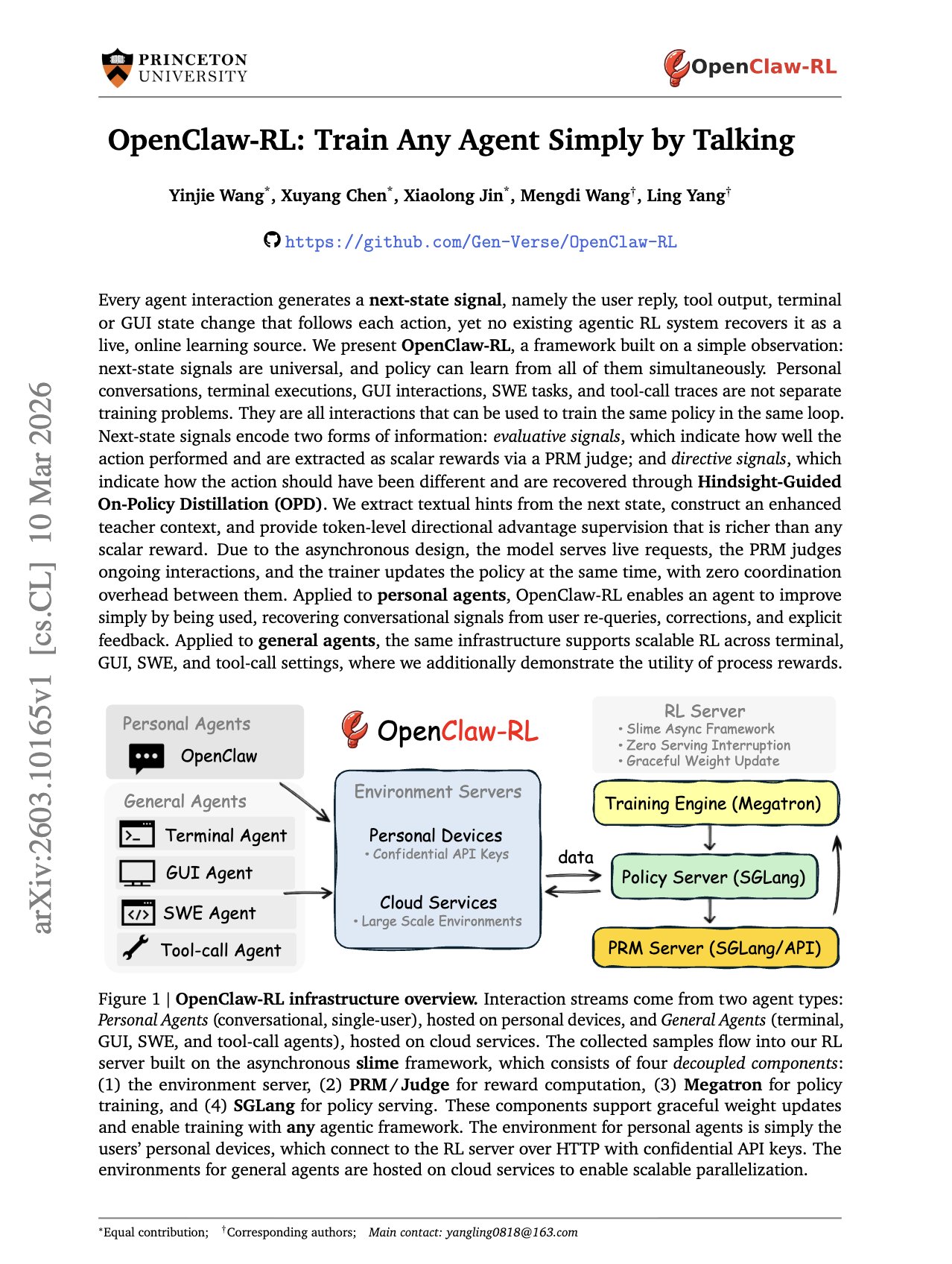
OpenClaw-RL: Train AI Agents Through Live Feedback
By
–
"OpenClaw-RL: Train Any Agent Simply by Talking" OpenClaw-RL’s big idea is that every time an AI agent gets a reply, error, test result, or tool output, it’s already receiving free feedback. So instead of wasting those signals, this paper turns everyday use into live
-
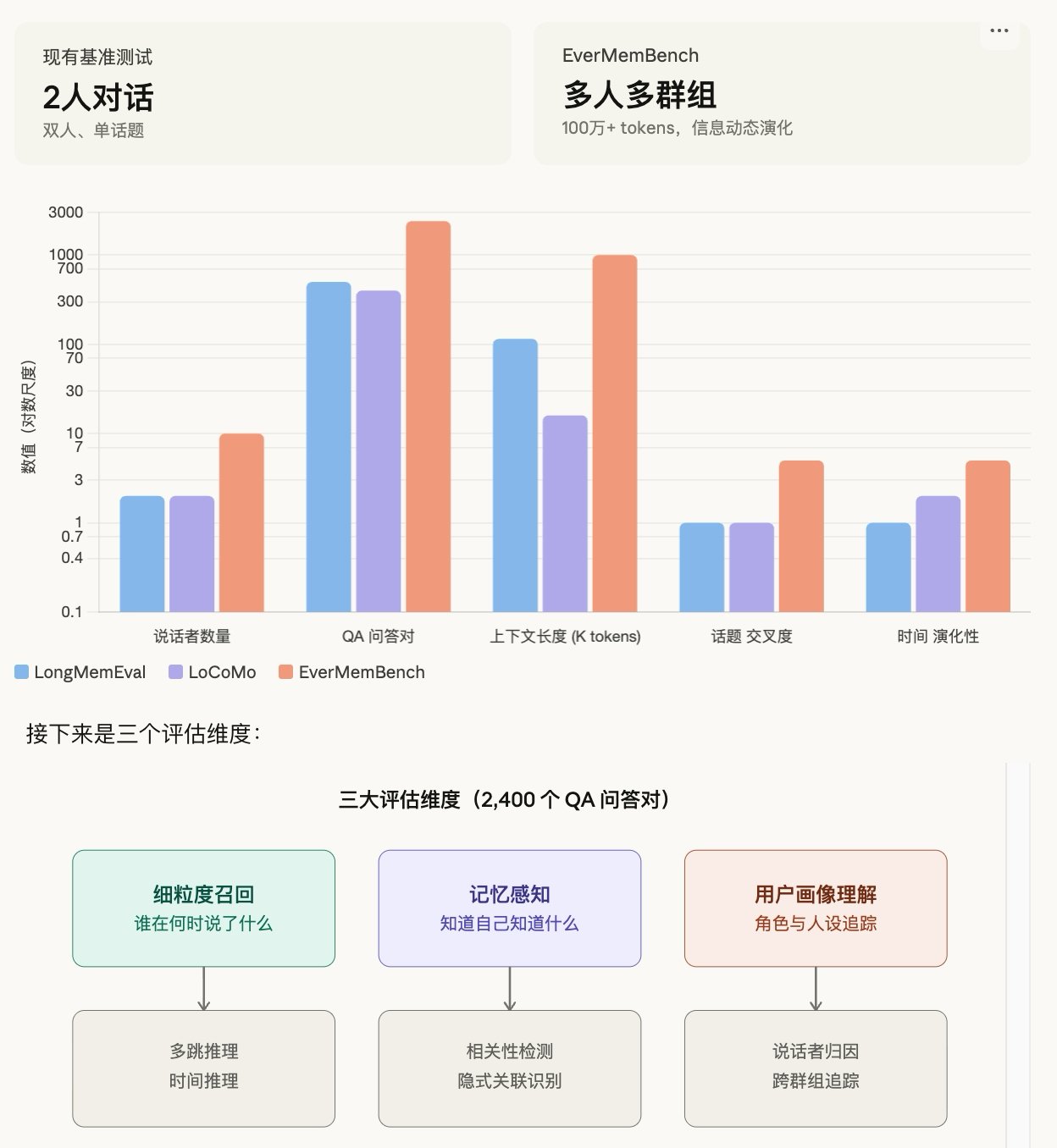
New Memory Testing Benchmark for Multi-Agent AI Systems
By
–
We published a new paper on arXiv yesterday, filling a gap that no one had tackled before: memory testing in multi-person, multi-group scenarios. A quick explainer on why this matters Previous benchmarks for testing AI memory capabilities were basically all "two people
-
Viola-Jones Algorithm: The Foundation of Camera Vision
By
–
The Algorithm That Taught Cameras to See
— Satya Mallick (@LearnOpenCV) 13 mars 2026
Think your phone's face detection is magic? It actually started with a clever trick from 2001. Before the era of GPUs and AI, two researchers-Viola and Jones-changed everything by looking at simple patterns of light and shadow rather… pic.twitter.com/hdhLJ4Q0TnThe Algorithm That Taught Cameras to See Think your phone's face detection is magic? It actually started with a clever trick from 2001. Before the era of GPUs and AI, two researchers-Viola and Jones-changed everything by looking at simple patterns of light and shadow rather
-
2005 Computer Vision Techniques Obsolete After 21 Years
By
–
Yes, great for 2005 but falls way short for 2026. 21 years is a long time (or should we say an epoch) in computer vision and AI.
-
Multi-Model Architecture: Routing Tasks to Optimal AI Systems
By
–
Running Opus 4.6 and GPT-5.4 simultaneously and routing tasks to whichever handles them best is a smarter architecture than picking one model and defending it.
-
HOG: The Algorithm That Powered Early Human Detection
By
–
HOG: The Algorithm That Powered Early Human Detection
— Satya Mallick (@LearnOpenCV) 13 mars 2026
In 2005, before deep learning dominated computer vision, researchers introduced Histogram of Oriented Gradients (HOG) – a powerful technique for detecting people in images. Instead of analyzing raw pixels, HOG focused on… pic.twitter.com/vCcvn6IjdDHOG: The Algorithm That Powered Early Human Detection In 2005, before deep learning dominated computer vision, researchers introduced Histogram of Oriented Gradients (HOG) – a powerful technique for detecting people in images. Instead of analyzing raw pixels, HOG focused on
-
Data Collection for LLM and AI Development Discussed
By
–
We need fundamental shifts in how we approach education with AI, says @StanfordHAI Faculty Affiliate @mehran_sahami. Watch his 5-min presentation during the AI+Education Summit, where he presented three provocations about generative AI in education: pic.twitter.com/paABtZMg7C
— Stanford HAI (@StanfordHAI) 13 mars 2026We need fundamental shifts in how we approach education with AI, says @StanfordHAI Faculty Affiliate @mehran_sahami
. Watch his 5-min presentation during the AI+Education Summit, where he presented three provocations about generative AI in education: