EDINET-Bench: Evaluating LLMs on Complex Financial Tasks using Japanese Financial Statements https://
arxiv.org/abs/2506.08762 https://
sakana.ai/edinet-bench/
LLMS
-
EDINET-Bench: Evaluating LLMs on Japanese Financial Statement Tasks
By
–
-
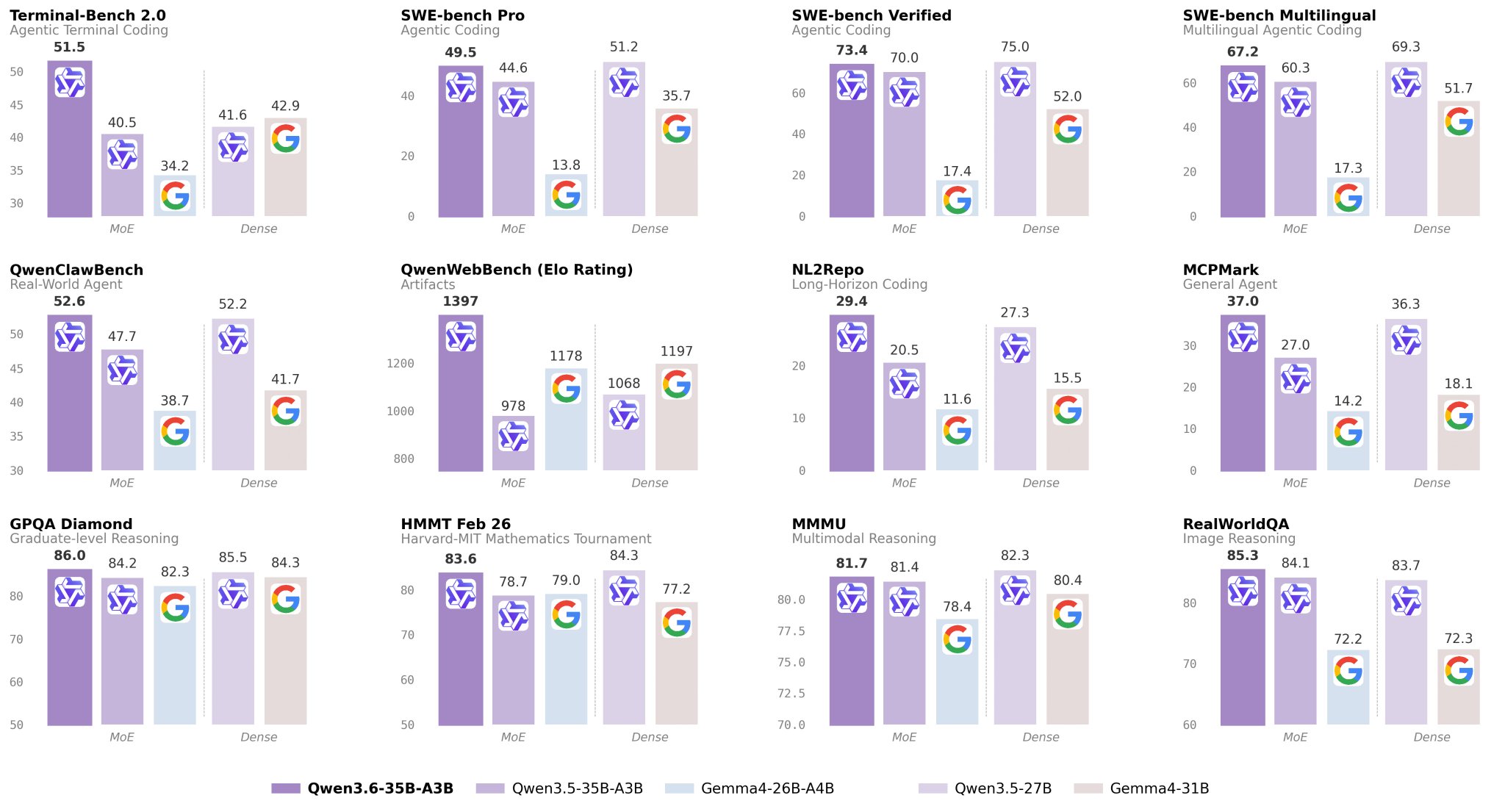
Alibaba’s Qwen3.6-35B-A3B: Efficient MoE Model Rival Larger Models
By
–
Qwen3.6-35B-A3B: Alibaba’s latest MoE model. With only 3B active parameters, it’s punching way above its weight class, rivaling much denser models.
-
OpenAI Launches GPT-Rosalind for Life Sciences Discovery
By
–
Specialized & Efficient Models GPT-Rosalind: OpenAI’s new life sciences specialist. Designed for biochemistry and drug discovery, it’s already in the hands of partners like Amgen and Moderna.
-
Weekly AI Roundup: New Models and Personal Agent Computers
By
–
The pace isn't slowing down. From specialized biotech models to the rise of personal "agent computers," here is your Futurepedia Weekly AI Roundup. Anthropic Claude Opus 4.7
Gemini 3.1 Flash TTS
Qwen3.6-35B-A3B
OpenAI's GPT-Rosalind
Perplexity Personal Computer -

Claude Opus 4.7: Anthropic’s Reliable Flagship Model
By
–
Claude Opus 4.7: Anthropic’s new flagship focuses on reliability. It boasts 13% better coding benchmarks and improved tool-use for complex tasks like Factory Droids.
-
Opus 4.7 Image Token Cost Analysis Same Resolution
By
–
Important to note: that 3x increase for images is entirely due to Opus 4.7 being able to handle higher resolutions. I tried that again with a 682×318 pixel image and it took 314 tokens with Opus 4.7 and 310 with Opus 4.6, so effectively the same cost.
-
Paper Argues LLMs Are Homogenizing Human Thought and Expression
By
–
Context, from the time of the o1-preview launch:
-
Hermes vs OpenClaw: Comparing Open Source Language Models
By
–
We like Hermes better from @nousresearch but OpenClaw has been improving rapidly and has a bigger community
-
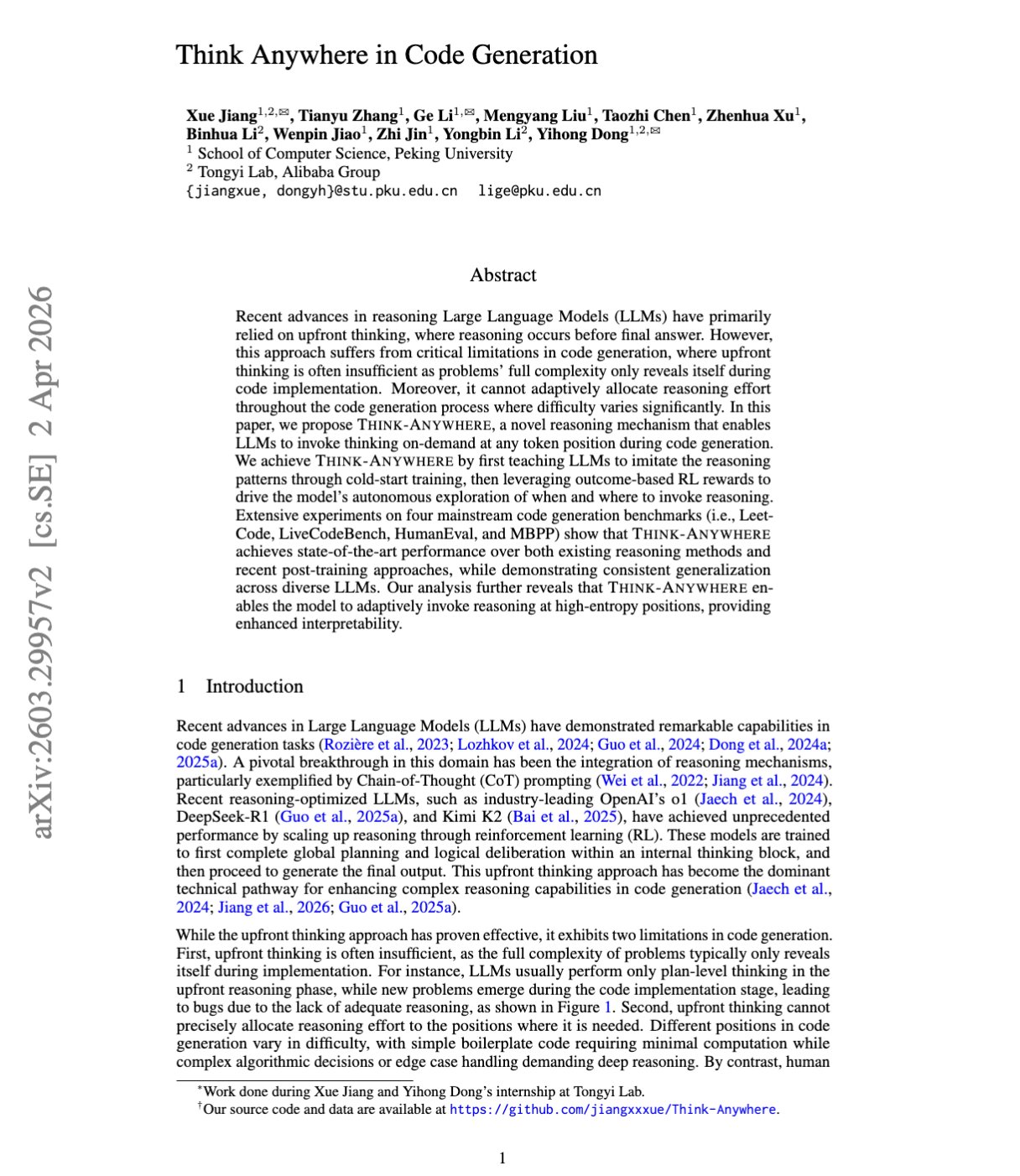
Think-Anywhere: Reasoning in Code Generation for Edge Cases
By
–
“Think Anywhere in Code Generation” Most reasoning LLMs think before writing code. But coding often gets hard because the tricky parts only gets revealed mid-implementation when the edge cases or final return logic appear. So this paper introduces Think-Anywhere, where models
-
Functional Emotions in LLMs: Beyond Human Emotional Experience
By
–
it’s important to define terms here. the paper itself concludes in its abstact “Functional emotions may work quite differently from human emotions, and do not imply that LLMs have any subjective experience of emotions, but appear to be important for understanding the model’s