AI Dynamics

Global AI News Aggregator

About

GENERATIVE AI

  • Plan-Execute-Verify: The AI Coding Loop for Faster Shipping
    Plan-Execute-Verify: The AI Coding Loop for Faster Shipping

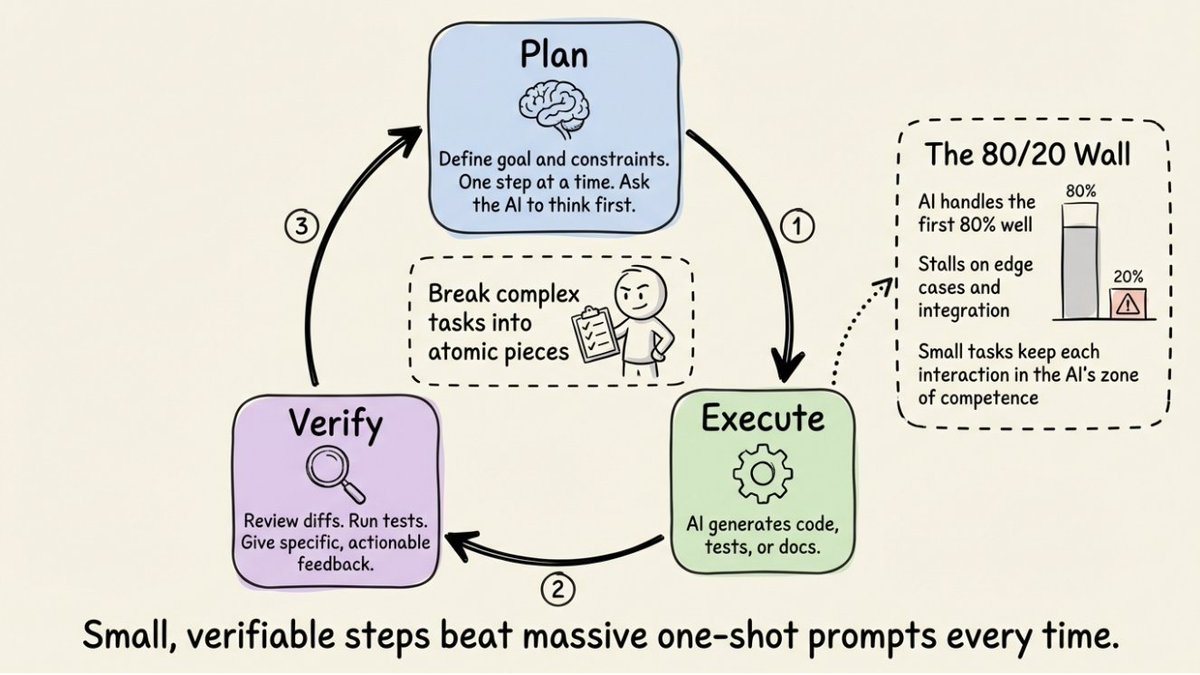
    AI coding has a cheat code. It's not a tool, a model, or a better prompt template. It's a shift in how you structure the work. Most developers write one big prompt, hit enter, and hope for the best. When the output isn't right, they describe the problem, the AI "fixes" it, and a new problem shows up. Three rounds later, they're further from where they started. The developers who ship fastest never ask the AI to do everything at once. They run every task through a simple loop: ๐—ฃ๐—น๐—ฎ๐—ป โ†’ ๐—˜๐˜…๐—ฒ๐—ฐ๐˜‚๐˜๐—ฒ โ†’ ๐—ฉ๐—ฒ๐—ฟ๐—ถ๐—ณ๐˜† It starts with the ๐—ฃ๐—น๐—ฎ๐—ป. Before the AI writes a single line of code, define the goal and constraints for just the next step. Not the whole feature, just the next piece. Even better, ask the AI to reason through the approach first. You catch bad assumptions before they become bad code. Then you ๐—˜๐˜…๐—ฒ๐—ฐ๐˜‚๐˜๐—ฒ. Let the AI generate, but keep the scope tight. Not "build the entire auth system." Instead: "Add JWT verification middleware that reads from the Authorization header and returns 401 on expired tokens." Then you ๐—ฉ๐—ฒ๐—ฟ๐—ถ๐—ณ๐˜†. Review the diffs. Run the tests. Give specific, actionable feedback. "That's wrong" is a terrible prompt. "The middleware should return 401, not 403, and check the Authorization header instead of X-Token" gives the AI everything it needs to course-correct in one shot. ๐—ฉ๐—ฎ๐—ด๐˜‚๐—ฒ ๐—ณ๐—ฒ๐—ฒ๐—ฑ๐—ฏ๐—ฎ๐—ฐ๐—ธ ๐—ฐ๐—ฟ๐—ฒ๐—ฎ๐˜๐—ฒ๐˜€ ๐—น๐—ผ๐—ผ๐—ฝ๐˜€. ๐—ฃ๐—ฟ๐—ฒ๐—ฐ๐—ถ๐˜€๐—ฒ ๐—ณ๐—ฒ๐—ฒ๐—ฑ๐—ฏ๐—ฎ๐—ฐ๐—ธ ๐—ฐ๐—น๐—ผ๐˜€๐—ฒ๐˜€ ๐˜๐—ต๐—ฒ๐—บ. Then you go back to Plan and repeat. This works because AI is excellent at small, well-defined tasks and unreliable at large, ambiguous ones. The mental shift: you're not trying to write the perfect prompt. You're building a rhythm of small, verifiable steps that works the same way across any tool. Terminal agent, IDE copilot, browser-based builder. ๐—ง๐—ต๐—ฒ ๐—น๐—ผ๐—ผ๐—ฝ ๐—ถ๐˜€ ๐˜๐—ต๐—ฒ ๐—ฐ๐—ผ๐—ป๐˜€๐˜๐—ฎ๐—ป๐˜. ๐—ฆ๐˜๐—ผ๐—ฝ ๐˜„๐—ฟ๐—ถ๐˜๐—ถ๐—ป๐—ด ๐—ฏ๐—ถ๐—ด ๐—ฝ๐—ฟ๐—ผ๐—บ๐—ฝ๐˜๐˜€. ๐—ฆ๐˜๐—ฎ๐—ฟ๐˜ ๐—ฟ๐˜‚๐—ป๐—ป๐—ถ๐—ป๐—ด ๐˜€๐—บ๐—ฎ๐—น๐—น ๐—น๐—ผ๐—ผ๐—ฝ๐˜€. The article below covers Vibe coding best practices with hands-on examples. Do check it out. Akshay ๐Ÿš€ (@akshay_pachaar) x.com/i/article/203930514901โ€ฆ โ€” https://nitter.net/akshay_pachaar/status/2039326670797369346#m

    โ†’ View original post on X โ€” @akshay_pachaar, 2026-04-02 07:40 UTC
  • 13 Essential AI Tools to Boost Your Productivity

    1. Claude (solve any problem) 2. Perplexity (research anything) 3. Portfoliotab (create your portfolio) 4. Klingai (create AI videos) 5. Tripo AI (create 3D models) 6. Gemini (perfect writing) 7. Capcut (edit videos) 8. The AI Library (helpful tools) 9. Youlearn (summarize YouTube) 10. Canva (design graphics) 11. ElevenLabs (clone voices) 12. Podcastle (edit podcasts) 13. โœ… Save this list, it might be incredibly useful.

    โ†’ View original post on X โ€” @aihighlight, 2026-04-02 07:33 UTC

  • MSA Inference Open Sourced, Ultra Long Memory Attention Mechanism
    MSA Inference Open Sourced, Ultra Long Memory Attention Mechanism

    MSA's Inference part will be open sourced tomorrow, have a great Friday! Elliot (@elliotchen100) The paper is here. It's called MSA, Memory Sparse Attention. In one sentence, here's what it is: Give large models native ultra-long memory. Not an external retrieval plugin, not brute force context window expansion, but "memory" directly grown into the attention mechanism, trained end-to-end. Why don't past solutions work? RAG's essence is "open book exam". The model doesn't remember anything itself, just flips through notes on the fly. Whether it finds the right info depends on retrieval quality, and speed depends on data volume. Once information is scattered across dozens of documents and requires cross-document reasoning, it falls apart. Linear attention and KV cache's essence is "compressed memory". It remembers, but gets blurrier the more you compress, and gets lost over time. MSA's approach is completely different: โ†’ No compression, no external plugins. Instead, teach the model to "focus on what matters" The core is a scalable sparse attention architecture with linear complexity. 10x more memory means computational costs don't explode exponentially. โ†’ The model knows "which document this memory comes from and when" Uses document-wise RoPE positional encoding, letting the model naturally understand document boundaries and temporal order. โ†’ Can reason across fragmented information Memory Interleaving mechanism enables the model to perform multi-hop reasoning across scattered memory fragments. Not just finding one relevant record, but chaining clues together. The results? ยท Scales from 16K to 100M tokens with less than 9% accuracy degradation ยท 4B parameter MSA model outperforms 235B-level top RAG systems on long context benchmarks ยท Can run 100M token inference on just 2 A800s. This isn't lab-exclusive, it's startup-affordable. Simply put, past large models were geniuses with goldfish memory. What MSA does is let them truly "remember". We put it on GitHub. Algorithm researchers, give it a star if you like it. ๐ŸŒŸ๐Ÿ‘€๐Ÿ™ github.com/EverMind-AI/MSA โ€” https://nitter.net/elliotchen100/status/2034479369855590660#m [Translated from EN to English]

    โ†’ View original post on X โ€” @elliotchen100, 2026-04-02 07:24 UTC

  • EmoStyle: AI Framework Transforms Images to Evoke Human Emotions
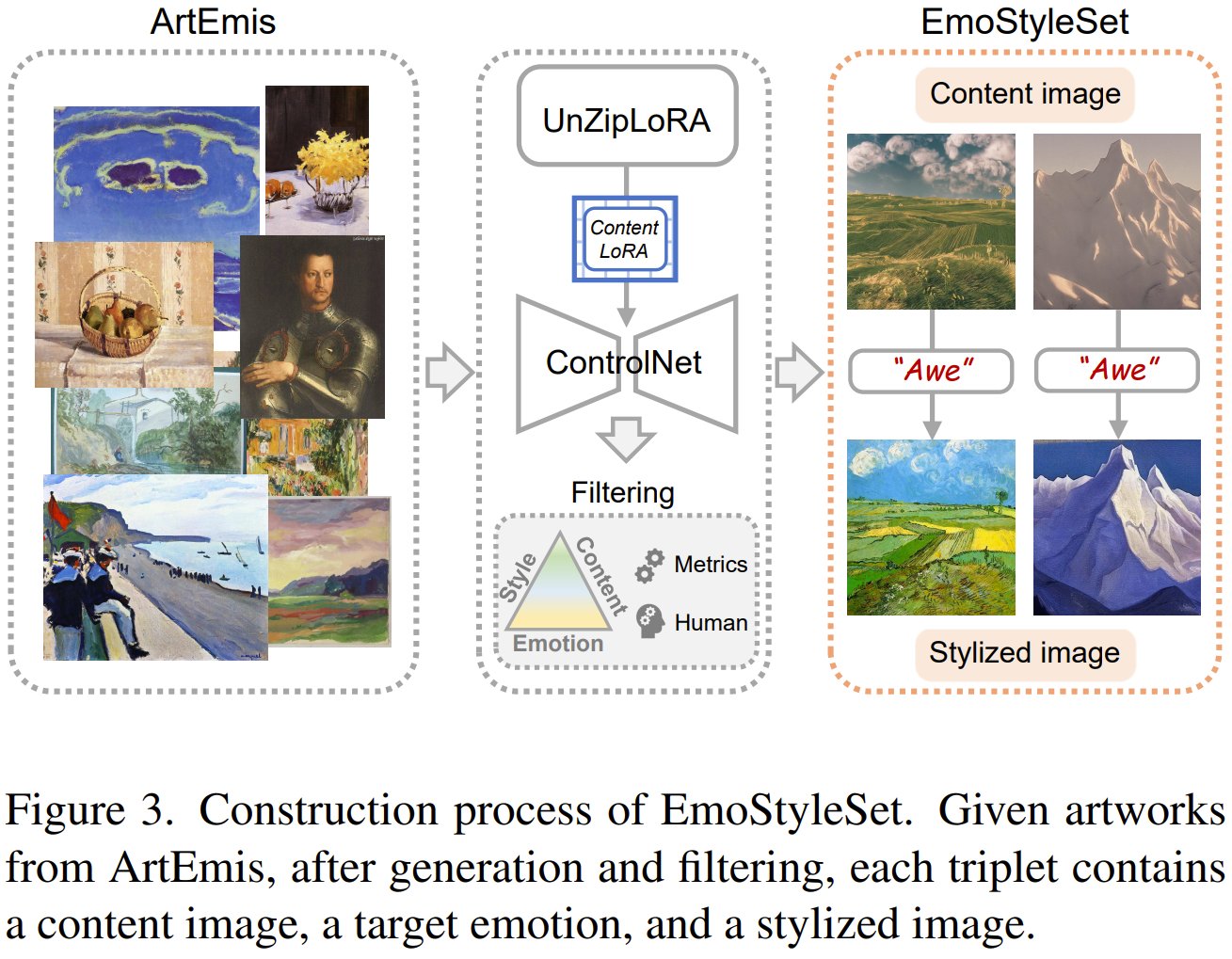
    EmoStyle: AI Framework Transforms Images to Evoke Human Emotions

    What if AI could stylize images to truly evoke specific human emotions? Jingyuan Yang, Zihuan Bai, and Hui Huang from CSSE, Shenzhen University They introduce EmoStyle, a groundbreaking framework that transforms your images to reflect emotions like 'amusement' or 'disgust'

    โ†’ View original post on X โ€” @jiqizhixin

  • Correction: Qwen-3.6 Plus Performance Compared to Opus 4.5
    Correction: Qwen-3.6 Plus Performance Compared to Opus 4.5

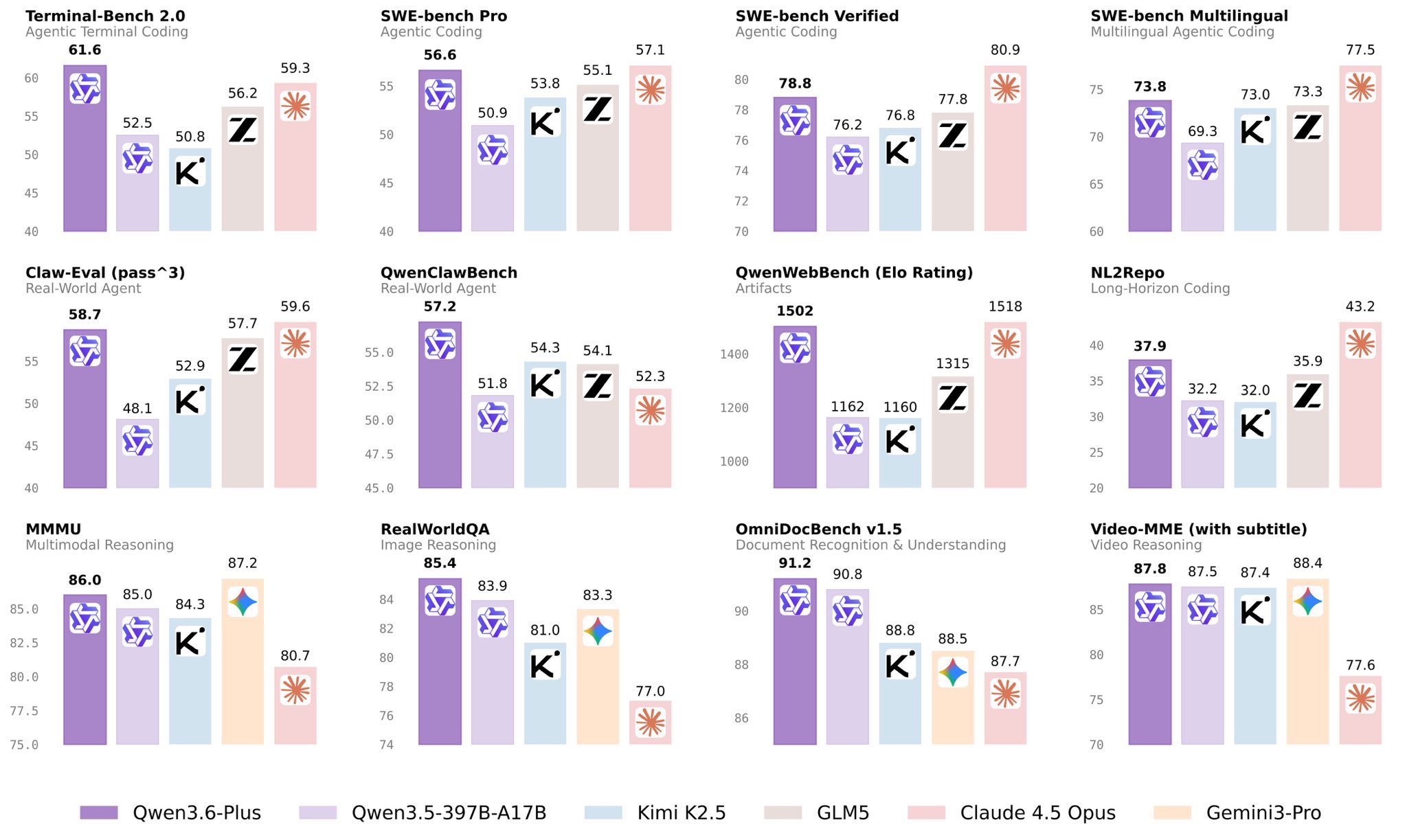
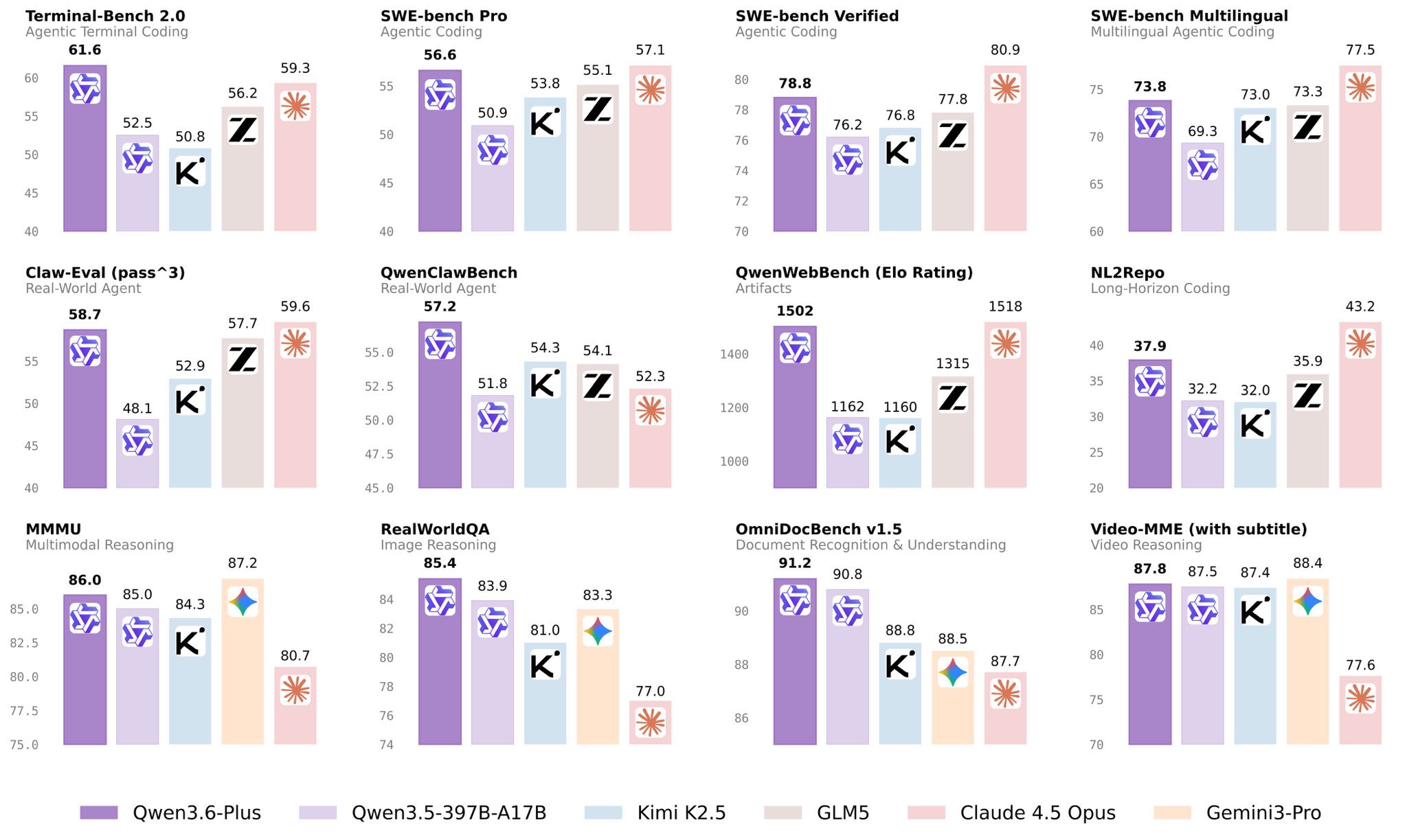
    Correction: Qwen-3.6 Plus comes very close to Opus 4.5 not 4.6, I misread that.

    โ†’ View original post on X โ€” @kimmonismus

  • AI News Aggregation Platform Curates Daily Industry Updates

    Even better is this: https://
    alignednews.com/ai I have my AI find the best out of the AI industry every day.

    โ†’ View original post on X โ€” @scobleizer

  • Gemma 4 Release Anticipated: Edge Computing Future

    Finally, Gemma 4 incoming. Rally looking forward to this release. Small models running on the edge are the future.

    โ†’ View original post on X โ€” @kimmonismus

  • GPT Generative AI and LLM Technologies Overview
    GPT Generative AI and LLM Technologies Overview

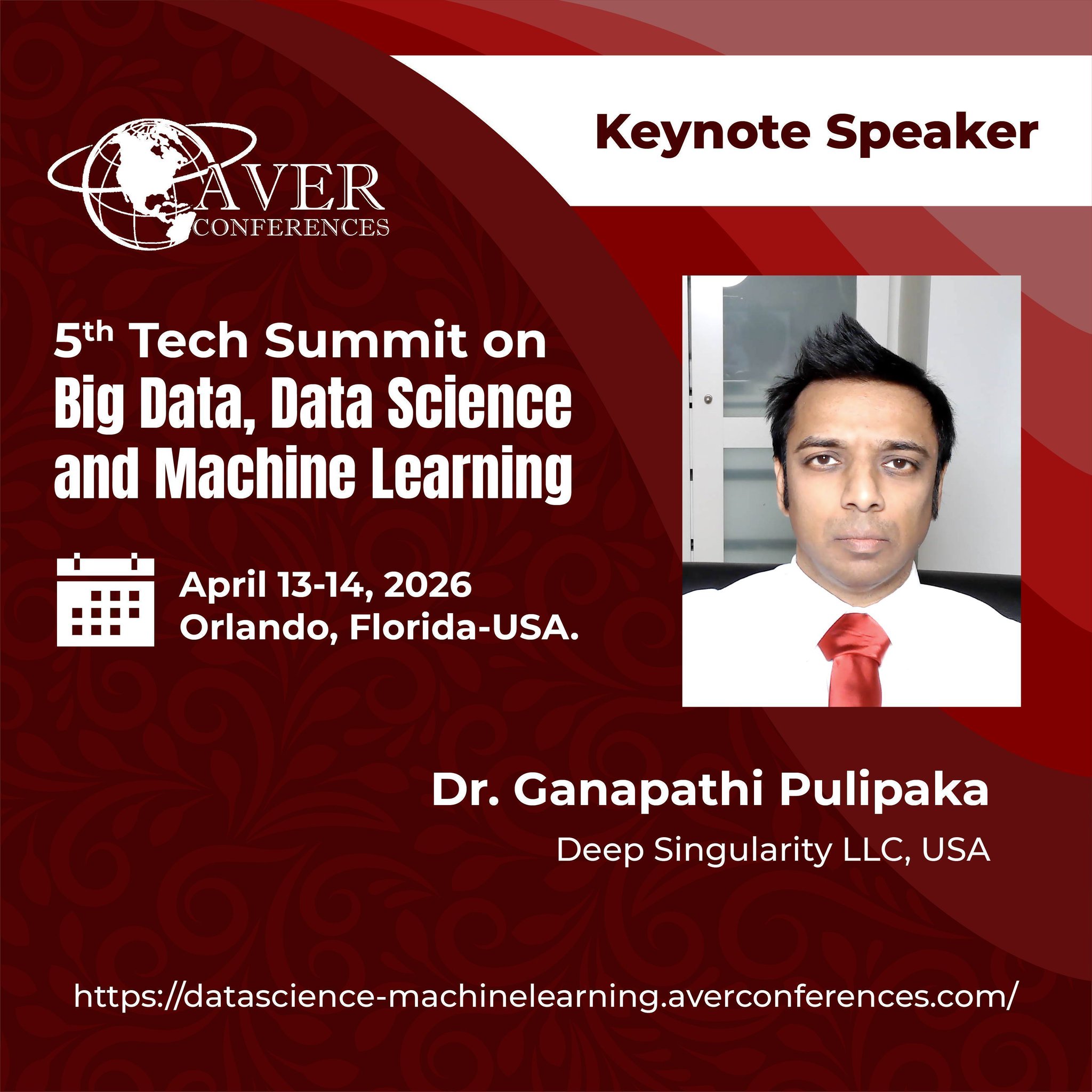
    GPT, Generative AI, and LLM! @AverConferences #BigData #Analytics #DataScience #AI #MachineLearning #NLProc #LLM #IoT #IIoT #Python #RStats #TensorFlow #JavaScript #CloudComputing #Serverless #DataScientist #Linux #Programming #Coding #100DaysofCode http://
    geni.us/Aver

    โ†’ View original post on X โ€” @gp_pulipaka

  • Red Lion Recognized by UK IoT Developer for AI Innovation
    Red Lion Recognized by UK IoT Developer for AI Innovation

    Red Lion, Recognized by UK-Based Developer of #IoT! #BigData #Analytics #DataScience #AI #MachineLearning #NLProc #LLM #IoT #IIoT #PyTorch #Python #RStats #TensorFlow #Java #JavaScript #ReactJS #GoLang #CloudComputing #Serverless #DataScientist #Linux #Programming #Coding

    โ†’ View original post on X โ€” @gp_pulipaka

  • Qwen-3.6 Plus Rivals Opus 4.6 in Benchmark Performance
    Qwen-3.6 Plus Rivals Opus 4.6 in Benchmark Performance

    Holy sh*t: Qwen-3.6 plus comes very close to opus 4.6 evals. About time for Anthropic to drop opus 4.7 or Mythos

    โ†’ View original post on X โ€” @kimmonismus